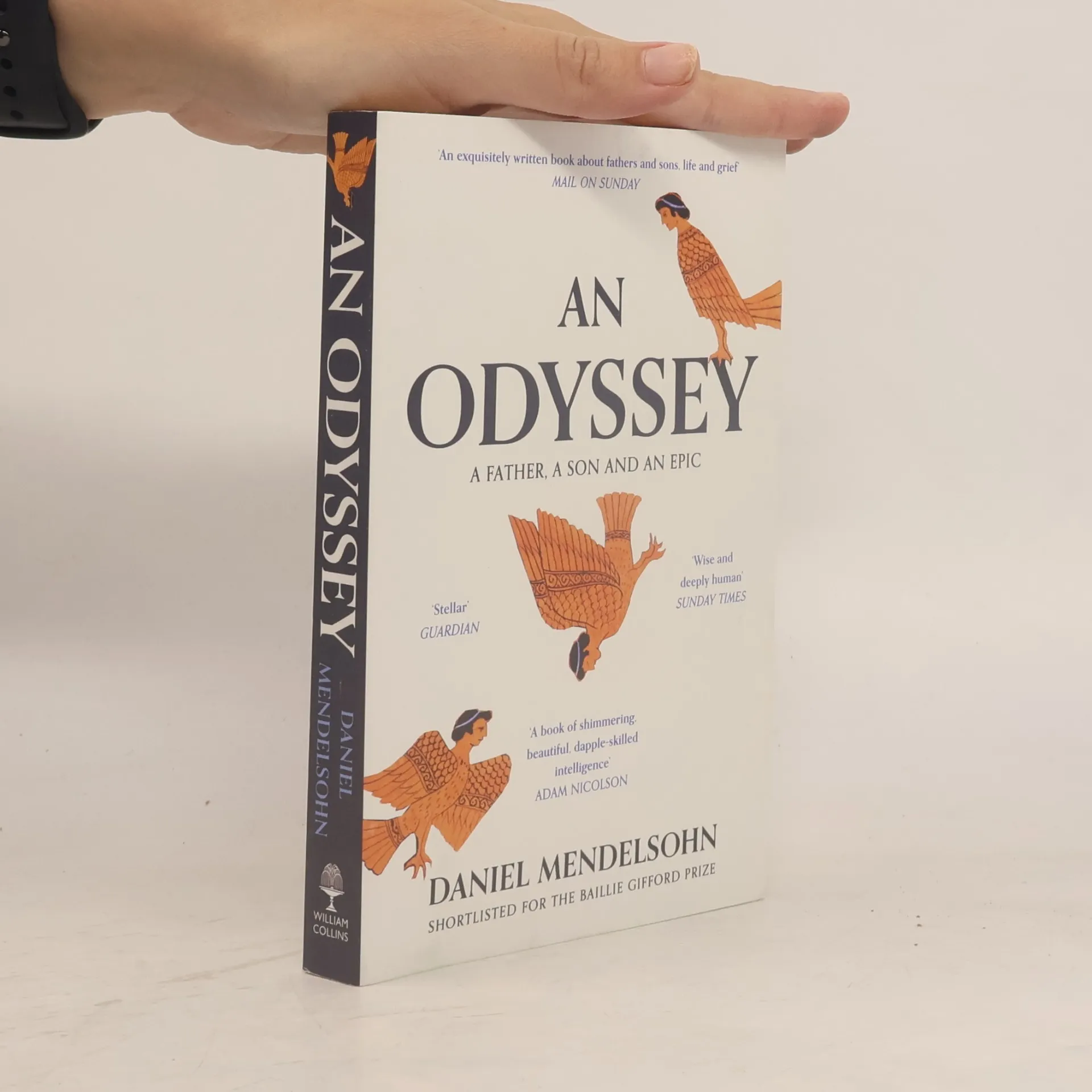
SHORTLISTED FOR THE BAILLIE GIFFORD PRIZE 2017 From the award-winning, best- selling writer: a deeply moving tale of a father and son's transformative journey in reading - and reliving - Homer's epic masterpiece.
Daniel Adam Mendelsohn Books

Bronzino's Lodovico Capponi
- 70 pages
- 3 hours of reading
New volume in the Frick Diptych series pairs an essay by Frick curator Aimee Ng with a contribution by bestselling author Daniel Mendelsohn.
The Elusive Embrace: Desire and the Riddle of Identity
- 224 pages
- 8 hours of reading
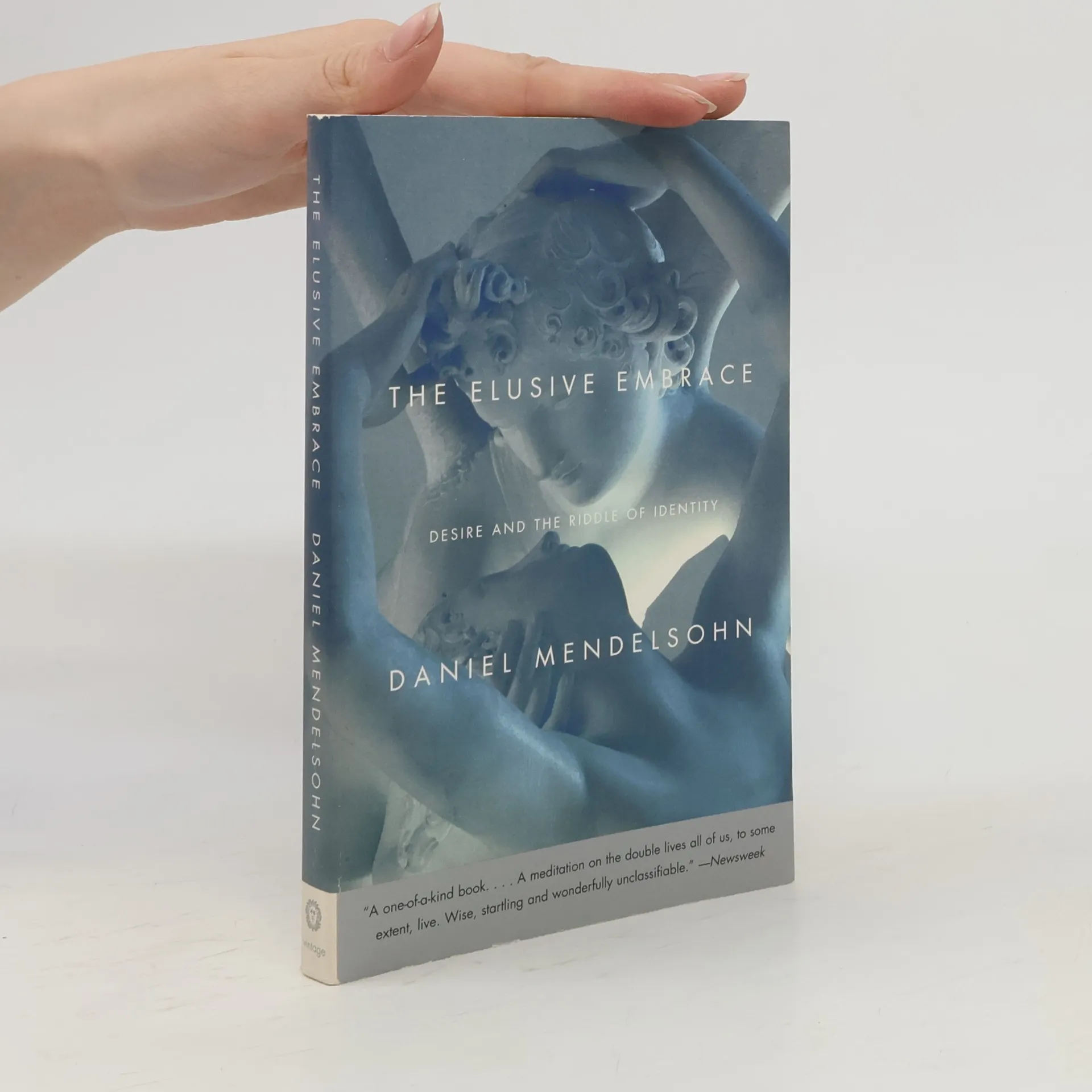
Hailed for its searing emotional insights, and for the astonishing originality with which it weaves together personal history, cultural essay, and readings of classical texts by Sophocles, Ovid, Euripides, and Sappho, The Elusive Embrace is a profound exploration of the mysteries of identity. It is also a meditation in which the author uses his own divided life to investigate the "rich conflictedness of things," the double lives all of us lead.Daniel Mendelsohn recalls the deceptively quiet suburb where he grew up, torn between his mathematician father's pursuit of scientific truth and the exquisite lies spun by his Orthodox Jewish grandfather; the streets of manhattan's newest "gay ghetto," where "desire for love" competes with "love of desire;" and the quiet moonlit house where a close friend's small son teaches him the meaning of fatherhood. And, finally, in a neglected Jewish cemetery, the author uncovers a family secret that reveals the universal need for storytelling, for inventing myths of the self. The book that Hilton Als calls "equal to Whitman's 'Song of Myself,'" The Elusive Embrace marks a dazzling literary debut.
The Lost
- 688 pages
- 25 hours of reading
"In this rich and riveting narrative, a writer's search for the truth behind his family's tragic past in World War II becomes a remarkably original epic—part memoir, part reportage, part mystery, and part scholarly detective work—that brilliantly explores the nature of time and memory, family and history. The Lost begins as the story of a boy who grew up in a family haunted by the disappearance of six relatives during the Holocaust—an unmentionable subject that gripped his imagination from earliest childhood. Decades later, spurred by the discovery of a cache of desperate letters written to his grandfather in 1939 and tantalized by fragmentary tales of a terrible betrayal, Daniel Mendelsohn sets out to find the remaining eyewitnesses to his relatives' fates. That quest eventually takes him to a dozen countries on four continents and forces him to confront the wrenching discrepancies between the histories we live and the stories we tell. And it leads him, finally, back to the small Ukrainian town where his family's story began, and where the solution to a decades-old mystery awaits him."--from amazon.com
Three Rings
- 116 pages
- 5 hours of reading
Winner of the 2020 Prix du Meilleur Livre Etranger, this genre-defying work by best-selling memoirist and critic Daniel Mendelsohn delves into the connections between the randomness of life and the art of storytelling. Blending memoir, biography, history, and literary criticism, it intertwines the narratives of three exiled writers who turned to classical texts to craft their own masterpieces that reflect on narrative itself. Erich Auerbach, a Jewish philologist who fled Hitler's Germany, wrote his influential study of Western literature, Mimesis, in Istanbul. Francois Fenelon, a seventeenth-century French archbishop, penned a clever sequel to the Odyssey, The Adventures of Telemachus, which served as a veiled critique of the Sun King and became a bestseller for a century, leading to his exile. W. G. Sebald, a German novelist self-exiled in England, created meandering narratives that explore themes of displacement and nostalgia. Amid these tales of exile and artistic struggle, Mendelsohn recounts his own challenges in writing two books—a Holocaust family saga and a memoir about reading the Odyssey with his elderly father—both haunted by themes of oppression and wandering. As the narrative unfolds, a climactic revelation about the interconnected lives of these three figures prompts a reevaluation of the ties between narrative, history, art, and life.
Bacchae
- 128 pages
- 5 hours of reading
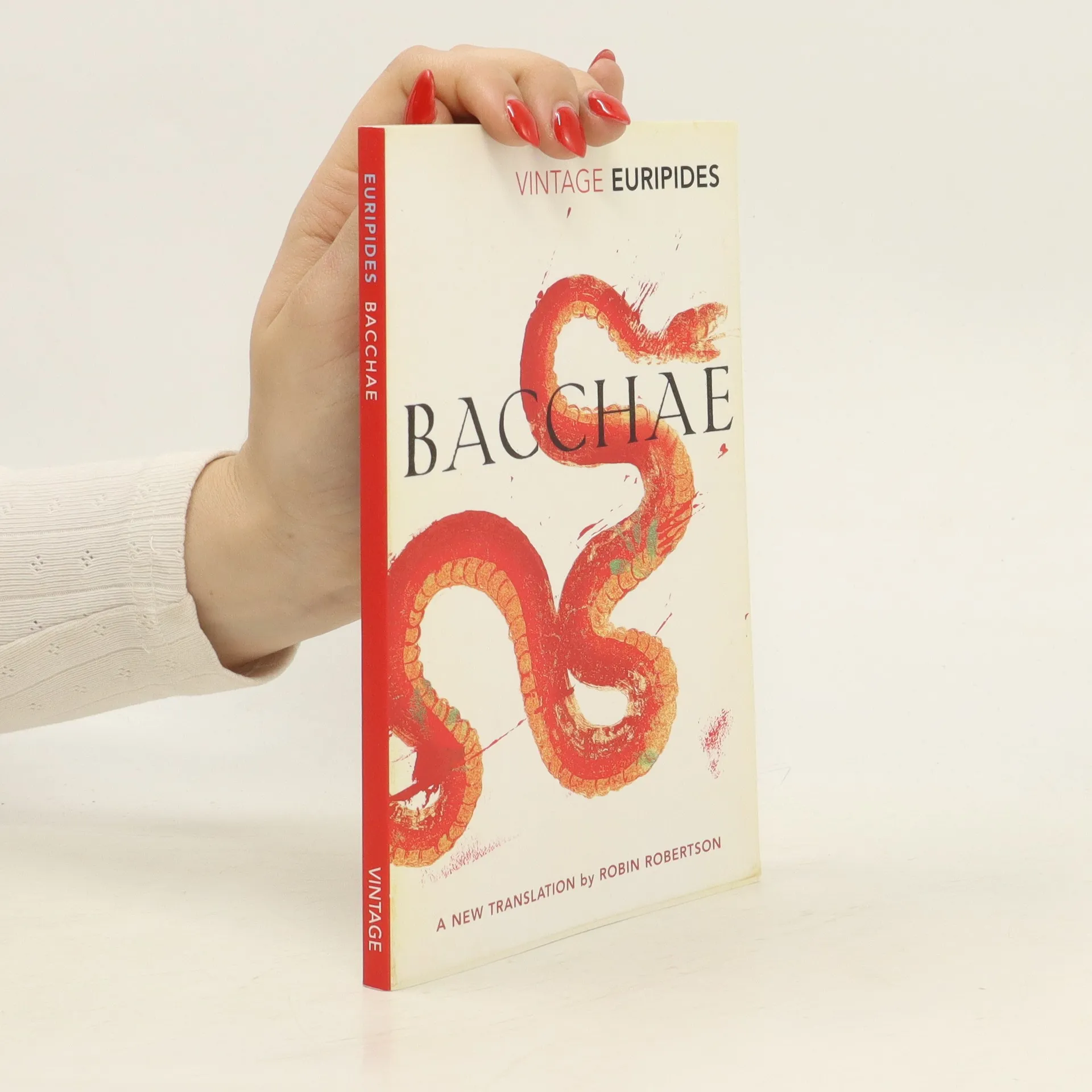
Dionysus, god of wine and ecstasy, has come to Thebes, and the women are streaming out of the city to worship him on the mountain, drinking and dancing in wild frenzy. The king, Pentheus, denouces this so-called 'god' as a charlatan. But no mortal can deny a god and no man can ever stand against Dionysus. This stunning translation, by the award-winning poet Robin Robertson, reinvigorated Euripides' devastating take of a god's revenge for contemporary readers, bringing the ancient verse to fervid, brutal life.
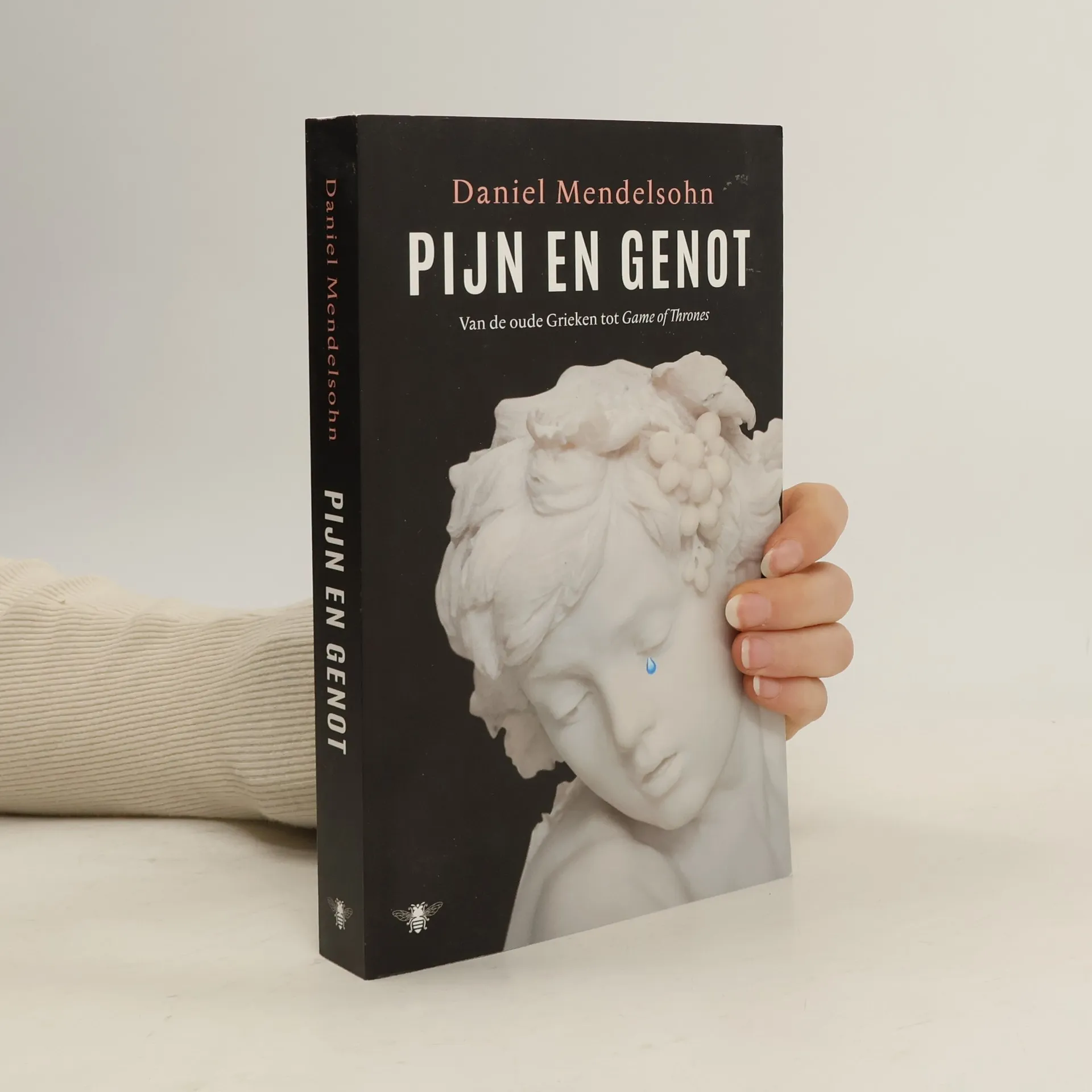
Of hij nu schrijft over de Ilias en de Odyssee of een vergelijking maakt tussen het werk van Karl Ove Knausgård en de televisieserie Suits , Daniel Mendelsohns essays over literatuur, film en televisie verrassen stuk voor stuk. In Pijn en genot laat Mendelsohn zien hoe de Grieken en Romeinen anno nu nog steeds als voorbeelden gelden. Ook schrijft hij over Hanya Yanagihara en over de vrouwen in Game of Thrones , en hij analyseert recente films over kunstmatige intelligentie - een onderwerp, zo brengt hij ons in herinnering, dat in de achtste eeuw voor Christus al Homerus' interesse wekte. Uit deze essaybundel, speciaal samengesteld voor zijn Nederlandse lezers, blijken Daniel Mendelsohns eruditie, zijn bereik als denker en de diepte van zijn analyses. Zijn essays zijn verplicht leesmateriaal voor eenieder die net als hij onze cultuur wil ontleden.
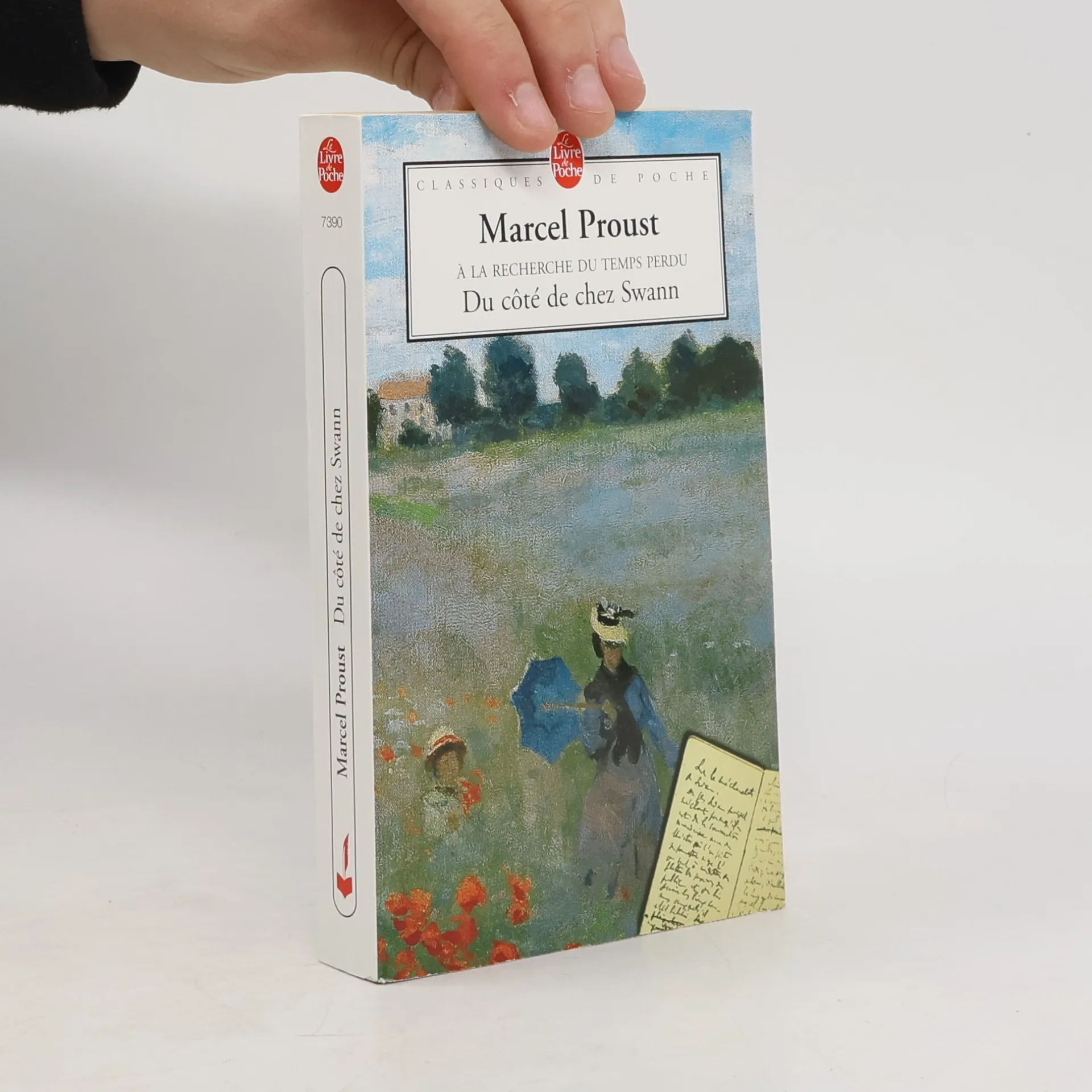
Du côté de chez Swann
- 478 pages
- 17 hours of reading
Ce livre, les plus proches des amis de Marcel Proust en parlaient depuis quelque temps avec une discrétion passionnée et les lecteurs du " Figaro " eurent ici même plus d'une fois la fortune d'en connaître des extraits. Il forme la première partie d'une trilogie, et son titre Du côté de chez Swann, orienté, libre et fécond comme un départ pour la promenade, est la si violente et lumineuse projection d'une intelligence et d'une sensibilité qu'en le lisant on entend une voix profonde et révélatrice, plus encore qu'on n'accomplit l'habituel travail visuel et spirituel de la lecture, et qu'après l'avoir refermé, et avant de la reprendre, l'écho de cette voix se prolonge, évoquant la présence de l'auteur pour ceux qui le connaissent, et, pour les autres, capables de la reconstituer.