
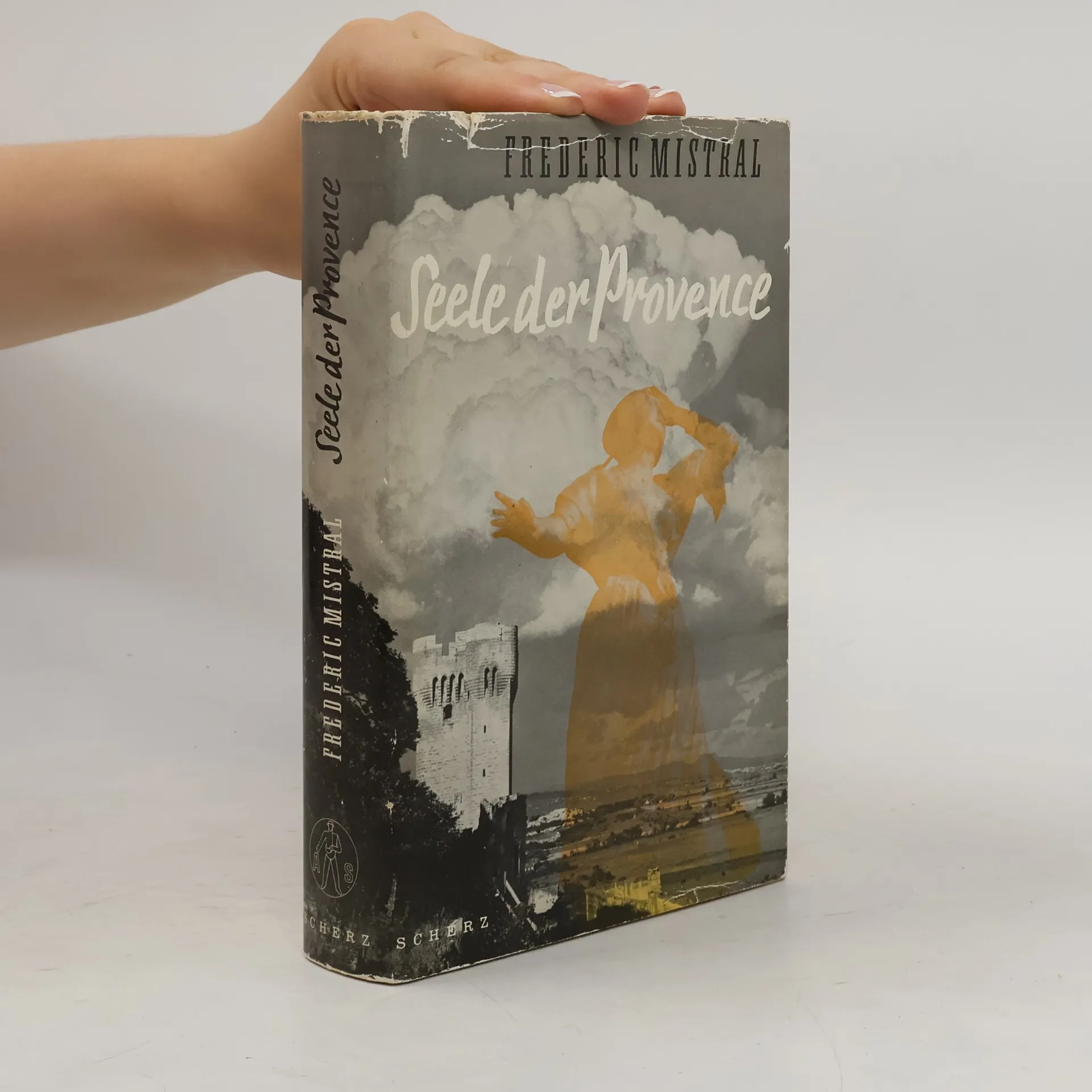

Set in the picturesque landscapes of Provence, this narrative weaves a tale of love and longing through the life of a young peasant girl named Mirèio. As she navigates the challenges of her humble upbringing and societal expectations, her heart is torn between family loyalty and her deep affection for a nobleman. The story captures the essence of rural life, rich cultural traditions, and the enduring power of love amidst adversity, highlighting themes of class struggle and the pursuit of happiness.
Frédéric Mistral Book order (chronological)
Frédéric Mistral dedicated himself to poetry in Provençal, a language he sought to elevate to literary status. His work is intrinsically tied to his native Provence, evident in its language, content, and sentiment. Provence itself stands as the true protagonist in all his poems. Fueled by a passion ignited during his studies, he founded the literary society 'Felibrige' with the aim of establishing fixed standards for Provençal. Mistral was both an epic and lyrical poet, his writings reflecting a profound connection to his region.


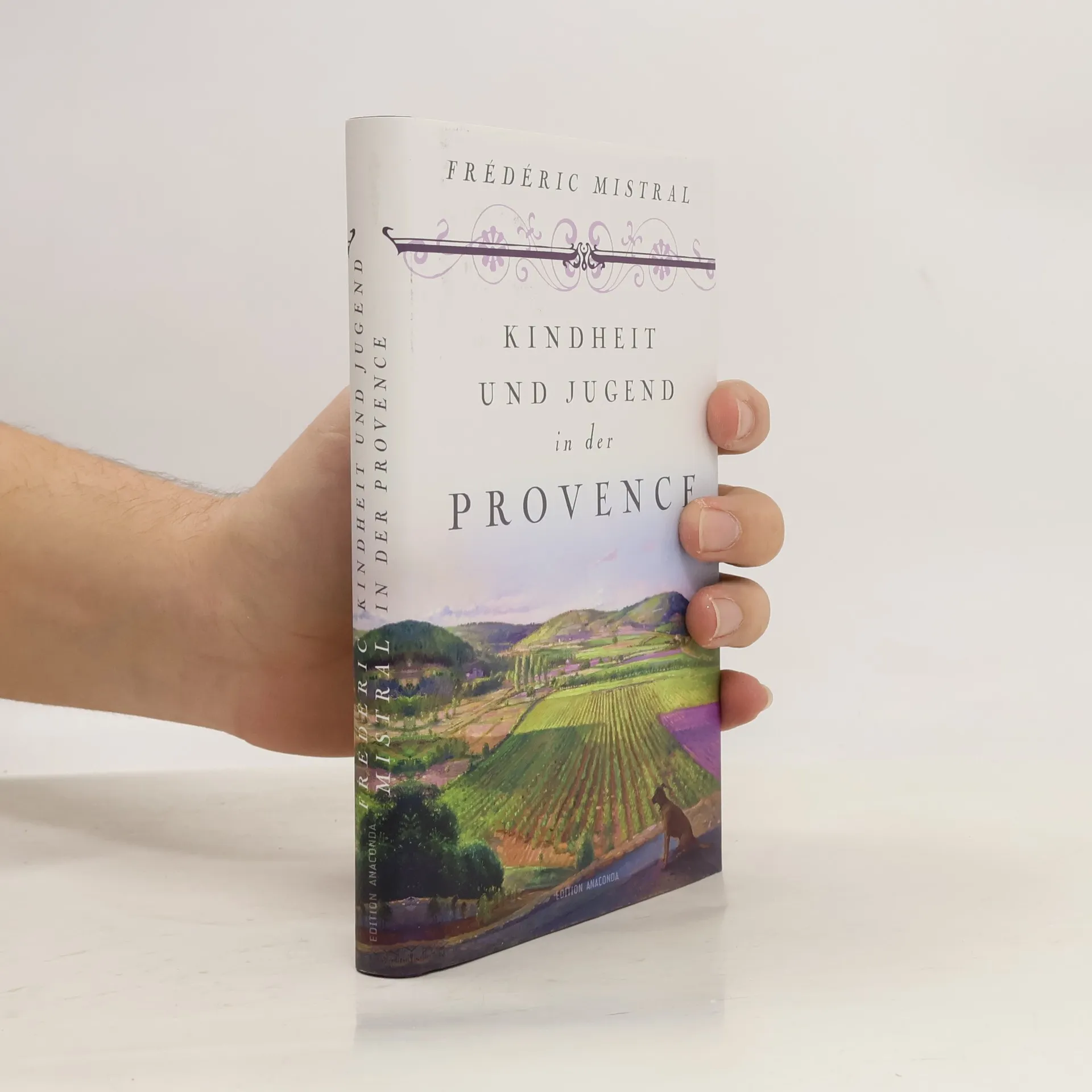
Kindheit und Jugend in der Provence
- 160 pages
- 6 hours of reading
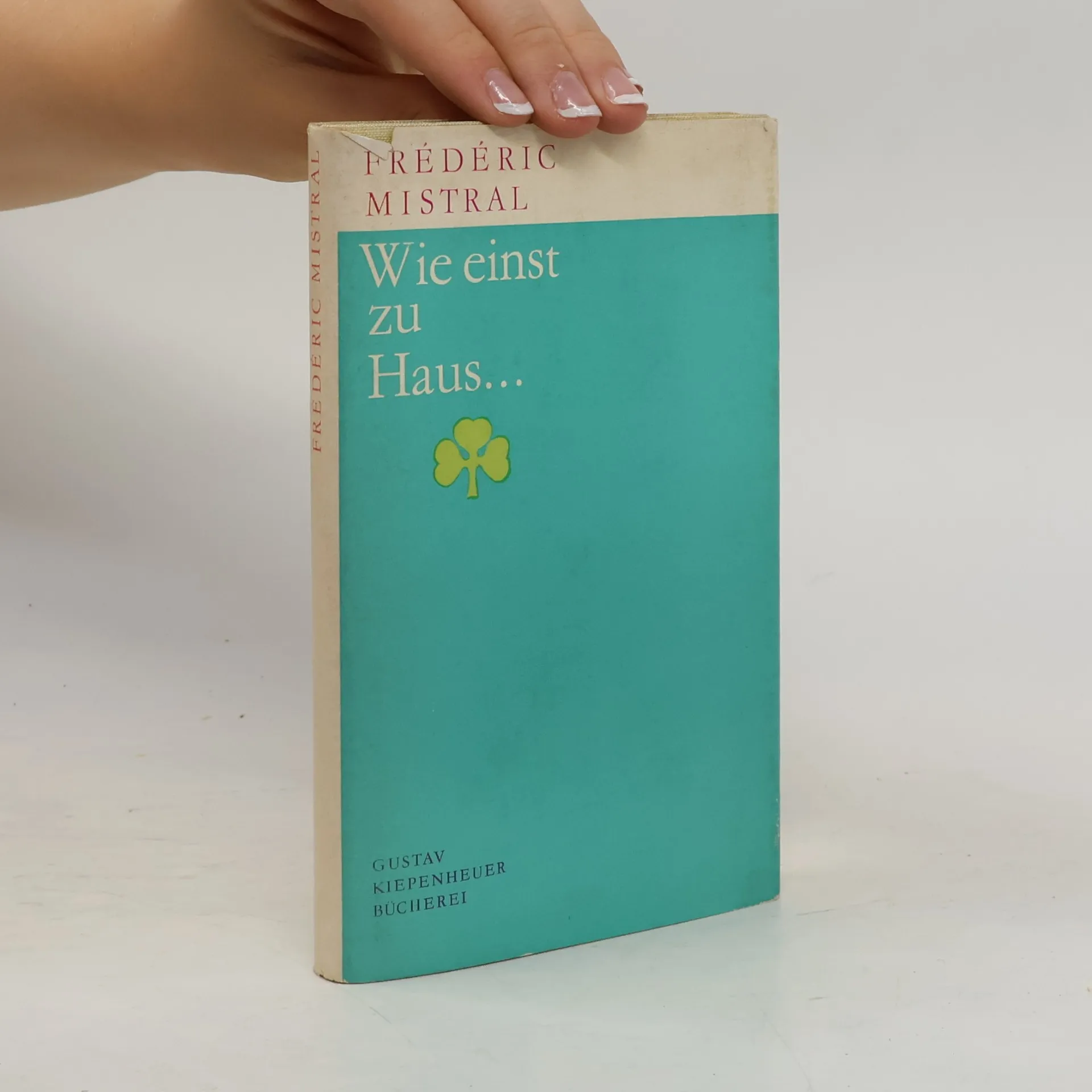
Die Provence stand für Frédéric Mistral (1830–1914) im Zentrum seines gesamten Schaffens. Mistral trat für die Eigenständigkeit der provenzalischen Sprache und Literatur ein; 1904 erhielt er den Nobelpreis für Literatur. In seinen Erinnerungen schildert er auf liebenswerte Weise seine Heimat, ihren besonderen Menschenschlag und ihre Gebräuche. Vor allem aber erinnert er sich an den Jungen, der er einst war. Der schwänzte den Unterricht, trieb sich lieber im Freien herum und lernte in der Schule der Natur. Mistral ist eine Entdeckung für alle Freunde von Frankreichs Süden.
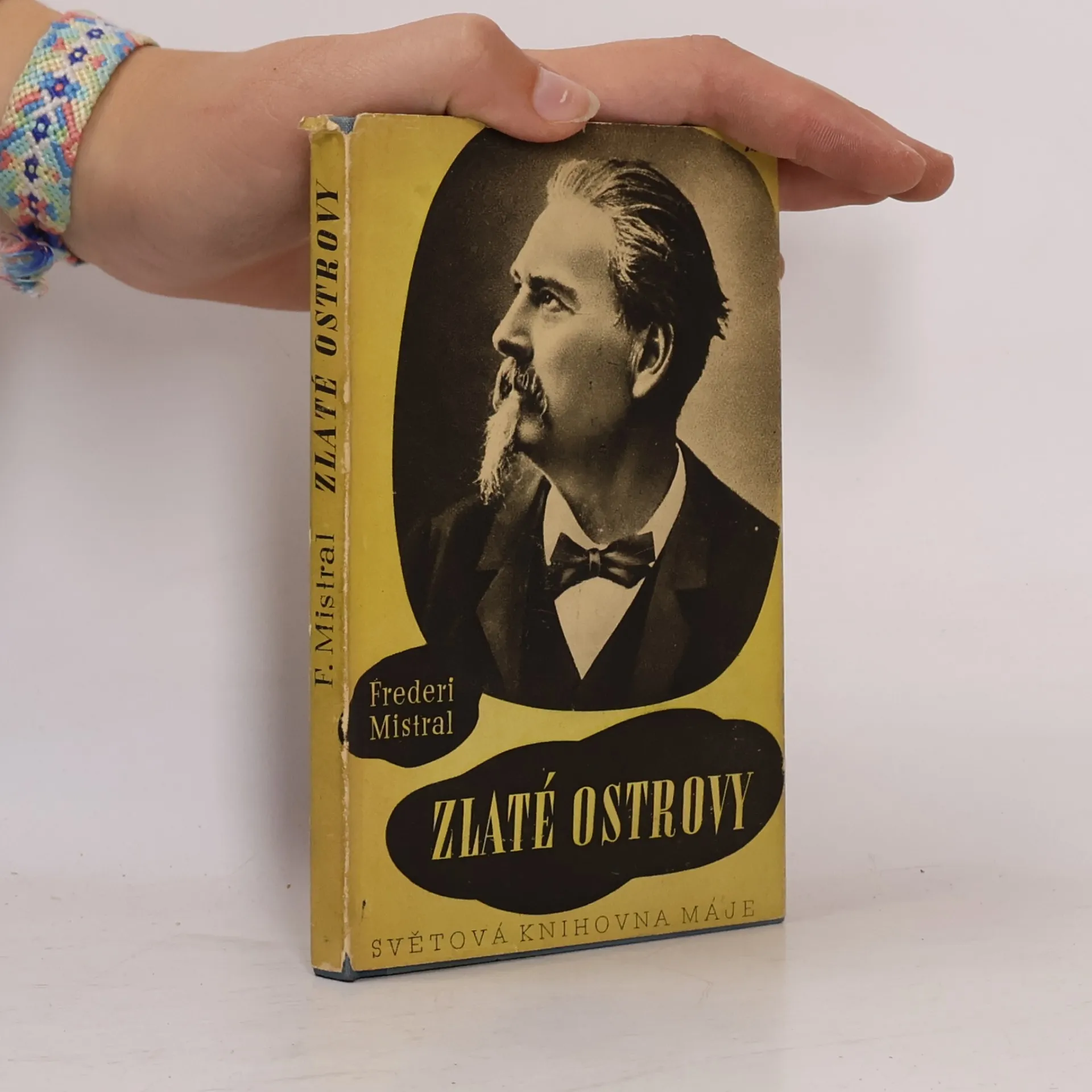
Sbírka nejkrásnějších vlasteneckých i intimních Mistralových veršů.
Mirèio
- 214 pages
- 8 hours of reading
Set against the backdrop of Provençal culture, this narrative poem explores the poignant love story of Mirèio, the daughter of a wealthy farmer, and Vincen, a humble basket weaver. Their passionate romance faces formidable obstacles, including social class disparities and parental disapproval. Written in Occitan and inspired by the Félibrige movement, the poem reflects Mistral's dedication to celebrating regional language and heritage, while vividly portraying the emotional struggles of its young lovers.