
Explore the latest books of this year!
Bookbot

Marcello Pezzetti

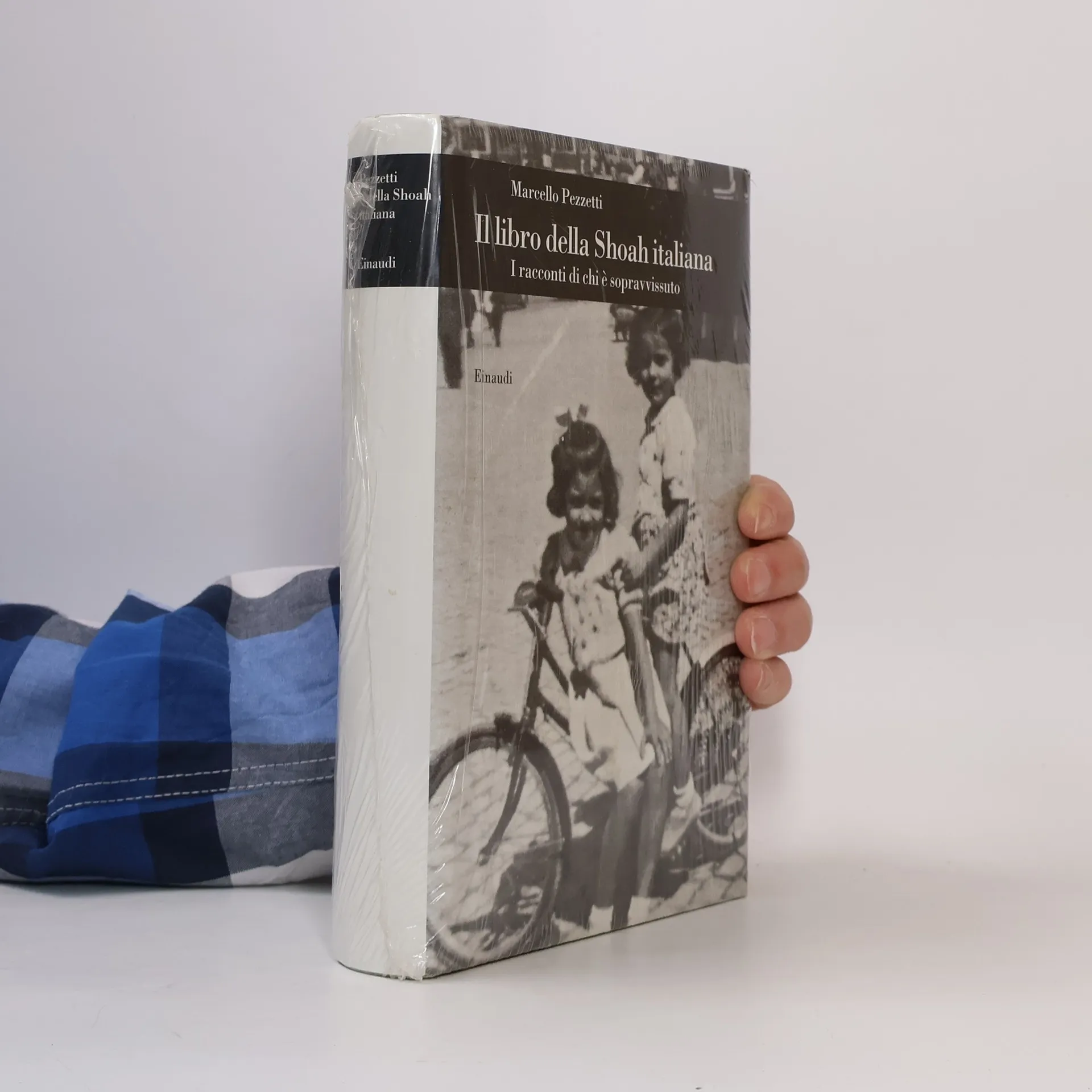
    Biblioteca di cultura storica - 264: Il libro della Shoah italiana. I racconti di chi è sopravvissuto
    Il libro della Shoah italiana
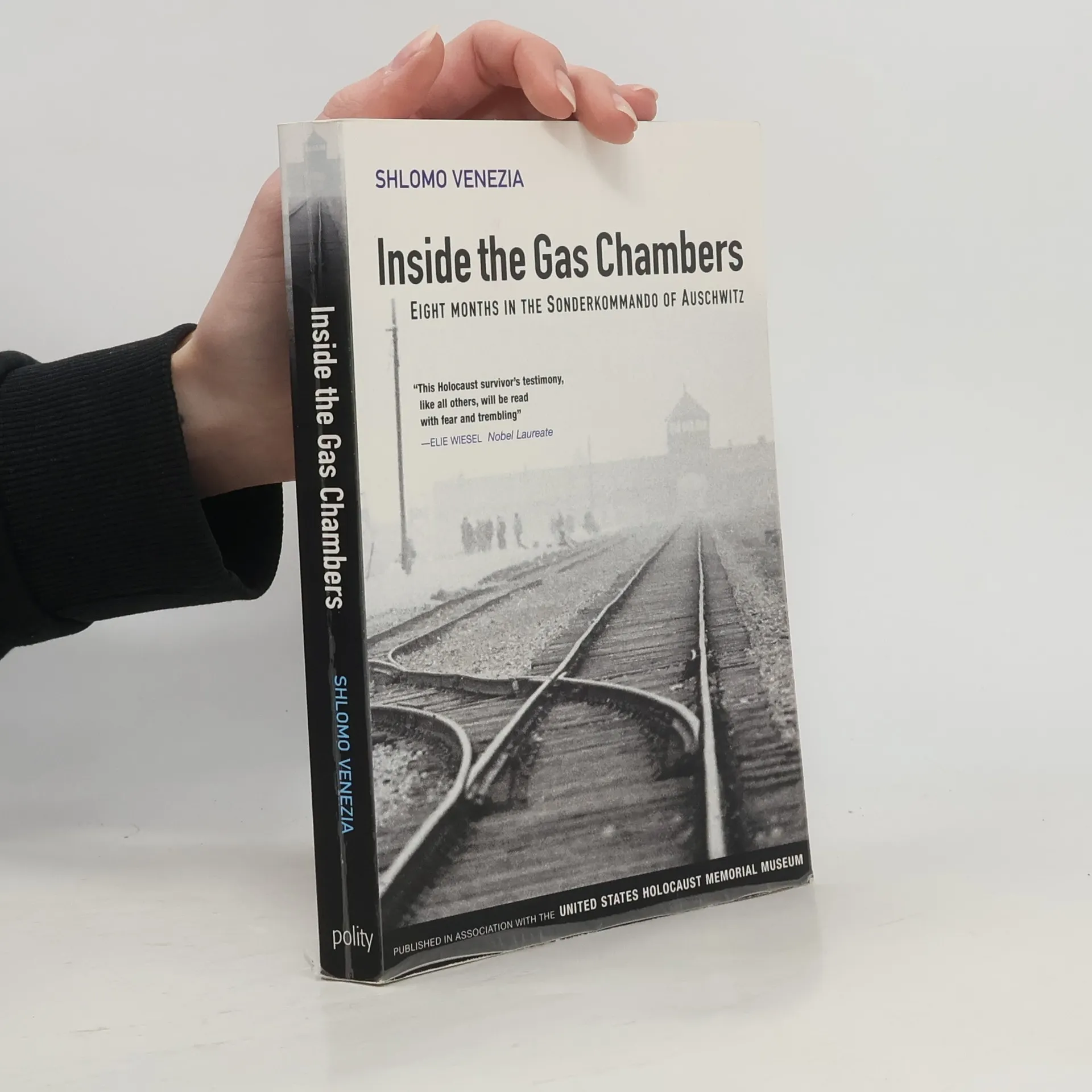
    Inside the Gas Chambers
    • Più di cento sopravvissuti raccontano la loro storia, componendo un grande racconto corale dell'ebraismo italiano. Dal mondo di prima, l'infanzia, la scuola, alle leggi antiebraiche e alla conseguente catena di umiliazioni. E poi l'occupazione tedesca, gli arresti, le detenzioni, la deportazione. Complessivamente nel 1943 venne deportato circa un quinto degli ebrei residenti sul territorio oltre 9000 persone. Nella quasi totalità dirette ad Auschwitz. Ma chi erano gli ebrei italiani? All'inizio degli anni Trenta erano circa 45 000 persone; le comunità più consistenti erano quelle di Roma (oltre 11 000), Milano, Trieste, Torino, Firenze, Venezia e Genova. Comunità, in generale, fortemente integrate nel tessuto sociale del Paese, a tal punto che dopo la liberazione solo un'esigua minoranza dei sopravvissuti scelse, a differenza degli ebrei di altre nazionalità, di vivere altrove. Un mosaico di testimonianze che ha sui lettori un effetto dirompente proprio grazie al fittissimo intreccio di ricordi, traumi, sogni, rabbia, smarrimento, sensi di colpa, e persino speranza, dopo il ritorno alla vita.

      Biblioteca di cultura storica - 264: Il libro della Shoah italiana. I racconti di chi è sopravvissuto2009
    • Inside the Gas Chambers

      Eight Months in the Sonderkommando of Auschwitz

      • 232 pages
      • 9 hours of reading

      This is a unique, eye-witness account of everyday life right at the heart of the Nazi extermination machine. Slomo Venezia was born into a poor Jewish-Italian community living in Thessaloniki, Greece. At first, the occupying Italians protected his family; but when the Germans invaded, the Venezias were deported to Auschwitz. His mother and sisters disappeared on arrival, and he learned, at first with disbelief, that they had almost certainly been gassed. Given the chance to earn a little extra bread, he agreed to become a 'Sonderkommando', without realising what this entailed. He soon found himself a member of the 'special unit' responsible for removing the corpses from the gas chambers and burning their bodies. Dispassionately, he details the grim round of daily tasks, evokes the terror inspired by the man in charge of the crematoria, 'Angel of Death' Otto Moll, and recounts the attempts made by some of the prisoners to escape, including the revolt of October 1944. It is usual to imagine that none of those who went into the gas chambers at Auschwitz ever emerged to tell their tale - but, as a member of a 'Sonderkommando', Shlomo Venezia was given this horrific privilege. He knew that, having witnessed the unspeakable, he in turn would probably be eliminated by the SS in case he ever told his tale. He survived: this is his story. Published in association with the United States Holocaust Memorial Museum.

      Inside the Gas Chambers2007
      4.8