

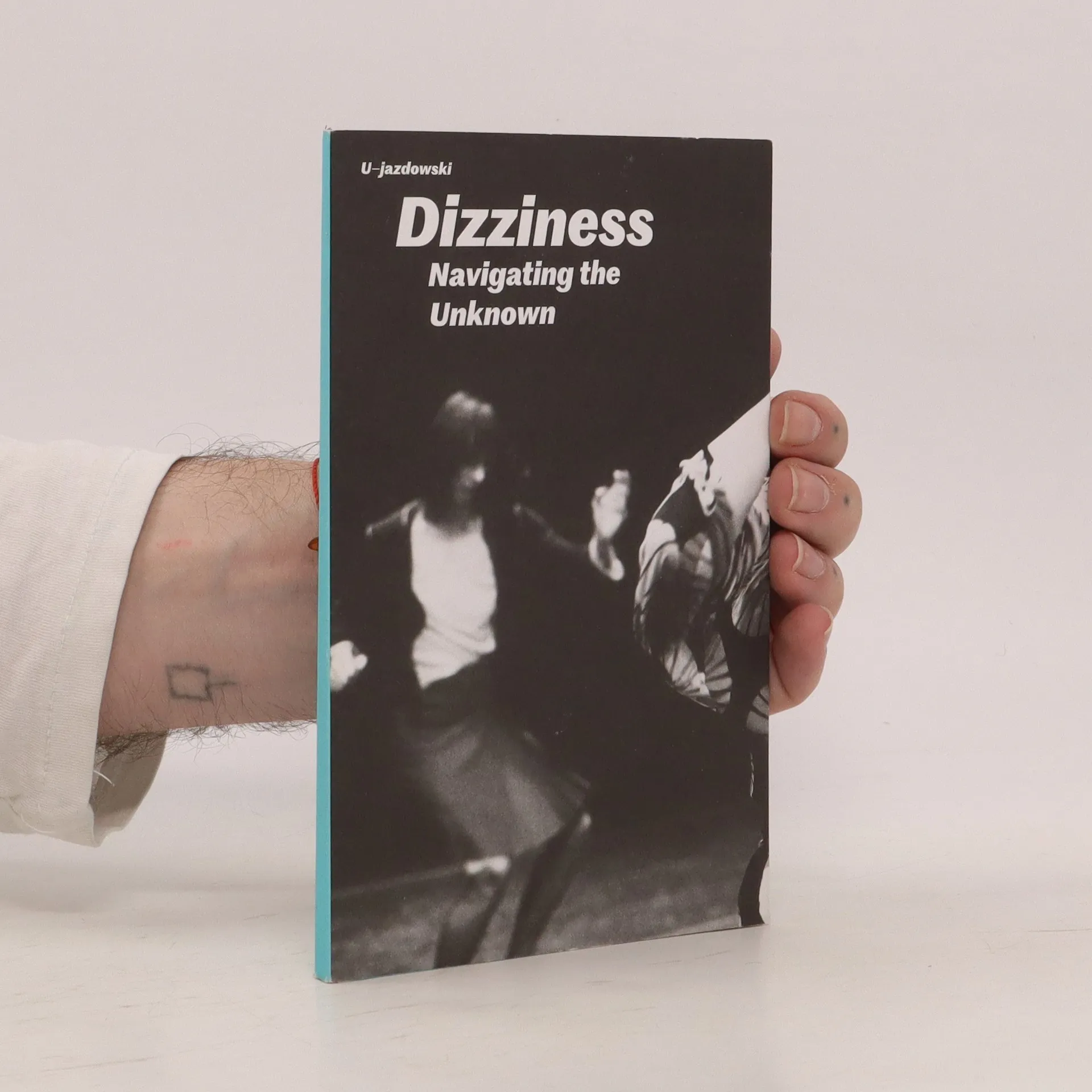
The source and accompanying book to the exhibition Dizziness. Navigating the Unknown invites visitors to take part in different approaches and perspectives around the theme of dizziness and is aimed at a wide audience. As an experiment in the diversity of voices, excerpts from the artistic research project in the form of quotes, the text Curating Dizziness by the curators and the education text Navigating the Unknown? are juxtaposed. This deliberately leads to shifts in emphasis and perspectives, so that the readers can participate in a variety of approaches. For the second station of the exhibition at the Centre for Contemporary Art in Warsaw (from September 2017), this approach will be further expanded. The artistic research project into dizziness will continue with another edition of this book together with findings from our exhibition and the accompanying symposium. A reader comprising scientific texts about the artistic research project Dizziness – A Resource by Ruth Anderwald + Leonhard Grond is planned for 2018, and will be published by the Academy of Fine Arts Vienna.
Katrin Bucher Trantow Books


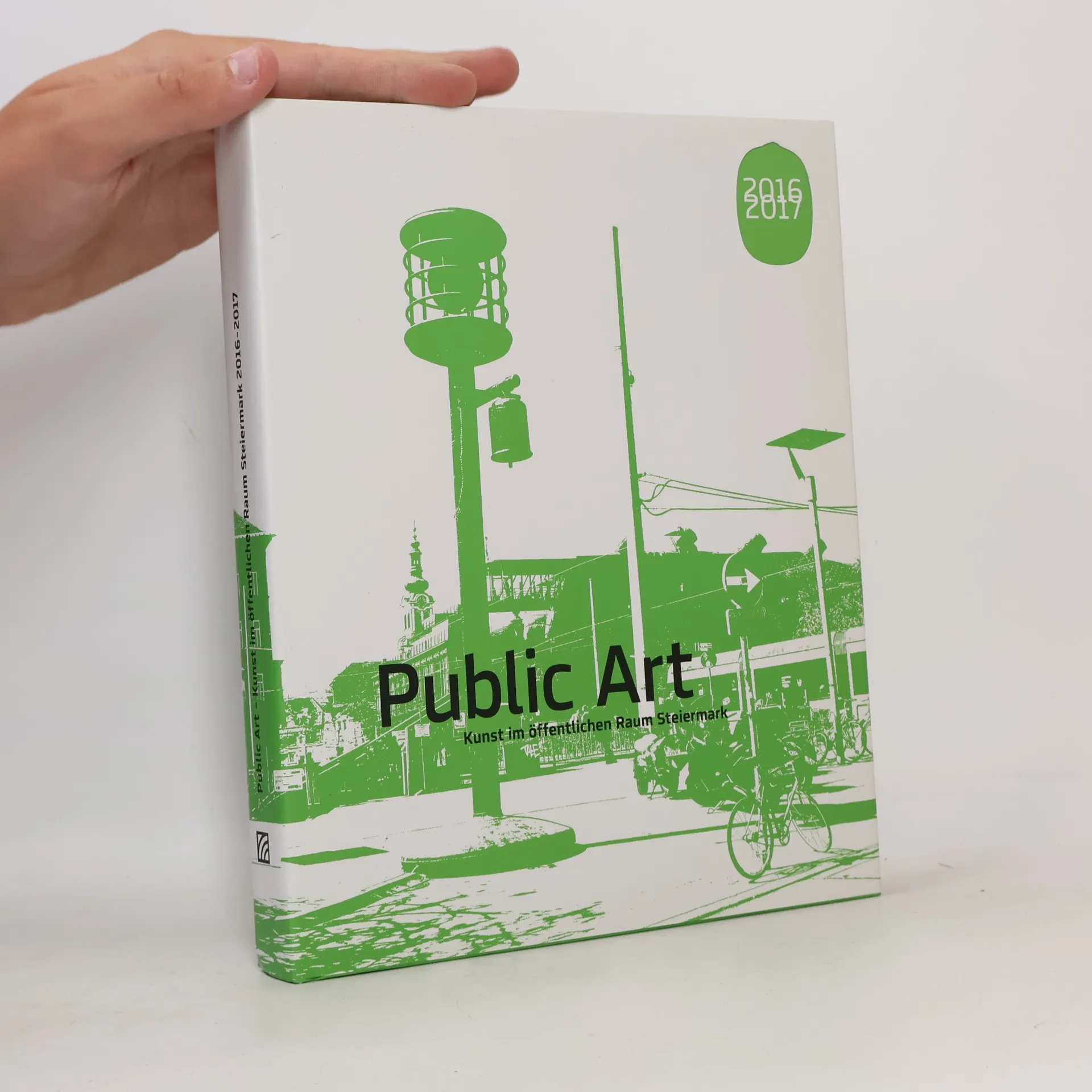
The third yearbook from Styria’s Institute for Art in the Public Space presents 26 art projects and seven initiatives for cultural education realized in 2016 and 2017. Here, international and regional artists produce public art projects inspired by the themes of light, social and political monuments and human rights.
Ingrid Wiener, Martin Roth
Von weit weg sieht man mehr / From far away you see more
- 168 pages
- 6 hours of reading
Two conceptual artists of different generations, united in their subversive multimedia installations and their post-human worldviews Spanning generations, this exhibition catalog brings together two Austrian artists with complementary conceptual approaches: Ingrid Wiener (born 1942) and Martin Roth (1977-2019). Working across tapestries, installations, film and drawing, they each share distinct visions of a post-human worldview.
Franz Vana
ARBEITEN : SCHLAFEN
Water is an essential component of human life, a strategic resource on earth and an important factor in many political conflicts. The project 100 Spectres by the artist Sarah Bildstein deals with the context of the water crisis, and reflects on the causes and effects of climate change. In collaboration with scientists from the Zukunftskolleg of the University of Konstanz, 100 water samples from all over the world were analysed in a laboratory and transformed through the use of chromatography. They appear as coagulated, but at the same time flowing spectres on paper. The variety of colours in the 100 images in this series can be traced back to a color scheme that the artist developed based on measured water values, and those obtained through the use of a pendulum. The index shows the individual origins and lists the water components and parameters for each of the 100 water samples, which informed the amount and concentration of ink used in each painting. In this process, a part always remains unpredictable and open. The individual artworks are like results that could not have been foreseen during the process of creation, much like a landscape is unknown to a traveller who is crossing it for the very first time.
Das Buch der Neuen Galerie Graz gibt einen ersten umfassenden Einblick in das Schaffen des österreichischen Bild-hauers, Zeichners und Performers Norbert Nestler (1942-2014). Sein Werk setzt sich mit Raumutopien auseinander und steht in enger Verbindung mit den Entwicklungen der Materialien und Medien seit den 1960-er Jahren. Dem Visionären räumte Nestler dabei einen besonderen Stellenwert ein. Seine dynamischen Untersuchungen des Sehens von zwei- und dreidimensionalem Raum haben das Kunstgeschehen in Graz und Österreich seit mehreren Jahrzehnten begleitet und maßgeblich mitgeformt. Die Zusammenschau von Nestlers OEuvre mit zahlreichen Werkabbildungen und Ausstellungsansichten enthält auch Texte des Künstlers, die er noch selbst für diese Retrospektive vorbereiten konnte. Weitere Beiträge stammen unter anderem von der Kuratorin Katrin Bucher Trantow, die Nestlers zeichnerischem Interesse nachgeht. Günther Holler-Schuster betrachtet den Kontext des Pneumatischen bei Nestler, während Elisabeth Fiedler den "Stadtgestalter" und Künstler für den öffentlichen Raum untersucht.
Roboterträume / Robot Dreams
- 160 pages
- 6 hours of reading
Wo Kunst geschehen kann
die frühen Jahre des CalArts = Where art might happen : the early years of CalArts
- 176 pages
- 7 hours of reading
Post Studio, initiated by artist John Baldessari in 1970 at the California Institute of the Arts (CalArts), shifted artistic production from traditional studios into everyday life. In its formative years, CalArts gained a reputation for progressive pedagogical concepts and feminist artistic practices, influencing an entire generation of artists. Key ideas such as institutional critique, image criticism, and feminism remain relevant today, marking a significant paradigm shift in the art world. The Kestner Gesellschaft in Hanover, in collaboration with Freie Universität Berlin and other international partners, conducted the first historical assessment of Post Studio through an exhibition, symposium, and extensive research. This exhibition showcased the artistic principles that shaped teaching methods and highlighted innovative practices from CalArts. It uniquely combined teaching content with works produced during this transformative period, featuring interviews with contemporary witnesses as oral history documentation. The exhibition underscored the continued relevance of Post Studio's methods, particularly in the context of digitalization, questioning how artistic detachment from location and material applies in an era where virtuality is increasingly prevalent across various fields. Exhibition: Kestner Gesellschaft, Hannover, Germany (30.09. - 10.11.2019) / Kunsthaus Graz, Austria (13.03. - 07.06.2020).
