


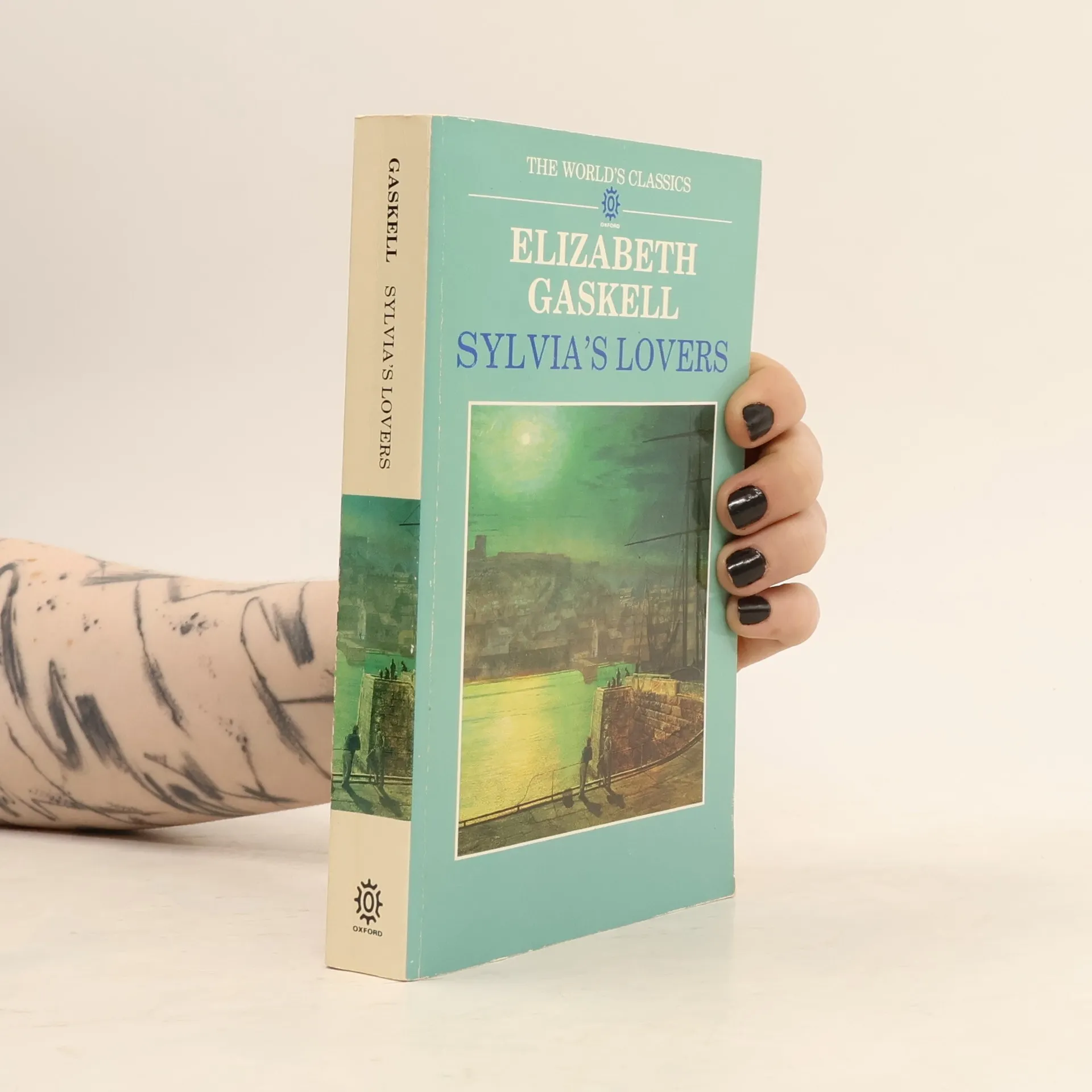
Sylvia’s Lovers
- 560 pages
- 20 hours of reading
'The saddest story I ever wrote.' Mrs Gaskell Sylvia's Lovers is set during the French Revolutionary Wars in the remote whaling-port of Monkshaven in Yorkshire. The sea dominates the lives of the inhabitants: whalers returning from their long and dangerous trips to Greenland bring crowds to the quayside, every local man has tales to recount of his exploits at sea, and smuggling is rife. The people of Monkshaven hate the French, but they live in greater and more immediate fear of the dreaded incursions of the callous press-gang, who snatch sailors returning from whaling trip before they have even spoken to their friends or families. In Mrs Gaskell's provincial England war is seen to mirror a private violence which has already disrupted the lives of her fictional characters. Sylvia is a heroine loved by two men of completely different types--the bold sailor Charley Kinraid and the cautious and conventional Philip Hepburn, who idolizes her. The novel follows her development from a wilful, imaginative, but not especially clever girl, to an alert woman who has been matured by her acute suffering. The text is that of the one-volume fourth edition, published in December 1863.