

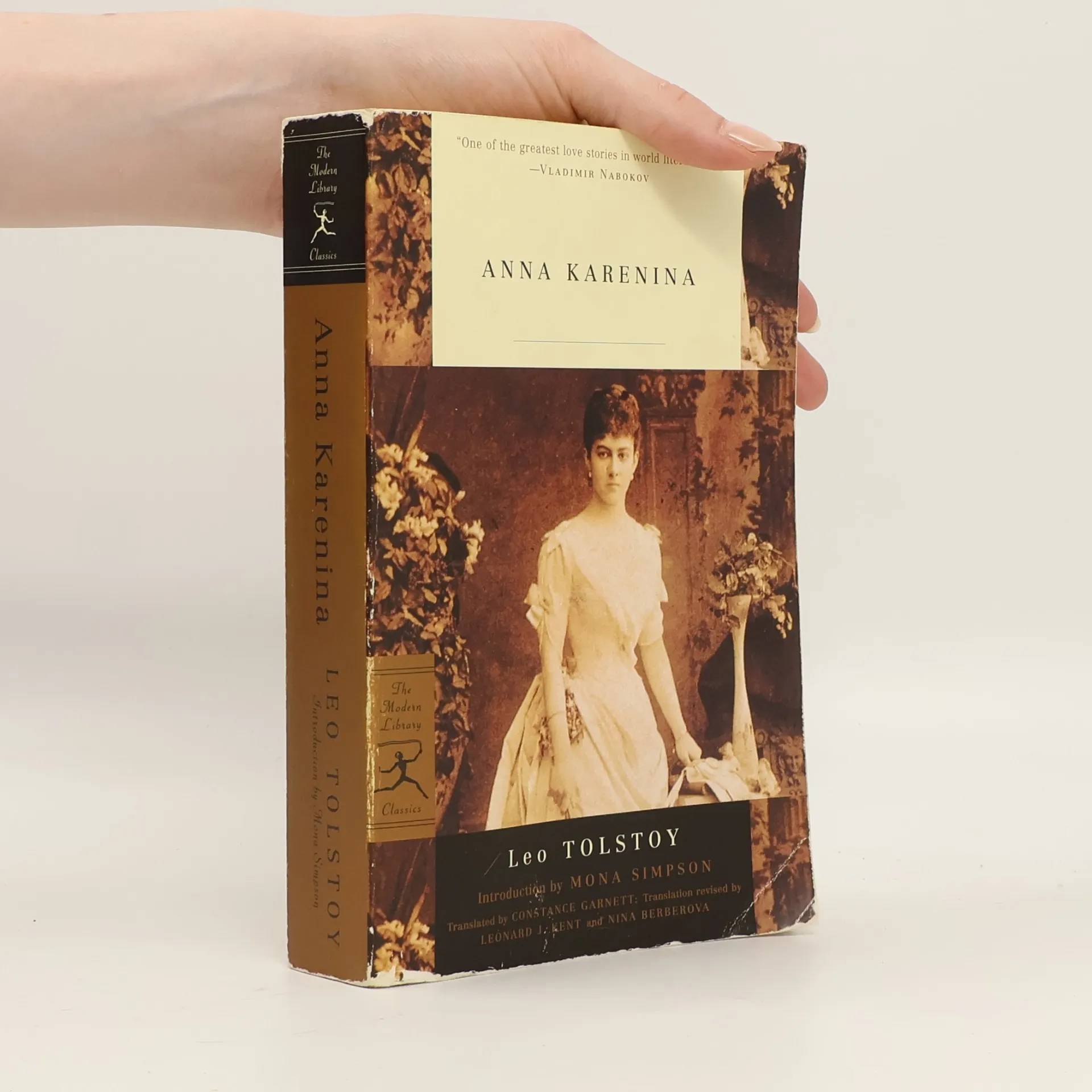

At a glittering society party in St Petersburg in 1805, conversations are dominated by the prospect of war. In this book, the author entwines grand themes - conflict and love, birth and death, free will and faith - with unforgettable scenes of nineteenth-century Russia, to create a magnificent epic of human life in its imperfection and grandeur.
Leo Wiener Book order (chronological)


Anna Karenina
- 942 pages
- 33 hours of reading
Leo Tolstoy's evocative tale of doomed love—one of the greatest novels of the nineteenth century. Anna Karenina startled the world with its powerful portrayal of the human need for love and purpose. In a story that brings to vivid life nineteenth century Russia across various social classes, Anna renounces a respectable yet stifling marriage for a passionate affair that weighs her happiness against her love for her son, her family’s status and the rigid demands of society. Her story contrasts with that of Levin, a young self-doubting agnostic who takes a different journey to fulfillment and finds faith and satisfaction in an age of repression. Considered one of the greatest novels of the nineteenth century, Anna Karenina has been called Tolstoy’s spiritual autobiography. Anna and Levin personify Tolstoy’s lifelong struggle to reconcile his physical desires and intellectual ideals in order to create a more meaningful existence. Translated by David Magarshack Includes an Introduction by Priscilla Meyer
Africa and the Discovery of America
- 314 pages
- 11 hours of reading
Exploring a pivotal historical event, this narrative reveals a tragic story that could have been avoided. It emphasizes the invaluable contributions of Africans and Indigenous Americans to global humanity. By advocating for respect and acknowledgment of these contributions, the book aims to foster a world where all individuals can coexist in peace and dignity, celebrating their diverse legacies.