Universe
- 512 pages
- 18 hours of reading
A stunning and comprehensive encyclopaedia will appeal to anyone fascinated by the night sky, from families to dedicated astronomy enthusiasts and students.


Martin Rees is an English cosmologist and astrophysicist whose work focuses on understanding the universe. His literary output delves into profound questions of existence, exploring the frontiers of our knowledge and humanity's potential futures within the cosmos. Rees's style is known for its ability to make complex scientific concepts accessible to a broad audience, while maintaining scientific rigor and a deep respect for the mysteries of the universe. His writing inspires reflection on our place in the cosmos and the infinite possibilities that lie ahead.

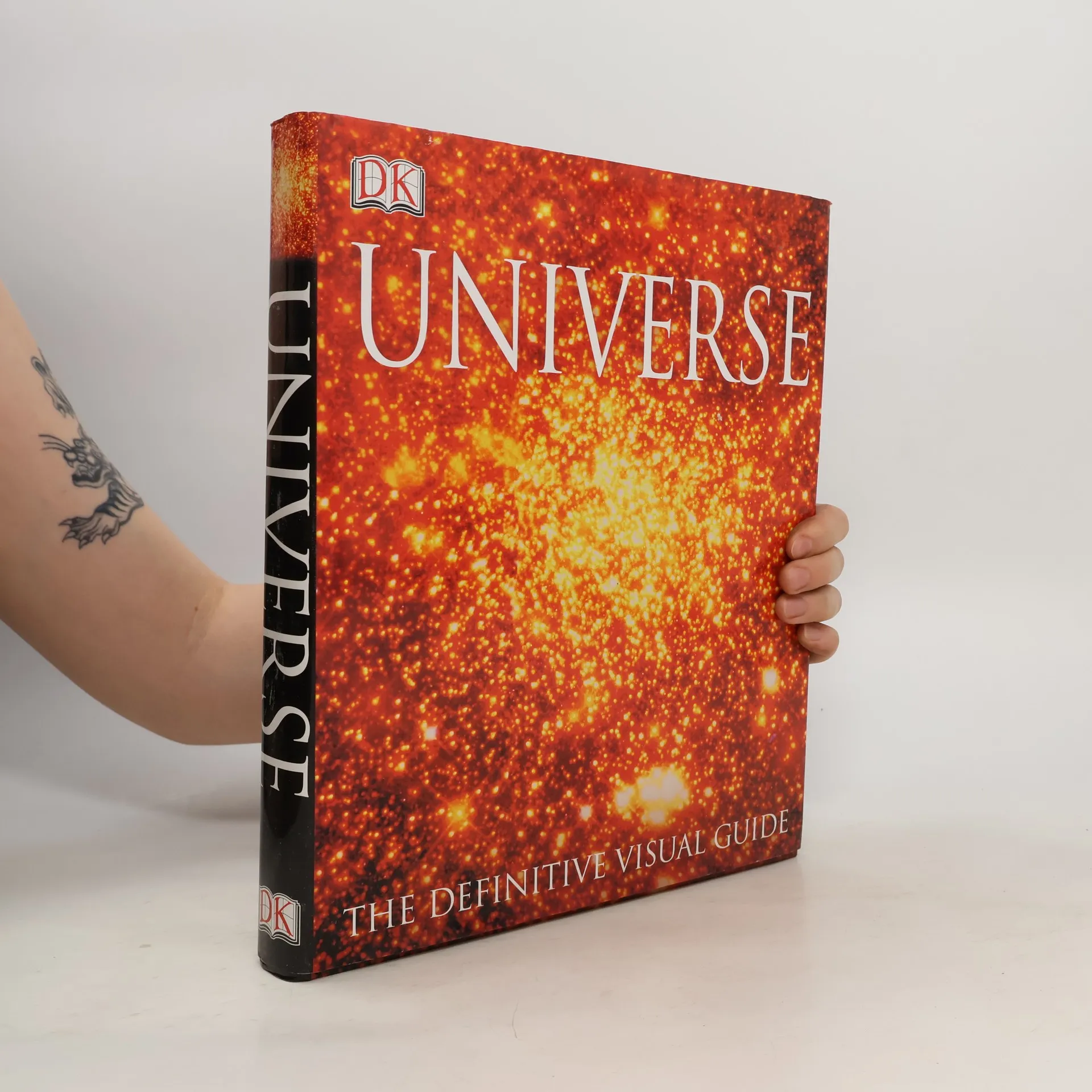
A stunning and comprehensive encyclopaedia will appeal to anyone fascinated by the night sky, from families to dedicated astronomy enthusiasts and students.
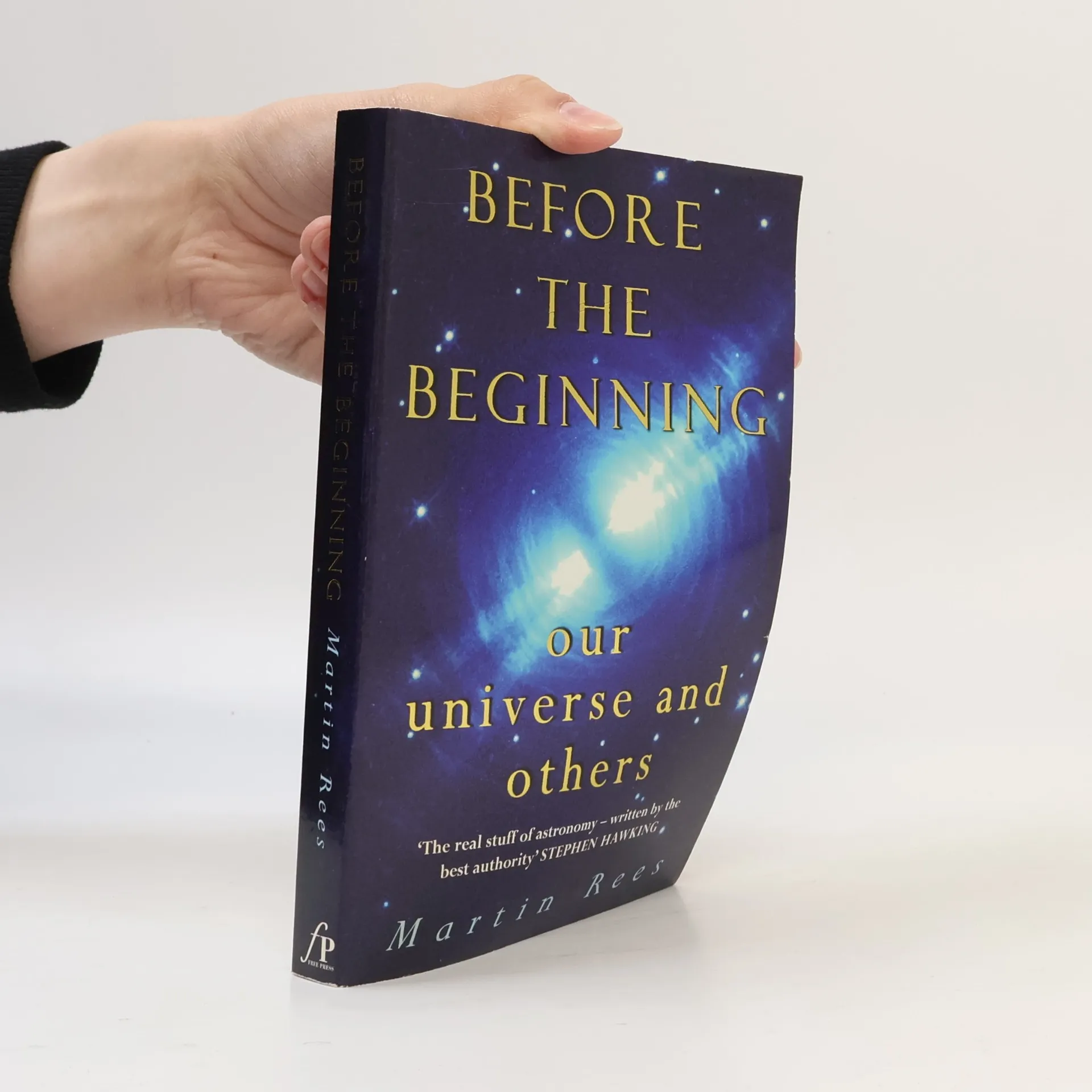
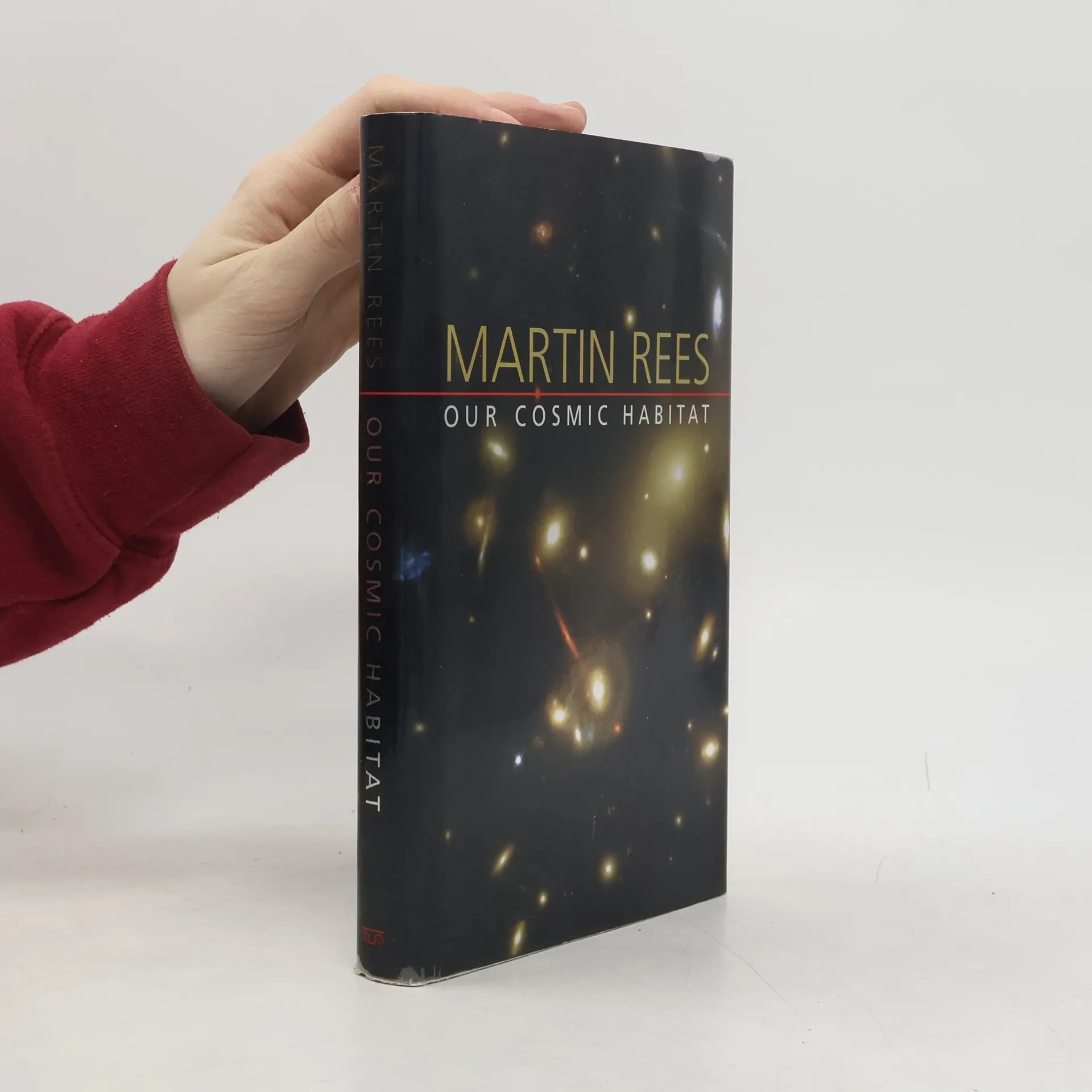
Our universe appears remarkably "biophilic," raising questions about whether this is mere chance, divine design, or coincidence. Cosmologist Martin Rees delves into this inquiry, reflecting on Einstein's question of whether God could have created the world differently. The book investigates the implications of a "yes" answer, proposing that our universe may be part of a vast "multiverse" where most other universes are devoid of life. In this view, the laws of nature are merely local regulations established post-Big Bang, suggesting our universe is a unique haven for life. Rees examines our solar system and addresses related topics, including the likelihood of life and the credibility of the Big Bang theory. He contemplates the long-term future of the cosmos and traces its origins back to a singularity. He grapples with the paradox of a universe that spans 10 billion light-years emerging from an infinitesimal point. Rees posits that we might already sense the existence of other universes, yet the multiverse concept's viability hinges on understanding the fundamental nature of space and time at scales far smaller than atoms, governed by quantum gravity. This exploration of the cosmos will captivate both scientists and general readers intrigued by the universe we inhabit.
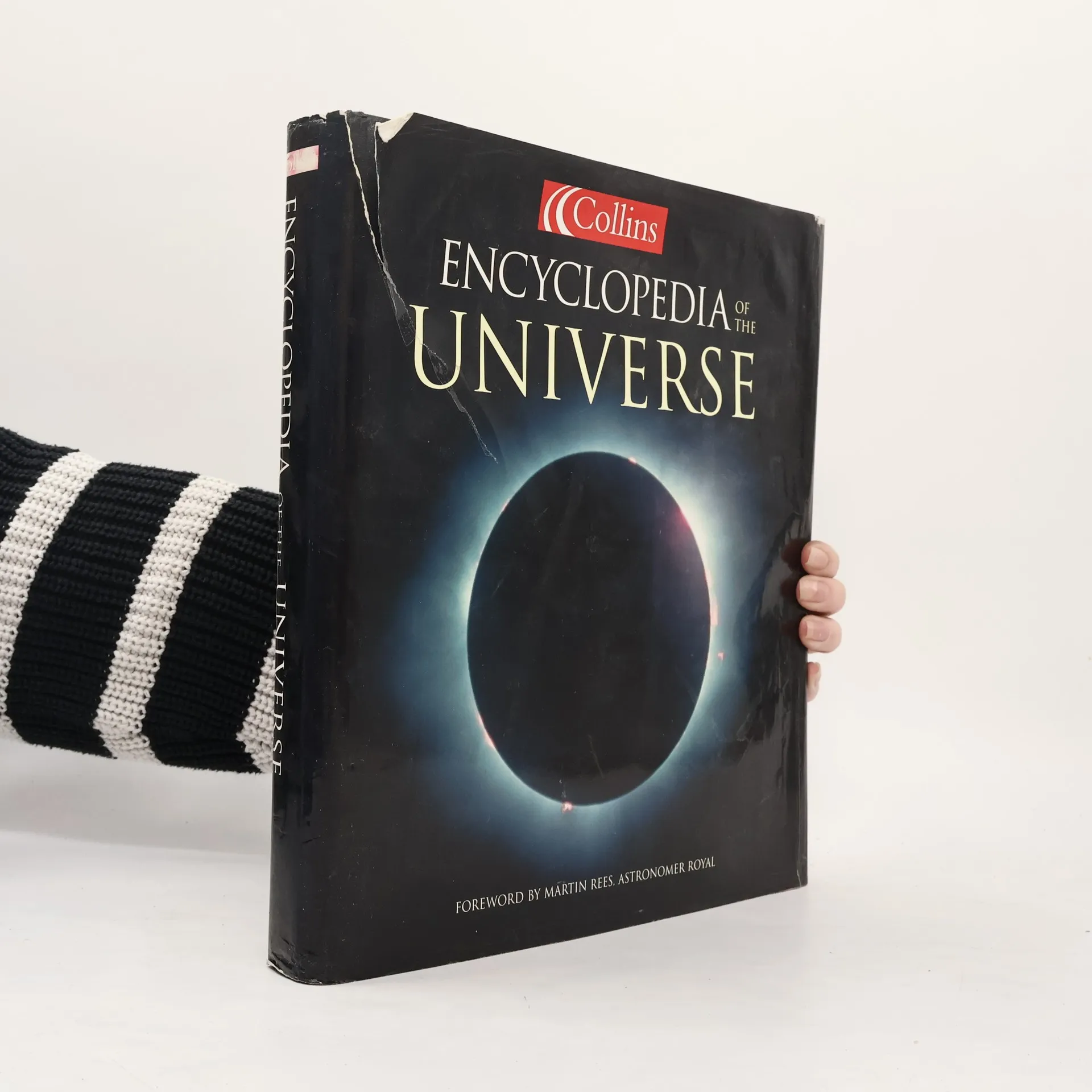
This illustrated encyclopedia sets out to explain how the Universe works and to describe every feature. It covers the discovery and explanation of the universe from the Ancient Greeks - who thought that the night literally had a thousand eyes sewn onto a mantle by the celestial nightwatchman Argos - up to the present day understanding of black holes, worm holes and the theoretical development of time machines. The book is designed to bring all the history and concepts to life providing an up to date explanation of how the universe works.
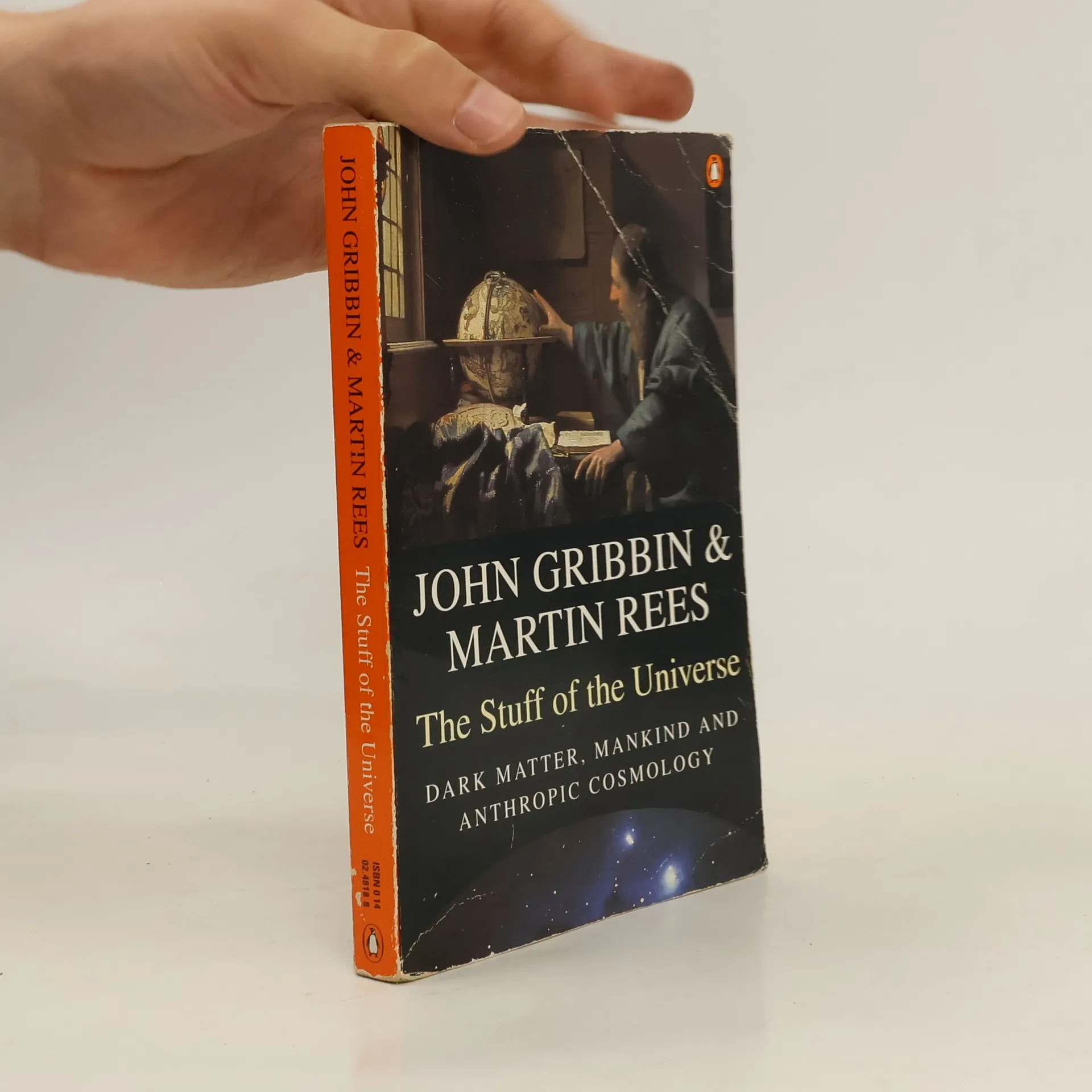
In this exploration of our relationshop with the universe, the authors search for the grand design of the universe and the meaning of the so-called coincidences that allow life to exist on our planet. They present the latest advances in understanding of the nature of dark matter, explore mini and massive black holes, brown dwarfs and novel forms of matter such as quarks and quark nuggets. They discuss the search for a unified theory of all the particles and forces of nature: cosmic strings, superstrings and the possibility of a theory of everything. The authors also speculate on the possibility of the existence of other universes and of other intelligent life in our own.
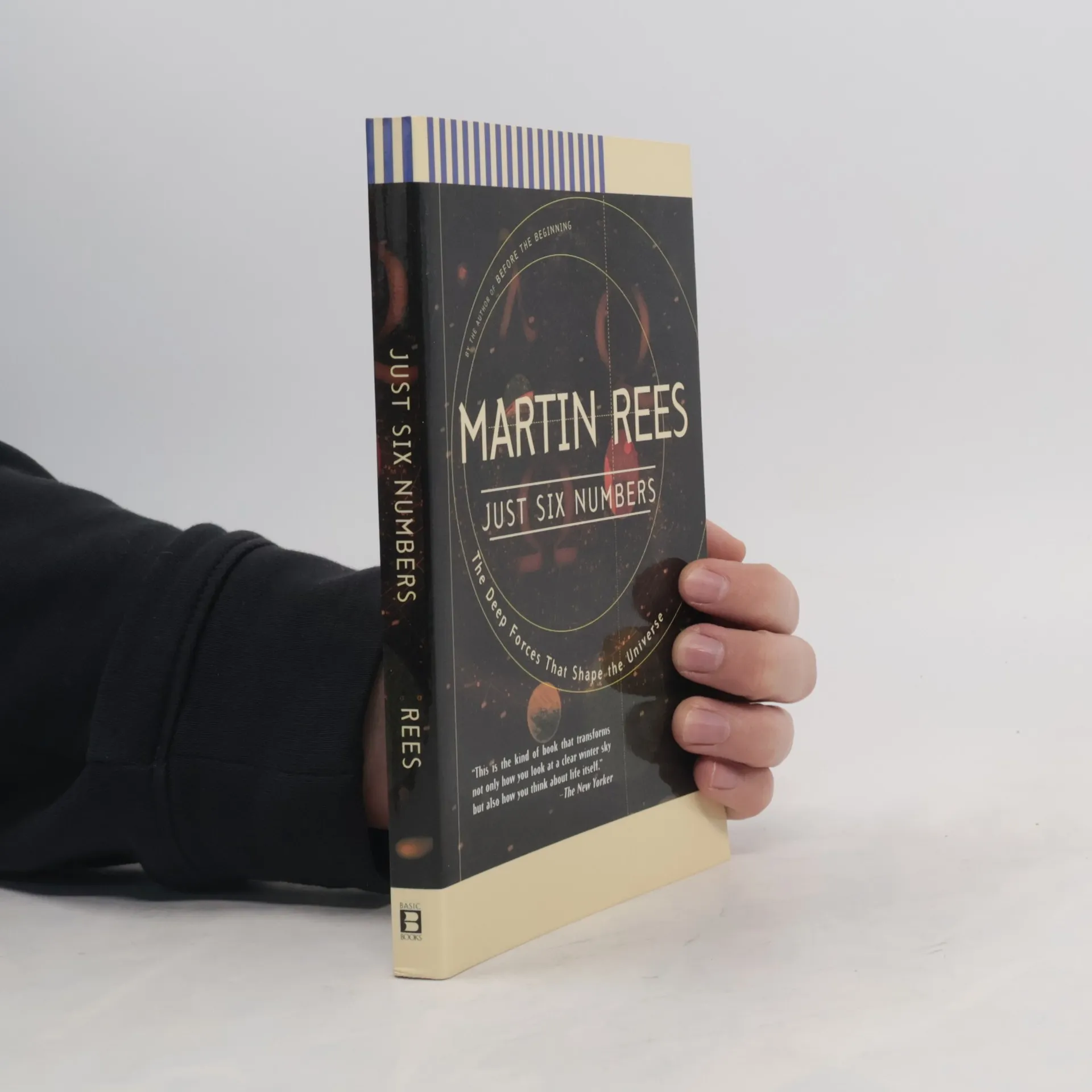
How did a single "genesis event" create billions of galaxies, black holes, stars and planets? How did atoms assemble -- here on earth, and perhaps on other worlds -- into living beings intricate enough to ponder their origins? What fundamental laws govern our universe?This book describes new discoveries and offers remarkable insights into these fundamental questions. There are deep connections between stars and atoms, between the cosmos and the microworld. Just six numbers, imprinted in the "big bang," determine the essential features of our entire physical world. Moreover, cosmic evolution is astonishingly sensitive to the values of these numbers. If any one of them were "untuned," there could be no stars and no life. This realization offers a radically new perspective on our universe, our place in it, and the nature of physical laws.
This volume presents an unique and accessible synthesis of modern cosmology. In recent years, observational cosmology has made remarkable advances, bringing into sharper focus a new set of fundamental questions that Martin Rees addresses in this book. Why is the universe expanding the way it is? What were the 'seeds' that caused galaxies, clusters and superclusters to form? What is the nature of 'dark matter'? What happened in the very early universe? The latest exciting advances and theories are discussed, while maintaining a clear distinction between aspects that now have a firm empirical basis and those that remain speculative.
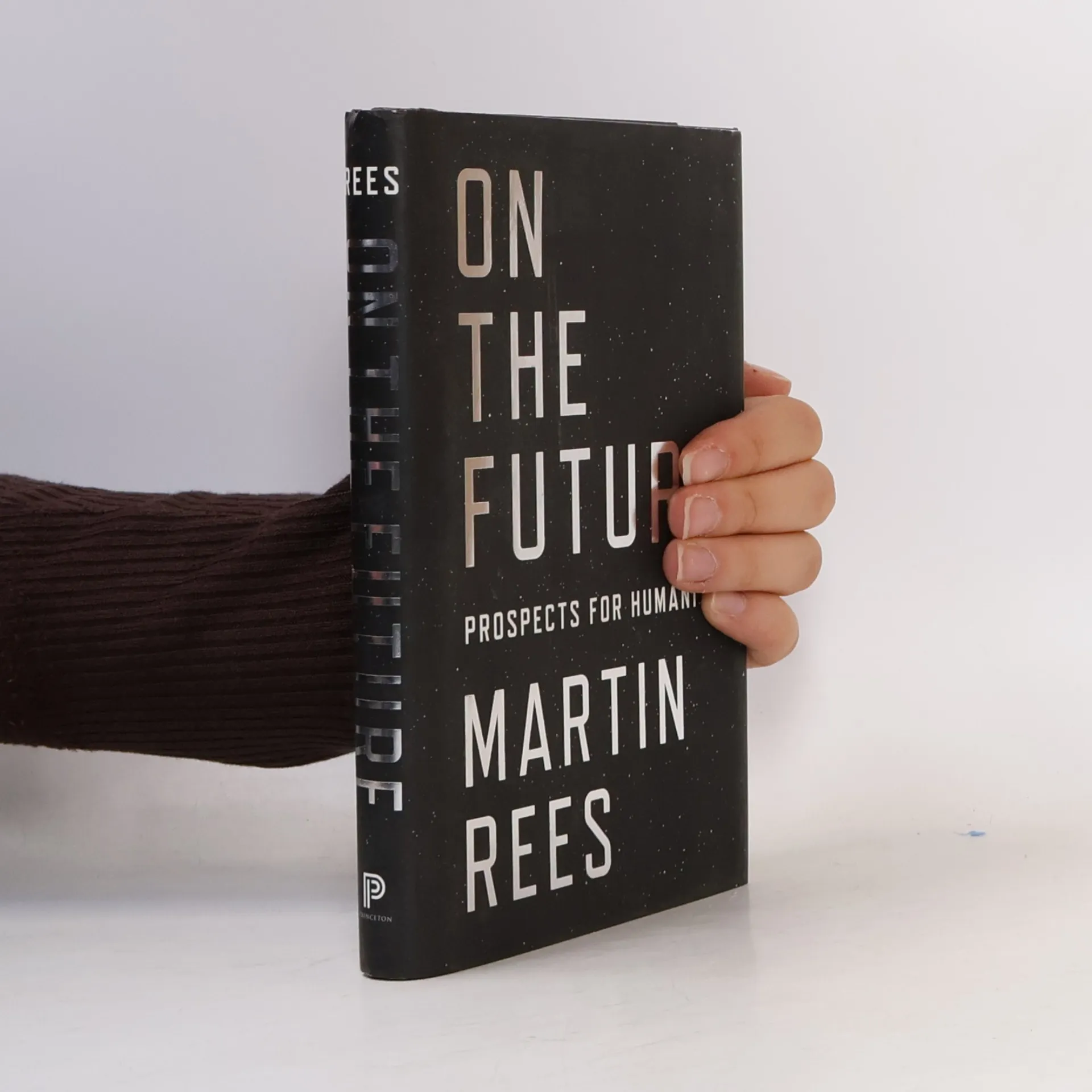
Humanity stands at a pivotal moment, facing existential risks in an unsettled and rapidly changing world. Various outcomes loom ahead, yet our current approach is marred by short-term thinking, polarizing debates, alarmist rhetoric, and pessimism. In this engaging work, renowned scientist and bestselling author Martin Rees emphasizes that our future relies on adopting a different mindset for planning. The fate of humanity is intertwined with the future of science, hinging on our ability to leverage technological advancements to tackle pressing challenges. To harness science effectively and mitigate its potential dystopian risks, we must adopt a rational, global, collective, and optimistic perspective focused on the long term. Innovations in biotechnology, cybertechnology, robotics, and artificial intelligence, if wisely pursued, can help elevate both developing and developed nations while addressing threats like climate change and nuclear war. Additionally, advancements in space science will enable exploration of the solar system and beyond using robots and AI. However, there is no "Plan B" for Earth; we must prioritize the care of our planet. Rich with insights into cutting-edge science and technology, this accessible book will engage anyone eager to grasp the critical issues shaping humanity's future on Earth and beyond.
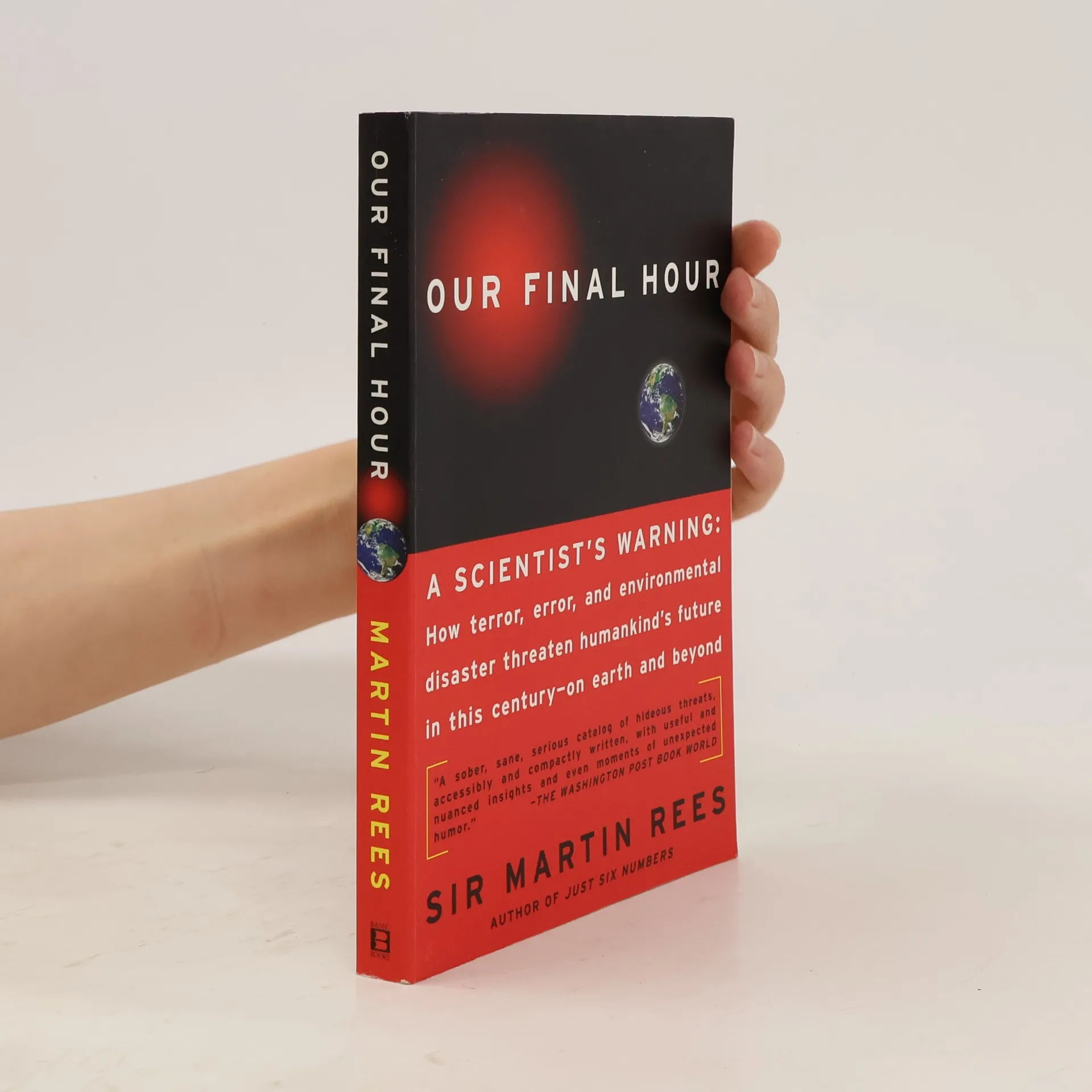
A Scientist's Warning
Bolstered by unassailable science and delivered in eloquent style, Our Final Hour's provocative argument that humanity has a mere 5050 chance of surviving the next century has struck a chord with readers, reviewers, and opinion-makers everywhere. Rees's vision of our immediate future is both a work of stunning scientific originality and a humanistic clarion call on behalf of the future of life.
nd its place within a grander scheme, one of the most creative and original of contemporary scientists draws together recent advances in astrophysics and up-to-the-minute research to cast a piercing light on man's place in the cosmos.
50 самых гениальных научных теорий, рассказанных за полминуты
Теория хаоса, унификация или теория относительности, кот Шредингера и законы движения? Несомненно, вы знаете что это такое. То есть вы, конечно, об этом слышали. Но знаете ли вы достаточно, чтобы поболтать об этом за ужином или блеснуть своей эрудицией?
Noch nie war es für die Menschheit so wichtig, der Wissenschaft zuzuhören. Ein hoch entwickeltes Wissen und eine fortschrittliche Technologie wie nie zuvor in der Geschichte sind beste Voraussetzungen, um die Zukunft unseres Planeten zu bestimmen. Doch die Entscheidungen, die wir über die Anwendung der Wissenschaft treffen, können nicht aus dem Labor kommen, sie müssen vielmehr das Ergebnis einer breiten öffentlichen Debatte sein. Die Wissenschaft muss Teil unserer Kultur werden. Wie Martin Rees in dieser fachkundigen und persönlichen Analyse zeigt, müssen wir global, rational und langfristig denken, auf der Grundlage der Technologie des 21. Jahrhunderts, aber geleitet von Werten, die von der Wissenschaft nicht vorgegeben werden können.
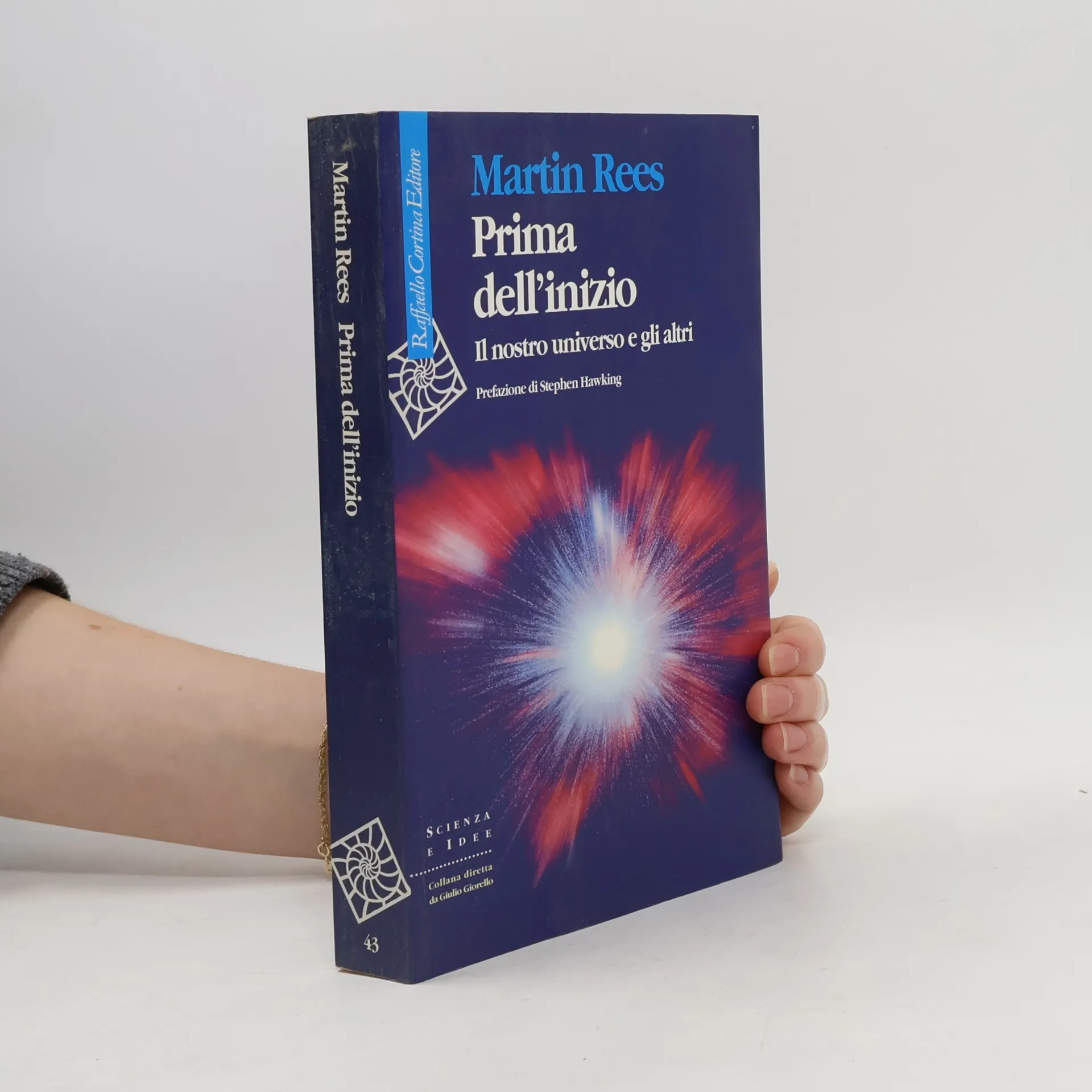
La scienza nasce dallo stupore di fronte all’insolito, all’inatteso, al bizzarro. Cosa c’è di più strano del fatto che l’universo esista, con la sua complessa architettura di galassie, stelle, sole e pianeti? Per millenni teologia e filosofia hanno cercato di spiegarci le meraviglie del cosmo. Dopo Copernico e Galileo, Newton e Einstein, la fisica ha finalmente ricostruito la storia dell’universo come l’evoluzione a partire dalla grande esplosione iniziale, il big bang. Siamo così davvero riusciti a penetrare nel mistero della creazione? Martin Rees, “autorità indiscussa nel campo dell’astronomia”, come dice di lui Stephen Hawking, ci spiega che il big bang da cui avrebbe tratto origine il nostro mondo non è altro che un evento locale in un multiuniverso di cui ci sfugge la configurazione globale. Rinasce così, sulle basi della fisica più avanzata, l’antica idea della pluralità dei mondi (e dei loro eventuali abitatori), quella stessa per la quale fu bruciato sul rogo nel 1600 il filosofo Giordano Bruno. Più la scienza avanza nella comprensione della natura, più il nostro stupore è destinato ad aumentare.
Il nostro futuro dipende sempre di più da come riusciremo a sfruttare i progressi delle scienze per affrontare le sfide ambientali e sociali che si profilano all’orizzonte. Allo stesso tempo le opportunità sono divenute il campo di paure paralizzanti, e l’umanità si è trovata a mettere in discussione un’idea di progresso pressoché millenaria, alle prese con una tecnologia che si fa biologia e un’intelligenza che diviene artificiale. Martin Rees costruisce una riflessione critica ma ottimistica, basandosi sul dialogo fra scienza e umanesimo e restituendo fiducia e lucidità allo sguardo sul futuro dell’umanità.
Die Kosmologie der Gegenwart
German
Waarom heeft het heelal precies die eigenschappen die ons bestaan mogelijk maken?
Gibt es neben unserem noch andere Universen? Wie und wann sind sie entstanden? Welche physikalischen Gesetze herrschen dort? – Die Grundfragen der Kosmologie, beantwortet von Martin Rees, einem der renommiertesten Astronomen der Welt.(Dieser Text bezieht sich auf eine frühere Ausgabe.)
Blending descriptive theoretical arguments with the latest observational results, Begelman and Rees present the evidence for black holes and their role in the Universe. This lavishly illustrated book is suitable for introductory undergraduate courses, and will also fascinate amateur astronomers and all readers interested in astronomy and physics.
Budoucnost lidstva na Zemi zásadně závisí na budoucnosti vědy a na tom, jak úspěšně k řešení svých problémů využijeme technologický pokrok. Musíme však myslet racionálně, globálně, kolektivně, optimisticky a předvídat daleko dopředu. Pokrok v biotechnologii, kybernetice, robotice a v rozvoji umělé inteligence – pokud se bude uplatňovat rozumně – nám umožní pomoci rozvojovým zemím a překonat hrozby, kterým lidstvo čelí – od klimatické změny po jadernou válku. Kniha O budoucnosti přináší v přístupné a čtivé formě fascinující vhled do nejmodernější vědy a technologie každému, kdo chce porozumět stěžejním problémům, které budou definovat budoucnost lidstva na Zemi i ve vesmíru.