Alain-Fournier's bittersweet novel of youthful ardour and longing is the story of Meaulnes and his search for his lost love. Impulsive, reckless and heroic, Meaulnes embodies the romantic ideal, our search for the unobtainable, and the mysterious world between childhood and adulthood. His beautiful heroine Yvonne is based on the real-life love of the brilliant young author, killed in the First World War after writing this, his only novel.
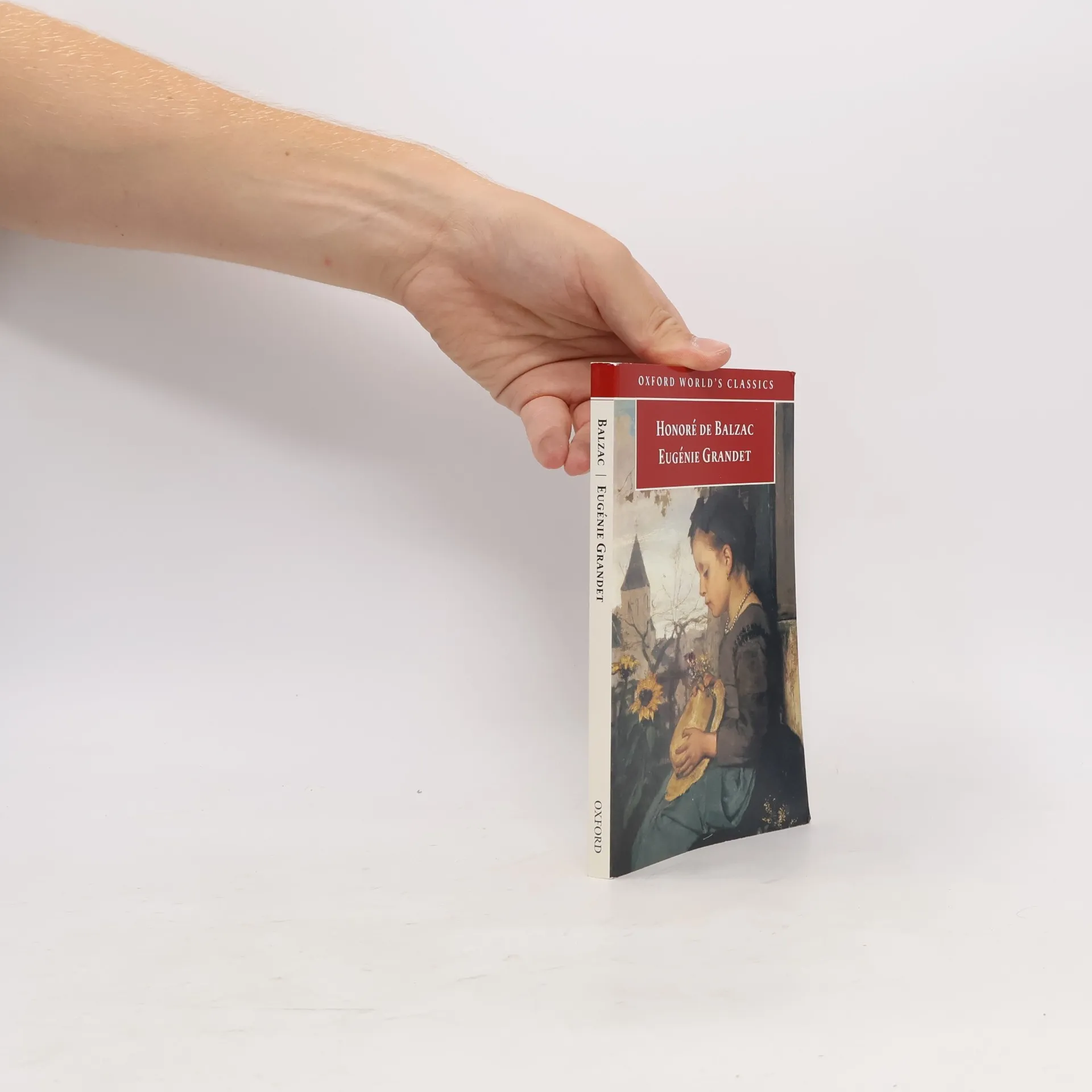
"Who is going to marry Eugenie Grandet?" This is the question that fills the minds of the inhabitants of Saumur, the setting for Eugenie Grandet (1833), one of the earliest and most famous novels in Balzac's Comedie humaine. The Grandet household, oppressed by the exacting miserliness of Grandet himself, is jerked violently out of routine by the sudden arrival of Eugenie's cousin Charles, recently orphaned and penniless. Eugenie's emotional awakening, stimulated by her love for her cousin, brings her into direct conflict with her father, whose cunning and financial success are matched against her determination to rebel. Eugenie's moving story is set against the backdrop of provincial oppression, the vicissitudes of the wine trade, and the workings of the financial system in the aftermath of the French Revolution. It is both a poignant portrayal of private life and a vigorous fictional document of its age.
This work has been selected by scholars as being culturally important, and is part of the knowledge base of civilization as we know it. This work was reproduced from the original artifact, and remains as true to the original work as possible. Therefore, you will see the original copyright references, library stamps (as most of these works have been housed in our most important libraries around the world), and other notations in the work. This work is in the public domain in the United States of America, and possibly other nations. Within the United States, you may freely copy and distribute this work, as no entity (individual or corporate) has a copyright on the body of the work. As a reproduction of a historical artifact, this work may contain missing or blurred pages, poor pictures, errant marks, etc. Scholars believe, and we concur, that this work is important enough to be preserved, reproduced, and made generally available to the public. We appreciate your support of the preservation process, and thank you for being an important part of keeping this knowledge alive and relevant.