
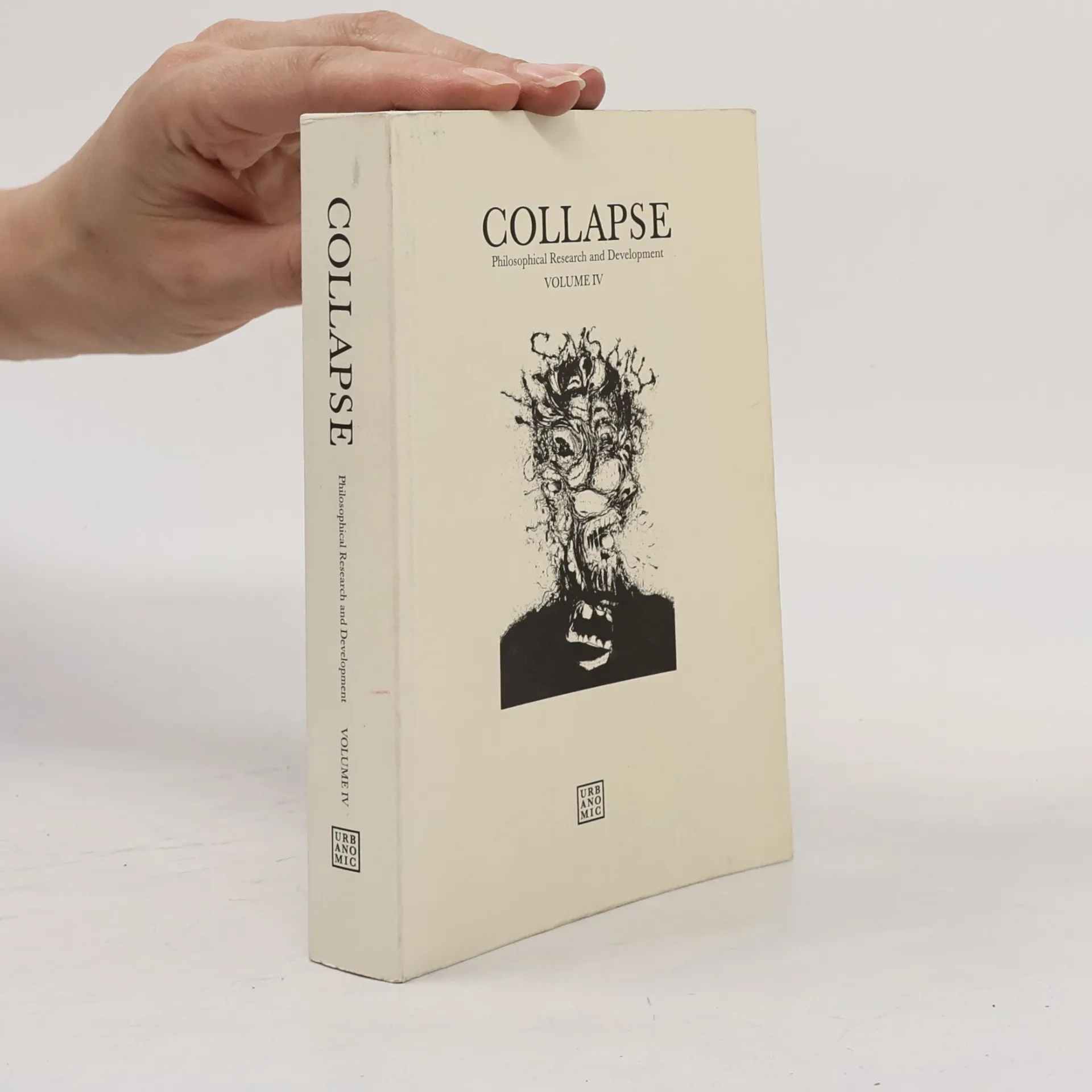

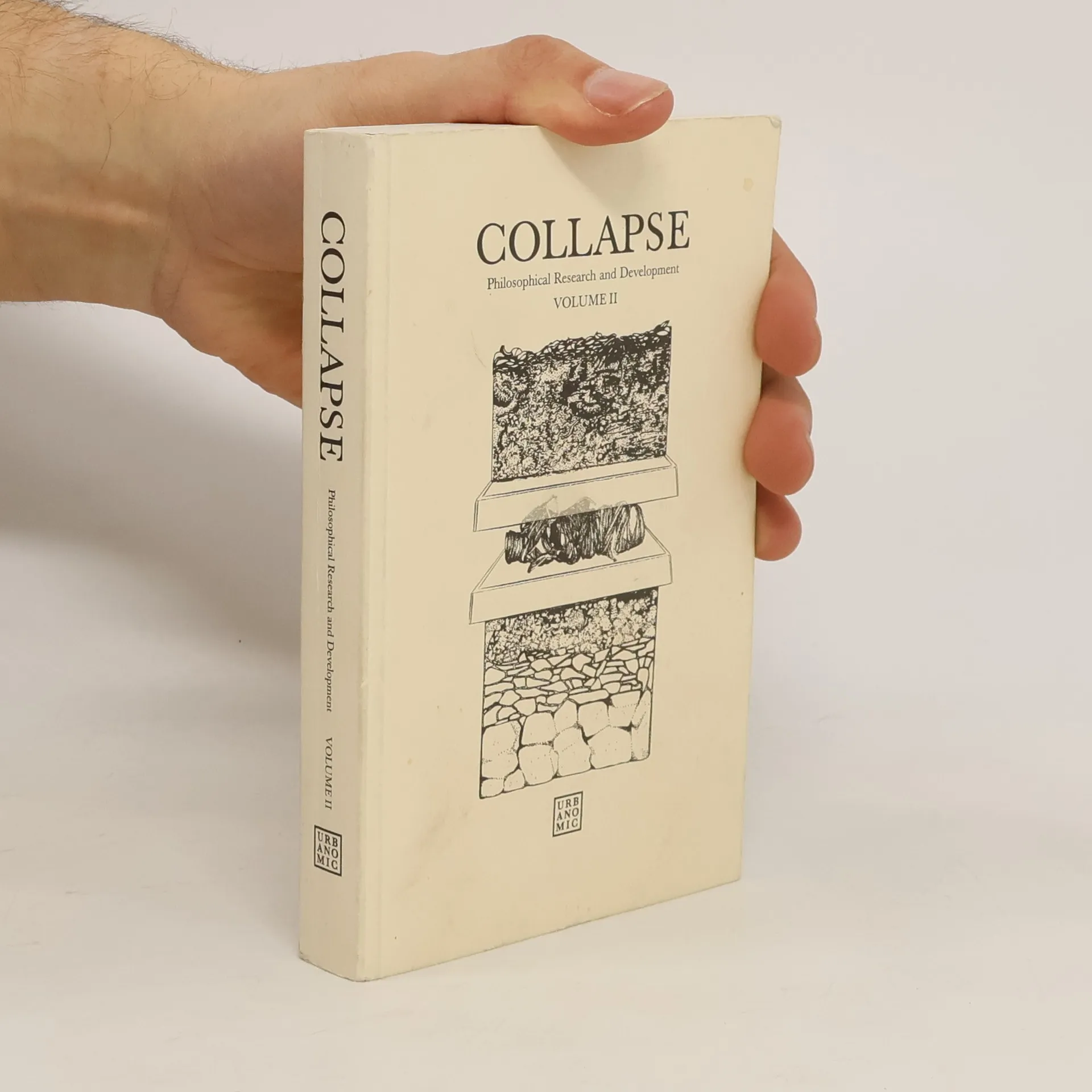
Comprising subjects from probability theory to theology, from quantum theory to neuroscience, from astrophysics to necrology, and involving them in unforeseen and productive syntheses, Collapse II features a selection of speculative essays by some of the foremost young philosophers at work today, together with new work from artists and cinéastes, and searching interviews with leading scientists.Against the tide of institutional balkanisation and specialisation, this volume testifies to a defiant reanimation of the most radical philosophical problematics - the status of the scientific object, metaphysics and its "end", the prospects for a revival of speculative realism, the possibility of phenomenology, transcendence and the divine, the nature of causation, the necessity of contingency - both through a fresh reappropriation of the philosophical tradition and through an openness to its outside. The breadth of philosophical thought in this volume is matched by the surprising and revealing thematic connections that emerge between the philosophers and scientists who have contributed.
An artist and a mathematician debate, find common ground, and jointly create an assemblage that is neither (or both) an artwork and a mathematical model. A week-long residency project brought together artist Conrad Shawcross and mathematician Matthew Watkins to reflect on the ways in which artists use (or misuse) scientific and mathematical concepts. Secrets of Creation documents this fascinating meeting of worlds, presenting both the week's discussions and debates, and the project upon which Shawcross and Watkins subsequently embarked. Navigating a route that tacked between formalism and natural language, experts and laymen, quantity and quality, poetics and mechanics, Shawcross and Watkins gradually forged a shared discourse in which the concerns of the artist and those of the mathematician could find a common ground. The project ended with their joint creation of an assemblage that was neither (or both) an artwork and a mathematical model.
The book explores the long-standing Israeli-Palestinian conflict, particularly in light of recent violent escalations. Shlomo Sand, an Israeli historian, critiques the viability of the two-state solution, arguing it has become a hollow promise amid ongoing settlement expansions and systemic inequalities faced by Palestinians. He delves into historical perspectives within Zionism that advocate for a bi-national federation, proposing that an egalitarian state where Israelis and Palestinians coexist as equals may be the only feasible path towards lasting peace.
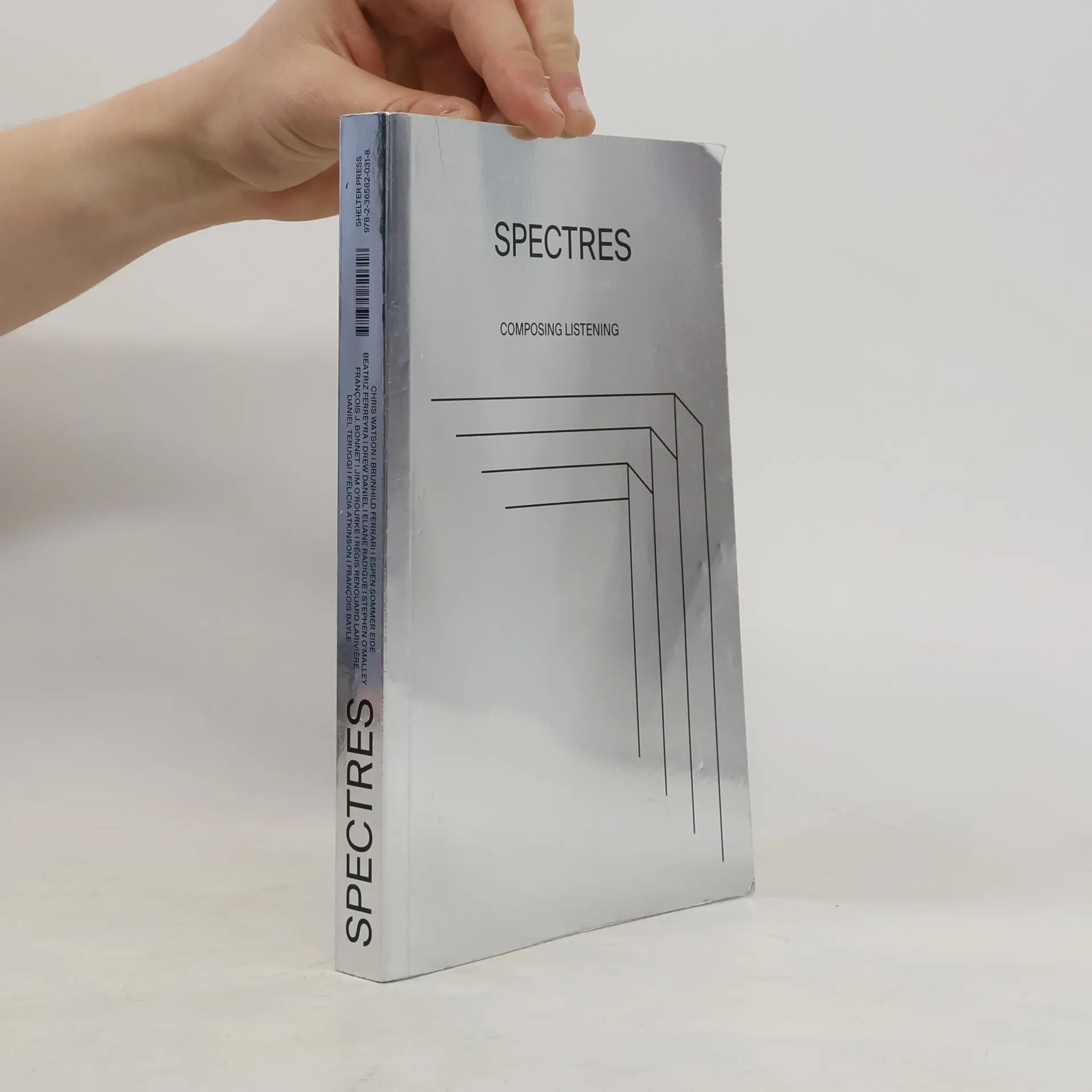
ENGLISHThis book has been conceived as both a prism and a manual. Following the “traditional” arc of electroacoustic composition (listen—record—compose—deploy—feel), each of the contributions collected together here focuses in on a personal aspect, a fragment of that thrilling territory that is sonic and musical experimentation.Although the term “experimental music” may now have be understood as referring to a genre, or even a particular style, we ought to hold on to the original use of this term, which was based more on an approach than on any particular aesthetic line to be followed. The experimental is first and foremost a spirit, the spirit of the exploration of unknown territories, a spirit of invention which sees musical composition more as a voyage into uncertain territories than as a self-assured approach working safe within the bosom of fully mapped out and recognized lands.FRANCAISLe livre qui suit a été pensé comme un prisme et un manuel. Suivant l’arc « traditionnel » de la composition électroacoustique (écouter — enregistrer — composer —déployer — ressentir), chacune des contributions regroupées ici pointe un aspect personnel, fragment de territoire passionnant qu’est celui de l’expérimentation sonore et musicale. Si le terme de musique expérimentale a pu être assimilé à un genre, voir à un style, il ne faut pour autant pas oublier l’usage initial de ce terme, qui était basé plus sur la démarche que sur la ligne esthétique adoptée.L’expérimental, en effet, est d’abord un esprit, un esprit d’exploration des territoires inouïs, un esprit d’invention qui voit dans la composition musicale plus un voyage vers des terres incertaines qu’une démarche assurée produisant dans le giron de terres balisées et reconnues.CONTENTS / SOMMAIRE1. Chris Watson Recording Enregister2. Brunhild Ferrari The Microphone’s Gaze Le regard du microphone3. Espen Sommer Eide Exercises in Non-Human Listening Exercices d’écoute non-humaine4. Beatriz Ferreyra Perceive, Feel, Hear… Percevoir, ressentir, écouter…5. Drew Daniel Towards a Heterology of Sound: on Bataille and Musique Concrète Vers une hétérologie de son : à propos de Bataille et de la musique concrète6. Eliane Radigue Time Is of No Importance Le temps n’a pas d’importance7. Stephen O’Malley Sound Matters Sons élémentaires8. François J. Bonnet Underneath Listening En deçà de l’écoute9. Jim O’Rourke Chair and Table Une chaise et une table10. Régis Renouard Larivière Acousmatic Recreations Récréations acousmatiques11. Daniel Teruggi Spaces of Mind Les espaces de l’esprit12. Félicia Atkinson On the Patio: The Voice, Doubt, Perspective and Immersion Dans le patio : la voix, le doute, la perspective et l’immersion13. François Bayle Space in Question L’espace en question