Paweł Kwiek
Photography, Film, Video


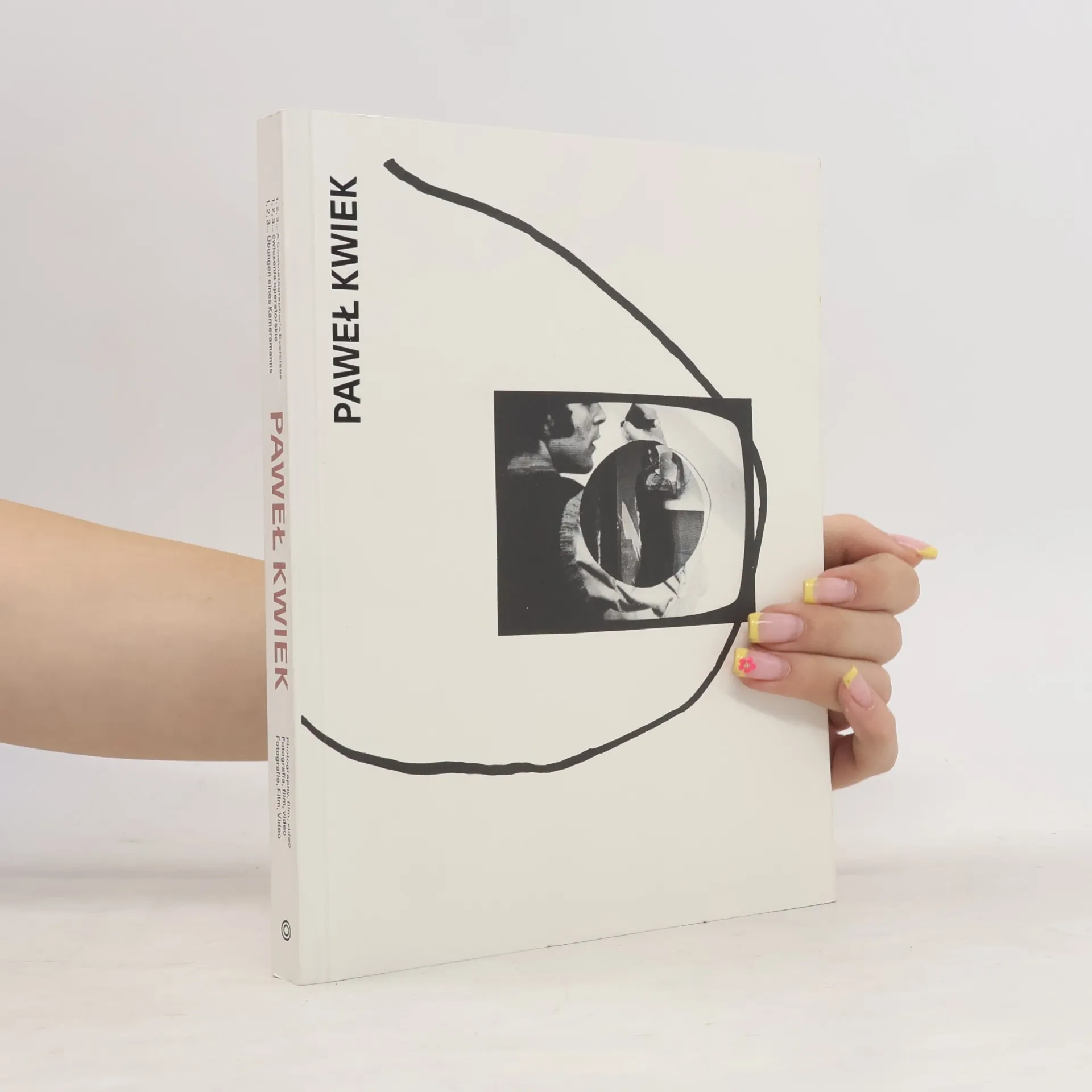

Photography, Film, Video
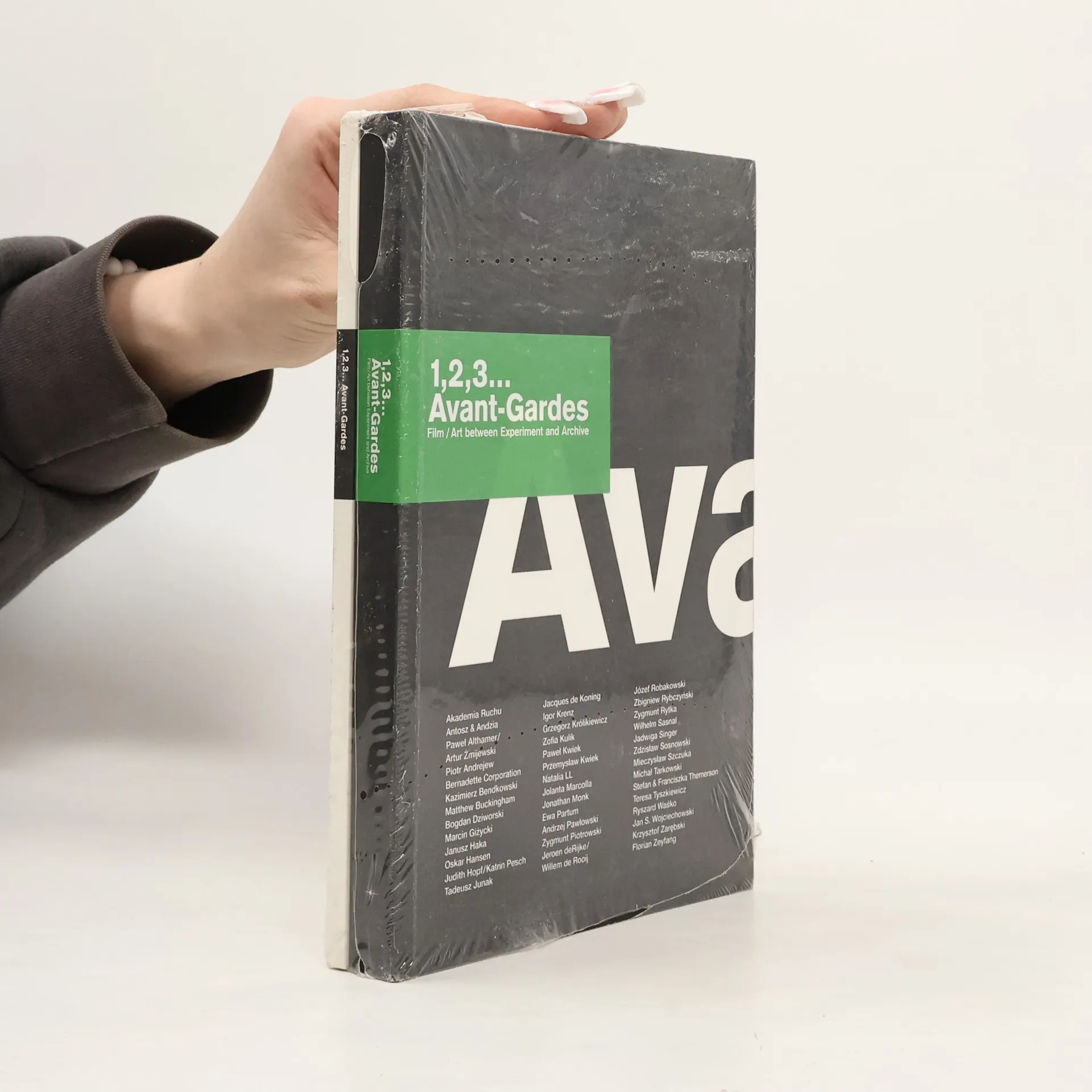
This publication functions as a testament to the variety of innovation in the rediscovered chapter of Polish experimental filmmaking and art during the cold-war years. 1,2,3...Avant-Gardes represents an exhibition and research project dedicated to the history of experimental film and art, and to the interaction between these two fields. The juxtaposition between the work of renowned Polish avant-garde filmmakers and international contemporary artists is categorized into five themes: Analytical Strategies, Political Film, Sound and Image, Imagination, Games and Participation, and Consumption. The text contextualizes the films convincingly into these concepts which are reinforced with artists projects/pages. Contemporary contributors include The Bernadette Corporation, Matthew Buckingham, Judith Hopf and Katrin Pesch, Igor Krenz, Jonathan Monk, Jeroen de Rijke and Willem de Rooij, and Wilhelm Sasnal. Finally, the outstanding history of Polish avant-garde film is presented in an archive containing descriptions of more than thirty films produced between 1920 and 1970.
What were Socialist Spaces? The Eastern Bloc created distinctive environments shaped by ideological templates, such as monumental parade grounds and factory cities with towering chimneys. However, it also included less glamorous aspects, like communal apartment toilets and war ruins. This book delves into the representation, meanings, and uses of space in Eastern Europe and the Soviet Union from 1947 to 1991. Through essays from various disciplines, it examines how actual spaces aligned with the prevailing political order. For example, the emergence of private spaces like the Russian dacha and Czech chata raises questions about whether these were acts of appropriation against the collective or state-sanctioned 'gifts' for compliance. While public monuments aimed to convey official ideology, they also became sites of dissent during the Bloc's decline. By exploring the multifaceted uses and perceptions of space within socialist society, this work significantly contributes to Eastern European and Soviet Studies, offering fresh insights into the factors that led to socialism's eventual collapse.
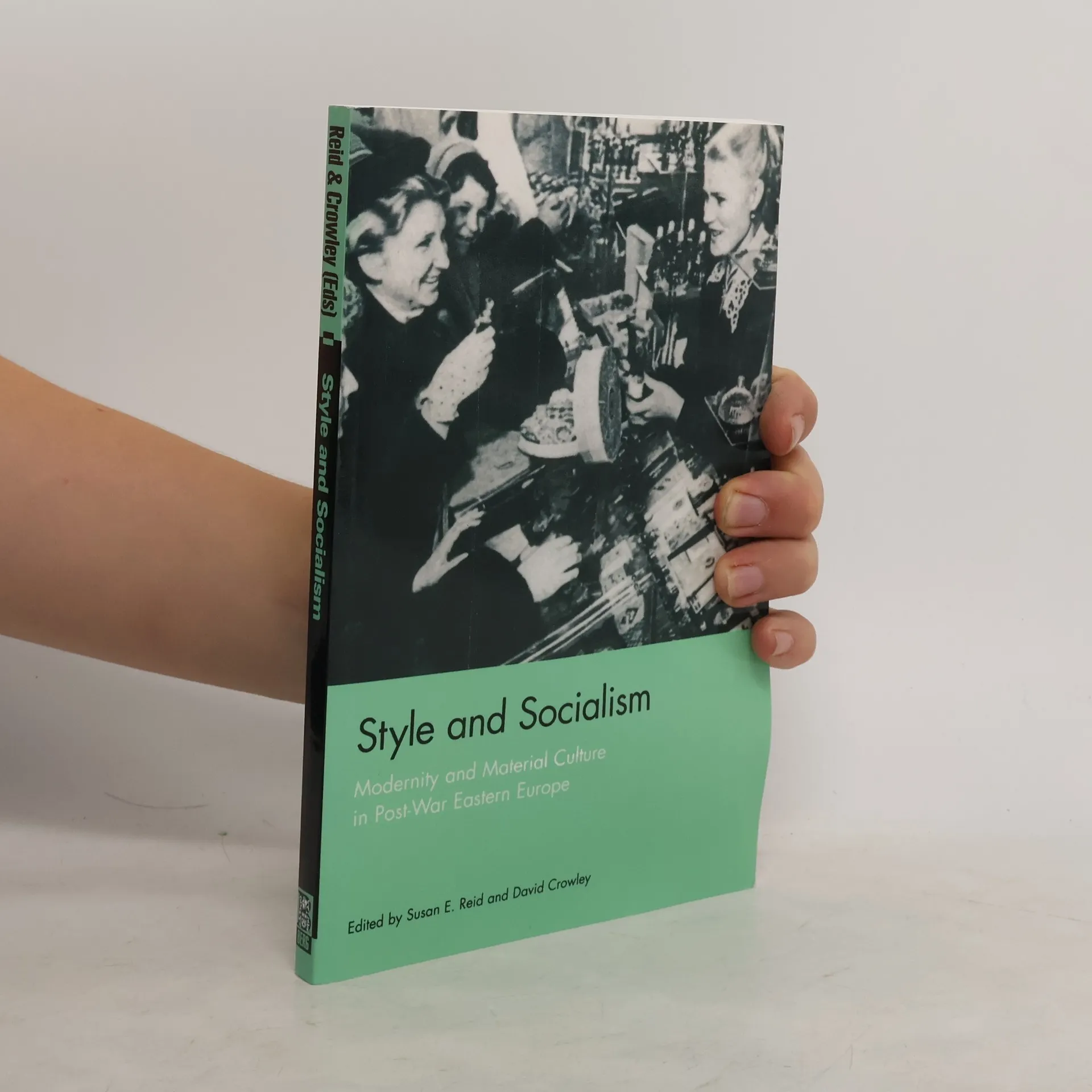
Considers the effects of state socialism on seemingly mundane aspects of life. From street fashion to modern art, from the design of state buildings to wallpaper, interconnections between politics and ideology, cultural policy formation and consumption are shown to be a matter of negotiation.
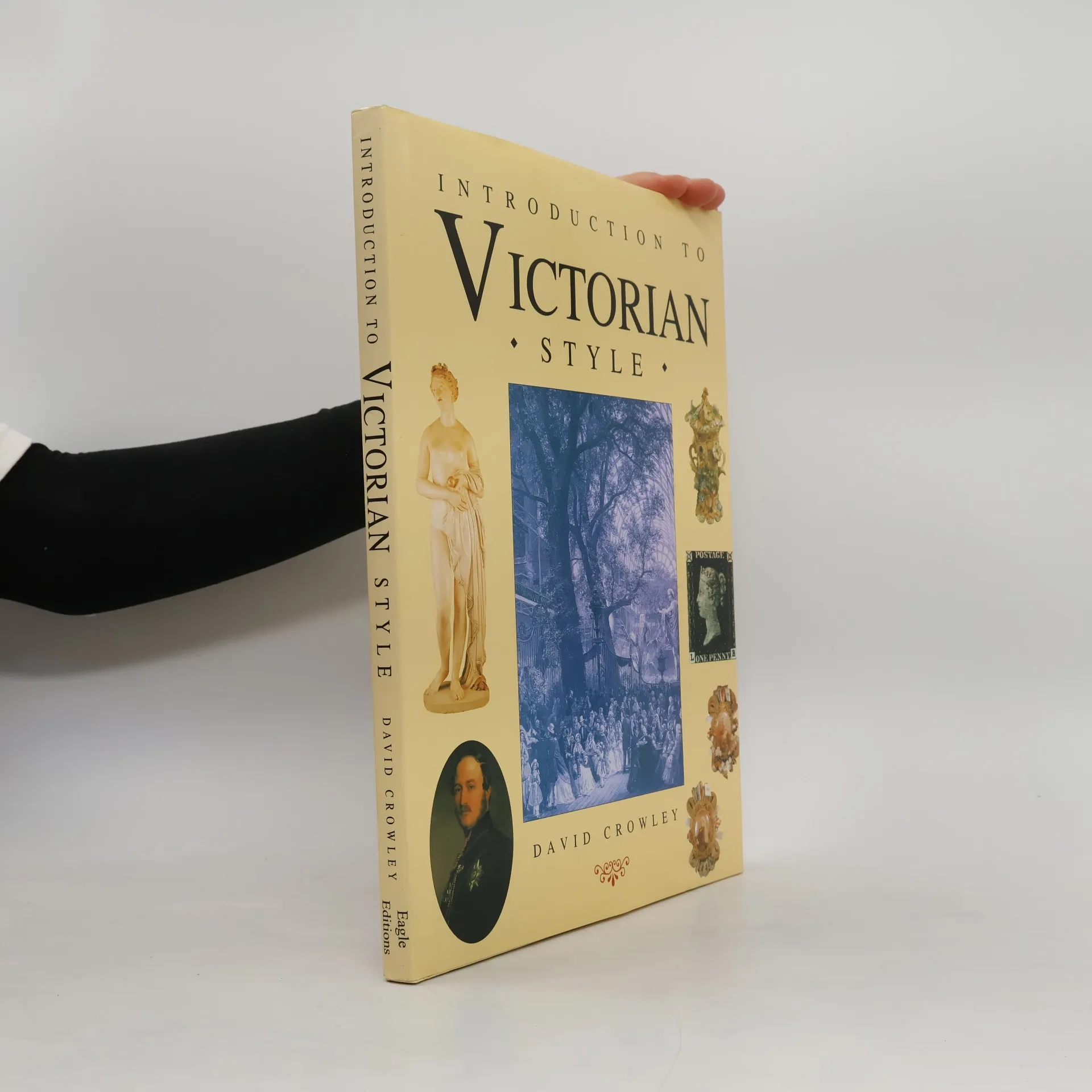
Discusses both the attitutes of the Victorian to fine arts, architecture and the applied arts and the changing critical opinion about the aesthetics of the period since.