

The book offers a comprehensive framework for understanding and addressing large-scale social and political conflicts. It guides readers through the lifecycle of conflicts—from emergence and escalation to resolution and potential resurgence—highlighting strategies to disrupt and reverse destructive cycles of contention. Through analytical and empirical insights, it equips readers with the tools to effectively intervene in complex disputes.
Louis Kriesberg Book order (chronological)

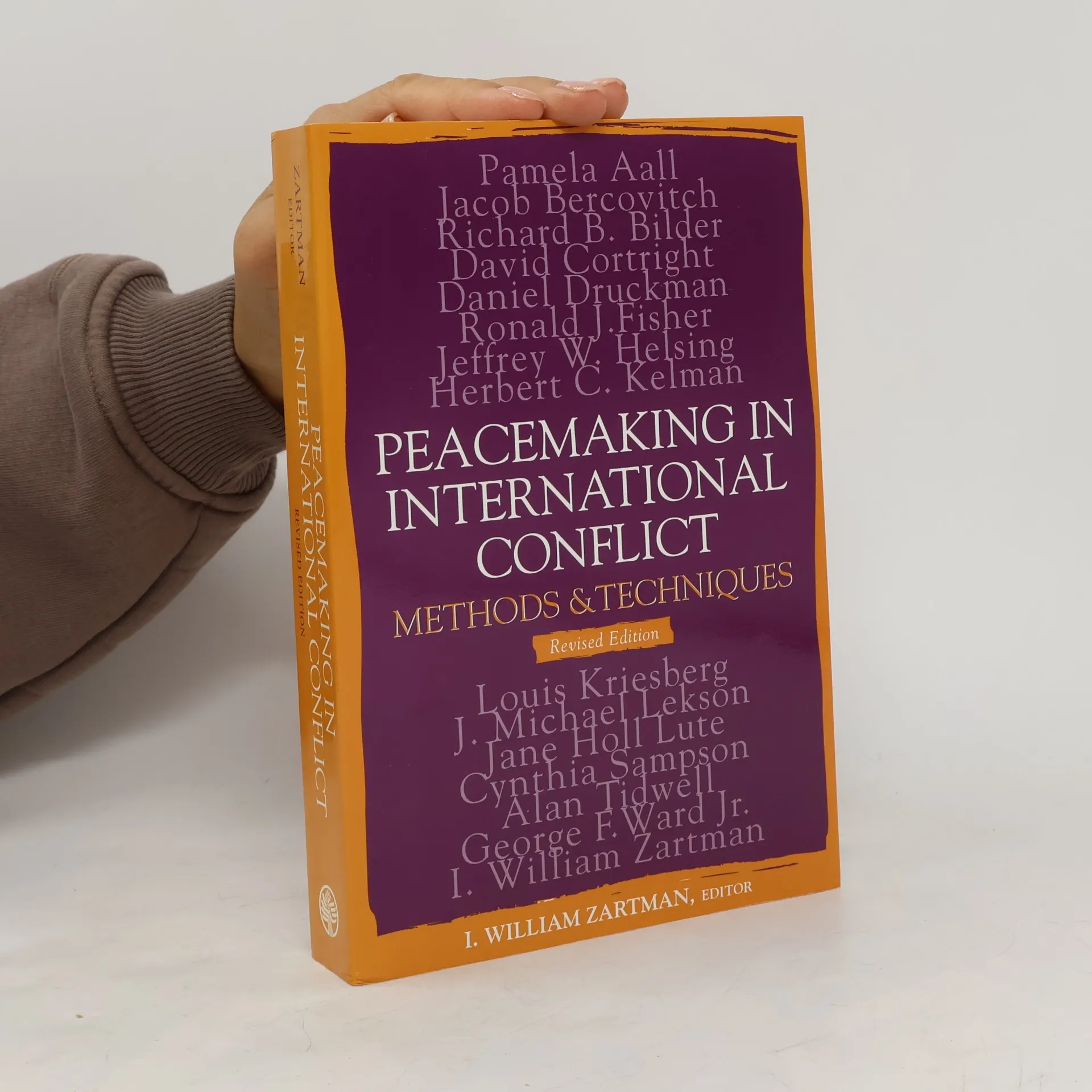
Peacemaking in International Conflict
Methods and Techniques - Revised Edition
- 505 pages
- 18 hours of reading
This updated and expanded edition of the highly popular volume originally published in 1997 describes the tools and skills of peacemaking that are currently available and critically assesses their usefulness and limitations.
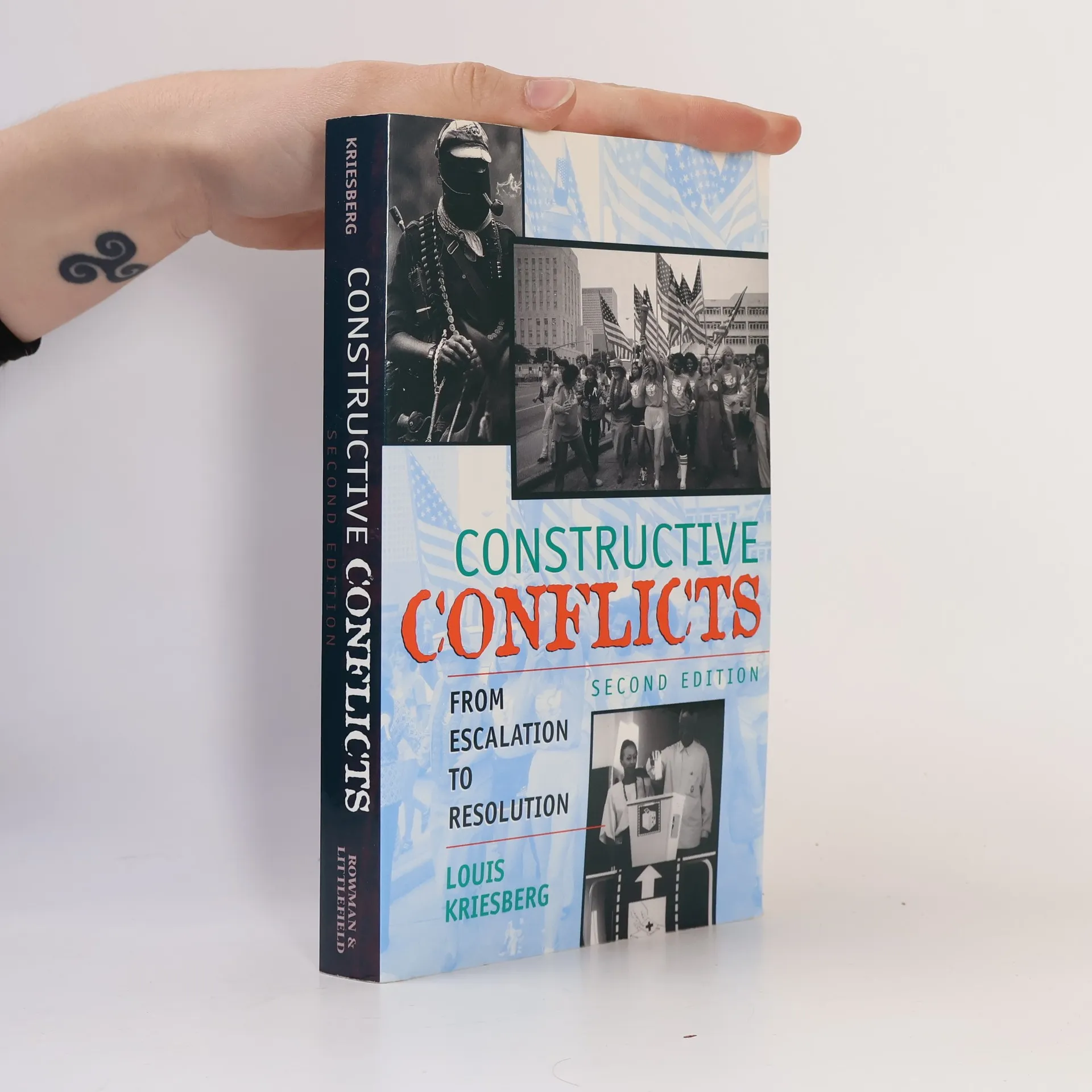
Highly regarded by instructors as the most comprehensive and insightful textbook on conflict resolution, Constructive Conflicts has been significantly revised and updated in this second edition. The new edition builds on the strengths of the first, especially its organization around the different stages at which conflicts emerge, escalate, and resolve. Kriesberg's analysis utilizes diverse theoretical perspectives and data and is relevant for strategies that a variety of people can employ to foster constructive struggles. 'In this second edition to his highly recommended, leading text-book in conflict and peace studies by peaceful means Professor Kriesberg has included very valuable material on South Africa and apartheid, on the women's and Civil Rights movements in the USA, and the justice and globalization movements. And, above all, on international terrorism and the al Qaeda network. In a dynamic world authors have to be equally dynamic. Professor Kriesberg is one of those.' Johan Galtung, professor of peace studies, the University of Hawaii, the University of Witten/Herdecke, the European Peace University, and the University of Tromsoe.