Byron
- 688 pages
- 25 hours of reading
Fiona MacCarthy's definitive biography republished by Byron's own publisher.


Fiona MacCarthy was an English biographer and cultural historian recognized for her deep explorations of 19th and 20th-century art and design. She meticulously examined the key figures and movements that shaped modern artistic landscapes, uncovering the intricate connections between creative endeavors and their societal contexts. Through rigorous research and insightful prose, MacCarthy illuminated the complexities of artistic lives and their cultural resonance. Her essays and reviews offered valuable perspectives on the world of art and design.

Fiona MacCarthy's definitive biography republished by Byron's own publisher.
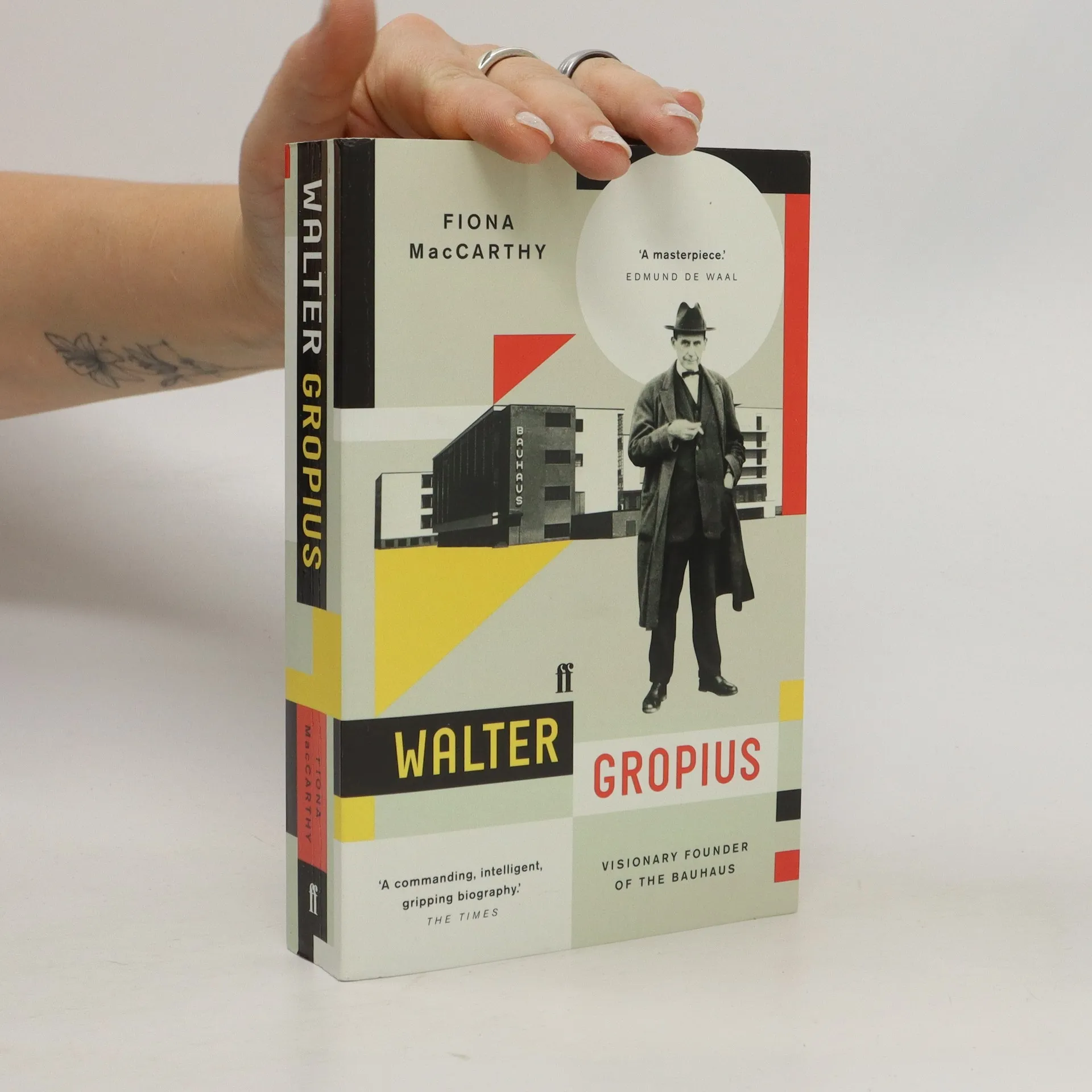
* A Times and New Statesman Book of the Year * * BBC Radio 4 Book of the Week * * Illustrated with over 130 colour photographs and drawings * 'A masterpiece.' Edmund de Waal 'Commanding, intelligent, gripping.' The Times From 1910 to 1930 Gropius was at the very centre of European modern art and design, as the founder of the German art school, the Bauhaus. Yet Gropius's beliefs and affiliations left him little choice but to leave Germany when Hitler came to power. In this riveting book, Fiona MacCarthy draws on new research to re-evaluate Gropius's work and life. From his shattering experiences in the First World War to his turbulent marriage to the notorious Alma Mahler and the tragic early death of their daughter, MacCarthy leads us through his disorientating years in London, to his final peaceful and productive life in America. This is biography at its finest and most vivid.
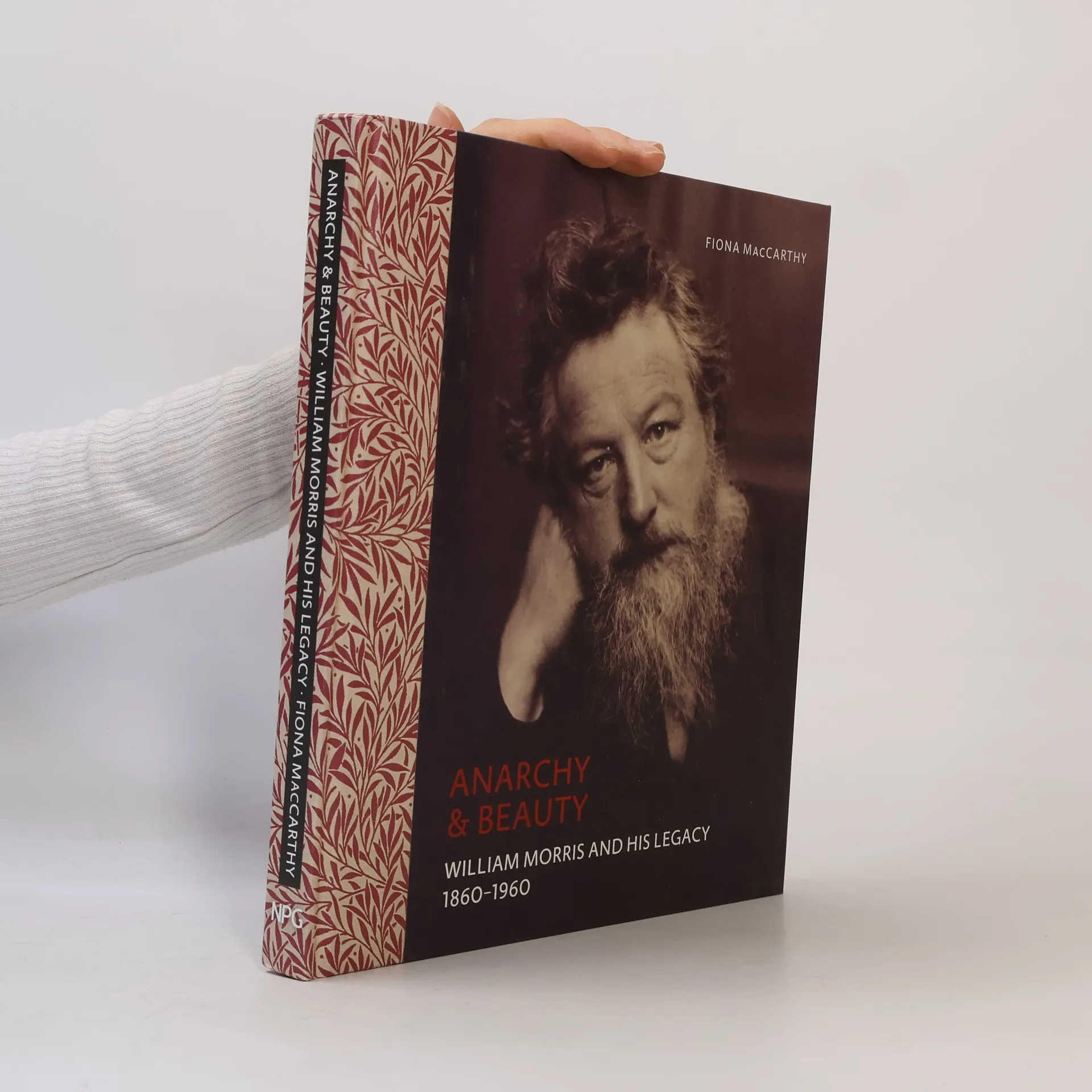
William Morris (1834–1896) was an artist, craftsman, designer, poet, polymath, and visionary thinker. Well known for advocating that objects of beauty be accessible to all, Morris had a tremendous impact on the British Socialist movement, the Arts and Crafts movement, the Garden City movement, as well as on successive generations of artists and thinkers in Britain and beyond. In this fascinating book, Fiona MacCarthy examines Morris’s vision of a society in which art could flourish, and how this idea resonated over the ensuing century. Anarchy and Beauty takes the reader through Morris’s fascinating career, from the establishment of his decorative arts shop (later Morris & Co.), to his radical sexual politics and libertarianism, and the publication in 1890 of his novel News from Nowhere , which envisions a utopian socialist society. MacCarthy then looks at the numerous artists and movements that bear the influence of Morris’s ideas: Arts and Crafts and the Garden City, which took hold in both Europe and the United States; artists’ communities that sprung up during the interwar years; and the 1951 Festival of Britain, whose mission was to bring the highest standards of design within the reach of everyone.
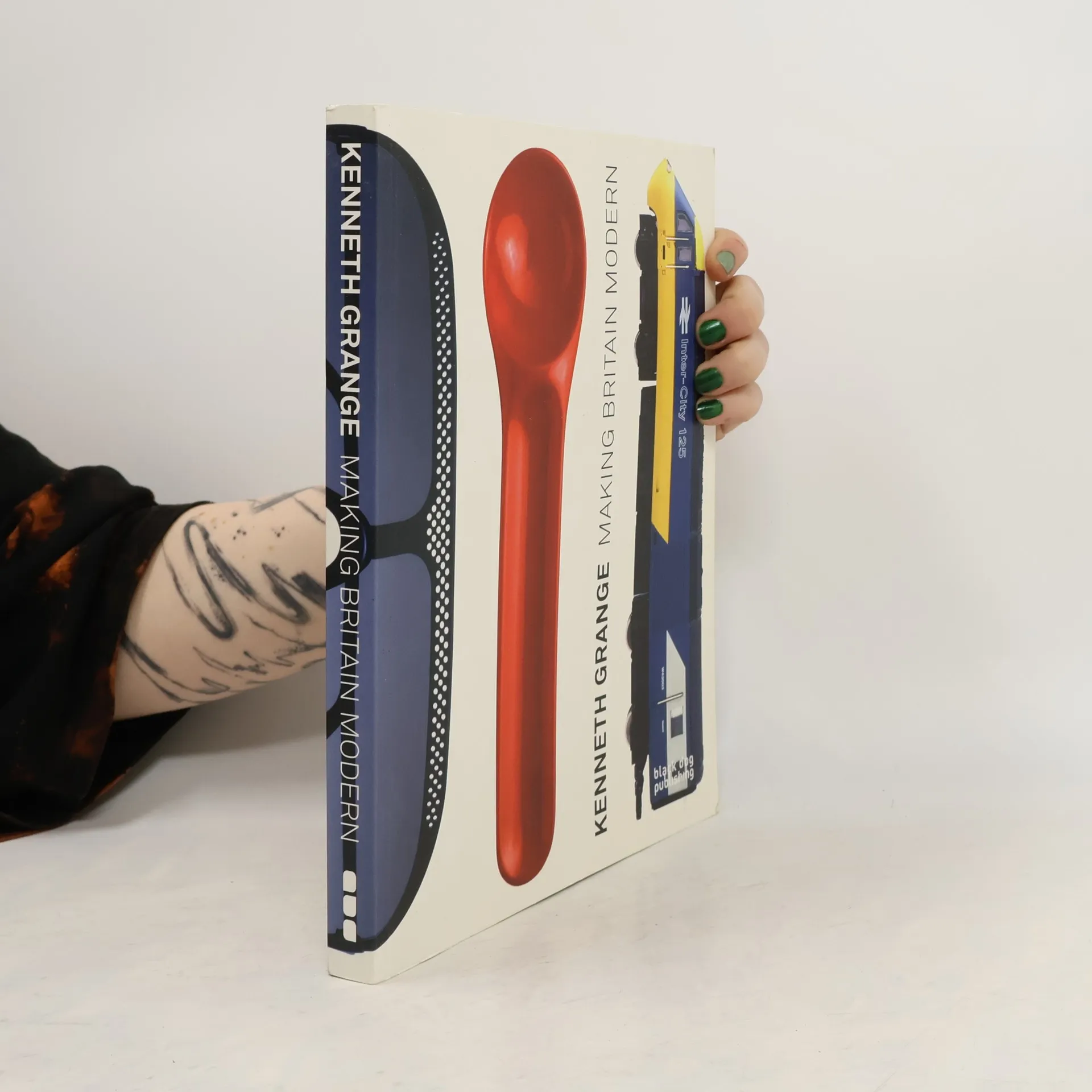
Kenneth Grange: Making Britain Modern celebrates the career of one of the truly great figures of modern British design; featuring previously unpublished interviews and specially commissioned photography of his work. The book features essays by renowned commentators on Modern British design including Deyan Sudjic, Director of the Design Museum, London, and cultural historian and widely published writer on design, Fiona MacCarthy. Spanning more than half a century, Grange's career began in 1947 and establishing a private practice in 1956, initially as an interior and architectural designer, Grange eventually became known for his work in product design. Working with a range of high-profile clients including British Rail, Wilkinson Sword, and Manganese Bronze, Grange has since designed products as varied as the Anglepoise lamp, the black cab and high-speed inner city trains. In 1976 Grange became one of the founding partners of the famous design consultancy Pentagram, along with Theo Crosby, Colin Forbes and Mervyn Kultansky, where he worked with a number of high-profile clients including Kodak and Kenwood. More recently, Grange has collaborated with British fashion designer Margaret Howell to produce a collarless shirt, which combines Grange's practical design experience with Howell's quality and make.