

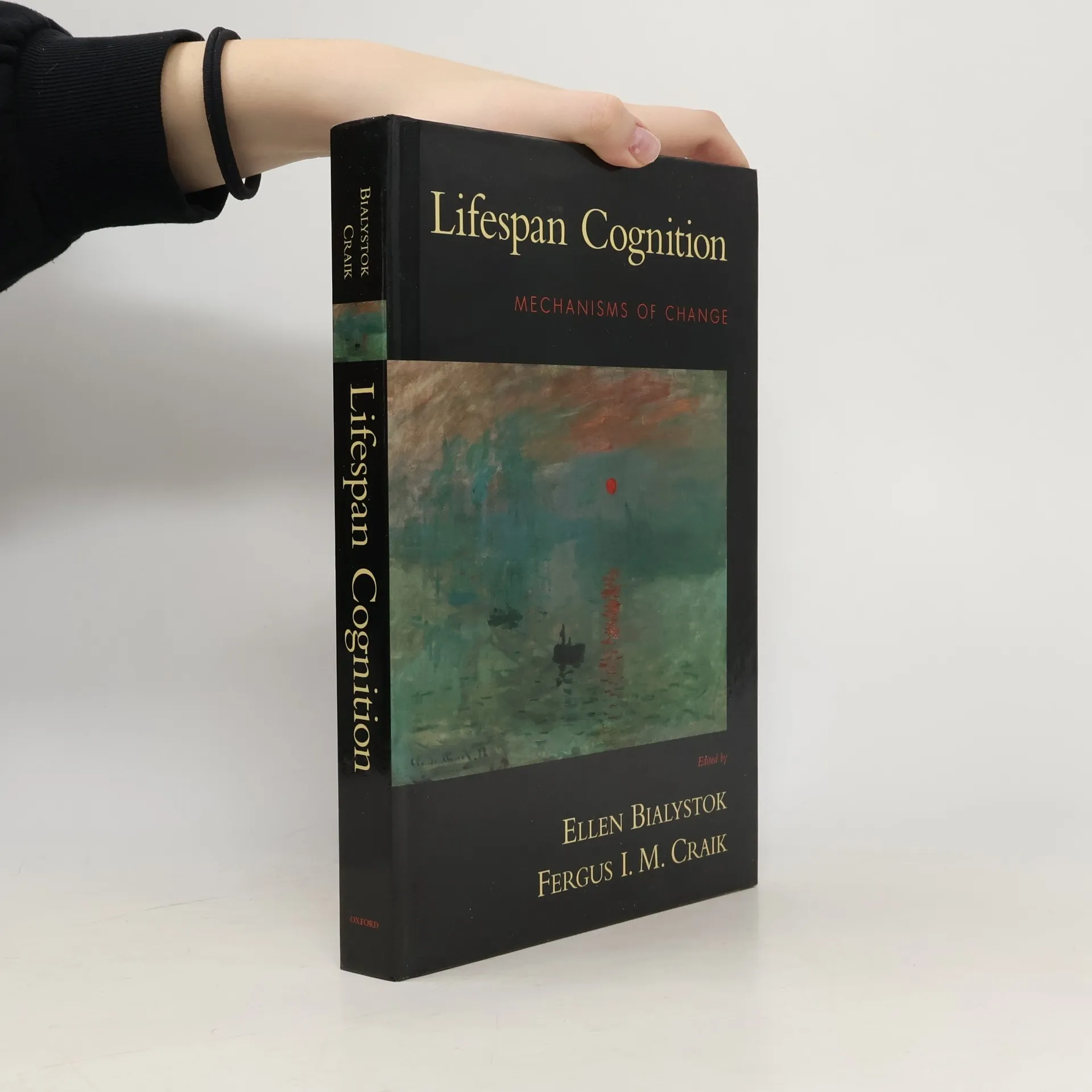
This volume creates a bridge across cognitive development and cognitive aging. Pairs of researchers study the rise and fall of specific cognitive functions, such as attention, executive functioning, memory, working memory, representations, language, problem solving, intelligence, and individual differences to find ways in which the study of development and decline converge on common processes and mechanisms. The contributed chapters are framed by an introduction that sets out the problems to be discussed and a conclusion that extracts the common themes and speculates on the implications for theory building. The book is unique in offering a lifespan approach to cognition by experts in the individual facts of cognitive functioning from either the developmental or the aging perspective.
Fergus I. M. Craik Books

A short, accessible primer on human memory, its workings, feats, and flaws, by two leading psychological researchers. Why do we vividly recall a traumatic childhood event but forget where we left our keys five minutes ago? How can a scent take us back fifty years while a colleague’s name eludes us? In this compact introduction, two leading psychological researchers describe memory—how it works and why it sometimes doesn’t; how it can be tricked, trained, or improved; and what changes with time. In a manner as engaging as it is informative, Fergus Craik and Larry Jacoby explain the strengths and weaknesses of memory. They trace evolving ideas about memory’s function and present a down-to-earth account of modern views. Citing the latest research, they outline the processes for acquiring and retrieving memories and explore the distinction between conscious and unconscious processes. With insights into the workings of the brain, Craik and Jacoby also provide a succinct account of feats and failures of memory, emotion and false memories, and the effects of aging. Their book draws a clear picture, at once broad and concise, of current and classical views of memory, that most essential and often mysterious feature of human life.