

"For many, 'Greece' is synonymous with 'ancient Greece,' the civilization that gave us much that defines Western culture today. But how did Greece come to be so powerfully attached to the legacy of the ancients in the first place and then define an identity for itself that is at once Greek and modern? This book reveals the remarkable achievement, during the last three hundred years, of building a modern nation on the ruins of a vanished civilization--sometimes literally so. This is the story of the Greek nation-state but also, and more fundamentally, of the collective identity that goes with it. It is not only a history of events and high politics; it is also a history of culture, of the arts, of people, and of ideas"--Back cover
Roderick Beaton Books
September 29, 1951
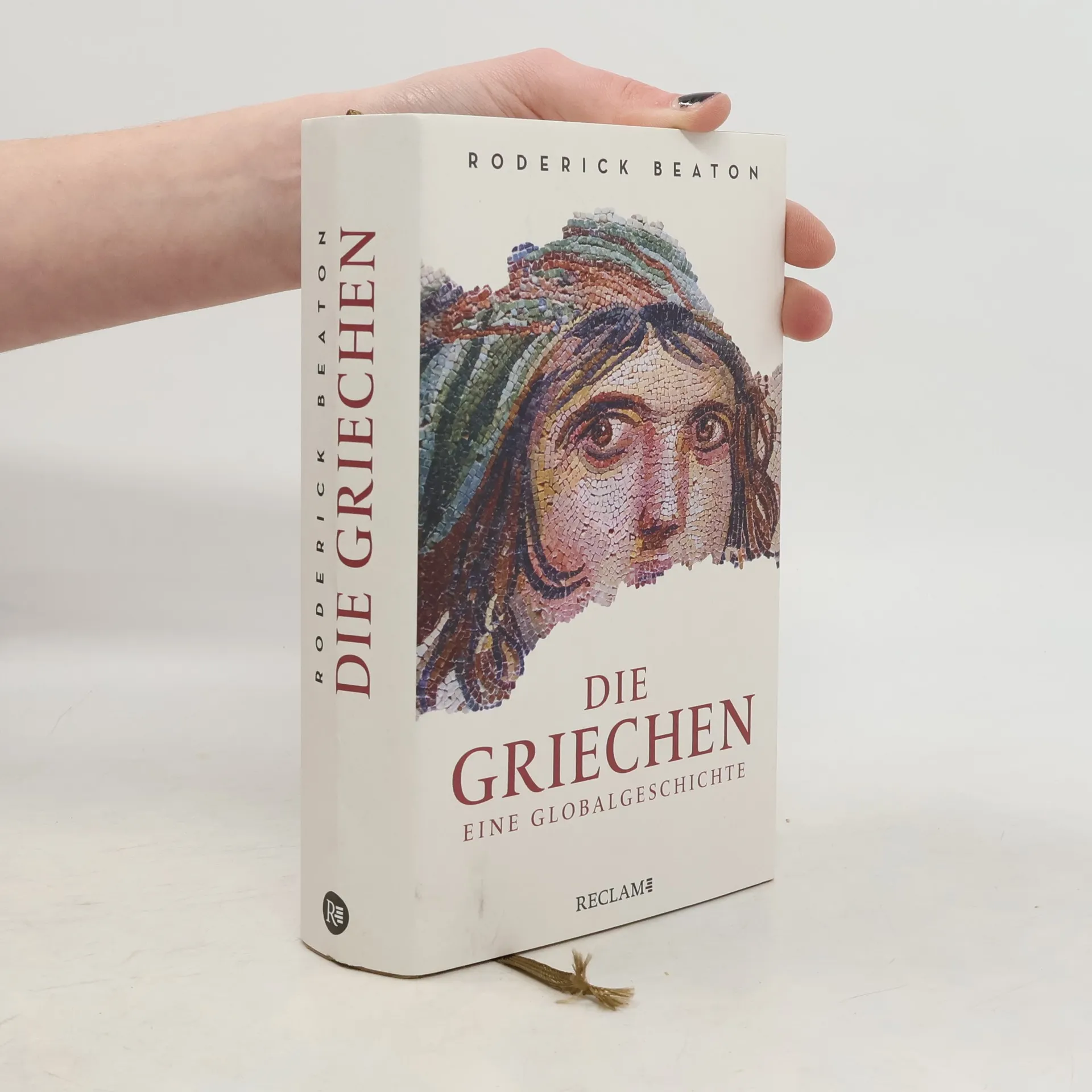

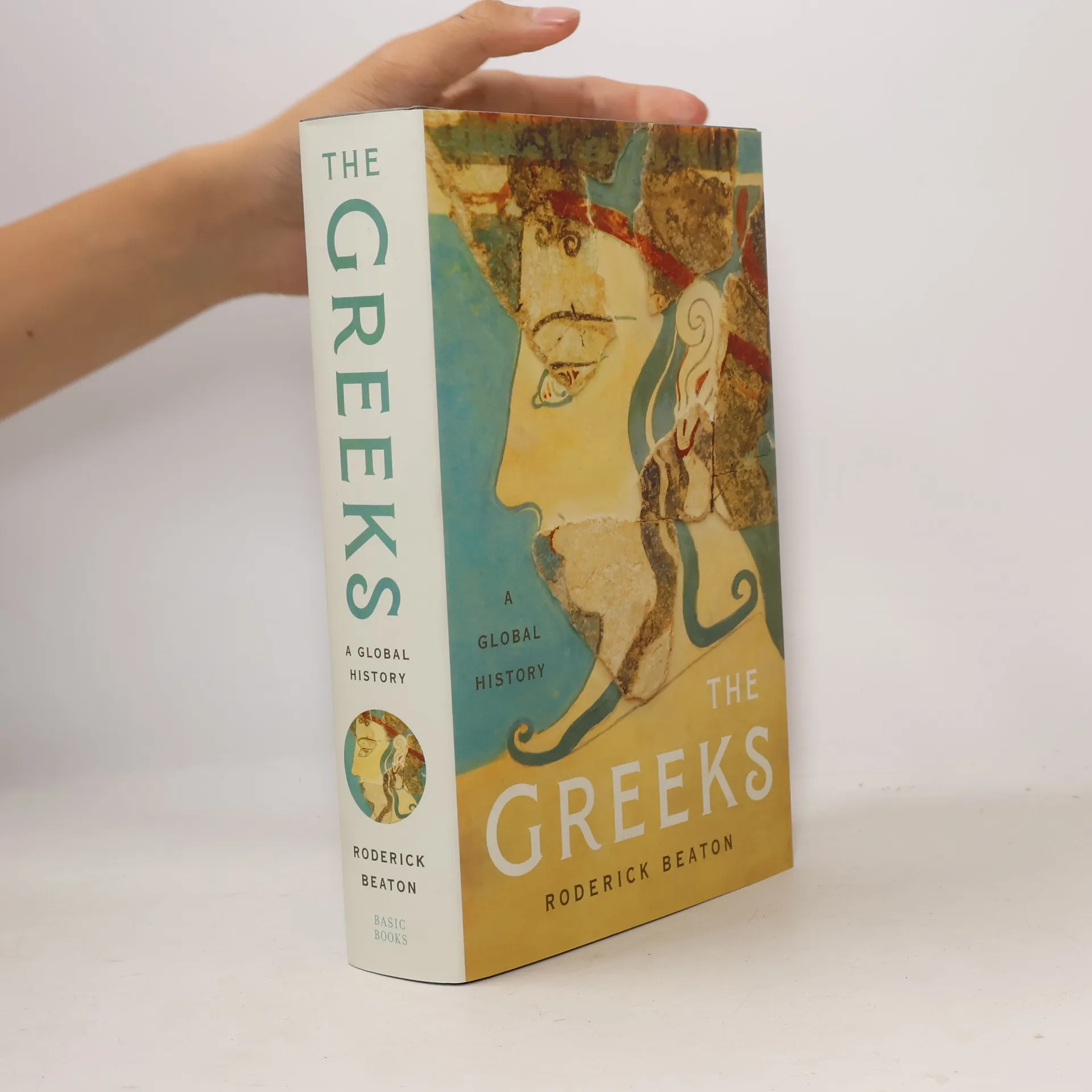
The Greeks: A Global History
- 592 pages
- 21 hours of reading
A sweeping history of the Greeks, from the Bronze Age to today More than two thousand years ago, the Greek city-states, led by Athens and Sparta, laid the foundation for much of modern science, the arts, politics, and law. But the influence of the Greeks did not end with the rise and fall of this classical civilization. As historian Roderick Beaton illustrates, over three millennia Greek speakers produced a series of civilizations that were rooted in southeastern Europe but again and again ranged widely across the globe. In The Greeks, Beaton traces this history from the Bronze Age Mycenaeans who built powerful fortresses at home and strong trade routes abroad, to the dramatic Eurasian conquests of Alexander the Great, to the pious Byzantines who sought to export Christianity worldwide, to today's Greek diaspora, which flourishes on five continents. The product of decades of research, this is the story of the Greeks and their global impact told as never before.
Europe: A New History
- 432 pages
- 16 hours of reading
Die Geschichte der Griechen von der Antike bis Heute Die Art und Weise, wie wir denken. Wie wir lernen. Wie wir regiert werden. Unsere Künste. All das hat seinen Ursprung vor mehr als 3000 Jahren am südöstlichen Rand Europas. Bis heute beruft die gesamte westliche Welt sich immer wieder auf Geistesgrößen wie Sokrates, Pythagoras, Sappho und Homer. Roderick Beaton legt auf eindrucksvolle Weise dar, welche Kontinuitäten die antike Welt um Athen und Sparta mit dem mittelalterlichen Byzanz, der griechischen Kultur im Osmanischen Reich und nicht zuletzt dem modernen Griechenland des 21. Jahrhunderts verbinden. Bis heute haben die späte Gründung des griechischen Staates und die damit verbundenen Identitätskonflikte Auswirkungen auf Europa. Doch auch Ideen der alten Griechen – wie das Alphabet und etliche wissenschaftliche Errungenschaften – haben wir uns über die Jahrhunderte hinweg immer wieder neu anverwandelt. Eine epochenübergreifende Meistererzählung und ein lehrreiches Lesevergnügen.