
Explore the latest books of this year!
Bookbot

Jane Campion

    April 30, 1954

    This filmmaker is celebrated for her distinctive explorations of female psychology and the complexities of human relationships. Her works delve into themes of identity, sexuality, and societal constraints, often rendered with profound empathy and striking visual style. Through compelling female protagonists and nuanced storytelling, Campion provides insightful portrayals of the human condition. Her cinematic approach is both intimate and universal, resonating with audiences worldwide.

    Jane Campion
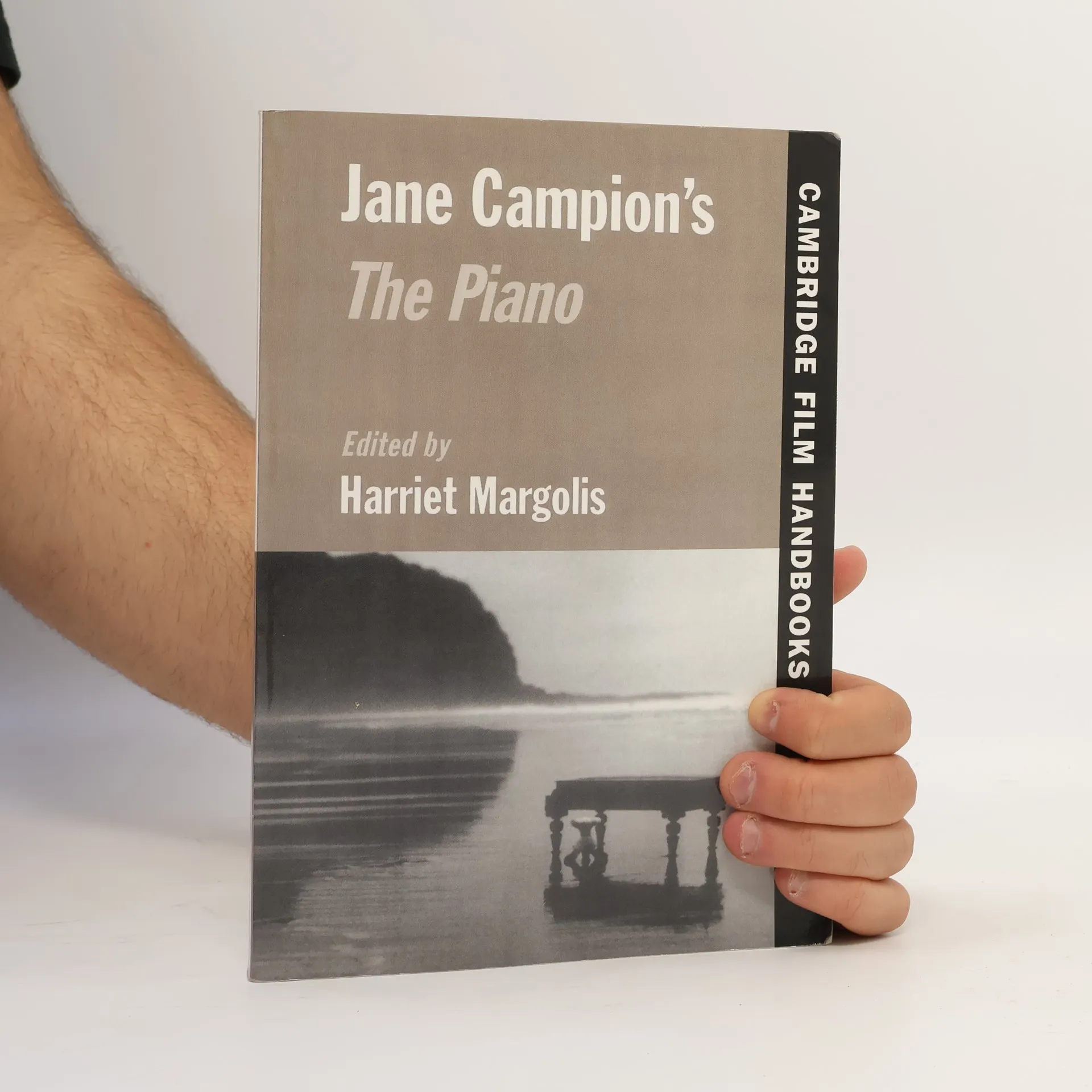
    Cambridge Film Handbooks: Jane Campion's The Piano
    Holy Smoke
    The Piano
    The Portrait of a Lady
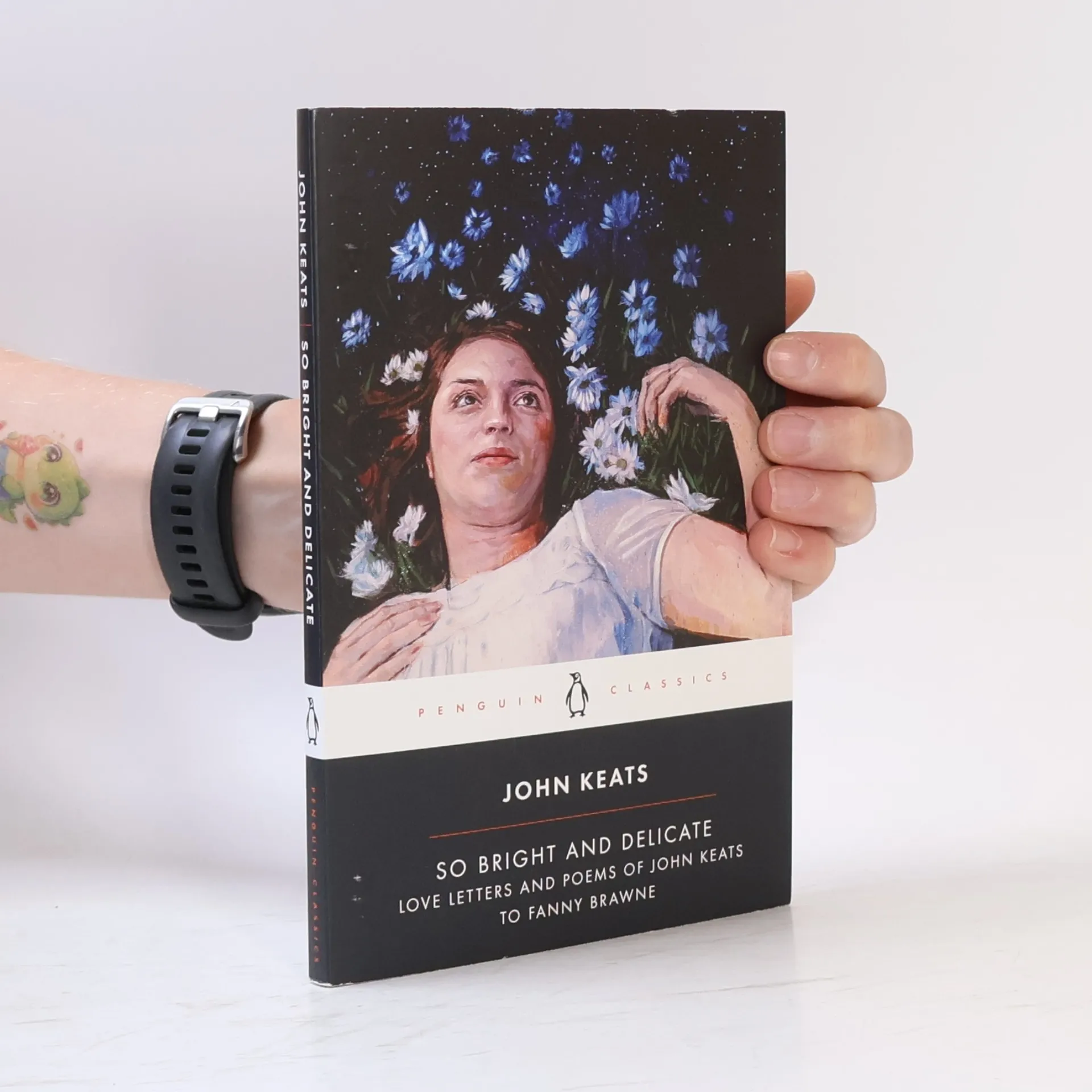
    So Bright and Delicate: Love Letters and Poems of John Keats to Fanny Brawne
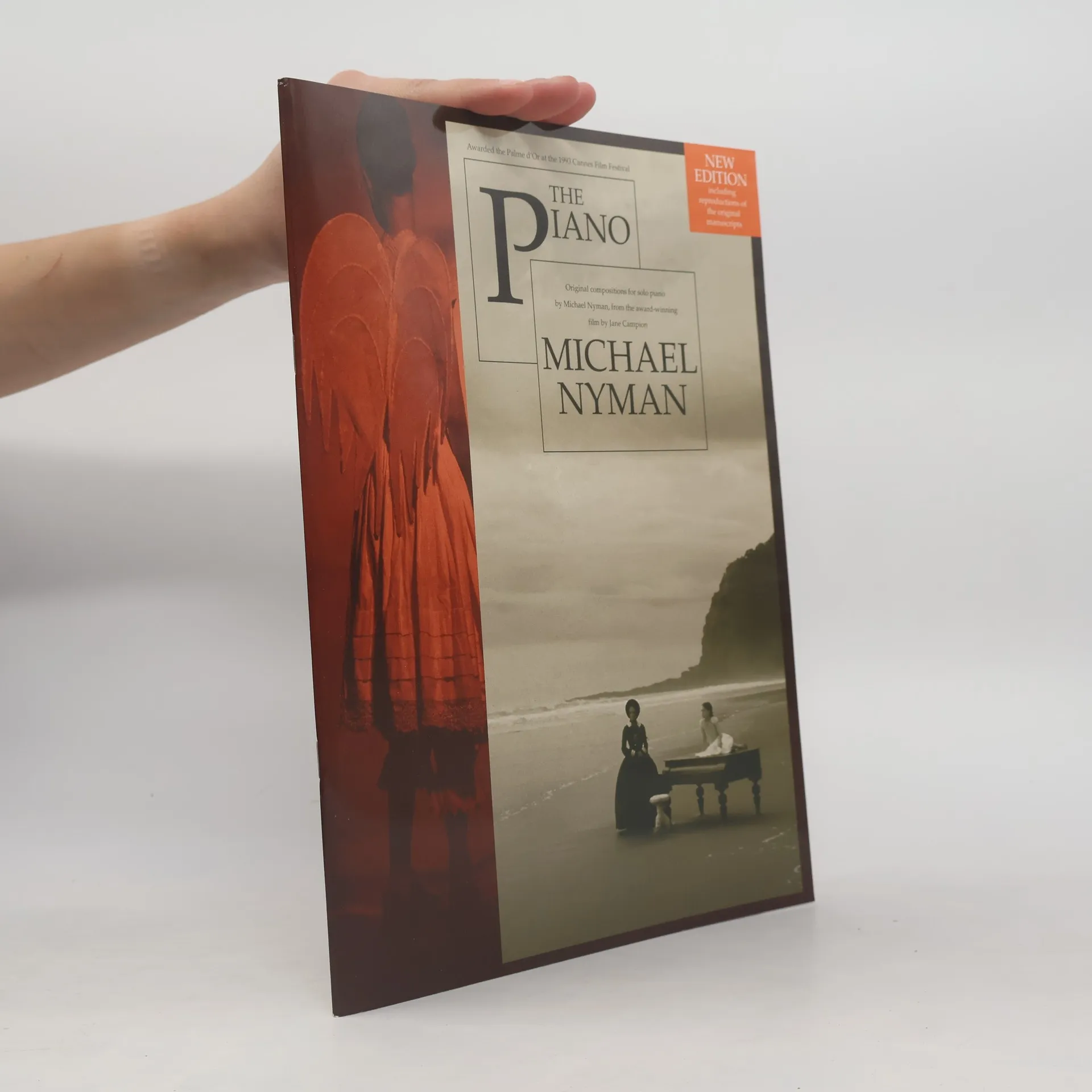
    The Piano
    • The Piano

      Original Compositions for Solo Piano by Michael Nyman, From the Award-Winning Film by Jane Campion - New Edition Including Reproductions of the Original Manuscripts

      • 32 pages
      • 2 hours of reading

      (Music Sales America). Six original compositions for solo piano, by Michael Nyman, from the award winning film by Jane Campion. English composer Michael Nyman has developed into one of the most popular, if not important, composers of film music, and his film score for the 1992 film The Piano is without doubt the most famous and familiar of his compositions. The tone of Campion's film is perfectly emphasised by Nyman's style and though much here is beautiful and rich, it is a haunting and foreboding sound picture that reflects the greys of sea, sky and spirit. Big My Secret * Deep Sleep Playing * The Mood that Passes Through You * The Attraction of the Pedalling Ankle * The Heart Asks Pleasure First the Promise/the Sacrifice * Silver-Fingered Fling
      The Piano
      4.4
    • John Keats died aged just twenty-five, leaving behind some of the most exquisite and moving verse and love letters ever written, inspired by his great love for his neighbour, Fanny Brawne. Although they knew each other for just a few short years and spent a great deal of that time apart - separated by Keats's worsening illness.

      So Bright and Delicate: Love Letters and Poems of John Keats to Fanny Brawne
      4.4
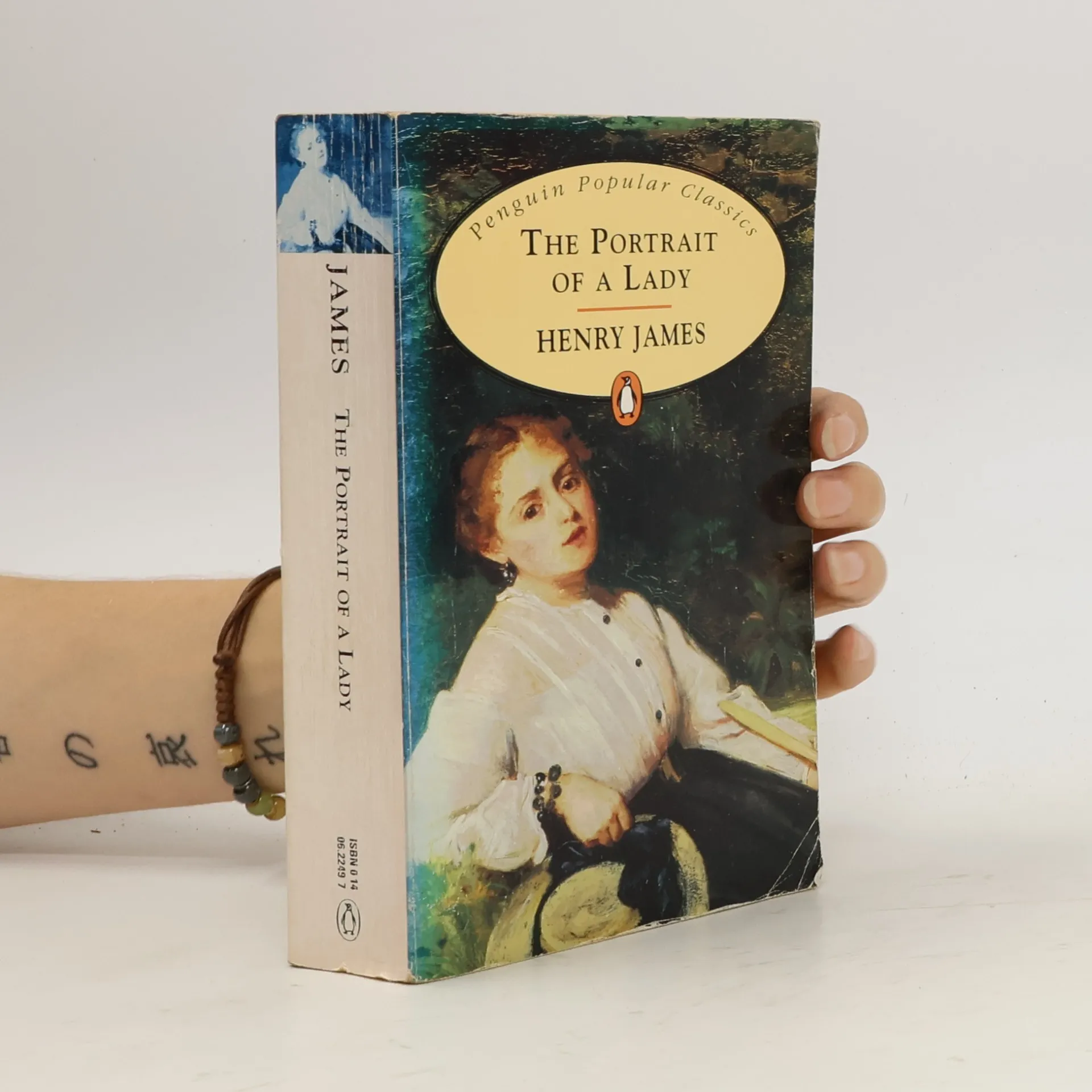
    • The Portrait of a Lady

      • 528 pages
      • 19 hours of reading

      Tells of the psychological impact of European culture upon a spirited young American girl named Isabel Archer when she becomes torn between three very different men and falls prey to the schemes of a sophisticated older woman.

      The Portrait of a Lady
      4.1
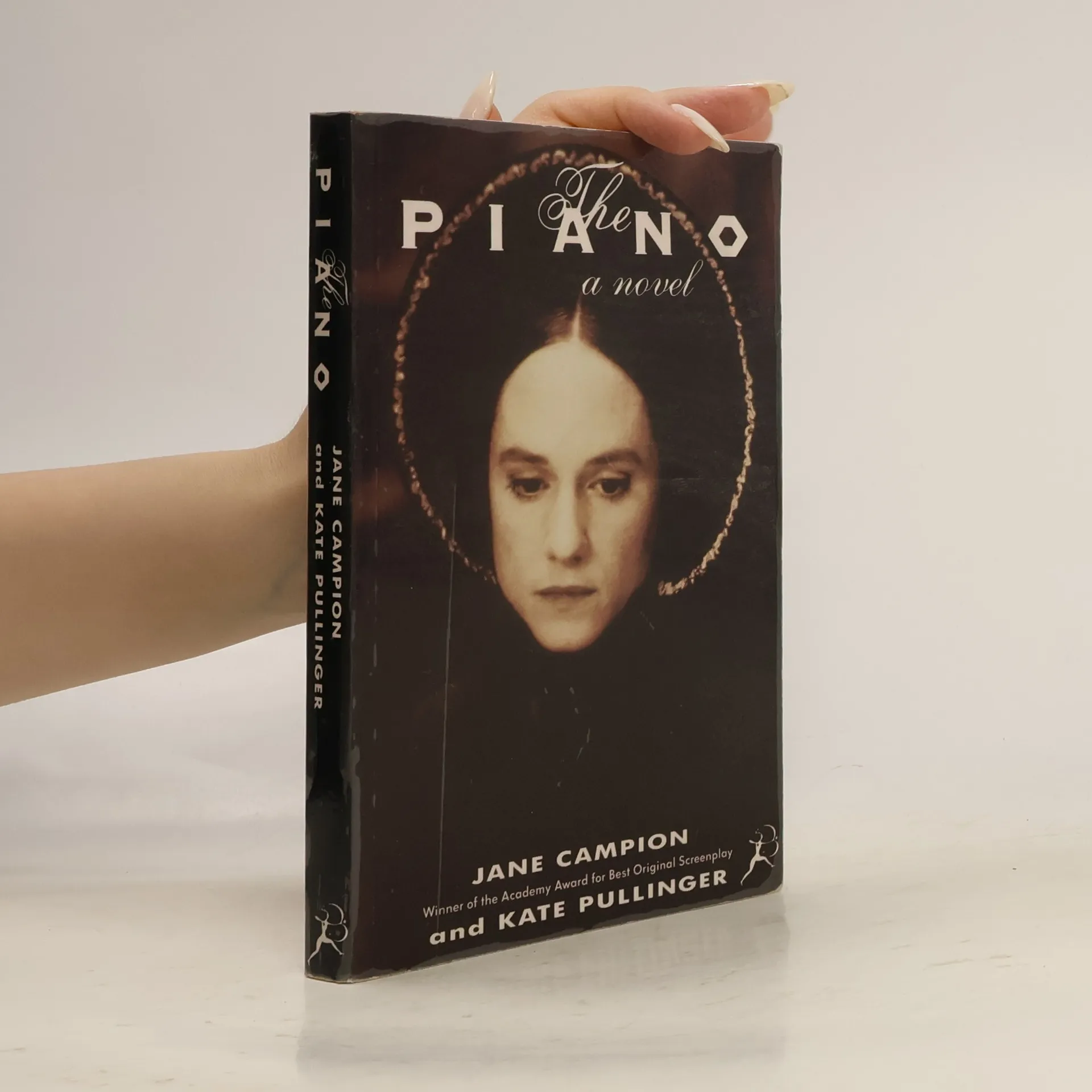
    • The Piano

      Screenplay for a Film

      • 156 pages
      • 6 hours of reading

      In the award-winning film The Piano, writer/director Jane Campion created a story so original and powerful it fascinated millions of moviegoers. This novel stands independent of the film, exploring the mysteries of Ada's muteness, the secret of her daughter's conception, the reason for her strange marriage and the past lives of Baines and Stewart.

      The Piano
      4.0
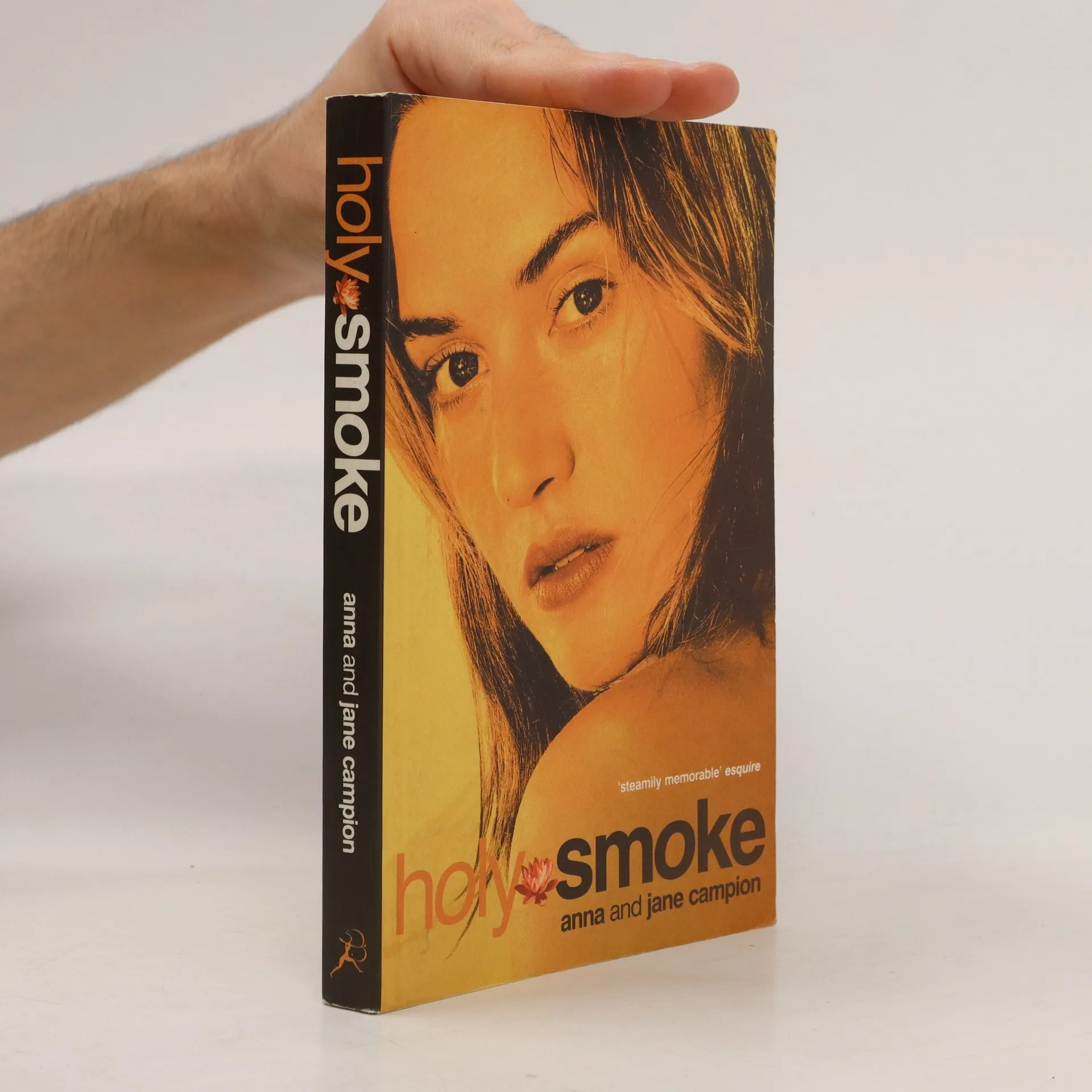
    • Holy Smoke

      • 259 pages
      • 10 hours of reading

      The erotic story of a beautiful young woman, Ruth, who falls under the spell of an Indian guru. Desperate to rescue her, her family tricks her into returning to Australia, where she is forced to submit to the deprogramming skills of P.J. Waters. P.J. hasn't reckoned with Ruth's determination.

      Holy Smoke
      3.0
    • Jane Campion's The Piano is one of the most unusual love stories in the history of cinema. This volume examines the film from a variety of critical perspectives. In six essays, specially commissioned for this project, an international team of scholars examine topics such as the controversial representation of the Maori, the use of music in the film, the portrayal of the mother-daughter relationship, and the significance of the film in terms of international cinema, the culture of New Zealand, and the work of Jane Campion.

      Cambridge Film Handbooks: Jane Campion's The Piano
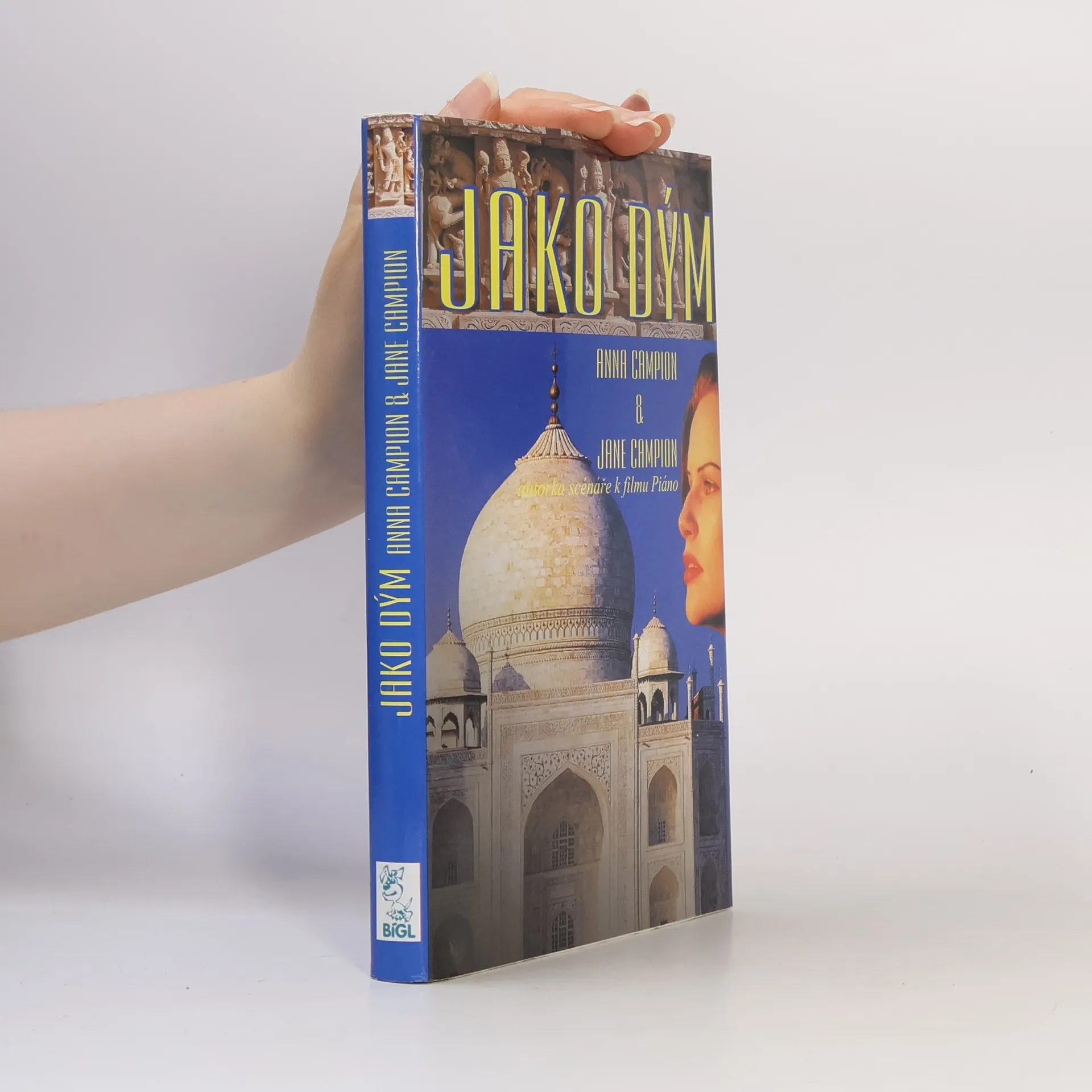
    • Jako dým

      • 196 pages
      • 7 hours of reading

      Touto knihou daly autorky vzniknout románu na hranici krajní originality. Příběh začíná koncem listopadu 1998, kdy se jistá australská rodina, že zachrání svou dceru Ruth, která se stala terčem zájmu indického guru. Zdrcená a vyděšená rodina uposlechne rady investovat značnou finanční částku do služeb amerického specialisty na sekty, Johna Waterse. „Tři malé krůčky,“ říká poté, co se podíval Ruth do očí a označil je za odhodlané… „do čtyřiadvaceti hodin by mohlo být po všem.“ o dva dny později, uprostřed australské buše, dochází k pomalému posunu v rozložení sil mezi psychologem a jeho klientkou. Slíbený návrat k pořádku umožňuje cestu k nádhernému chaosu. Střídavě máme možnost naslouchat hlasu Johna Waterse i Ruth a vyslechnout tak oba názory na proces „deprogramování“. To, co začíná jako duchovní bitva o podstatu víry, se mění v erotický a burácející příběh sexuální posedlosti, která dožene Johna i Ruth až do vztahu, jaký ani jeden z nich nechtěl.

      Jako dým
      3.2