“Getting your disco act together.” “Guy Hocquenghem visited New York and stayed with me in my loft on Chambers Street, and one night while I was out, he read what I'd written. When I returned later, he said to me that such straightforward description of gay culture was just the sort of thing that gay activists should be writing.” ― Douglas Crimp Douglas Crimp (b. Coeur d'Alene, USA, 1944; d. 2019) was one of the most influential art critics, curators, and AIDS activists of his time. His writings on representation and critique remain uncontested milestones in the debate over AIDS and queer aesthetics. The seminal essay Disss-co (A Fragment) reads as a primer to his pioneering studies of queer subcultures and New York's underground scene. In light of today's renewed repression of subcultural― sexual and ethnic―communities, the text has lost none of its relevance. The art works of Henrik Olesen (b. 1967) often focus on sexual politics. In this publication he shows excerpts from the project Lack of Information, 2001. Arranged as a grid, the work presents a map of different laws worldwide that are directed against gays, lesbians and transsexuals. Among other topics, the work examines anti-gay and sodomy laws, migration and adoption rights, and statistics on hate crimes. It also contains information on the frequency Disss-co (A Fragment) of same-sex behavior among animal species.
Douglas Crimp Books
Douglas Crimp was an American writer, curator, and art historian. He served as a professor of art history at the University of Rochester. His work focused on the analysis of art and critical theory.

Before Pictures
- 307 pages
- 11 hours of reading
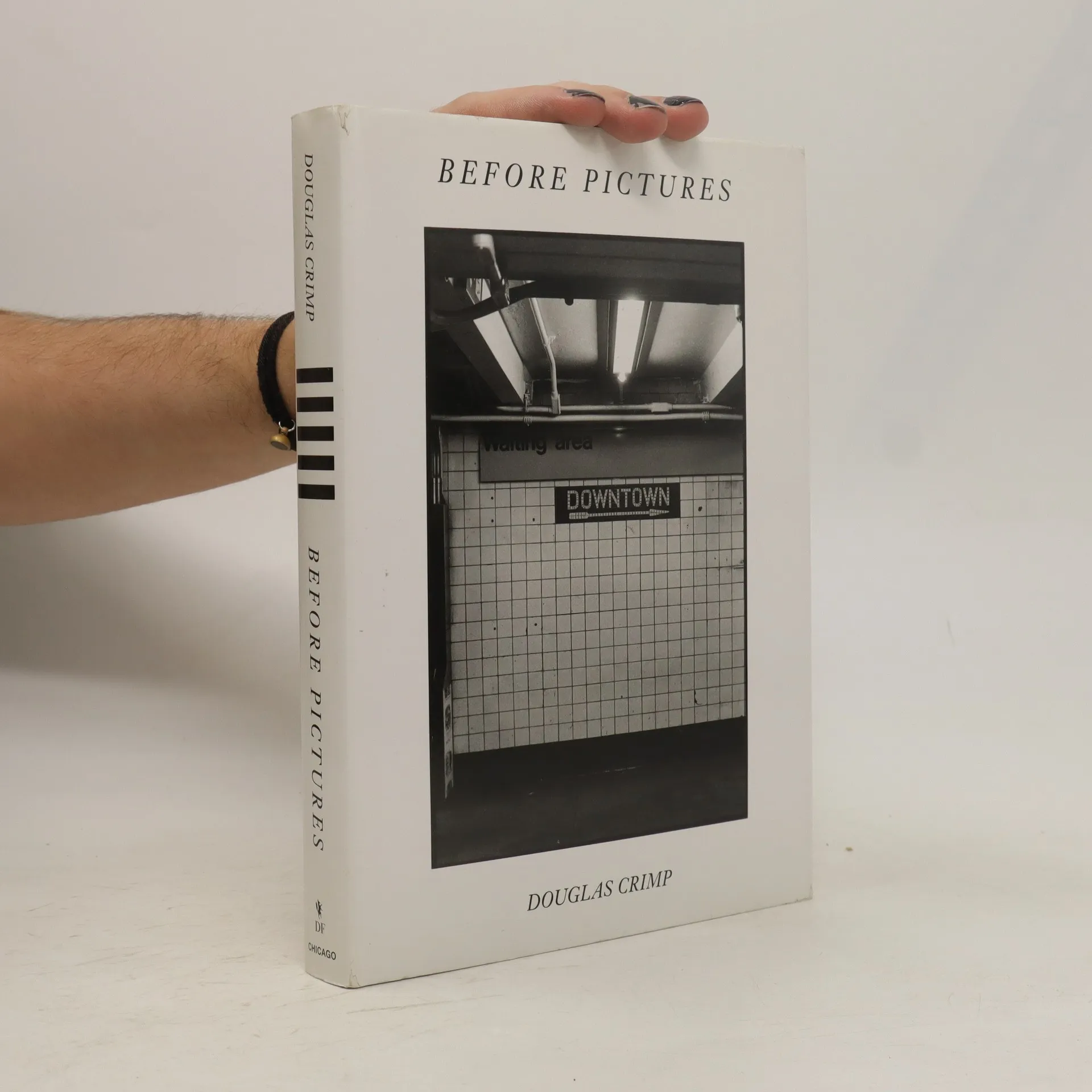
Front room/back room -- Spanish Harlem (East 98th Street), 1967-69 -- Way out on a nut -- Chelsea (West 23rd Street), 1969-71 -- Back to the turmoil -- West Village (West 10th Street), 1971-74 -- Art news parties -- Hotel des artistes -- Tribeca (Chambers Street), 1974-76 -- Action around the edges -- Disss-co (a fragment) -- Broadway-Nassau (Nassau Street), 1976 -- Agon -- Pictures, before and after
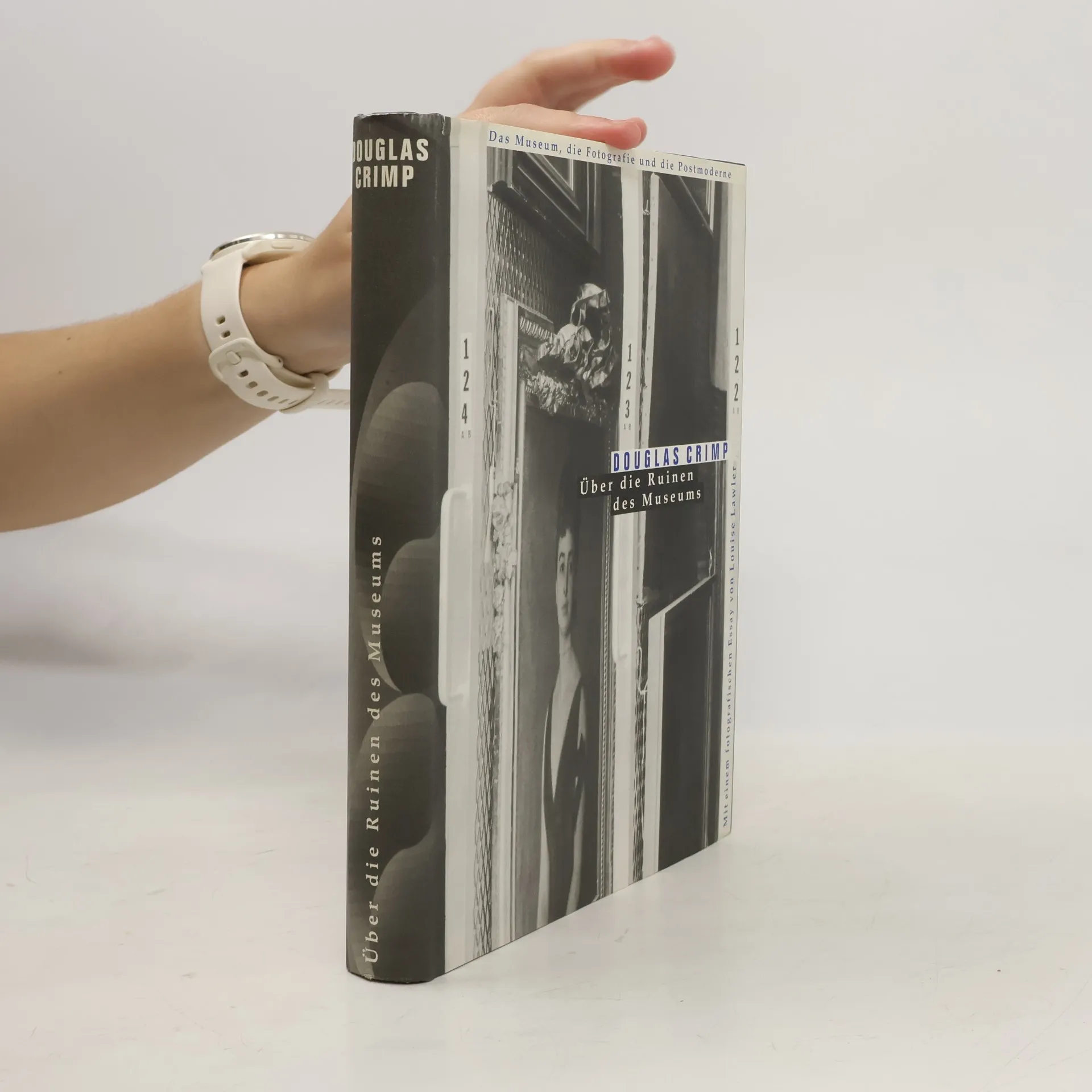
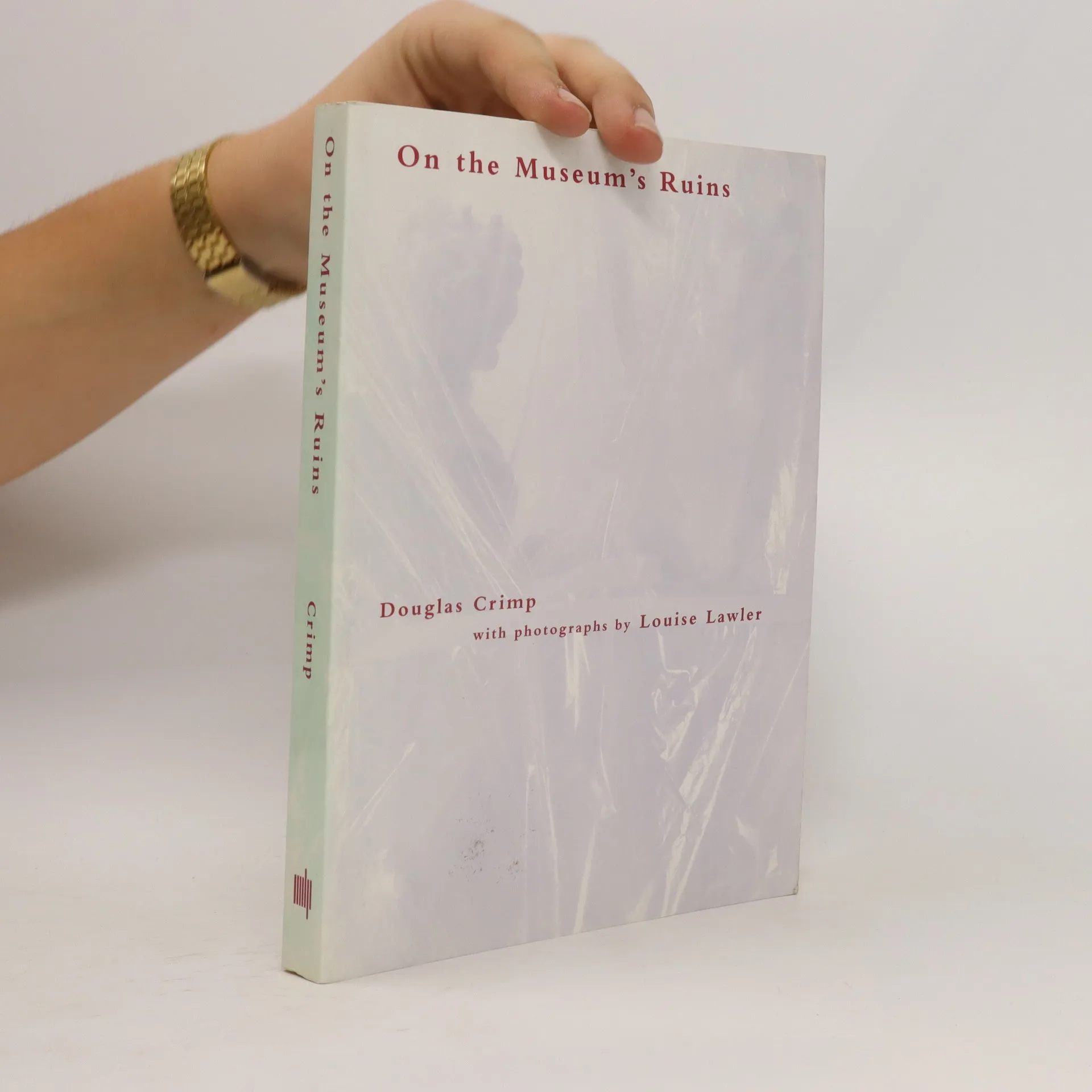
"What determines the significance of a work of art? Doe it abide eternally within the work? Or is it continually constructed and reconstructed from the outside, through the work's presentation? The historical shift from autonomous modernist object to postmodernist critique of institutions, from artwork to discursive context, is the subject of Douglas Crimp's essays and Louise Lawler's photographs in On the Museum's Ruins. Taking the museum as paradigmatic institution of artistic modernism, Crimp surveys its historical origins and current transformations. The new paradigm of postmodernism is elaborated through analyses of art practices broadly conceived--not only the practices of artists but also those of critics and curators, of international exhibitions, and of new or refurbished museums."--back cover.
SoCCAS Symposium - 3: The Aesthetics of Risk
- 416 pages
- 15 hours of reading
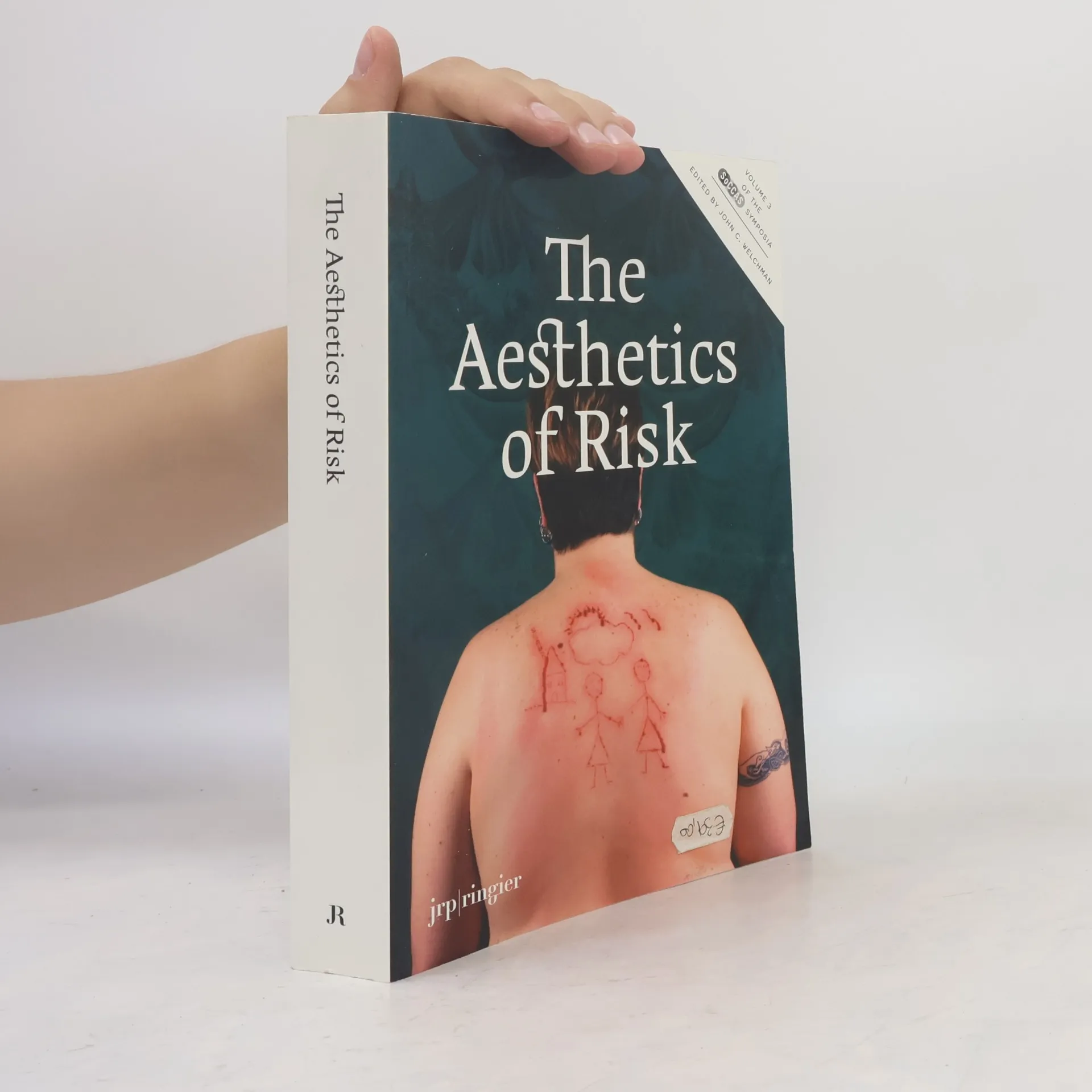
This anthology of essays, images and dialogues exploring contemporary art's engagements with risk--physical, social, political and aesthetic--brings readers into the conference from which the book takes its title, a third annual collaboration between the Getty Research Institute and the Southern California Consortium of Art Schools (SoCCAS). Some content there was so intense that it came with a warning label: "Contains graphic depictions of violence, nudity and bodily functions. No one under the age of 18 years will be admitted." "The Aesthetics of Risk" showcases conversations between Catherine Opie and Douglas Crimp, Paul McCarthy and Kristine Stiles, and presentations including "Aestheticizing Risk in Wartime: The SLA to Iraq." Featured artists include Brock Enright and Steve Kurtz. Featured critics and commentators include Jane Blocker of the University of Minnesota, independent curator Rachel Greene, Richard Shiff of the University of Texas at Austin and Stiles, Professor at Duke University. Editor John C. Welchman is professor of modern and contemporary art history and theory at the University of California, San Diego, and the editor of the most recent title in this series, "Institutional Critique and After."
The Lesbian and Gay Studies Reader
- 688 pages
- 25 hours of reading
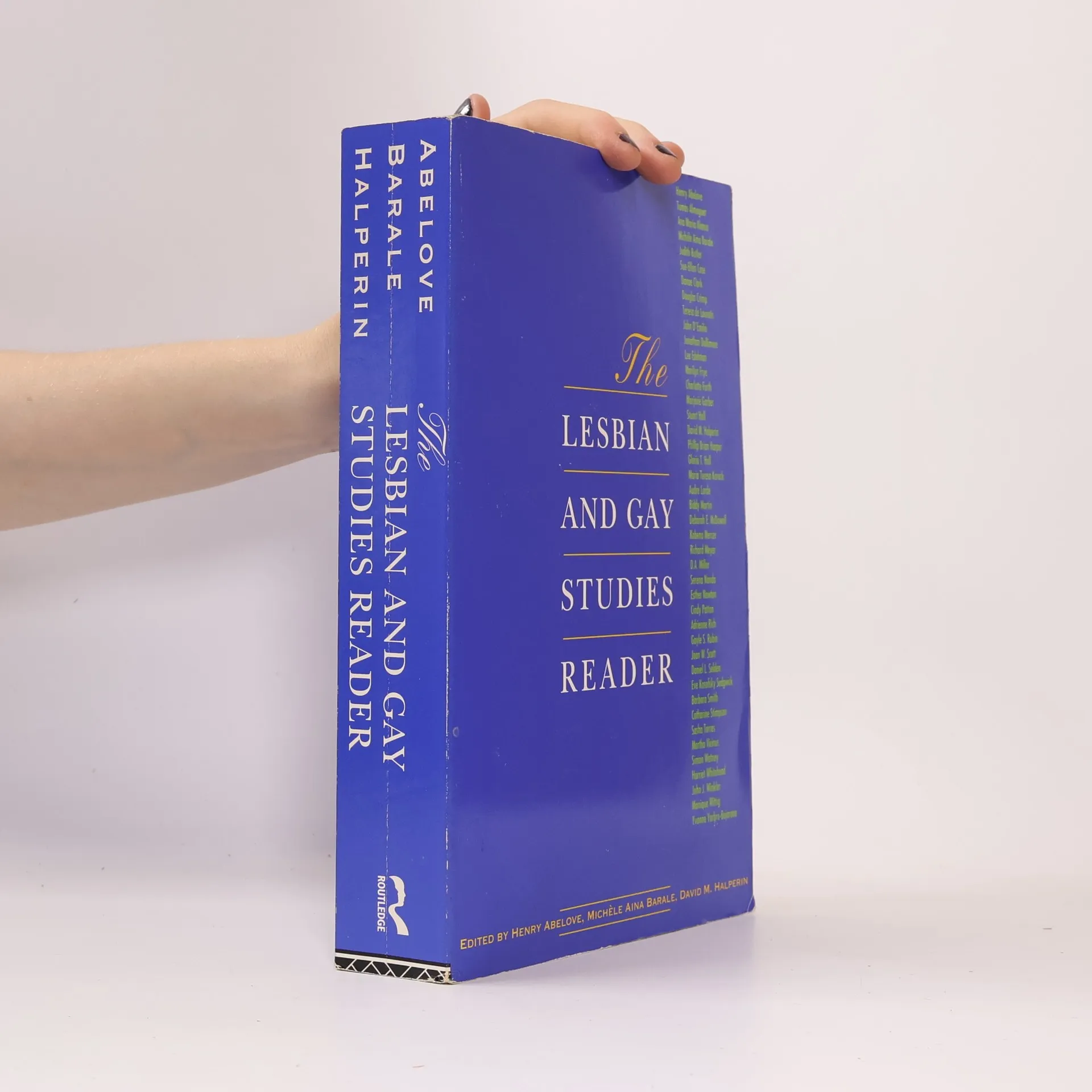
This anthology brings together forty-two influential essays, many regarded as classics, providing a vital overview of contemporary lesbian and gay studies. It showcases the breadth and depth of current scholarship, featuring contributions from esteemed scholars such as Judith Butler, John D'Emilio, and Eve Kosofsky Sedgwick. The essays delve into diverse sexual, ethnic, racial, and socio-economic experiences, reflecting a wide range of disciplines including history, literature, cultural studies, and sociology. The collection addresses significant themes such as gender roles, feminist theory, AIDS, and the politics of representation, while also exploring figures and topics like Oscar Wilde, Gertrude Stein, and the hijras of India. It highlights the cultural construction of gender and sexuality, examining the impact of societal norms on individual identities and experiences. Additionally, the anthology includes an extensive bibliographical essay, serving as a valuable resource for further exploration in the field. The contributions reflect the most important English-language work in lesbian and gay studies, making it an essential read for anyone interested in understanding the complexities of sexual identity and cultural expression.
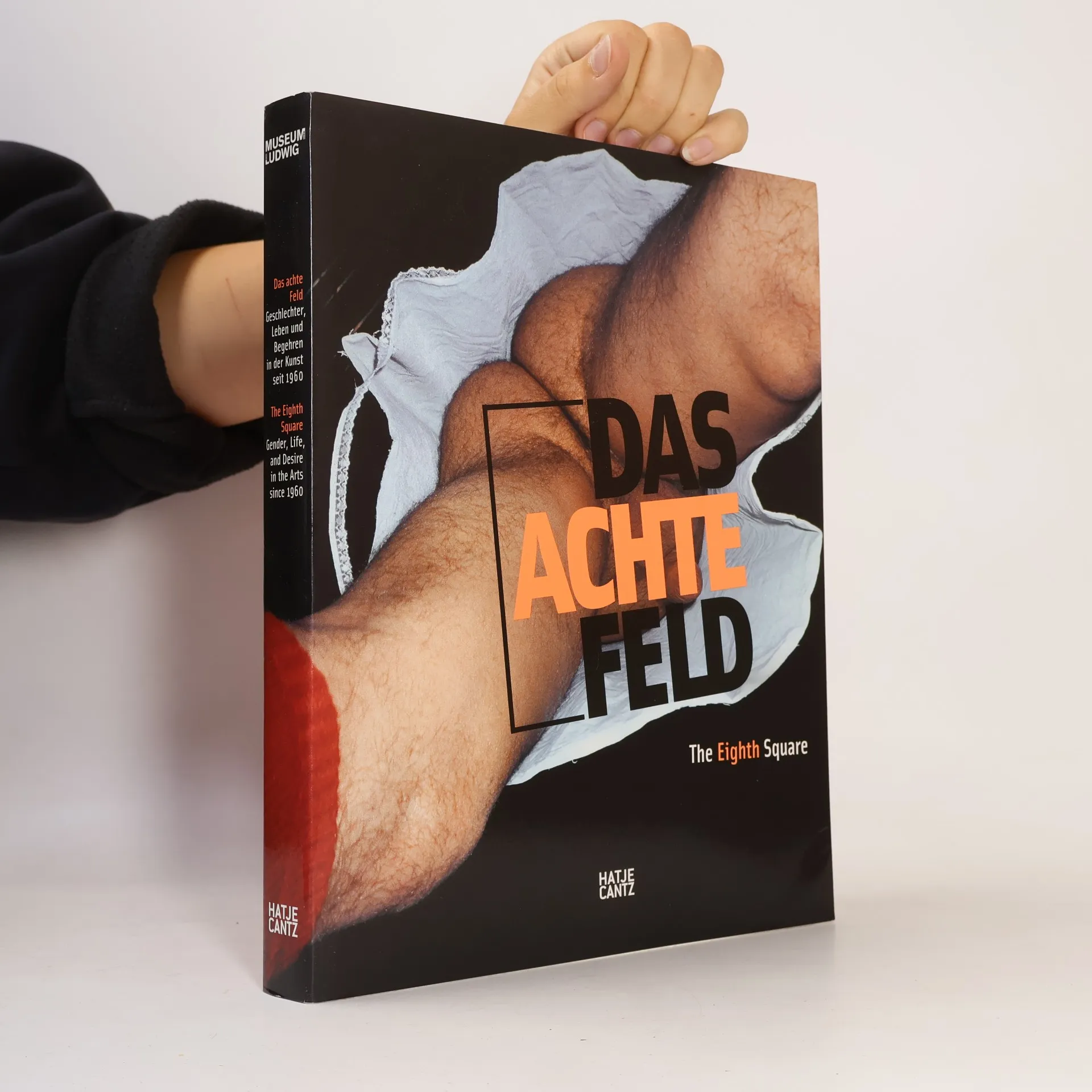
Museum Ludwig: Das achte Feld
Geschlechter, Leben und Begehren in der Kunst seit 1960 = The Eighth Square: Gender, Life, and Desire in the Arts Since 1960
- 303 pages
- 11 hours of reading
Im Schachspiel kann ein Bauer, der das achte Feld erreicht, gegen eine Figur seiner Wahl getauscht werden, was ihn von einer machtlosen in eine mächtige Figur verwandelt. Diese Metapher spiegelt wider, dass Sexualität weit über Familienpolitik und Medien hinausgeht. Sie umfasst Begehren, Macht, Verführung und Trauer, und entfaltet sich in der Kunst, die die Komplexität des Themas erfasst. Kunst ermöglicht das Spiel mit Geschlechtern und verbotenen Wünschen und thematisiert deren Widersprüchlichkeit. In einer liberalisierten, normalisierten Welt stellt sich die Frage, wie abweichendes Begehren und die Realität für weibliche Männer und männliche Frauen aussehen. Die Ausstellung präsentiert über 80 internationale Künstler und bietet einen neuen Blick auf Drag, Gender, Queerness und Transsexualität, die in all ihren Facetten und erotischen Ausdrucksformen gezeigt werden. Zu den Künstlern zählen Diane Arbus, Nicole Eisenman, Robert Gober, David Hockney, und viele mehr. Die Ausstellung fand im Museum Ludwig Köln statt und beleuchtet historische sowie gesellschaftliche Entwicklungen in der Kunst.