

Presents the history of the bicycle, an invention that precipitated nothing short of a social revolution. This book recounts a story replete with disputed patents, brilliant inventions, and missed opportunities. It shows us why the bicycle captured the public's imagination and the myriad ways it has reshaped our world.
David Herlihy Book order (chronological)
May 8, 1930 – February 15, 1991
David V. Herlihy is an author and historian whose work delves into the history of cycling. His writings are characterized by deep research and narrative storytelling that brings to life past eras and figures associated with the sport. Through his work, Herlihy explores the cultural and social impact of cycling and its place in human adventures. His approach is grounded in meticulous historical inquiry and compelling prose, drawing readers into worlds that have long since passed.



Looking beyond the view of the plague as unmitigated catastrophe, Herlihy finds evidence for its role in the advent of new population controls, the establishment of universities, the spread of Christianity, the dissemination of vernacular cultures, and even the rise of nationalism.
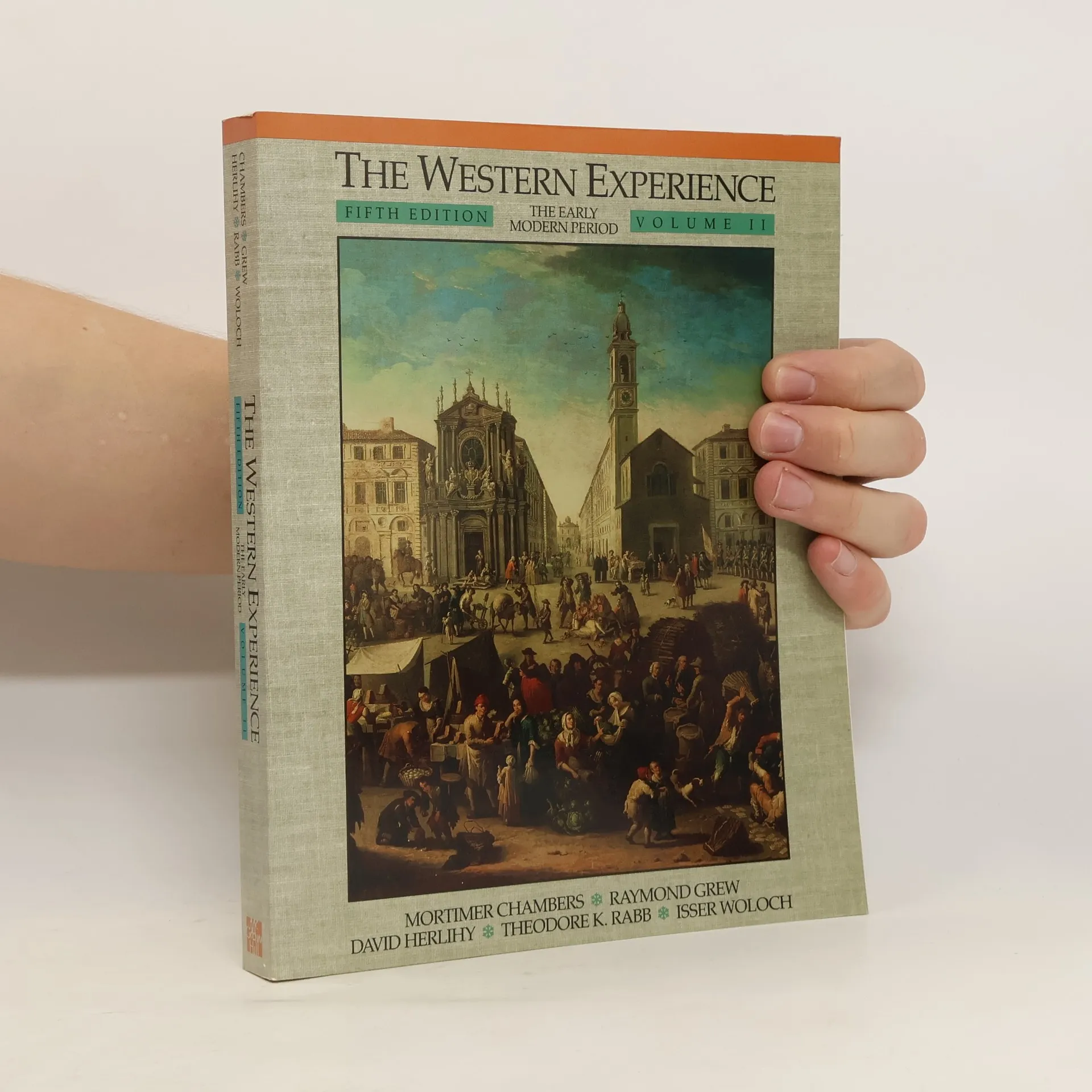
This book is part of a series that integrates social, economic, cultural and political elements of Western civilization. Each chapter is written as a complete unit - exploring historical themes, causes and processes, rather than simply stating names, dates and events. Volume I covers antiquity to the Middle Ages, volume II the early modern period to Napoleonic times and volume 3 the modern era to the present.
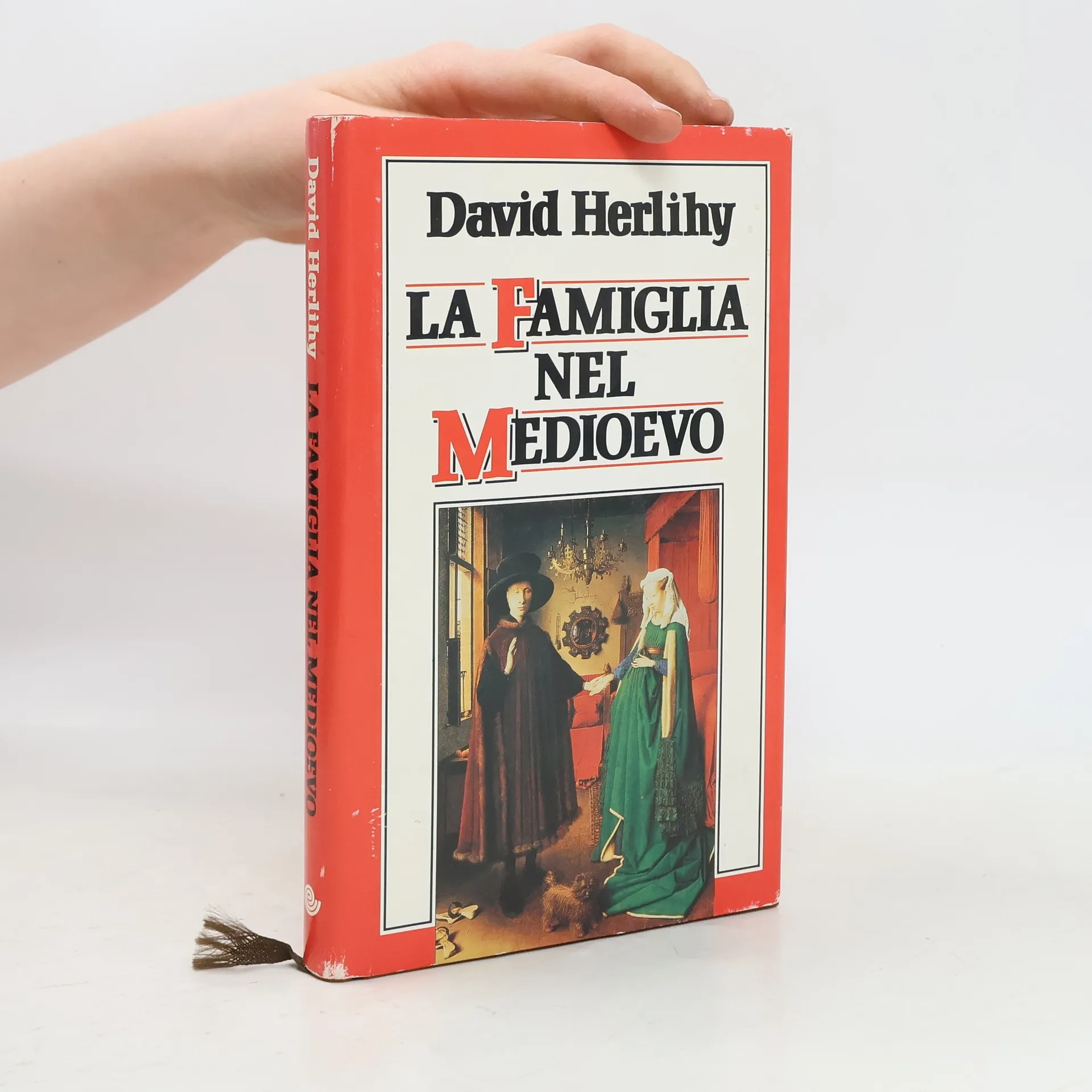
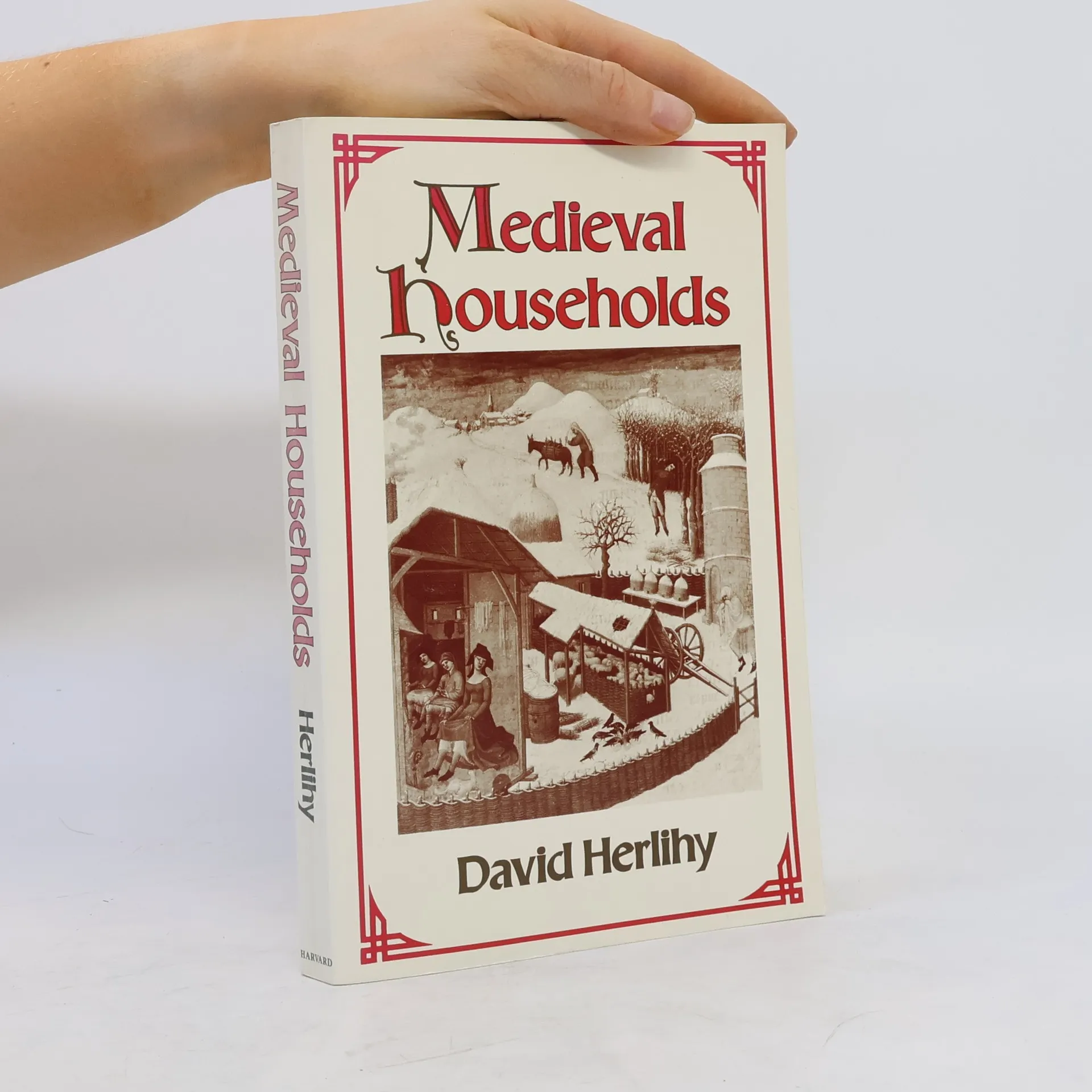
Traces the history of family life during the Middle Ages and examines medieval marriages, childhood, motherhood, and fatherhood.
The History of Feudalism
- 352 pages
- 13 hours of reading
Editor David Herlihy gives examples of the principal types of documents that historians use in their investigations of feudal society. These include not only laws and legal commentaries, private charters and administrative records, but also selections from chronicles, saints' lives, sermons, liturgical works, and imaginative literature. Together these diverse sources illustrate in concrete and human terms the relationships between men and women, governments and their people, which were at the heart of the feudal system. Most of the documents have been newly translated.