

First published in essay form in 1956, this book presents Sellars' entire philosophical system and his attack on the Myth of the Given, which raised doubts about the very idea of epistemology. An introduction situates the work within the history of recent philosophy.
Wilfrid Sellars Books
May 20, 1912 – July 2, 1989
Wilfrid Sellars was an American philosopher renowned for his critique of foundationalist epistemology. His central aim was to reconcile intuitive ways of understanding the world with a thoroughly scientific, naturalist account of reality. Sellars masterfully synthesized elements of American pragmatism, British and American analytic philosophy, and logical positivism with the German tradition of transcendental idealism. His work is celebrated for its sophisticated argumentation and pursuit of a synoptic vision.

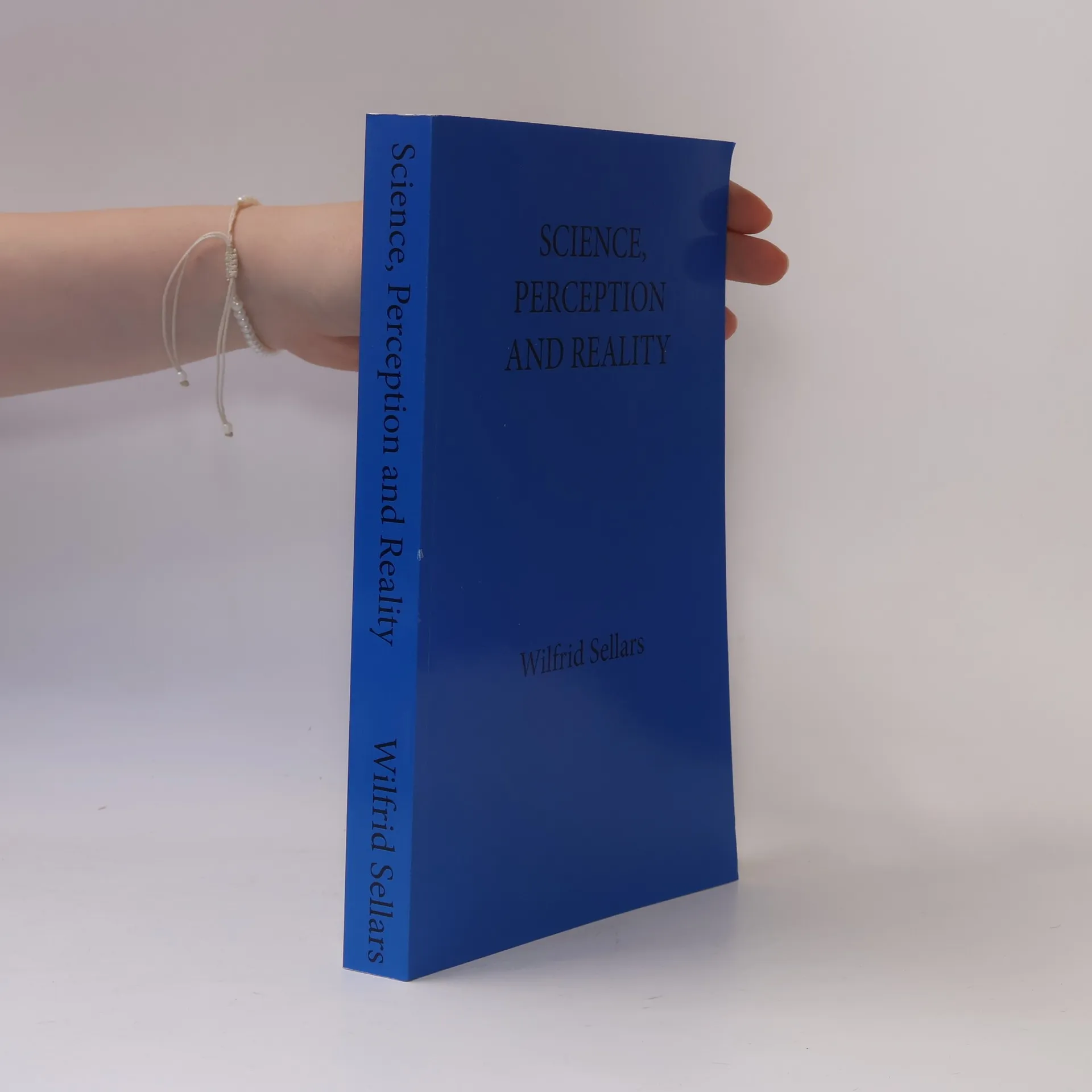
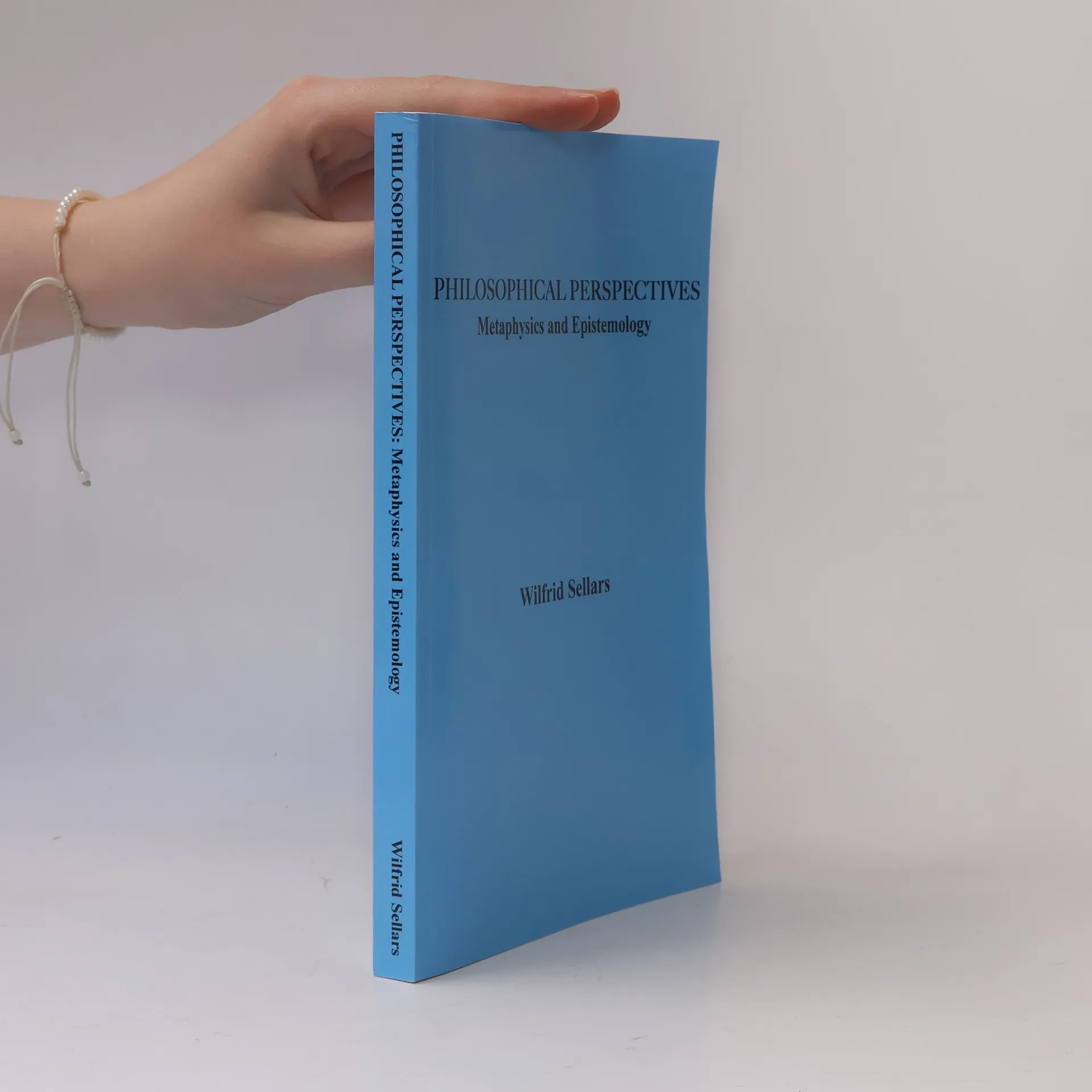
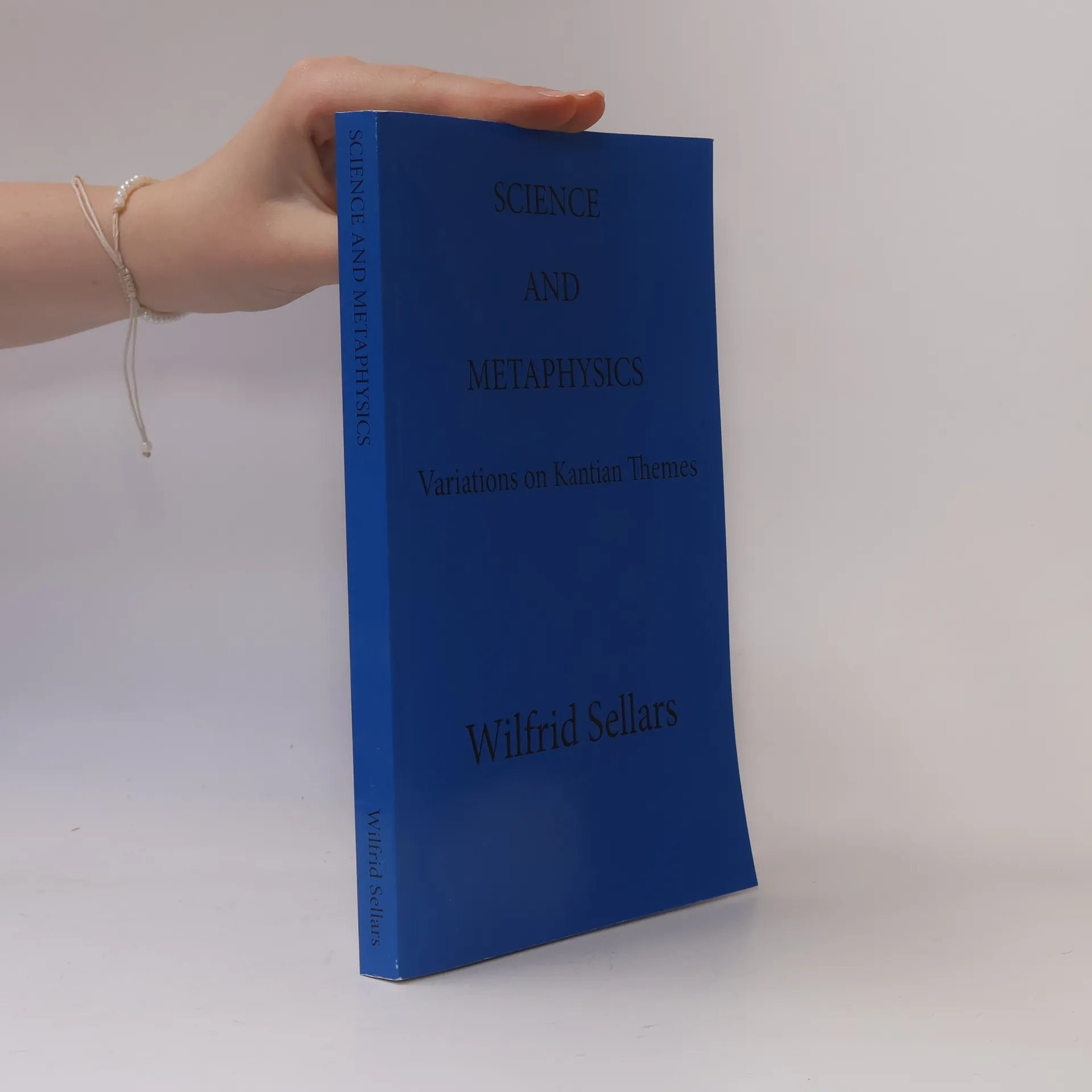

Science and Metaphysics contains Sellars' John Locke Lectures. Besides considerable attention to doctrines of Kant's, Sellars presents "in systematic form the views I have developed and modified in paper after paper over the past twenty years."
This book is a collection of essays by the American philosopher Wilfrid Sellars. These essays are from the late 1950s and early 1960s and concern topics in metaphysics and epistemology.
Science, Perception and Reality
- 368 pages
- 13 hours of reading
Philosophy and the Scientific Image of ManBeing and Being Known Phenomenalism The Language of Theories Empiricism and the Philosophy of Mind Truth and “Correspondence” Naming and Saying Grammar and Existence: A Preface to Ontology Particulars Is There a Synthetic A Priori? Some Reflections on Language GamesWilfrid Sellars (2012-09-27T05:00:00+00:00). Science, Perception, and Reality (Kindle Locations 29-38). Kindle Edition.
Lectures on Kant's Critique of Pure Reason by Wilfrid Sellars