Library of Communication Techniques: The Technique of Film Music
Revised and Enlarged
- 310 pages
- 11 hours of reading






Revised and Enlarged
The culturally privileged seek a more complex satisfaction, shaped by their education to appreciate the aesthetic dimensions of the arts. They engage with the intricate forms of Shakespearean plays and verse, the beauty of Greek vases and statues, the balanced aesthetic and psychological values of Renaissance portraiture, and the linguistic explorations of T. S. Eliot and James Joyce. Established arts, whether crafts or fine arts, have developed traditions that dictate their forms and the appropriate use of mediums like words, paint, canvas, wood, stone, and various musical sounds. The rich history of these arts often features young artists rebelling against the traditions set by their predecessors. This text serves as a reproduction of a significant historical work, utilizing advanced technology to digitally reconstruct the original while addressing imperfections found in aged copies. Although some flaws may remain, they are preserved to maintain the integrity of these historical texts.
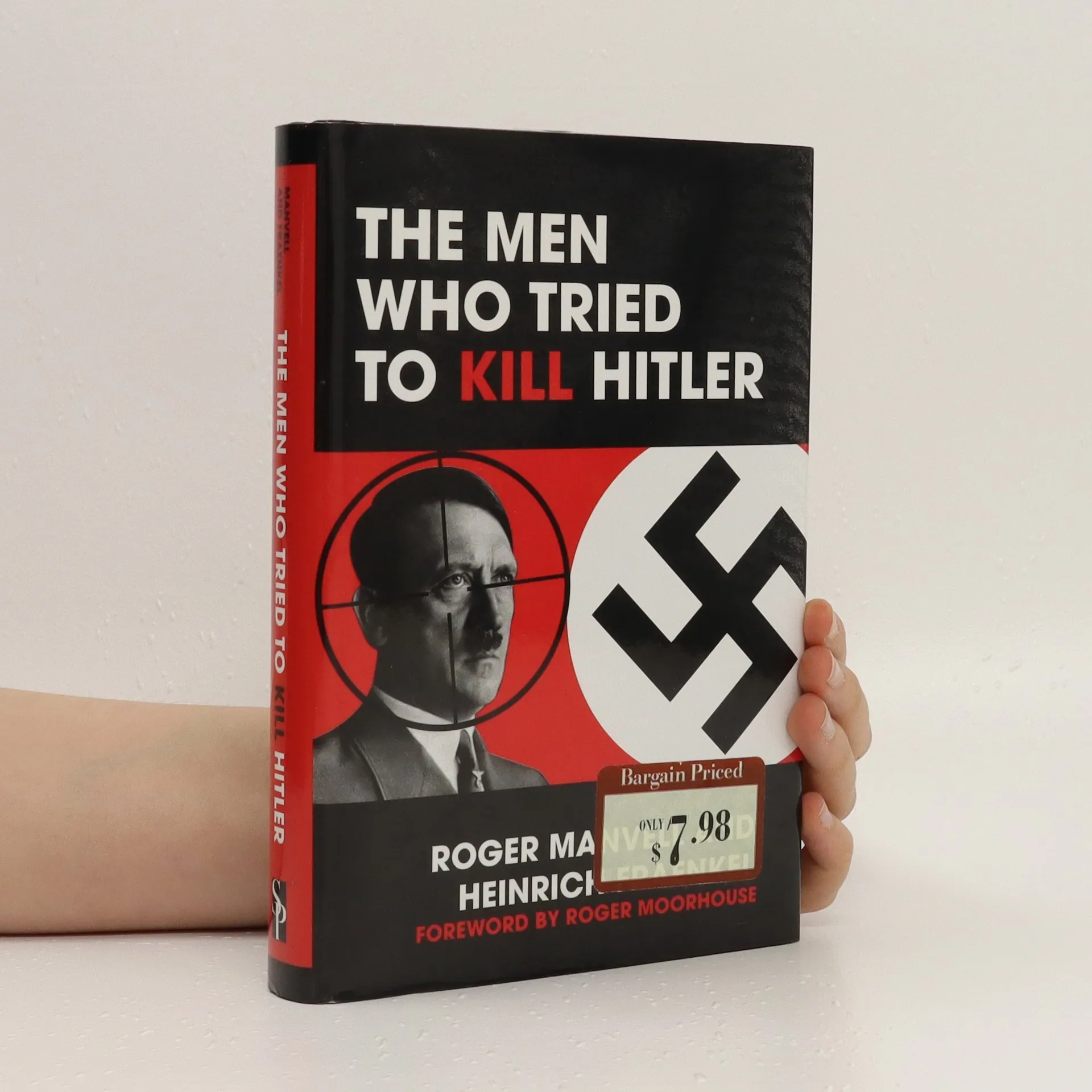
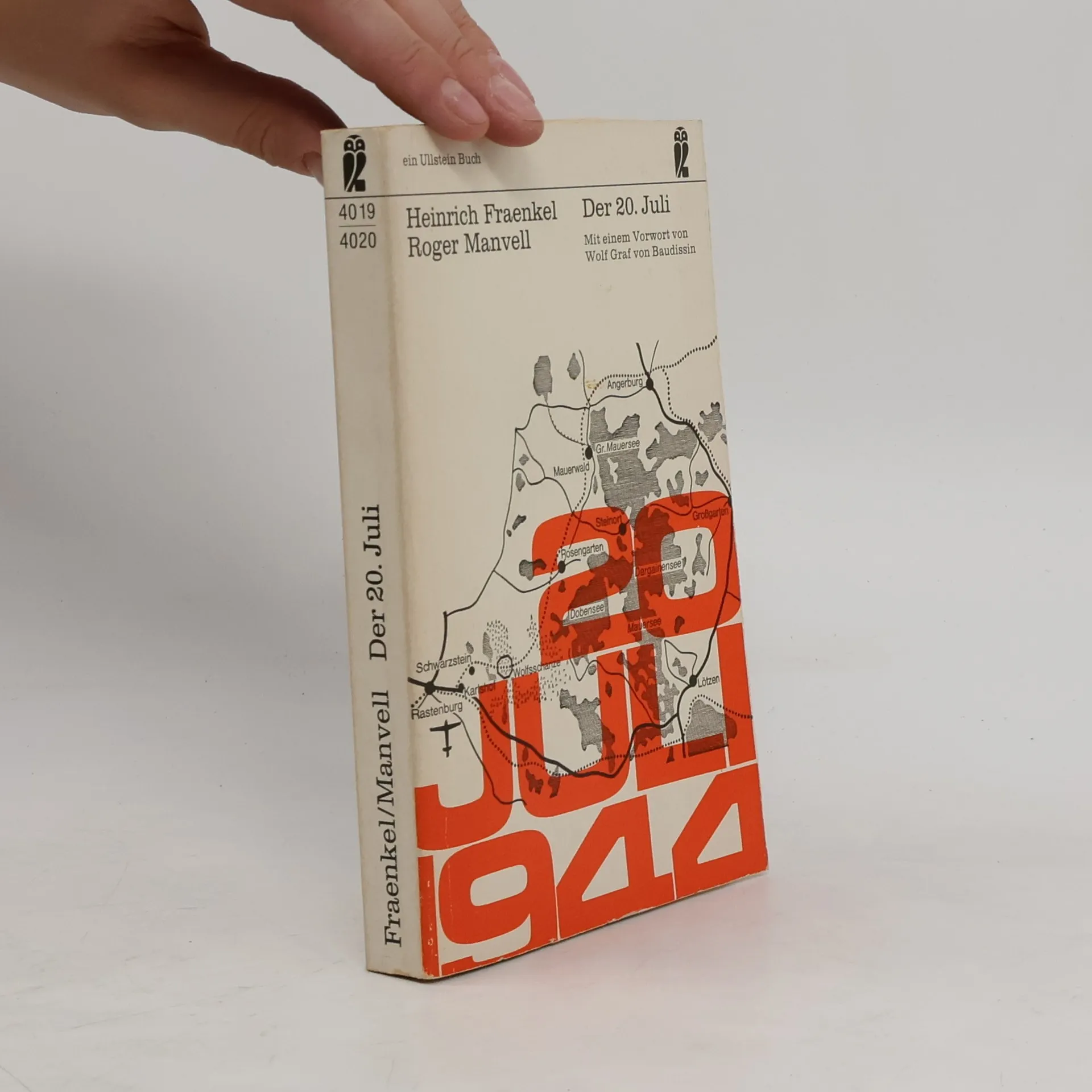
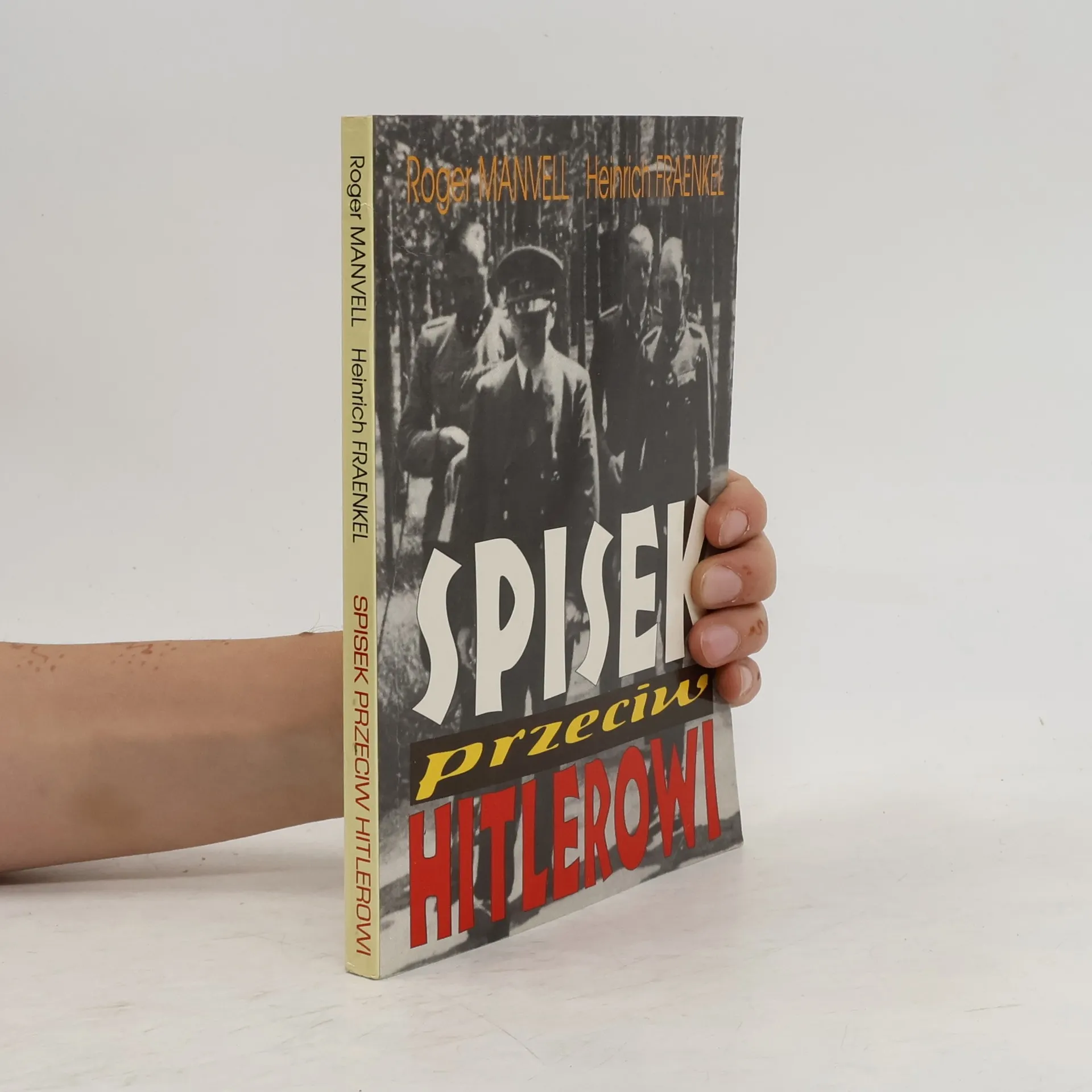
An enormous success upon its original publication in 1964, The Men Who Tried to Kill Hitler investigates the July 20, 1944, bombing of Hitler’s infamous Wolf’s Lair, a conspiracy led by Claus von Stauffenberg, a staff insider with access to the Führer. The first book to reveal the truth about the now infamous Operation Valkyrie, The Men Who Tried to Kill Hitler is “one of the most readable stories ever written about the war” ( Sunday Times ). This classic is an exciting and shocking tale of modern sabotage packed with first-hand information about Stauffenberg’s tragic failed attempt on Hitler’s life. Written when those involved were still alive and testifying, Manvell and Fraenkel’s account is the most powerful and candid telling of the near-miss assassination of Hitler ever written.
His Life and Death
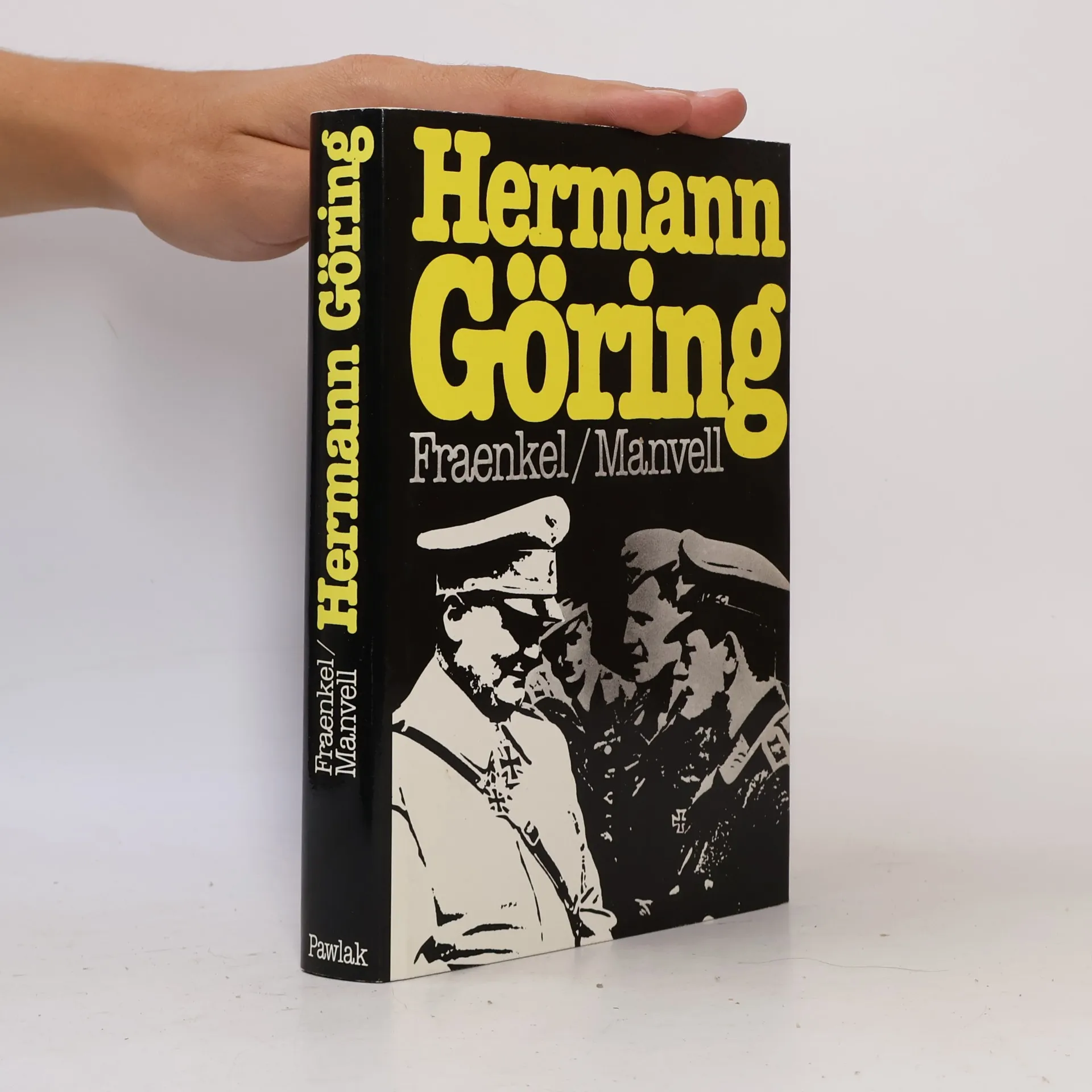
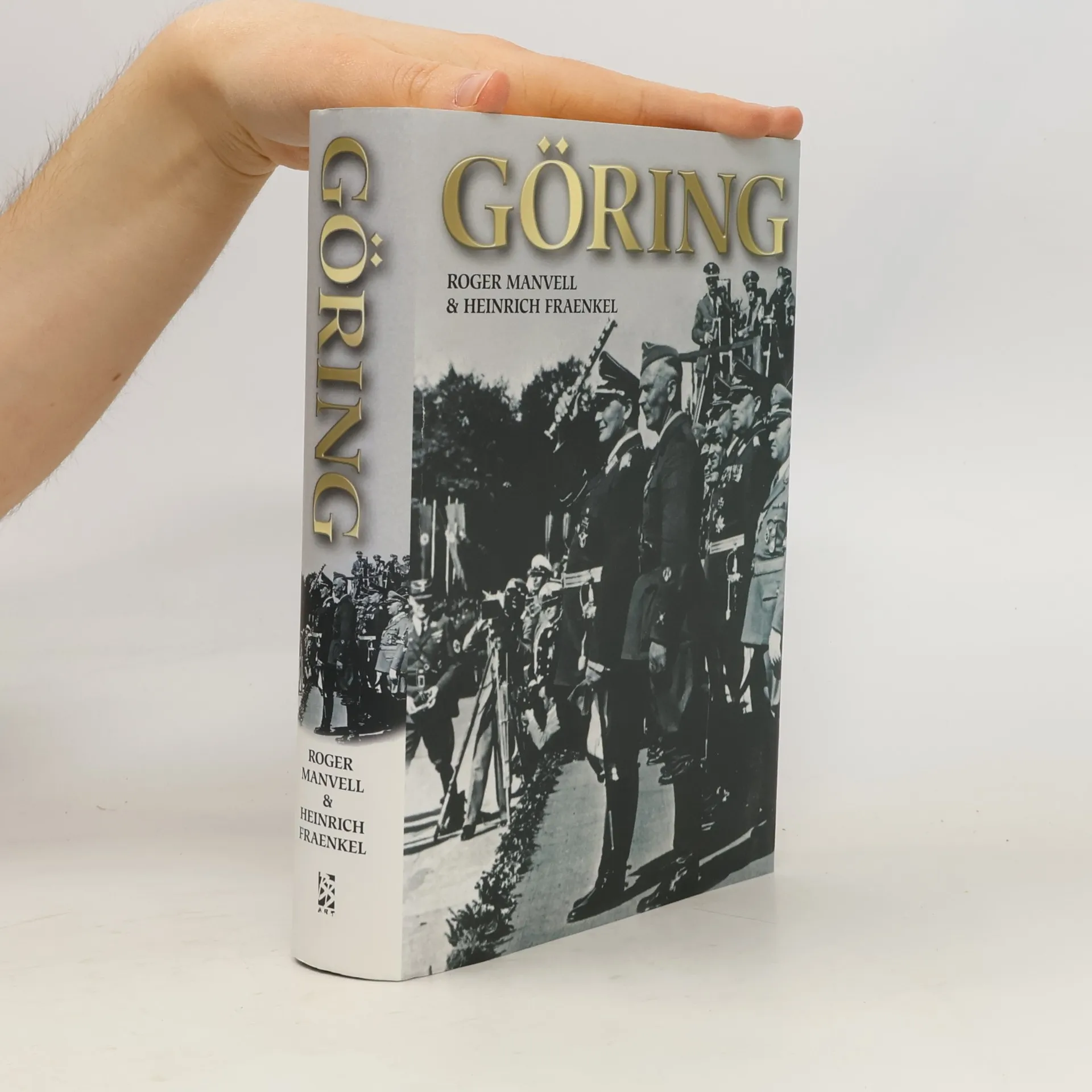
Als Oberbefehlshaber der Luftwaffe, Präsident des Reichstags, Ministerpräsident von Preußen und Hitlers designierter Nachfolger war Hermann Göring eine der fähigsten und zugleich finstersten Figuren des Dritten Reiches. In dieser klassischen Biografie haben Manvell und Fraenkel Interviews mit Mitgliedern von Görings Familie, seinen ehemaligen Mitarbeitern, Feinden und Dienern genutzt. Sein extravagantes Leben, seine Vorlieben, seine ungewöhnlichen Gewohnheiten und Uniformen sowie seine List, Ambitionen und brutale Unbekümmertheit werden in dramatischer Detailtiefe untersucht. Das Ergebnis ist ein umfassendes und intimes Porträt dieses gefährlichen und widersprüchlichen Mannes sowie eine aufschlussreiche Geschichte des Aufstiegs und des endgültigen Zusammenbruchs des Dritten Reiches.
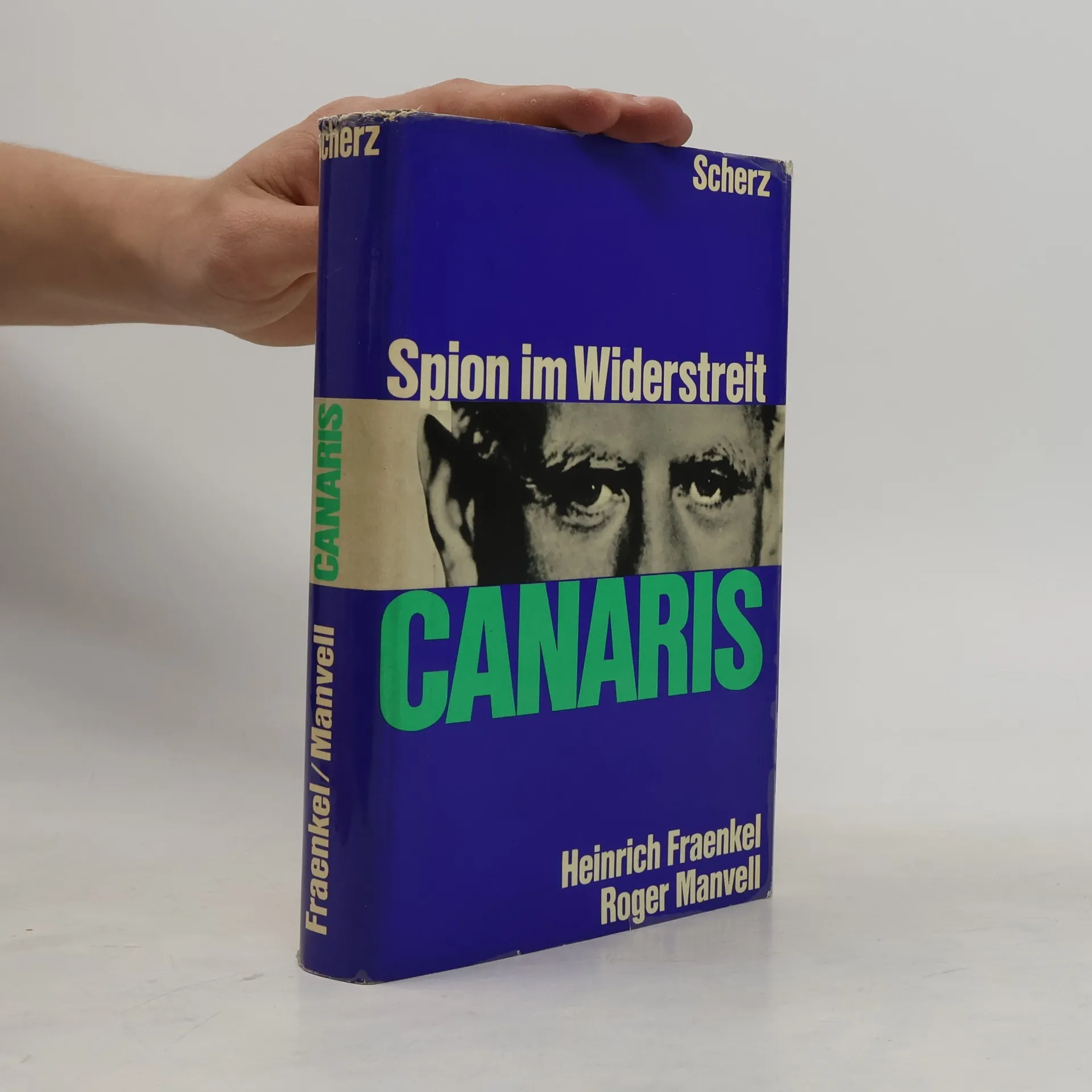
Spion im Widerstreit
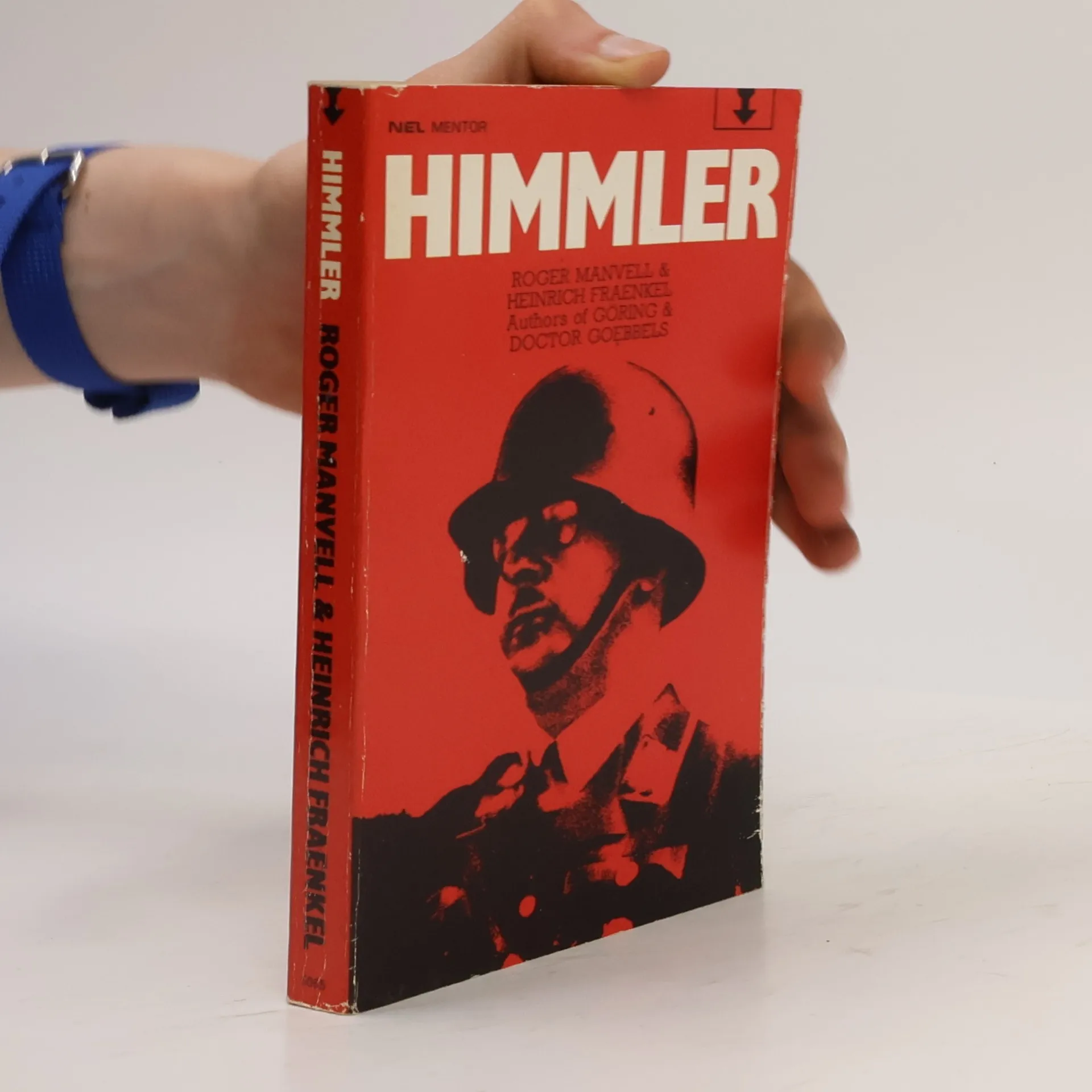
Ehre für uns bedeutet Loyalität. Aus ihrer Entstehung als eine Handvoll Männer, die Nazi-Politikveranstaltungen schützten, wuchsen die SS und die Gestapo zu der gefürchteten Polizei der Herrenrasse und unterwarfen zwei Drittel Europas ihrer organisierten Tyrannei. Unter Himmler und Heydrich verwalteten diese Korps der "arischen" Elite den systematischen Völkermord an europäischen Juden und ein Terrorregime gegen alle Feinde des Reiches.
Biografie jedné z nejvlivnějších osobností nacistického Německa a jednoho z nejbližších Hitlerových spolupracovníků - říšského maršála Hermanna Göringa. Publikace nás seznamuje s Göringovým mládím, jeho službou u letectva za první světové války, poválečnými životními osudy a následným příklonem k nacistické ideologii na přelomu 20. a 30. let minulého století. Autor se podrobně zabývá Göringovou politickou činnosti po boku A. Hitlera a rovněž jeho podílem na vybudování německého letectva (Luftwaffe). Největší pozornost věnuje jeho činnosti za druhé světové války, kdy byl velitelem letectva a po Hitlerovi druhým nejmocnějším mužem třetí říše. Závěr popisuje jeho zajetí a průběh jednání norimberského soudního tribunálu, který odsoudil Göringa k smrti, které odsouzený nacistický pohlavár unikl sebevraždou. Kniha obsahuje bohatý poznámkový aparát, přílohy, rejstřík a seznam použitých pramenů a literatury.
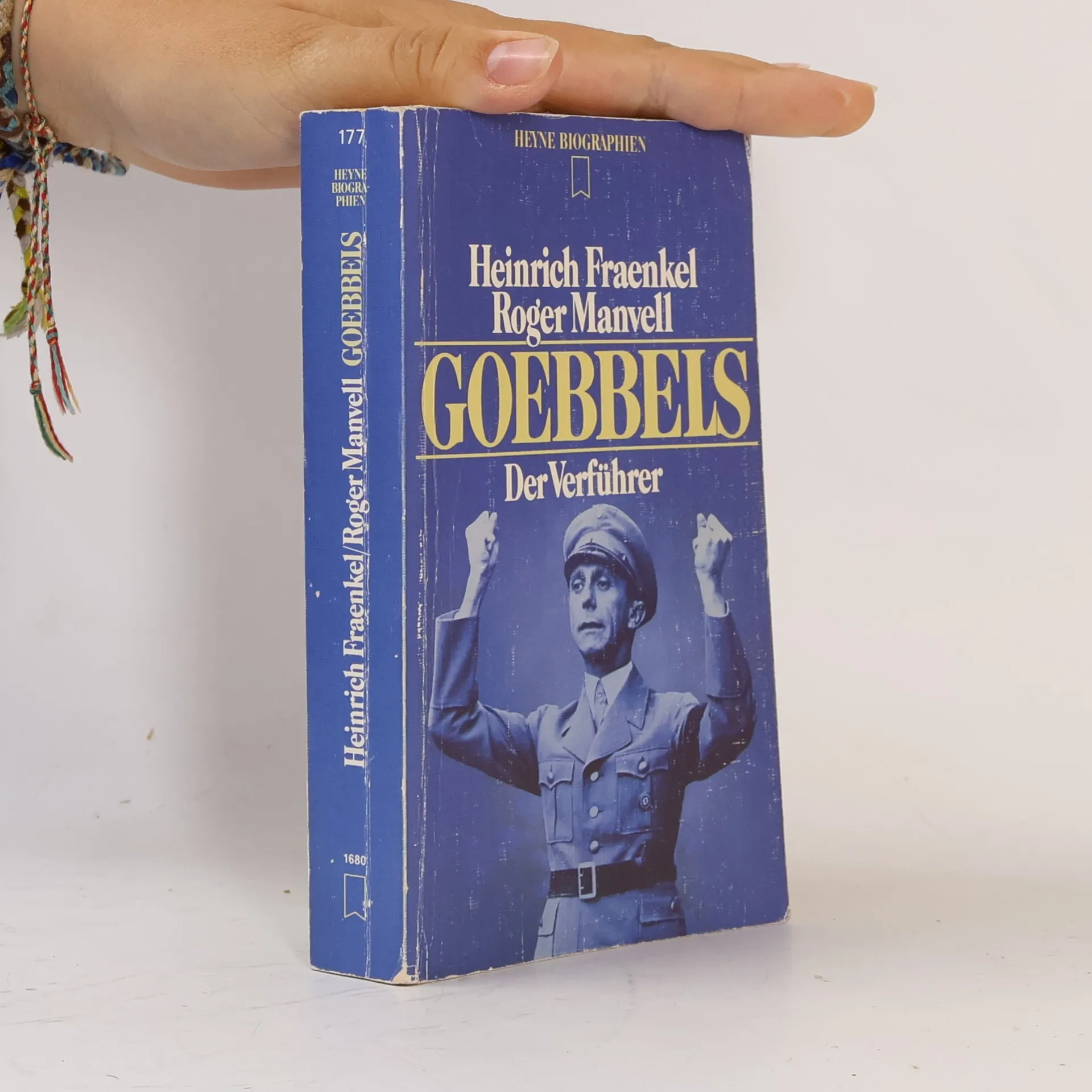
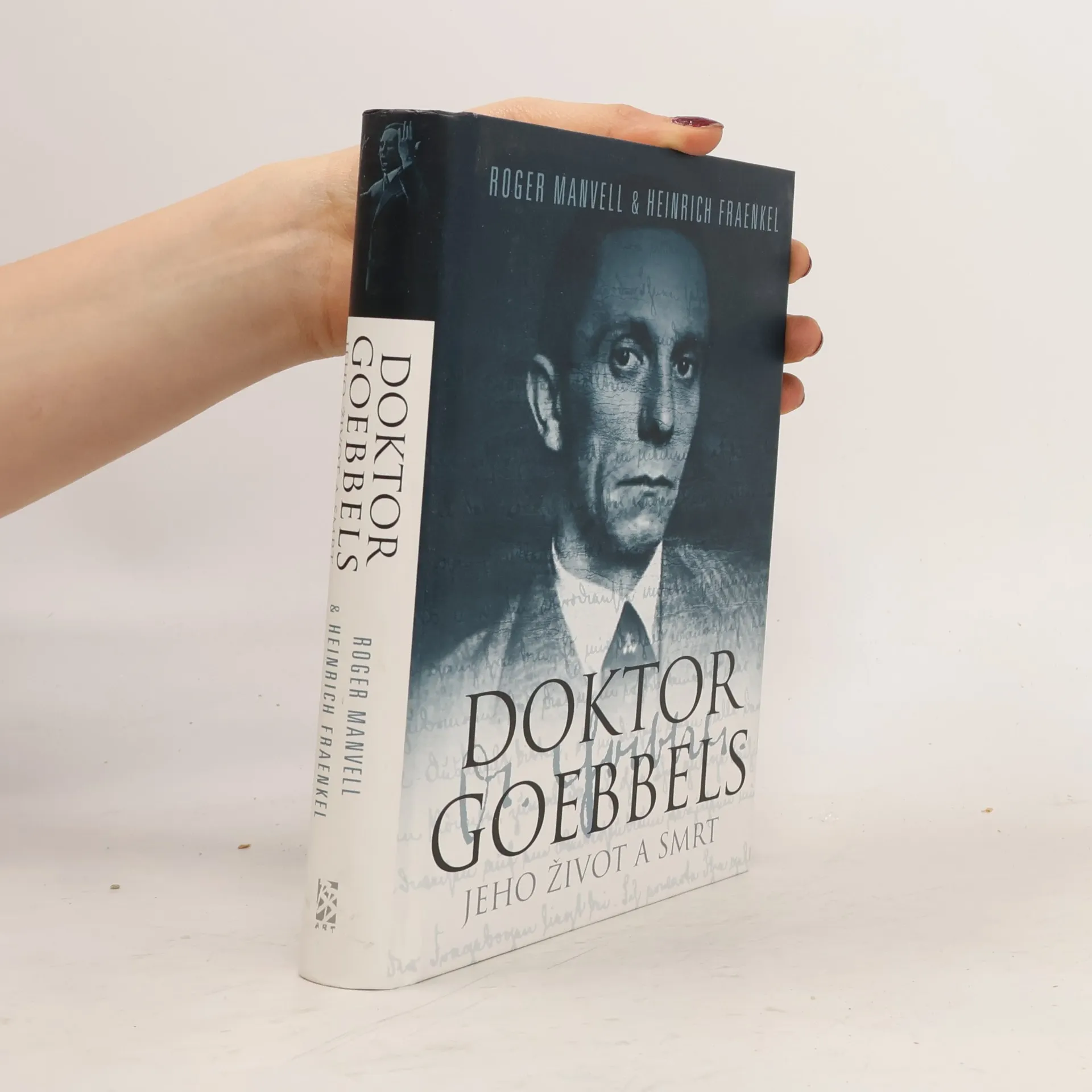
Životopis vlivného nacistického politika, říšského ministra propagandy doktora Josepha Goebbelse, zachycuje jeho osobní a politickou kariéru. Od dětství a vstupu do politiky až po jeho vzestup v nacistické hierarchii a roli v ministerstvu propagandy během druhé světové války. Kniha se opírá o jeho deníky, záznamy spolupracovníků a vzpomínky pamětníků. Goebbels byl jedním z nejnebezpečnějších a nejinteligentnějších členů nacistické hierarchie, jehož propagandistické dovednosti pomohly Hitlerovi získat moc. Jeho chápání veřejné osvěty umožnilo udržení diktatury. Jako zakladatel říšské kulturní komory a gauleiter Berlína se stal architektem moderní totalitní propagandy, což ho činí jedním z nejvýznamnějších představitelů zla 20. století. Kniha zobrazuje Goebbelse na vrcholu moci jako mistra řečnictví a cynického showmana, ale také na konci jeho života v berlínském bunkru, kde provedl poslední propagandistické gesto, když obětoval svůj život i životy své rodiny. Autoři čerpali z historických materiálů, včetně jeho deníků a svědectví pamětníků, včetně české herečky Lídy Baarové.