Pierre's Not There
- 208 pages
- 8 hours of reading
A girl who transforms into a dog, a magic puppet show with the power to change lives and a story about the mysteries of the imagination from Ursula Dubosarsky, the Australian Children's Laureate.


Ursula Dubosarsky's writing delves into the poignant transition of childhood and its inevitable passing. Her narratives often explore the experiences of young protagonists as they observe, question, and grow, fundamentally changing as their formative years recede. Dubosarsky captures the delicate balance between personal reflection and broader life lessons, noting how influences shape young lives. Her work offers a sensitive portrayal of growing up and the enduring impact of those transformative experiences.
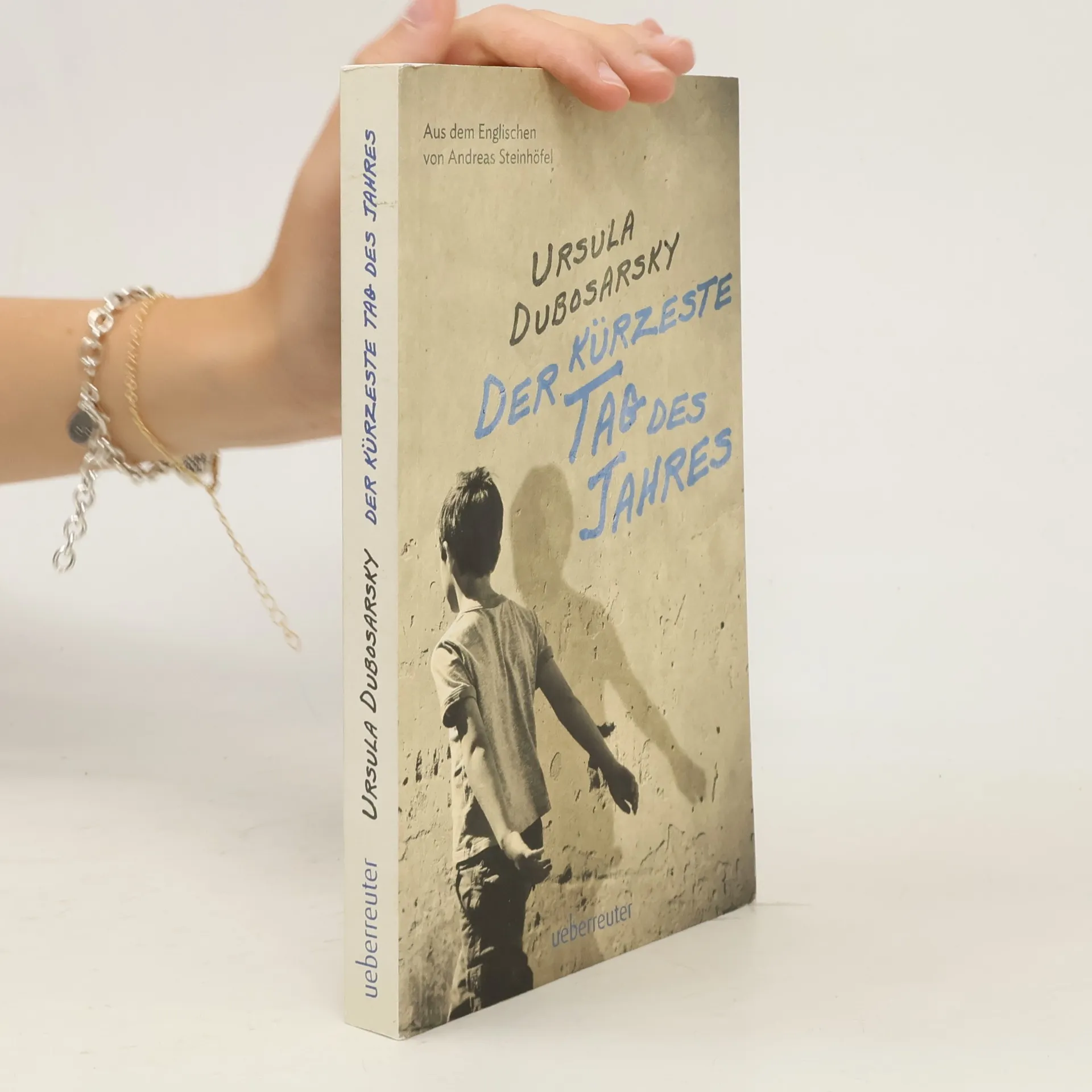



A girl who transforms into a dog, a magic puppet show with the power to change lives and a story about the mysteries of the imagination from Ursula Dubosarsky, the Australian Children's Laureate.
The Vietnam War rages overseas but back home, in a year that begins with the hanging of one man and ends with the drowning of another, 11 schoolgirls embrace their own chilling history when their teacher abruptly goes missing during a school outing. Who was the mysterious poet they had met in the garden? What actually happened in the seaside cave that day? And most important, who can they tell about it? In beautifully crafted prose that shimmers and fades, Ursula Dubosarsky reveals how a single shared experience can alter the course of young lives for ever
Three sisters growing up in post-World War II Sydney, Australia, deal with their mentally unstable father, their possibly unfaithful mother, and the defecting Russian spy who lives next door.
Um die Liebe seiner Ehefrau zu testen, erfindet der Opernsänger Elkanah ein Engagement in Philadelphia, das die Familie zum Umzug zwingen würde. Während sich der Rest der Familie damit abfindet, hat die Lüge unerwartete Konsequenzen für den sensiblen Samuel, der Australien nicht verlassen möchte. In seiner Not wendet er sich an seinen Großvater Elias. Da dieser als Jude aus Nazideutschland geflohen ist, ist für ihn die Vorstellung einer „Deportation“ furchtbar. Außerdem verbindet ihn eine besondere Beziehung zu seinem Enkel. Elias fasst kurzerhand den Entschluss, Samuel zu entführen und ihn so bei sich zu behalten – eine Entscheidung, die für Samuel beinahe das Todesurteil bedeutet …