A study of 20th-century American society. Its now-classic analysis of the new middle class in terms of inner-directed and other-directed social character opened new dimensions in our understanding of the psychological, political and economic problems that confront the individual in society. schovat popis
Igor Hájek Book order (chronological)



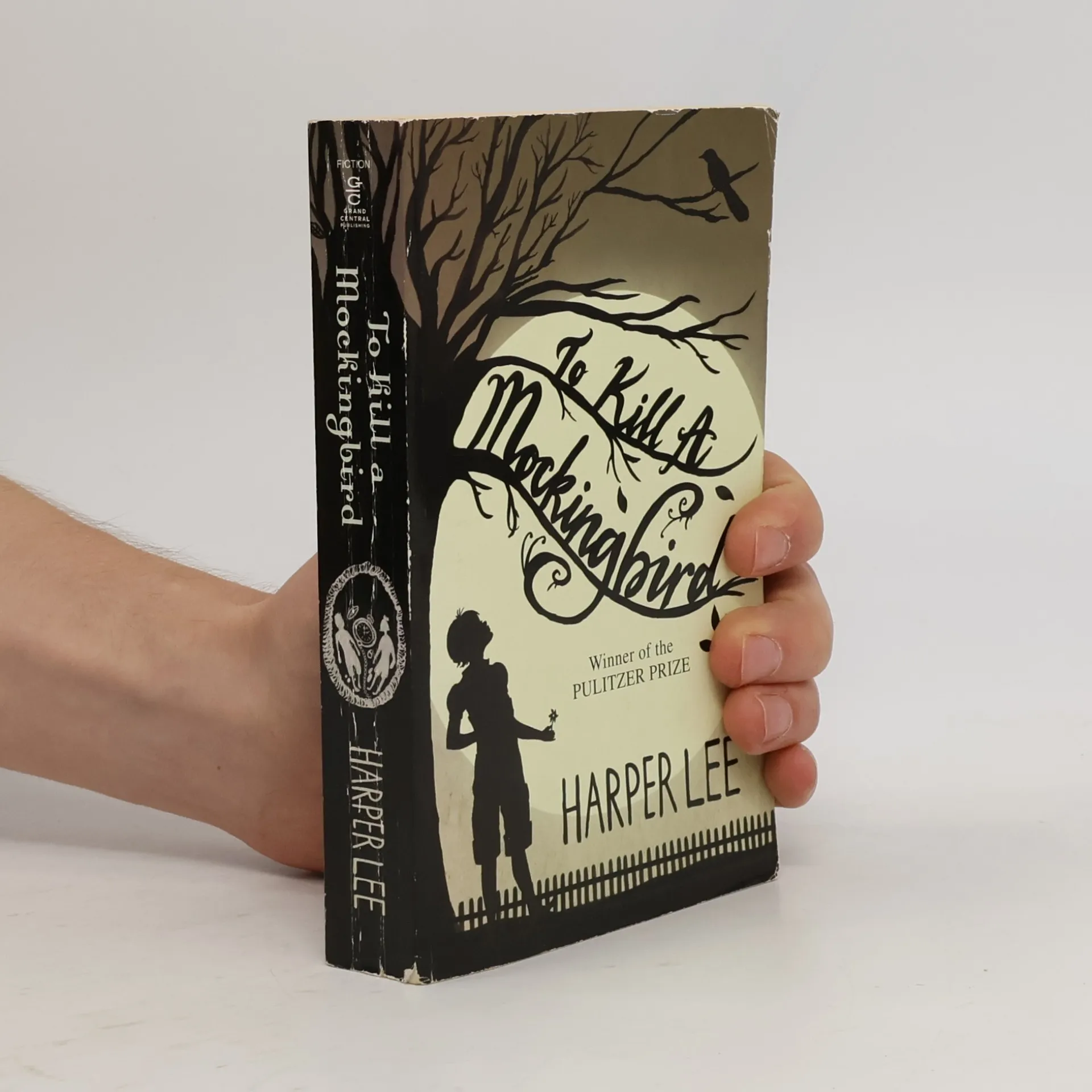

The unforgettable novel of a childhood in a sleepy Southern town and the crisis of conscience that rocked it, To Kill A Mockingbird became both an instant bestseller and a critical success when it was first published in 1960. It went on to win the Pulitzer Prize in 1961 and was later made into an Academy Award-winning film, also a classic. Compassionate, dramatic, and deeply moving, To Kill A Mockingbird takes readers to the roots of human behavior - to innocence and experience, kindness and cruelty, love and hatred, humor and pathos. Now with over 18 million copies in print and translated into forty languages, this regional story by a young Alabama woman claims universal appeal. Harper Lee always considered her book to be a simple love story. Today it is regarded as a masterpiece of American literature.
In a small Pennsylvania town in the late 1940s, schoolteacher George Caldwell yearns to find some meaning in his life. Alone with his teenage son for three days in a blizzard, Caldwell sees his son grow and change as he himself begins to lost touch with his life. Interwoven with the myth of Chiron, the noblest centaur, and his own relationship to Prometheus, The Centaur is one of John Updike's most brilliant and unusual novels.
Pražské peřeje
- 324 pages
- 12 hours of reading
Reportáž amerického novináře o událostech v Československu od podzimu 1967 do zimy 1970. Exilové vydání. Obálku s použitím obrazu Jaroslava Hovadíka navrhl a grafickou úpravu knihy provedl Mikuláš Kravjanský. Fotografické práce Pavel Řehuřek.
Vetřelec
- 324 pages
- 12 hours of reading
Americký román je odezvou na události v jižních státech USA, které nastaly po zrušení segregace bílých a černých studentů na středních školách. Autor svůj příběh zasazuje do malého jižanského městečka, jehož poklidnou hladinu zčeří příchod mladého fašistického agitátora, kterýse snaží ..
The "brilliant, funny, meaningful novel" (The New Yorker) that established J. D. Salinger as a leading voice in American literature--and that has instilled in millions of readers around the world a lifelong love of books. "If you really want to hear about it, the first thing you'll probably want to know is where I was born, and what my lousy childhood was like, and how my parents were occupied and all before they had me, and all that David Copperfield kind of crap, but I don't feel like going into it, if you want to know the truth." The hero-narrator of The Catcher in the Rye is an ancient child of sixteen, a native New Yorker named Holden Caufield. Through circumstances that tend to preclude adult, secondhand description, he leaves his prep school in Pennsylvania and goes underground in New York City for three days.
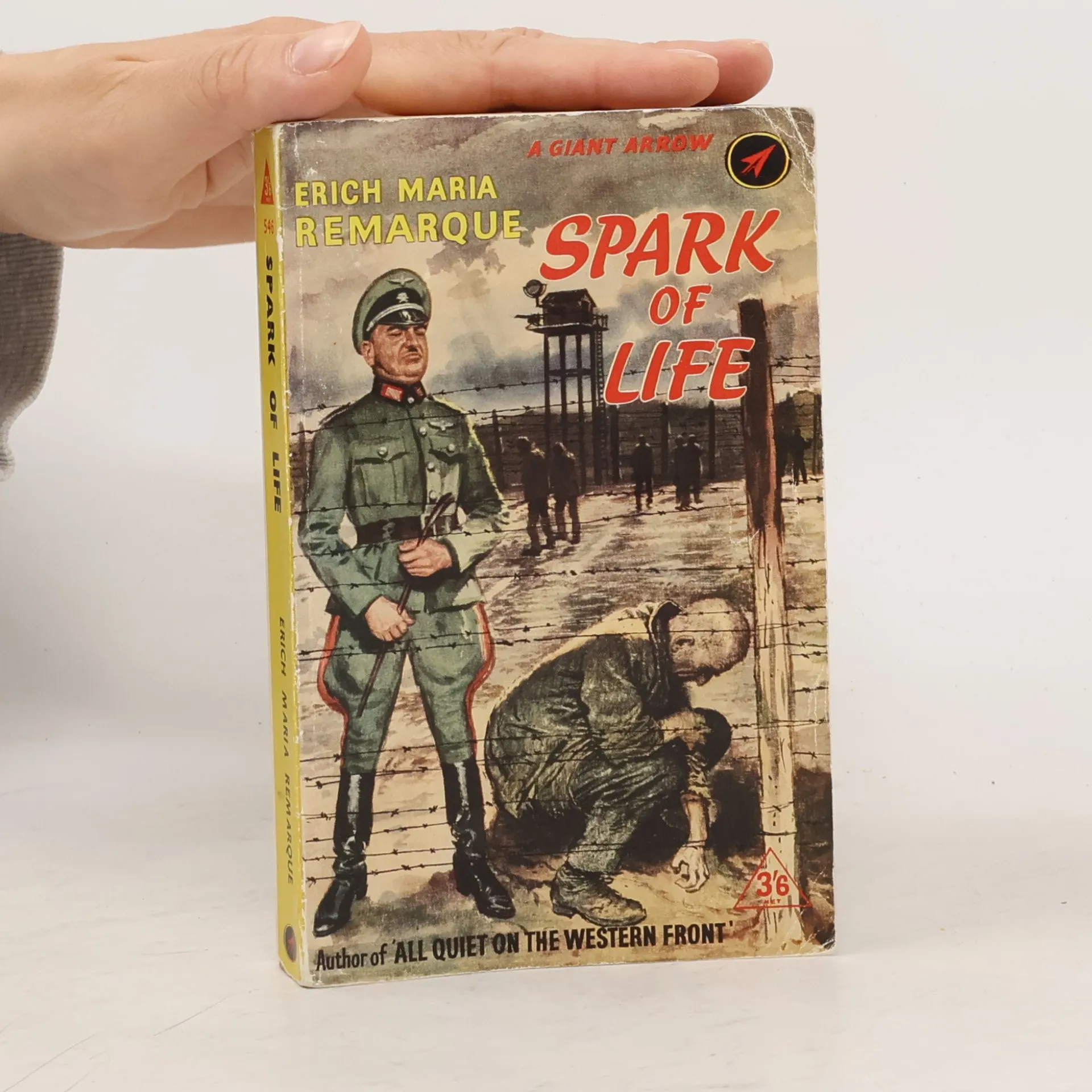
In Spark of Life, a powerful classic from the renowned author of All Quiet on the Western Front, one man’s dream of freedom inspires a valiant resistance against the Nazi war machine. For ten years, 509 has been a political prisoner in a German concentration camp, persevering in the most hellish conditions. Deathly weak, he still has his wits about him and he senses that the end of the war is near. If he and the other living corpses in his barracks can hold on for liberation—or force their own—then their suffering will not have been in vain. Now the SS who run the camp are ratcheting up the terror. But their expectations are jaded and their defenses are down. It is possible that the courageous yet terribly weak prisoners have just enough left in them to resist. And if they die fighting, they will die on their own terms, cheating the Nazis out of their devil’s contract. “The world has a great writer in Erich Maria Remarque. He is a craftsman of unquestionably first rank, a man who can bend language to his will. Whether he writes of men or of inanimate nature, his touch is sensitive, firm, and sure.”— The New York Times Book Review