Brittle with Relics is a landmark history of the people of Wales during a
period of great national change. In the closing third of the twentieth
century, Wales experienced the simultaneous effects of deindustrialisation,
the subsequent loss of employment and community cohesion, and the struggle for
its language and identity.
Michaela (Mickie) Bédard works at the Stevens, Bédard Investment Bank, a bank founded by her great grandfather. She is working on an Initial Public Offering for a technology company. Walking home one evening she suffers a severe asthma attack and The investigation leads Gilles to New York and to a network of shady characters operating in New York and in Montreal who are trying to steal the deal from Mickie. The investigation is further complicated by three more murders. King brilliantly combines the best elements of a cozy with a gritty police procedural in a novel full of twists and unexpected turns. Annie's clever insights are critical in solving the crimes. In the second Annie Linton, Gilles Bellechasse mystery novel, recovering bookseller Montrealer Richard King once again reveals his keen sense of metropolitan life in Montreal and New York City.
Exploring everything from giant squid to sea birds, sharks to sperm whales,
this epic voyage with scholar and seafarer Richard J. King provides a new way
of approaching Melville's classic sea-yarn: as a book about nature itself.
The third Nurse Annie Linton/Det. Sgt. Gilles Bellechasse Mystery.A mysterious doctor is wandering the halls of the Emergency Department of the Gursky Memorial Hospital, providing medication to patients suffering from dementia. Annie is suspicious of his motives and is determined to identify the man. Her search kicks into high gear when some of the dementia patients die unexpectedly. Gilles is assigned to investigate the murder of a doctor who is in charge of a research lab at the Gursky. A serial killer is stalking the streets of Montreal, killing people apparently at random. Gilles and Annie team up to uncover the clues that link all the crimes and ultimately to solve them.
Arthur Russell's music transcends genres, blending avant-garde compositions with disco, new wave, and folk influences. He was a key figure in New York's artistic scene, collaborating with notable artists like Philip Glass and Laurie Anderson. His innovative work remains influential, showcasing a unique ability to merge diverse styles until his untimely death in 1992 from AIDS-related illnesses. Russell's legacy is marked by a rich tapestry of sounds that continue to resonate with audiences today.
Richard J. King takes us on a journey through the history, biology, cuisine
and culture of lobsters, and their economic and environmental status
worldwide. He also explores how the animal has inspired numerous artists,
writers and thinkers including Aristotle, Dickens, Thoreau, Dali and Woody
Allen.
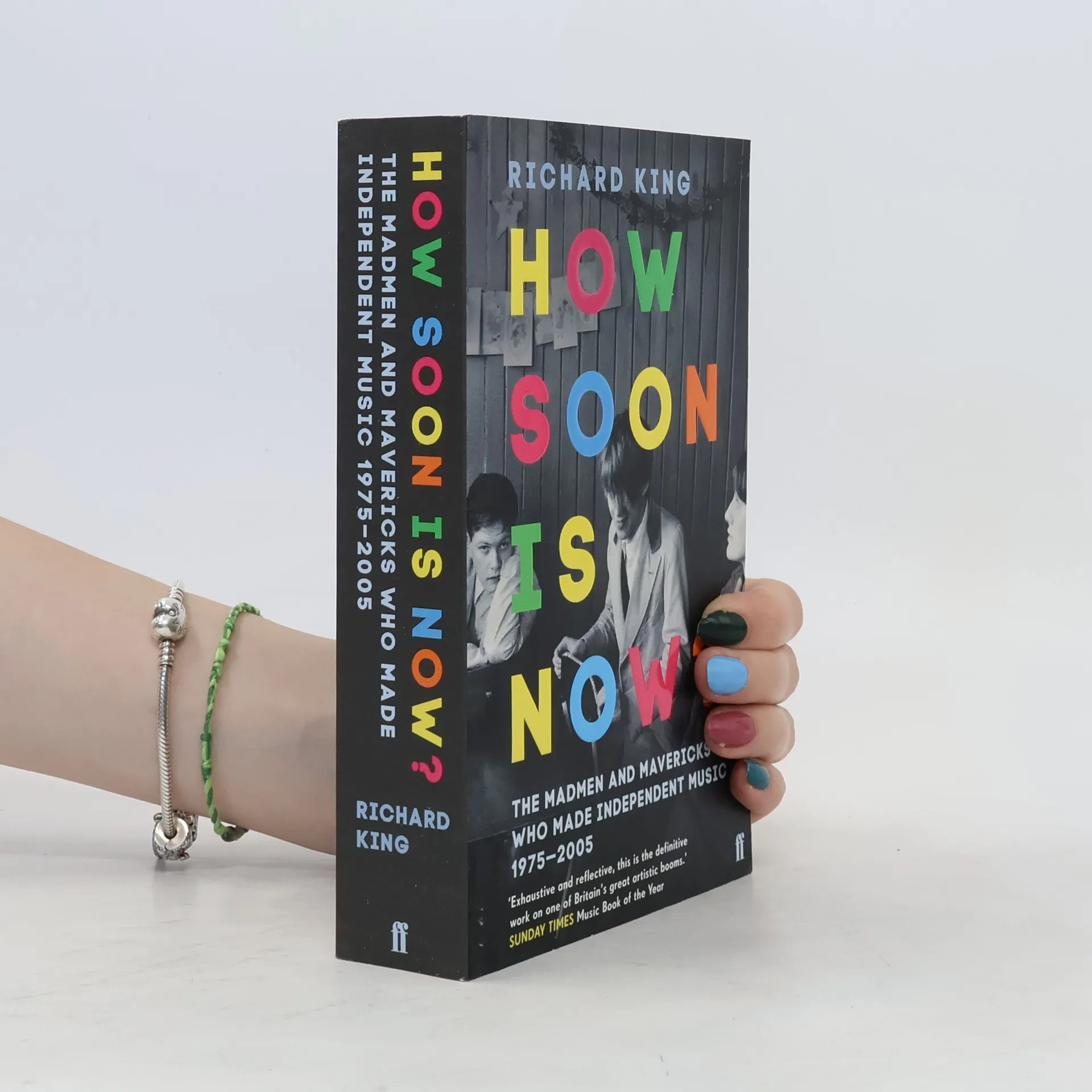
'If you look at all the people involved - Ivo, Tony Wilson, McGee, Geoff
Travis, myself - nobody had a clue about running a record company, and that
was the best thing about it.' Daniel Miller, Mute RecordsOne of the most
tangible aftershocks of punk was its prompt to individuals: do it yourself.
Travels Over Feeling is the result of extensive research by author Richard
King, curating the ephemera and documentation found in both Arthur's and other
private archives, and consists of hand-written scores, lyrics, photos, letters
and drawings.
"Ocean Bestiary tells the history of our relationship with the sea, one animal at a time, from A to Z. From the earliest Polynesian navigators to the pilots of deep-sea submersibles today, humans have been exploring the globe's most dominant and inaccessible ecosystem and bringing home to those ashore breathtaking accounts of what they observed. Jumping off from the stories of whalemen, pirates, explorers, immigrants, naturalists, writers, painters, and cruiser-sailors-some famous, some entirely unknown and unpublished-this little book examines and shares what it was they saw. Ocean Bestiary crosses a range of geographies and oceanic environments, from shallows to depths and including coral reefs, upwelling zones, and more. It covers an equally wide range of organisms as well, from tiny zooplankton to immense whales. In playful prose, Richard J. King unfurls his stories and their relevance today for our understanding of environmental history, the history of marine biology, and our shifting perceptions of the ocean"--