The Brancacci Chapel and Masolino, Masaccio, and Filippino Lippi
- 84 pages
- 3 hours of reading


This author is renowned for his deep engagement with ancient civilizations and their artistic legacies. His work often delves into themes of discovery, lost cities, and the enduring impact of human creation. He presents his findings with a captivating and informative style, drawing readers into the world of archaeological exploration. His writings offer a fascinating glimpse into the past and how it has shaped our present.
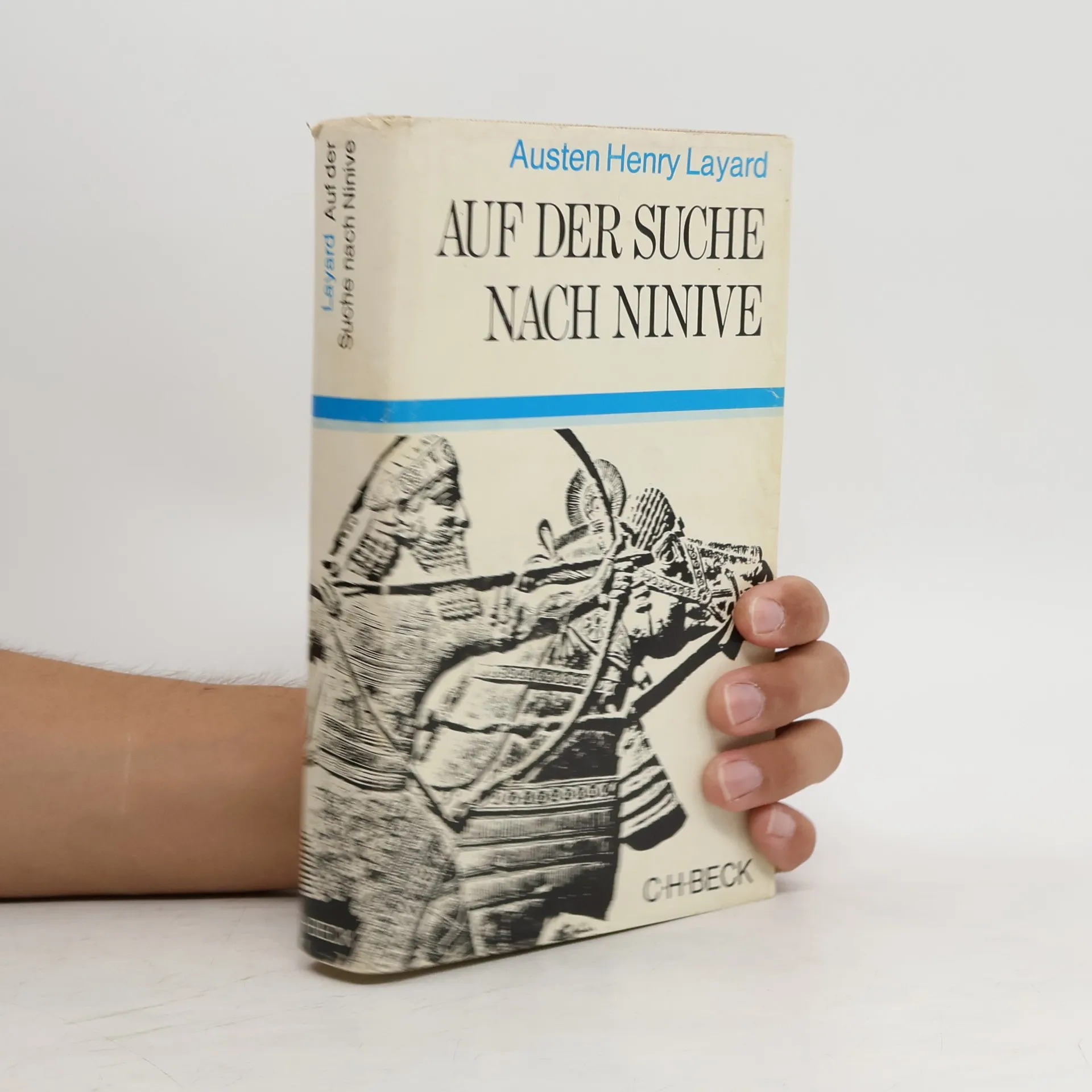


Nineveh and its remains with an account of a visit to the Chaldaean Christians of Kurdistan, and the Yezidis, or devil-worshippers and an enquiry into the manners and arts of the ancient Assyrians This book, "Nineveh and its remains Volume 1," by Austen Henry Layard, is a replication of a book originally published before 1850. It has been restored by human beings, page by page, so that you may enjoy it in a form as close to the original as possible
In this volume, the Kiayah, or chief secretary, is appointed as the Governor of the province by the council until the Porte designates a new Pasha. Essad Pasha, recently returned from Beyrout, is ultimately appointed to succeed Tahyar. Despite these administrative changes, the author’s activities continue unabated. Armed with a Vizirial letter, he navigates the challenges posed by the Cadi and the Ulema, who persistently attempt to obstruct his efforts. After Christmas, he returns to Nimroud, where excavations resume with renewed vigor. The book is a reproduction of a significant historical work, published by Forgotten Books, which specializes in reviving rare and classic literature. Utilizing advanced technology, they digitally reconstruct texts while preserving their original format and addressing imperfections found in aged copies. Although some minor flaws may remain, they are retained to maintain the historical integrity of the work.
Since my first work on the discoveries at Nineveh, significant progress has been made in deciphering cuneiform characters, revealing many important inscriptions. This advancement is largely due to the efforts of two English scholars, Col. Rawlinson and Rev. Dr. Hincks. I have made sure to credit these sources appropriately and have strived to acknowledge all contributors to the discoveries presented here. Notably, several distinguished French scholars, including M. Botta and M. de Saulcy, have also played a vital role in deciphering Assyrian inscriptions, though I regret I could not consult their published findings. If I have inadvertently overlooked their contributions, it stems from ignorance rather than bias. Many critics still express doubts about the progress made in deciphering cuneiform writing, often based on previous hasty theories that were later retracted. However, the unbiased inquirer cannot dismiss the substantial evidence supporting the accuracy of these interpretations. The validity of the findings is strengthened by the fact that multiple independent researchers have reached the same conclusions, identifying numerous names of people, nations, and cities in historical contexts. These names align with events documented by both sacred and secular authors, providing robust evidence for the interpretations. I hope the reader will arrive at this understanding as I explore the contents of the records discovered in
Ein berauschender Mix aus fesselnden Charakteren und plötzlichen Krisen während der Entdeckung der antiken Ruinen von Ninive durch den bedeutendsten Archäologen seiner Zeit.