White Trash
- 496 pages
- 18 hours of reading
Masterly and ambitious New York Times (Notable Book of the Year)


Nancy Isenberg is a professor of American history whose work delves into the often-overlooked forces and structures shaping American society. Her writing probes beneath the surface of historical narratives to reveal how social hierarchies and ingrained prejudices have influenced the nation's trajectory. Isenberg approaches history with an analytical rigor that challenges established notions and illuminates the complex patterns underlying American identity and its political legacy.
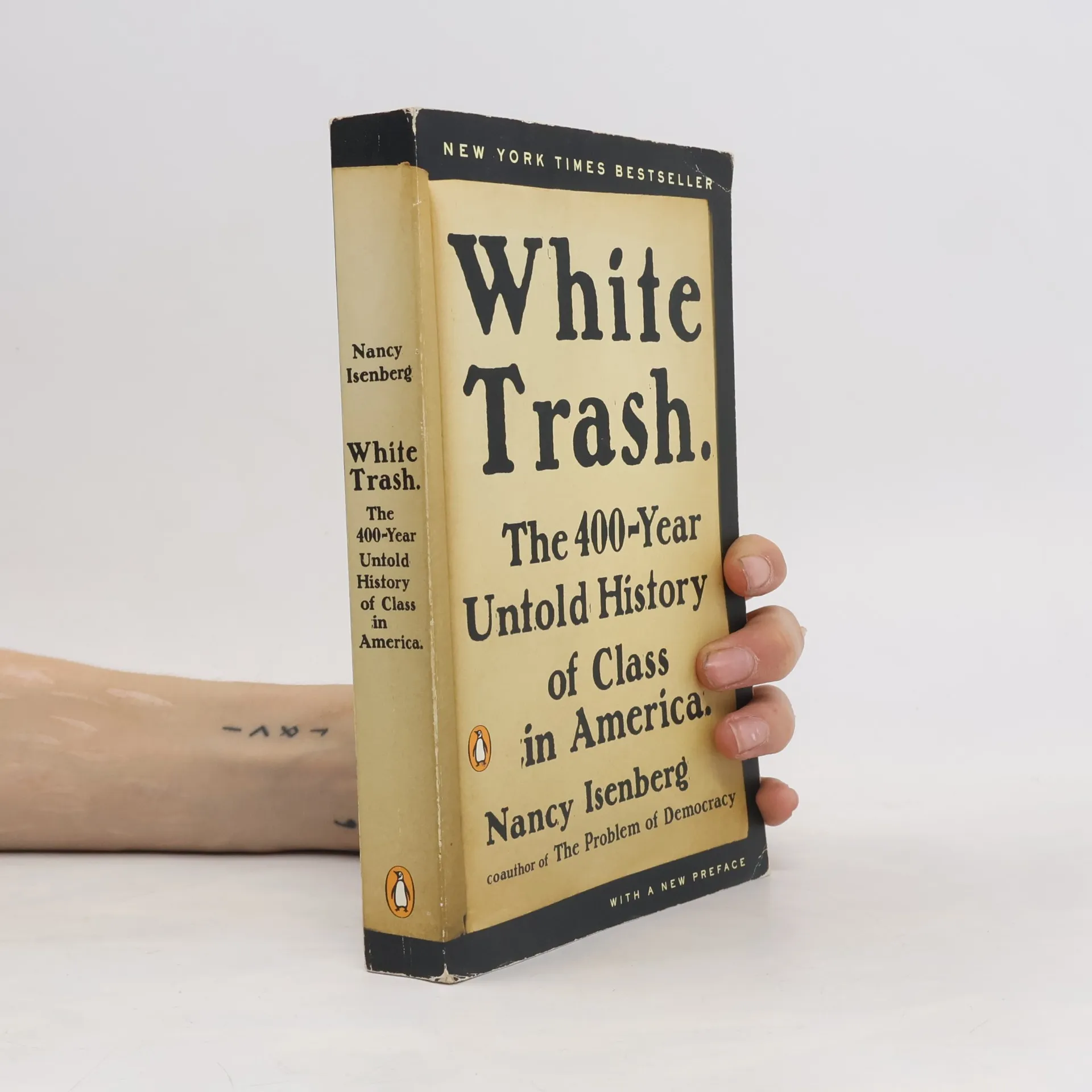

Masterly and ambitious New York Times (Notable Book of the Year)
In this book, Nancy Isenberg reveals that the wretched and landless poor have existed from the time of the earliest British colonial settlements to today's hillbillies. Poor whites were central to the rise of the Republican Party in the early nineteenth century and the Civil War itself was fought over class issues nearly as much as it was fought over slavery. Reconstruction pitted white trash against newly freed slaves, which factored in the rise of eugenics - a widely popular movement embraced by Theodore Roosevelt that targeted poor whites for sterilization. These poor were at the heart of New Deal reforms and Lyndon B. Johnson's Great Society; they are now offered up as entertainment in reality TV shows, and the label is applied to celebrities ranging from Dolly Parton to Bill Clinton. Marginalized as a class, white trash have always been at or near the center of major political debates over the character of the American identity. Surveying political rhetoric and policy, popular literature and scientific theories over four hundred years, this text upends assumptions about America's supposedly class-free society - where liberty and hard work were meant to ensure real social mobility - and forces a nation to face the truth about the enduring, malevolent nature of class