
Explore the latest books of this year!
Bookbot

Mark McGillivray

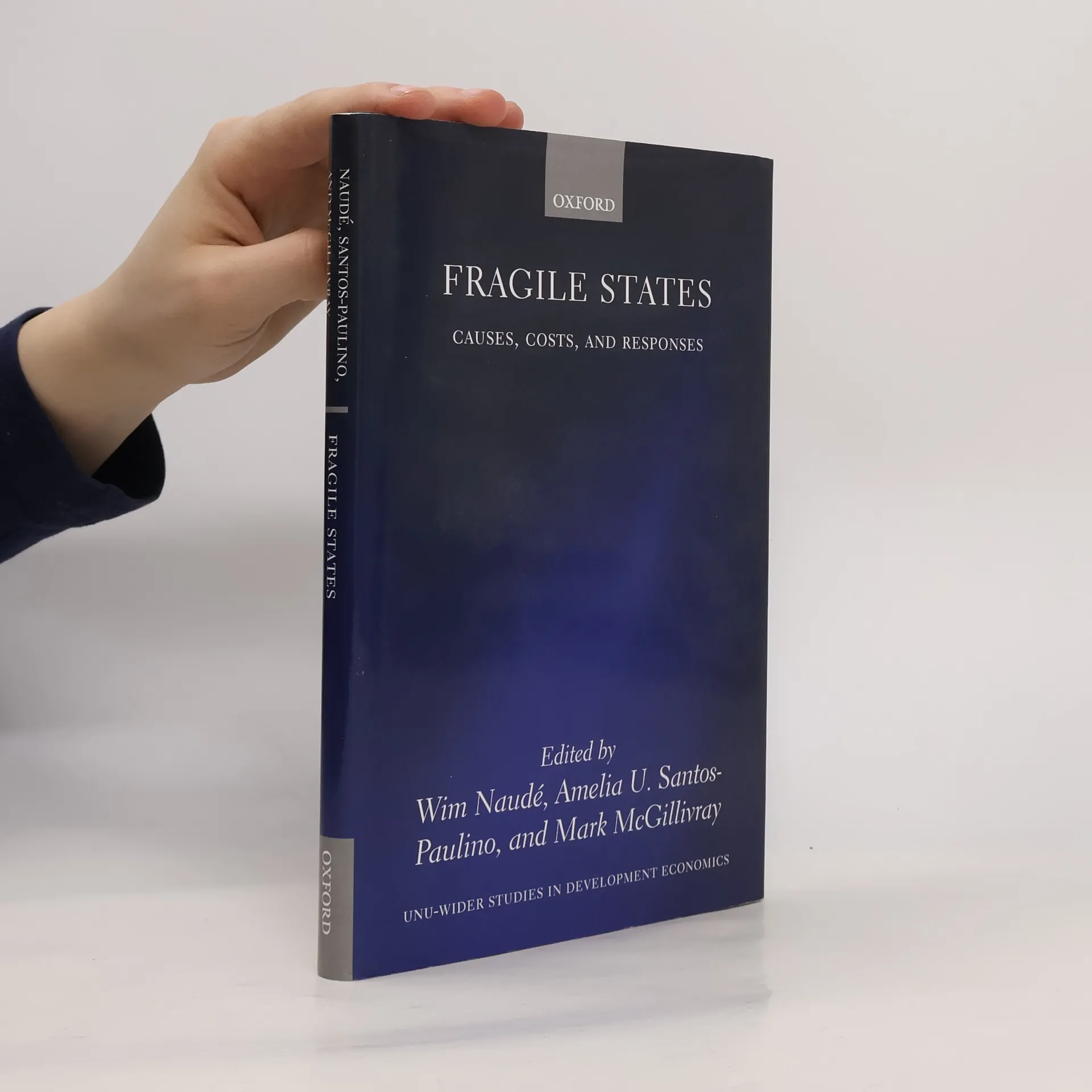
    UNU-WIDER Studies in Development Economics: Fragile States
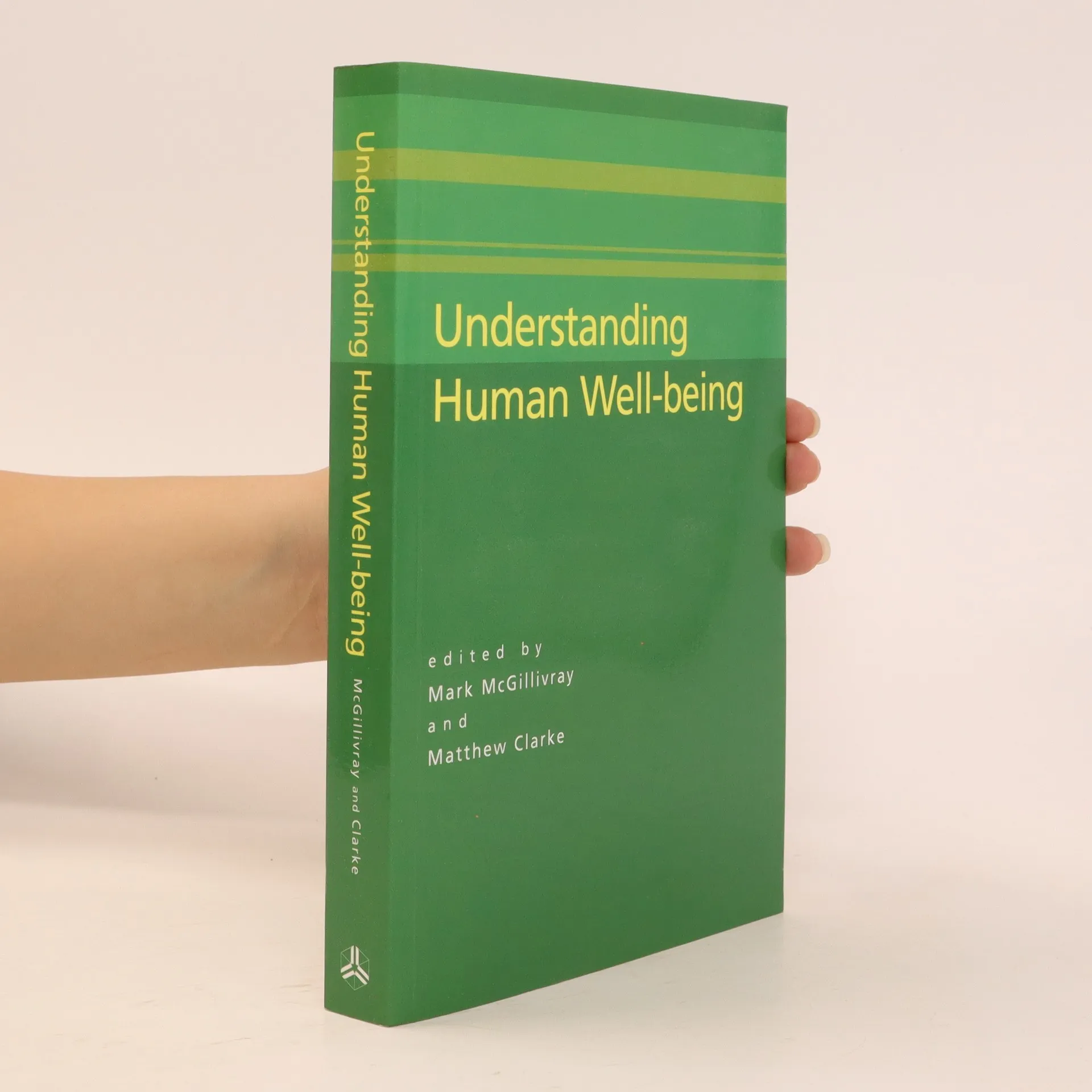
    Understanding Human Well-being
    • Understanding Human Well-being

      • 386 pages
      • 14 hours of reading

      With more than a billion people living on less than one dollar per day, human well-being is a core issue for both researchers and policymakers. The Millennium Development Goals are a powerful reminder of this point. We now know more about human well-being and the related concepts of poverty and inequality than ever before, as a result of many conceptual and methodological advances and better data. Yet despite this progress, the vitality of underlying concepts and the quality of data are repeatedly challenged and still leave much to be desired, particularly with regard to the world's poorest countries. This book looks at advances in underlying well-being, poverty, and inequality concepts and corresponding empirical measures and case studies. Traditional monetary concepts and measurements are examined as well as educational achievement, longevity, health, and subjective well-being. Among the measures examined is the Human Development Index, which has done much to refocus attention on the importance of nonmonetary measures of human wellbeing. Chapters review pre-existing concepts and measures, with a view of future developments, while others propose new concepts or measures.

      Understanding Human Well-being
    • UNU-WIDER Studies in Development Economics: Fragile States

      Causes, Costs, and Responses

      • 232 pages
      • 9 hours of reading

      Overcoming state fragility is one of the most important international development objectives of the 21st century. Many fragile states have turned into failed states, where millions of people are caught in deprivation and seemingly hopeless conditions. Fragile states lack the authority, legitimacy, and capacity that a modern state needs to advance the development of its peoples, and present deep challenges for the design and implementation of development policy. For instance, how is aid to be designed and delivered in a way that will help people in fragile states if their governments lack capacity to absorb and use aid? And what can be done about adverse side-effects of fragile states on their neighbours and the global community, such as heightened insecurity, rising out-migration, displaced populations, and the destruction of natural resources? This book documents the far reaching global repercussions of state fragility and provides a timely contribution to the international discourse on three dimensions of fragile states: their causes, costs , and the responses required. It will appeal to scholars, policymakers, and donors who are concerned about conflict and development. Its aim is to contribute to our understanding of how strong and accountable states can be fostered-states where government and civil society progressively advance human wellbeing, underpin households' resilience in the face of shocks, and form effective partnerships to maximize the benefits of development assistance.

      UNU-WIDER Studies in Development Economics: Fragile States