Healing the Mind Through the Power of Story
- 416 pages
- 15 hours of reading
"Psychiatry that recognizes the essential role of community in creating a new story of mental health"--Provided by publisher.



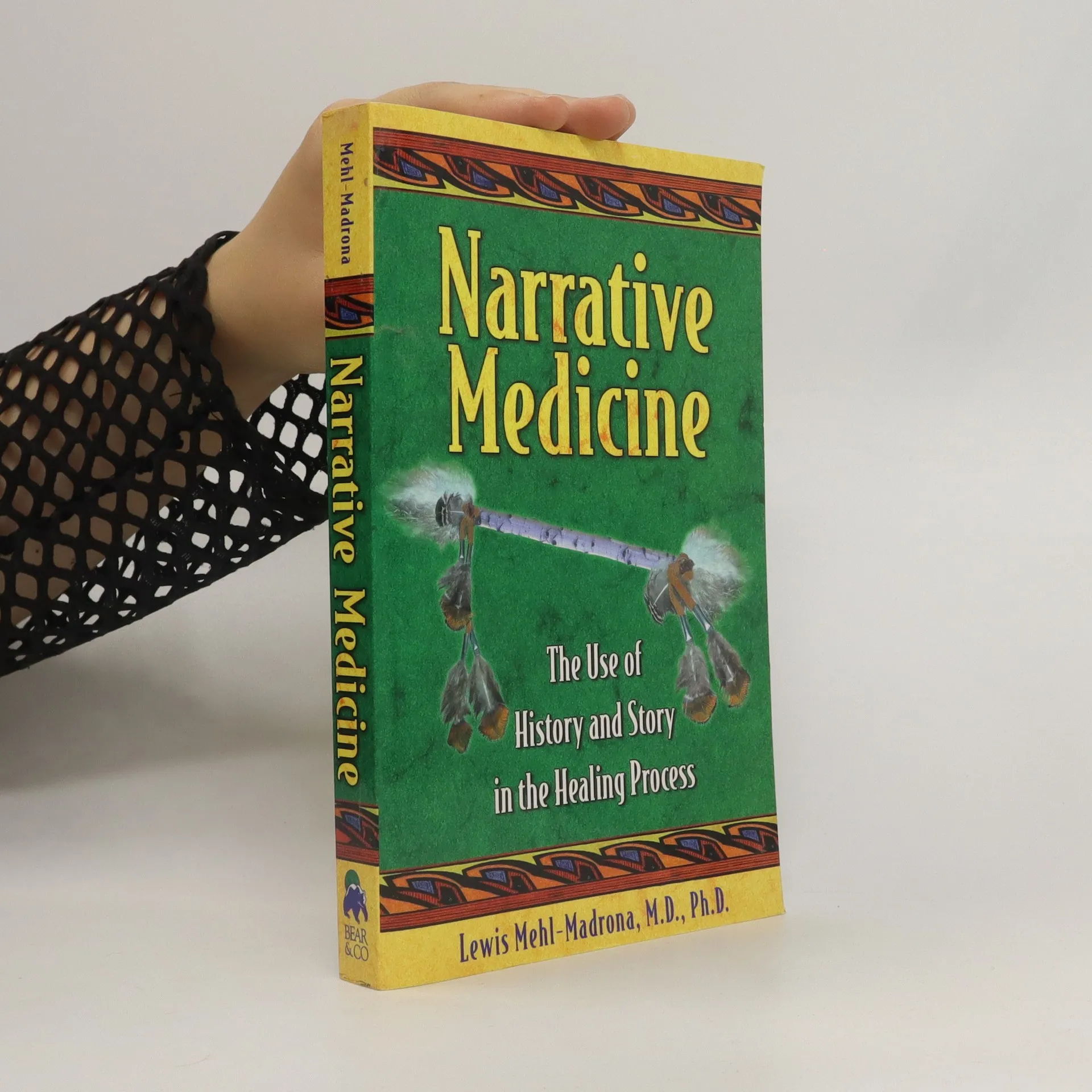

"Psychiatry that recognizes the essential role of community in creating a new story of mental health"--Provided by publisher.
Lewis Mehl-Madrona explores the use of stories for healing and personal transformation. By introducing new characters and plots in the stories we tell, we can perceive ourselves in new ways. The author draws upon indigenous cultures of North America, Maori, East Africa, Mongolia, Australia, and Lapland to illustrate the healing use of stories throughout the world.
Seeks to restore the pivotal role of the patient's own story in the healing process"--Provided by publisher
What is a miracle? -- The miracle of peacefulness -- Finding the 'inner healer' -- The healing journey: medicine wheel -- The east: discovering spirit -- The south: discovering emotion -- The west: discovering the body -- The north: mind and community -- The power of ceremony -- Hearing stories; changing stories.
This guide offers a transformative approach to retelling personal, family, and cultural stories, aiming to enhance lives, relationships, and communities. It integrates the latest neuroscience research on memory, brain mapping, and plasticity with narrative therapy techniques. By utilizing mind-mapping and storytelling, the authors illustrate how narratives can shift behavior patterns within ourselves and our relationships. We are immersed in stories from birth, which shape our development unconsciously; thus, retelling these narratives can alter our life patterns and those of our communities. Lewis Mehl-Madrona and Barbara Mainguy delve into how the brain thrives on storytelling, detailing techniques that leverage narrative to influence behavior. They present studies demonstrating that memory functions through stories rather than lists, highlighting the physiological impacts of our narratives on health. With decades of narrative therapy experience, the authors guide readers in changing their stories through brain-mapping practices, assessing whether current narratives are functional or dysfunctional. They encourage the creation of new, exciting characters and stories that foster self-connection and deepen relationships. Additionally, they discuss how shared narratives shape culture and how narrative therapy can replace harmful cultural stories with healthier templates for relationships with one another and the planet.