Chourmo
- 256 pages
- 9 hours of reading
The second volume in Jean-Claude Izzo's acclaimed Marseilles Trilogy, featuring ex-cop Fabio Montale.


Jean-Claude Izzo carved a significant niche in the literary world with his potent noir novels, widely recognized as the Marseilles Trilogy. Set against the vibrant yet gritty backdrop of his native Marseille, these works delve into complex narratives often featuring the disillusioned ex-cop Fabio Montale. Izzo's writing is characterized by its unflinching exploration of societal undercurrents and the human condition, rendered in a distinctive, impactful style. His prose possesses a raw energy that draws readers into the heart of his meticulously crafted urban landscapes.


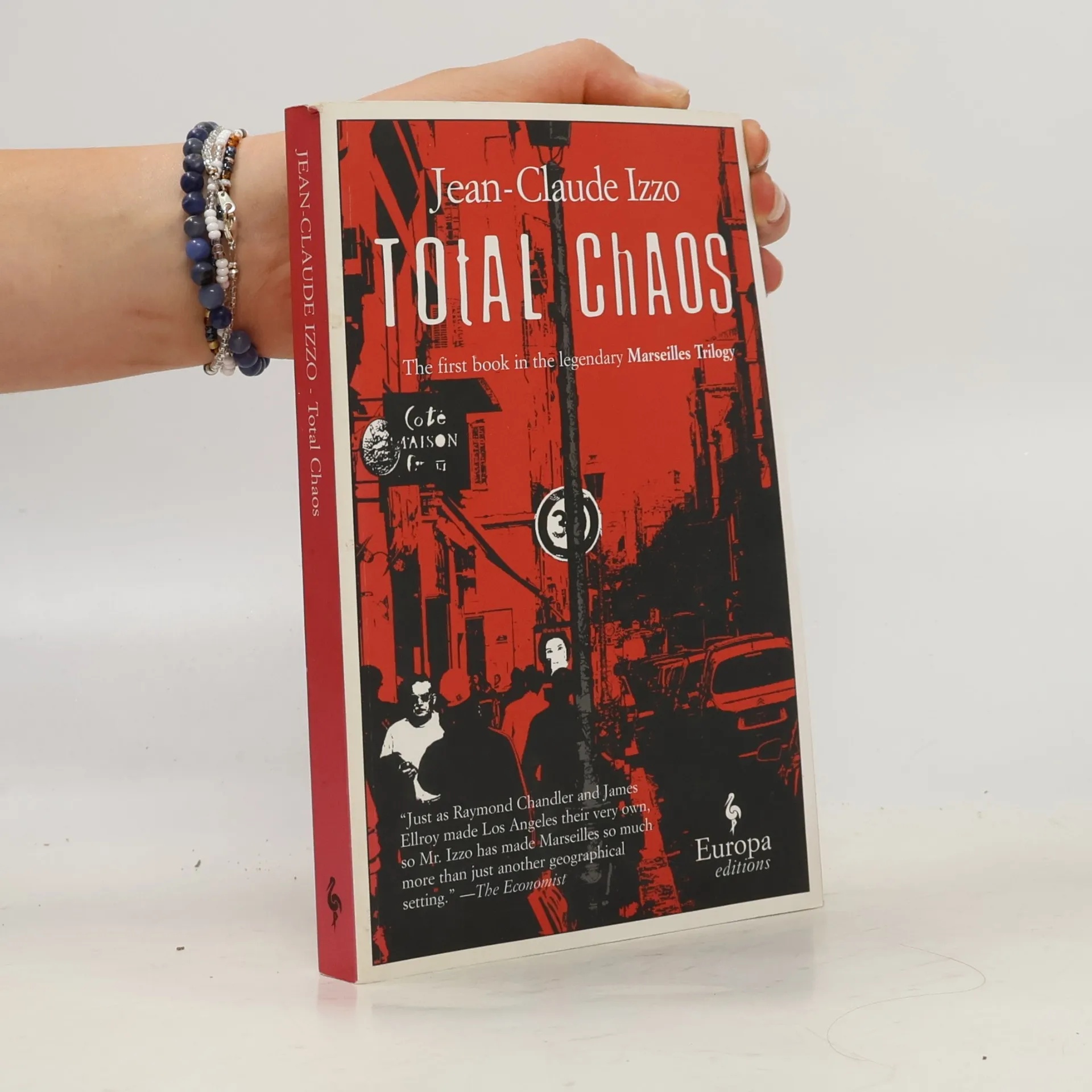

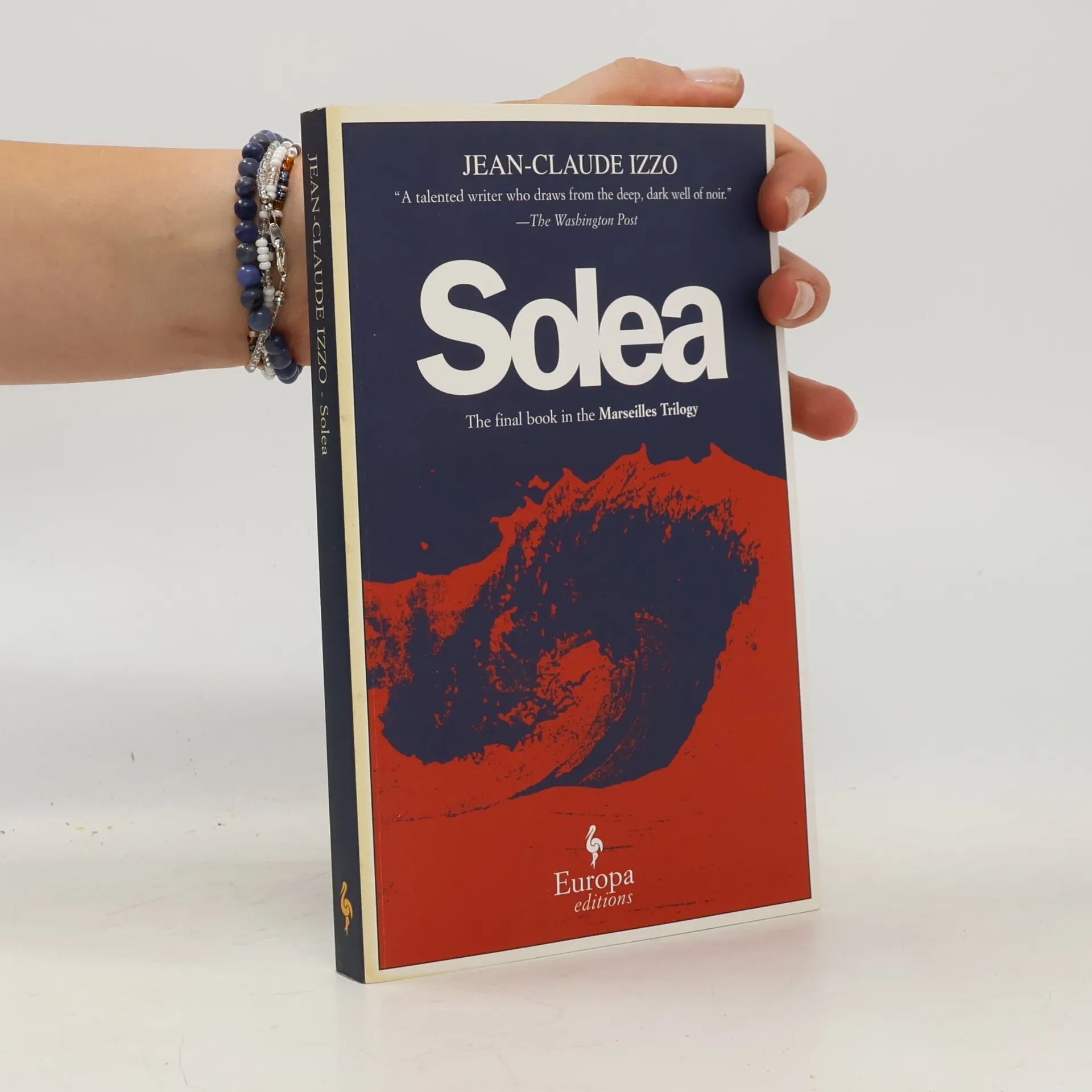
The second volume in Jean-Claude Izzo's acclaimed Marseilles Trilogy, featuring ex-cop Fabio Montale.
The Marseilles trilogy, featuring ex-cop Fabio Montale, is a classic of European crime fiction. Its publication was the catalyst for the foundation of an entire literary movement, Mediterranean noir, and made its author an overnight celebrity. Europa is Proud to reissue the entire trilogy this summer in new editions that have a fresh look and feature an introduction by “the reigning king of Mediterranean noir”, Massimo Carlotto.
Izzo's Marseille is explosive, tragic, breathtakingly beautiful and deadly.
The First Book in the Legendary Marseilles Trilogy
Ugo, Manu, and Fabio grew up in the tough streets of Marseilles, where their friendship was paramount. They vowed to remain loyal, but life took a dark turn. Ugo and Manu became entangled in the city's violent criminal underworld. After Manu is murdered and Ugo returns to seek vengeance, he too is killed, leaving Detective Fabio Montale to pursue justice. Despite warnings from both law enforcement and the criminal world, Montale is determined to honor his promise to his friends and find their killer, even if it means crossing dangerous lines. In Izzo's narrative, Marseilles is portrayed as a city that is both beautiful and deadly, filled with passion and tragedy. The author attributes the success of his acclaimed trilogy to his deep love for Marseilles, highlighting its vibrant spirit and the resilience of its people. Fabio Montale emerges as the ideal protagonist, a disillusioned cop with a unique zest for life who rejects a corrupt police force. In the name of friendship, he confronts the mafia, embodying the struggle against the darkness that envelops his beloved city.
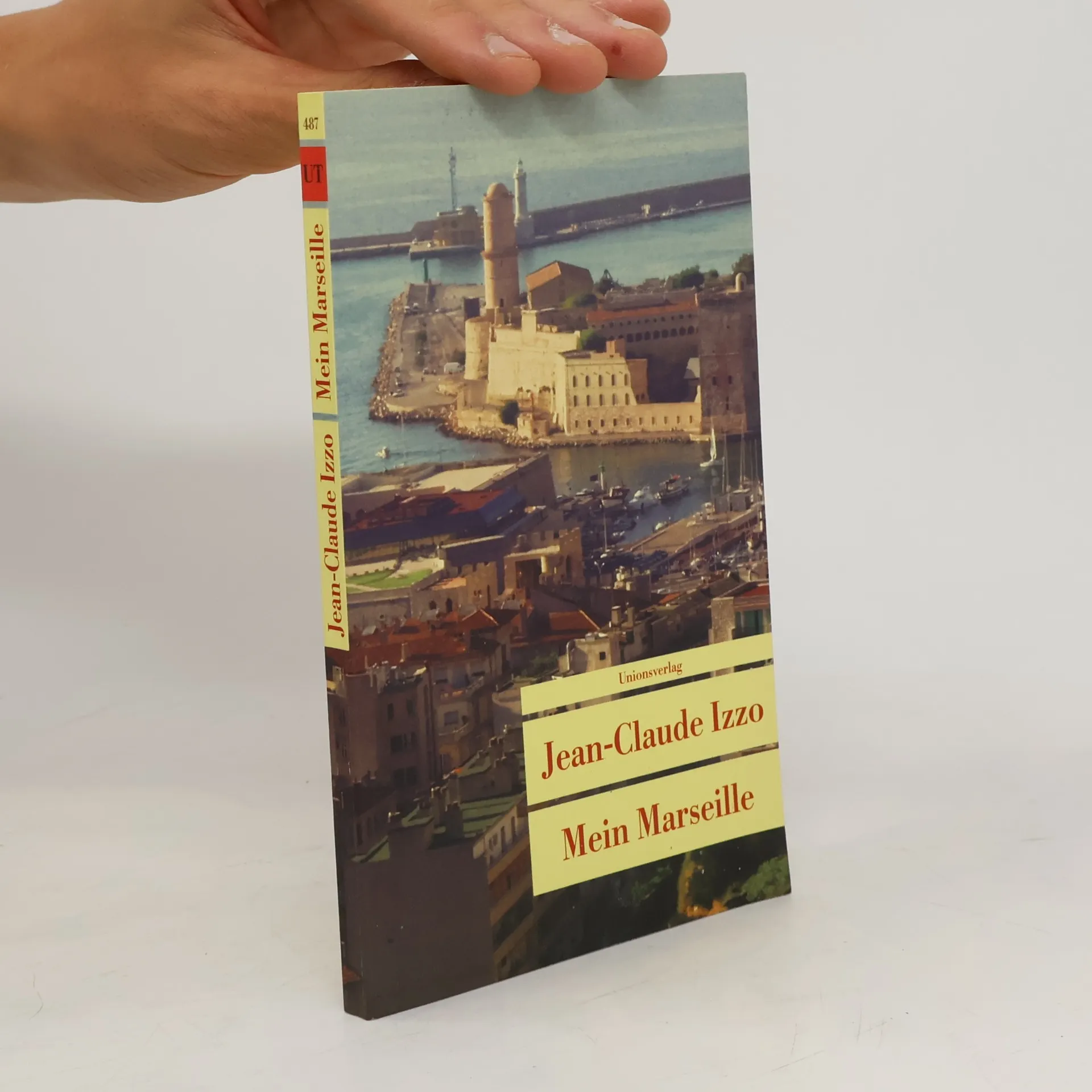
Anthologie. Mit Fotos von Edwin Gantert
Die geheime Heldin aller Romane von Jean-Claude Izzo ist Marseille. Diese Texte erzählen von den Menschen, dem Licht und den Farben der Stadt. Izzo führt durch die Gassen und Kneipen, erzählt von Kräutern und Düften, von Vergangenheit, Gegenwart und Zukunft einer ewigen Stadt.
Il sole dei morenti è l'ultimo romanzo scritto da Jean-Claude Izzo prima della sua prematura scomparsa. È il suo capolavoro: una struggente esplorazione del potere distruttivo dell'amore, la storia di un uomo che cerca l'amore e non lo trova, e per questo viene relegato ai margini della società. Il merito di Izzo di è di riuscire a farci identificare con un destino apparentemente estremo, quello di un essere umano che ha perso tutto. Quando i pompieri portano via il corpo di Titì, l'unico amico rimastogli, morto di freddo in una stazione del metrò parigino, Rico decide che è ora di andarsene, lasciare Parigi per il sud. Se deve morire, tanto vale morire al sole. Nel suo viaggio incontra altri disperati come lui, persone finite sulla strada seguendo percorsi di vita diversi e che reagiscono diversamente, chi con solidarietà chi con cattiveria. In fondo al viaggio c'è Marsiglia e la speranza di rivedere Léa, il grande amore della sua gioventù.
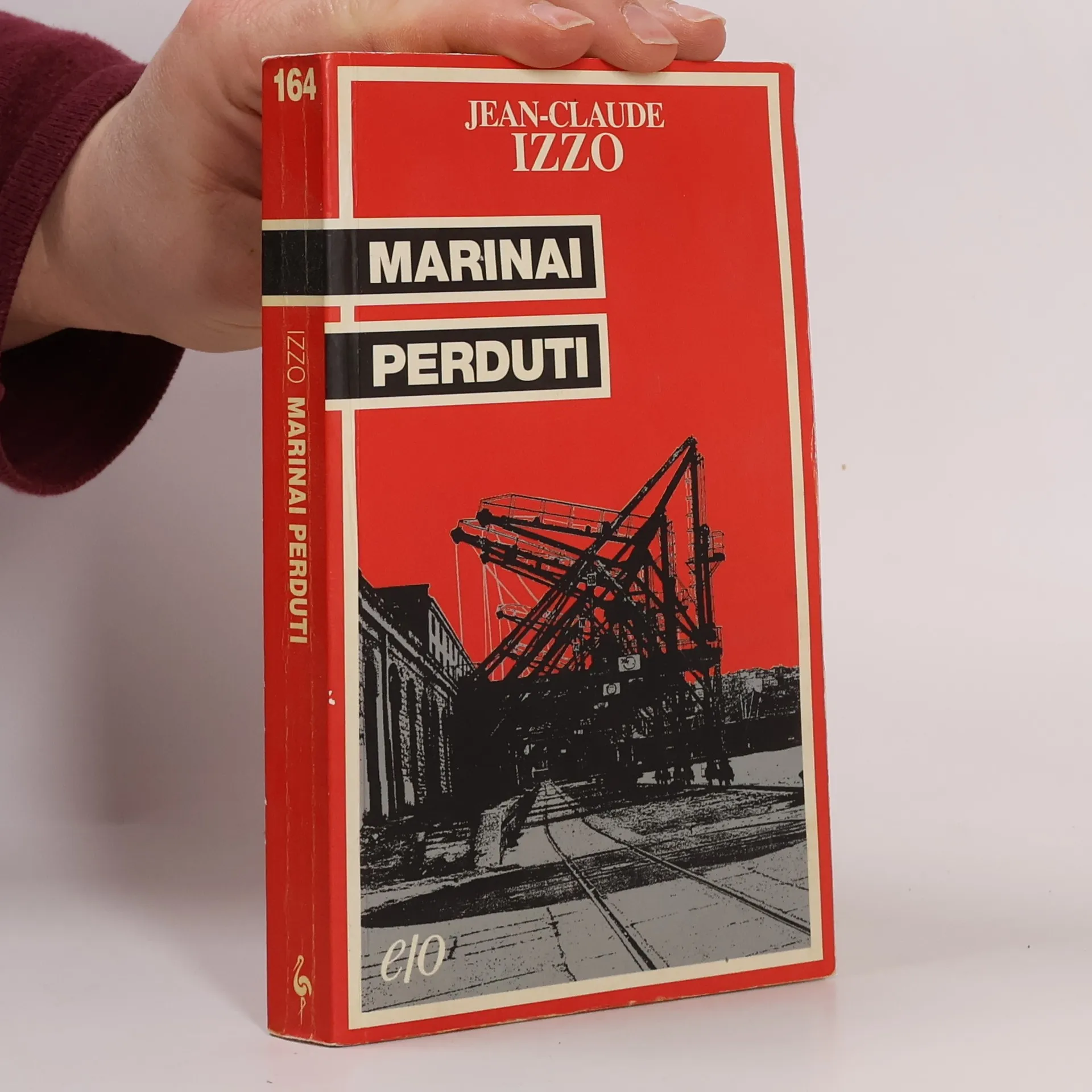
La storia parla di tre marinai, tre navigatori del Mediterraneo, tre "Ulisse" contemporanei: il libanese Abdul Aziz, il greco Diamantis e il turco Nedim. La loro nave, l'Aldebaran (Abdul è il capitano, Diamantis il suo secondo, Nedim è il marconista), è una vecchia carretta abbandonata nel porto di Marsiglia a causa del fallimento dell'armatore. I tre sono così costretti all'immobilità forzata, terribile per dei marinai, che però consente alle loro avventurose storie di emergere e di fondersi l'una con l'altra.
Fabio Montale ist ein kleiner Polizist mit Hang zum guten Essen und einem großen Herz für all die verschiedenen Bewohner der Hafenstadt: für die Italiener, die Spanier, die Algerier und auch die Franzosen. Ob einer Polizist wird oder Gangster, das ist reiner biografischer Zufall. Freund bleibt Freund. Deswegen muss Fabio auch handeln, als zwei seiner Gangster-Freunde ermordet werden. Als die beiden gerächt sind, muss er feststellen, dass das Spiel nach Regeln gespielt wird, die mit Ehre nichts zu tun haben. Von Leuten, denen genauso egal ist, ob einer Polizist ist oder Verbrecher.
Scène de rupture, drame du racisme ... Six faits divers pour six nouvelles aux allures de tragédie antique.
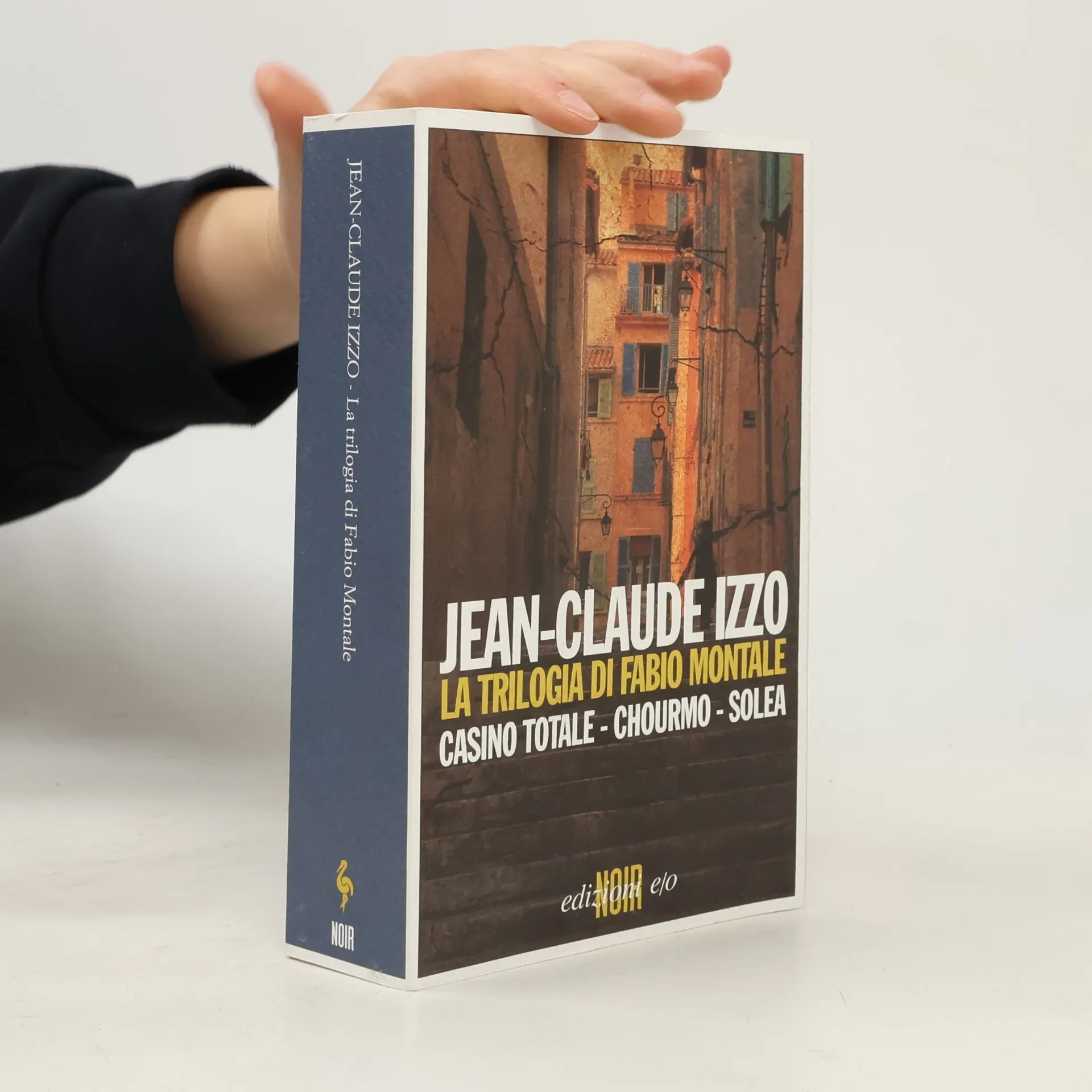
In un solo volume la trilogia marsigliese di Jean-Claude Izzo con protagonista uno dei personaggi più memorabili della letteratura contemporanea. Nel primo romanzo, dopo anni di vagabondaggi nei mari del Sud, Ugo torna a Marsiglia per vendicare Manu, l'amico di gioventù assassinato dalla malavita. Ma anche lui resta ucciso e toccherà a un terzo amico, Fabio Montale, il compito di fare giustizia. Fabio era cresciuto con gli amici nei vicoli poveri del porto di Marsiglia, tra piccoli reati e primi amori, ma poi è diventato uno strano poliziotto, più educatore di strada nei quartieri difficili che sbirro. La sua umanità si nutre dei dettagli della vita vera: le donne che ama innanzitutto, le amicizie, la musica, il pastis, il vino, il mare e il cielo di Marsiglia. Ed è questa stessa umanità, ancor prima del suo mestiere di poliziotto, a metterlo in una guerra durissima con il sistema degli intrecci illeciti tra imprese, politica e malavita. In una città, Marsiglia, simbolo di un Mediterraneo diviso tra bellezza e violenza, tra due colori: l'azzurro del cielo e del mare e il nero della morte e dell'odio.
Fabio Montale en sait tellement sur Marseille qu'il sent presque battre en lui les pulsations de la ville. Flic déclassé, fils d'immigrés aimant les poètes, le jazz, la pêche et les femmes, il est, à l'image de cette ville tant aimée, un homme sensible dont le passé parfois douloureux resurgit au fil des enquêtes.
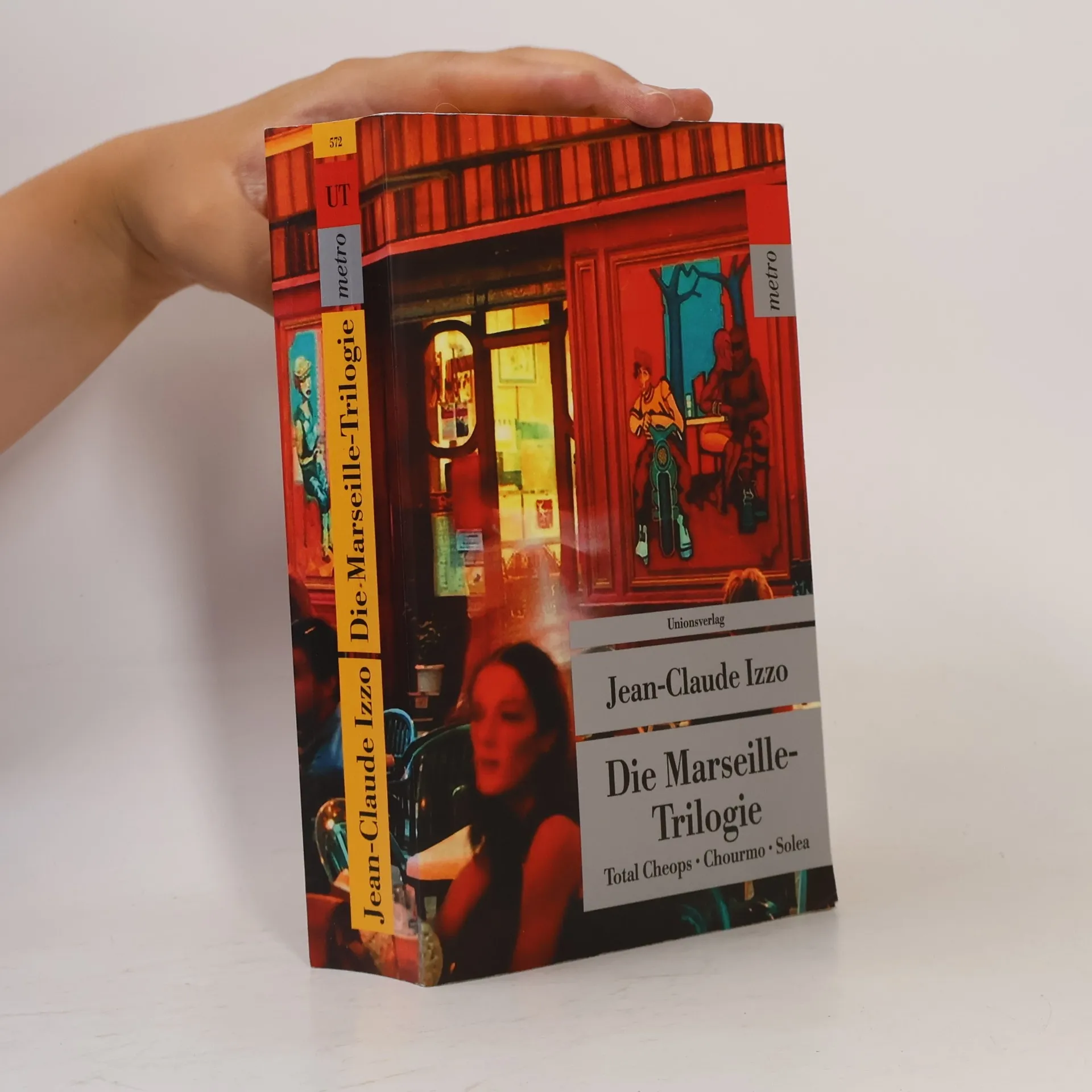
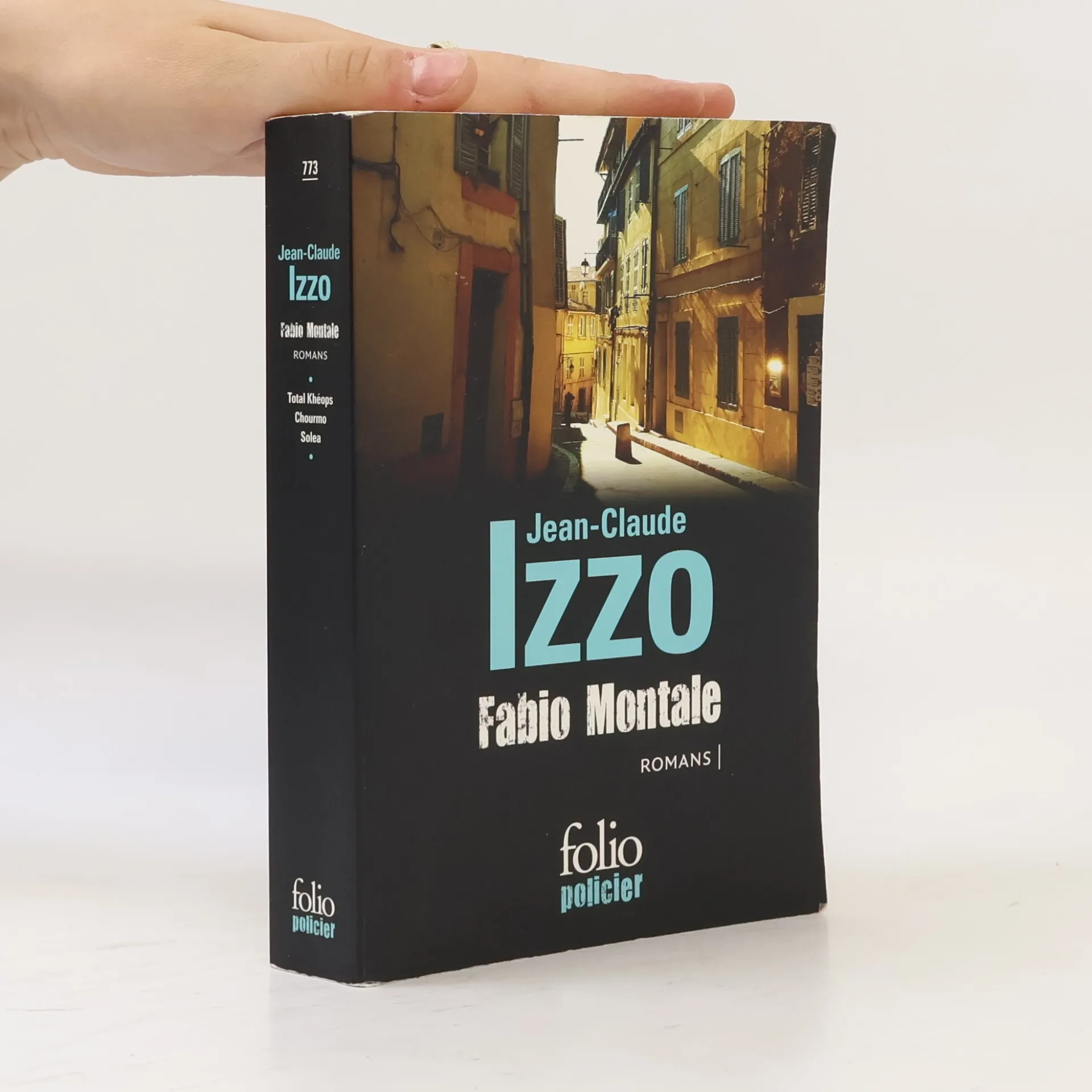
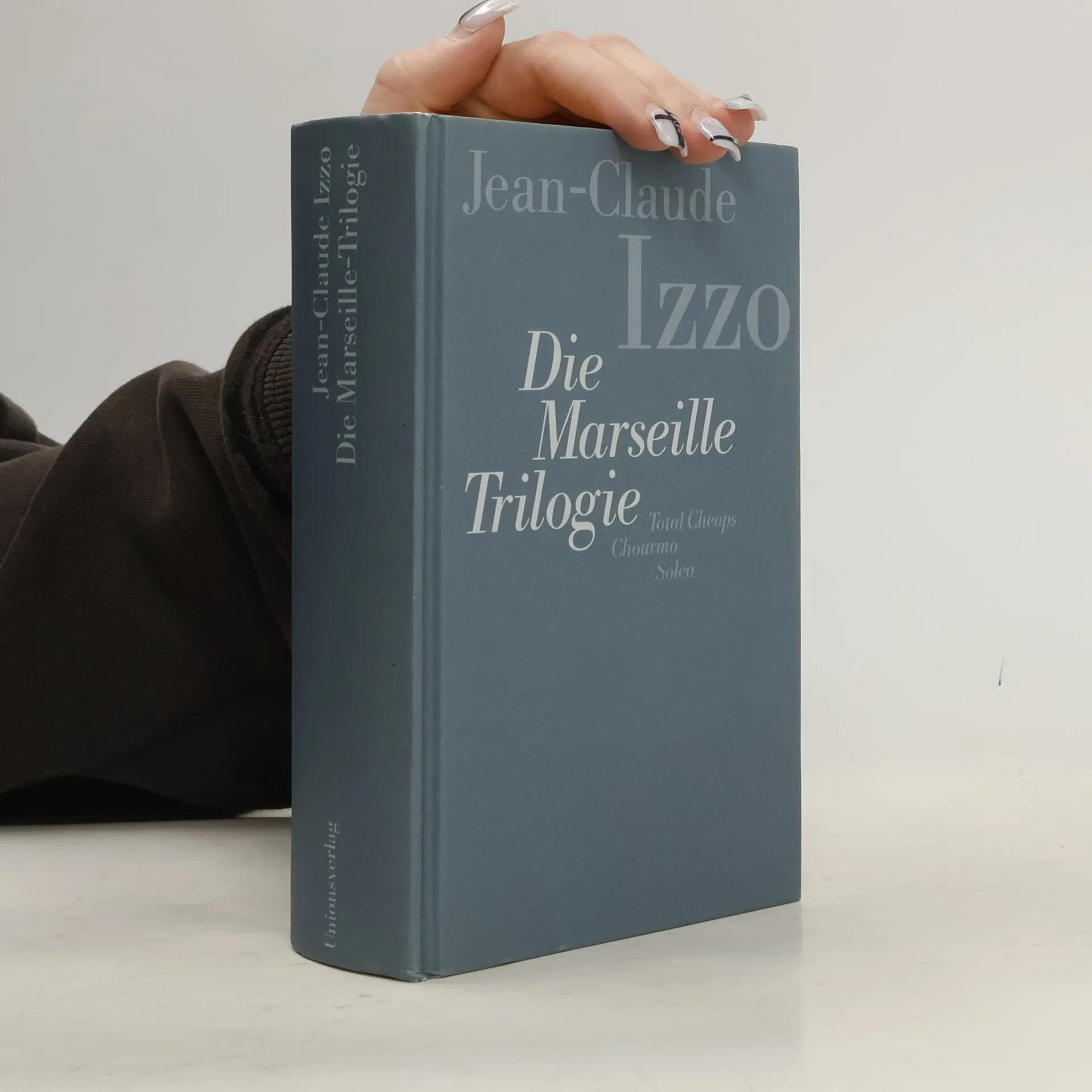
otal Khéops, Chourmo, Solea.
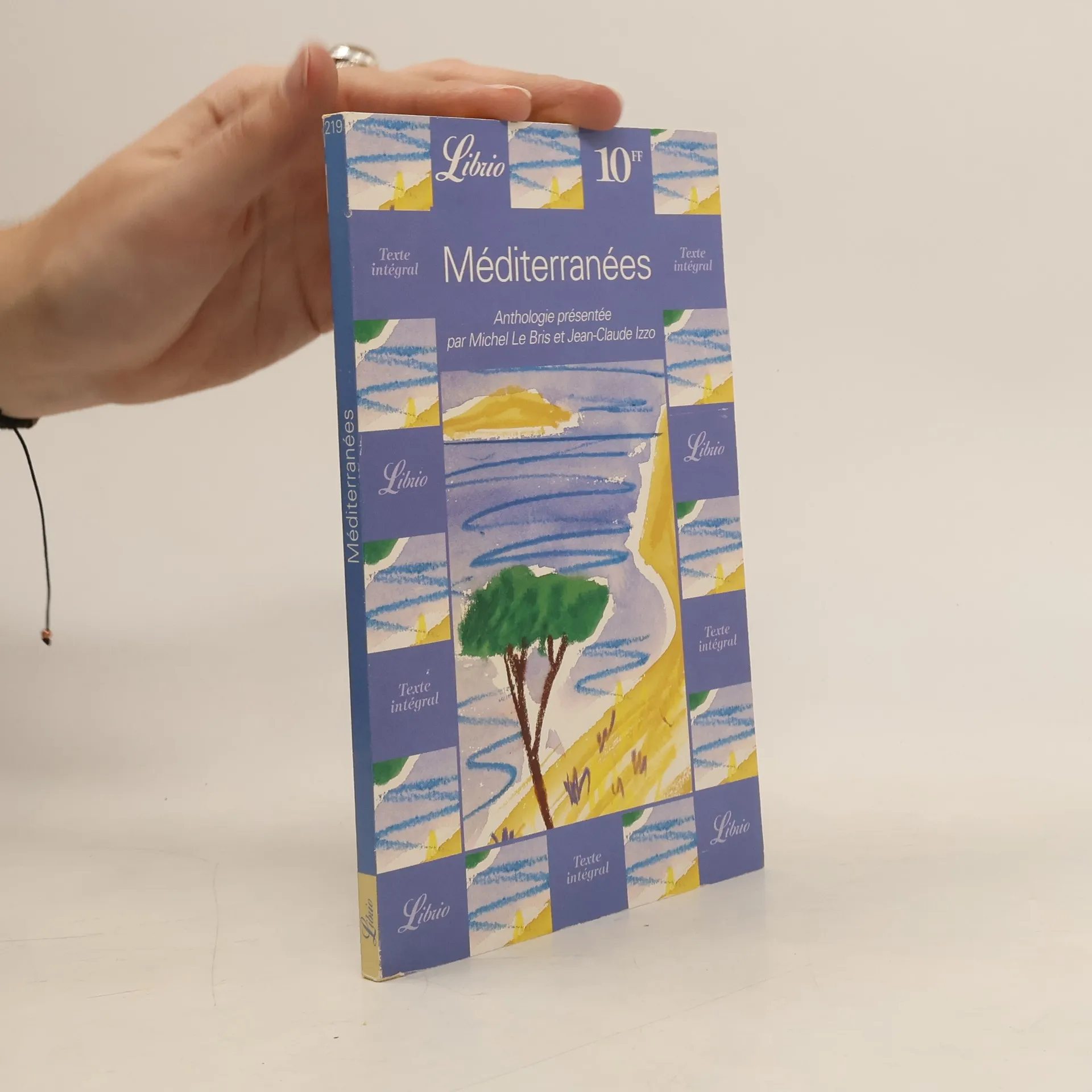
Quatorze écrivains (Mohammed Choukri, Mahmoud Darwich, Assia Djebar, Thierry Fabre, Gamal Ghitany, Jean-Claude Izzo, Jacques Lacarrière, Erri de Luca, Carlo Lucarelli, Amin Maalouf, Malika Mokeddem, Orhan Pamuk, Dominique Sigaud) racontent la Méditerranée, sous forme de nouvelle, de récit ou de réflexion.