

Explore the latest books of this year!
Bookbot

Jonathan Harris

    January 1, 1961
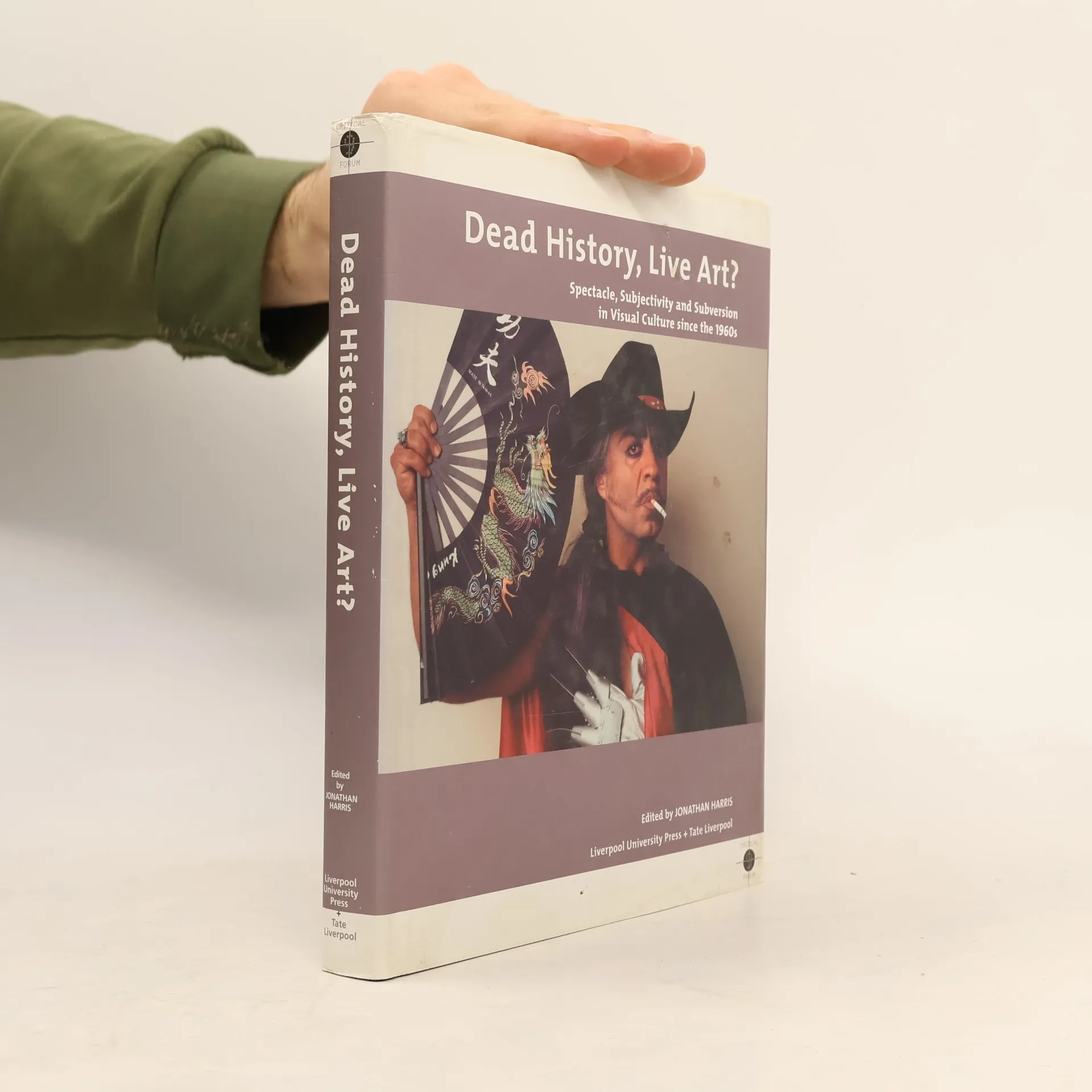
    Tate Liverpool Critical Forum - 9: Dead History, Live Art?
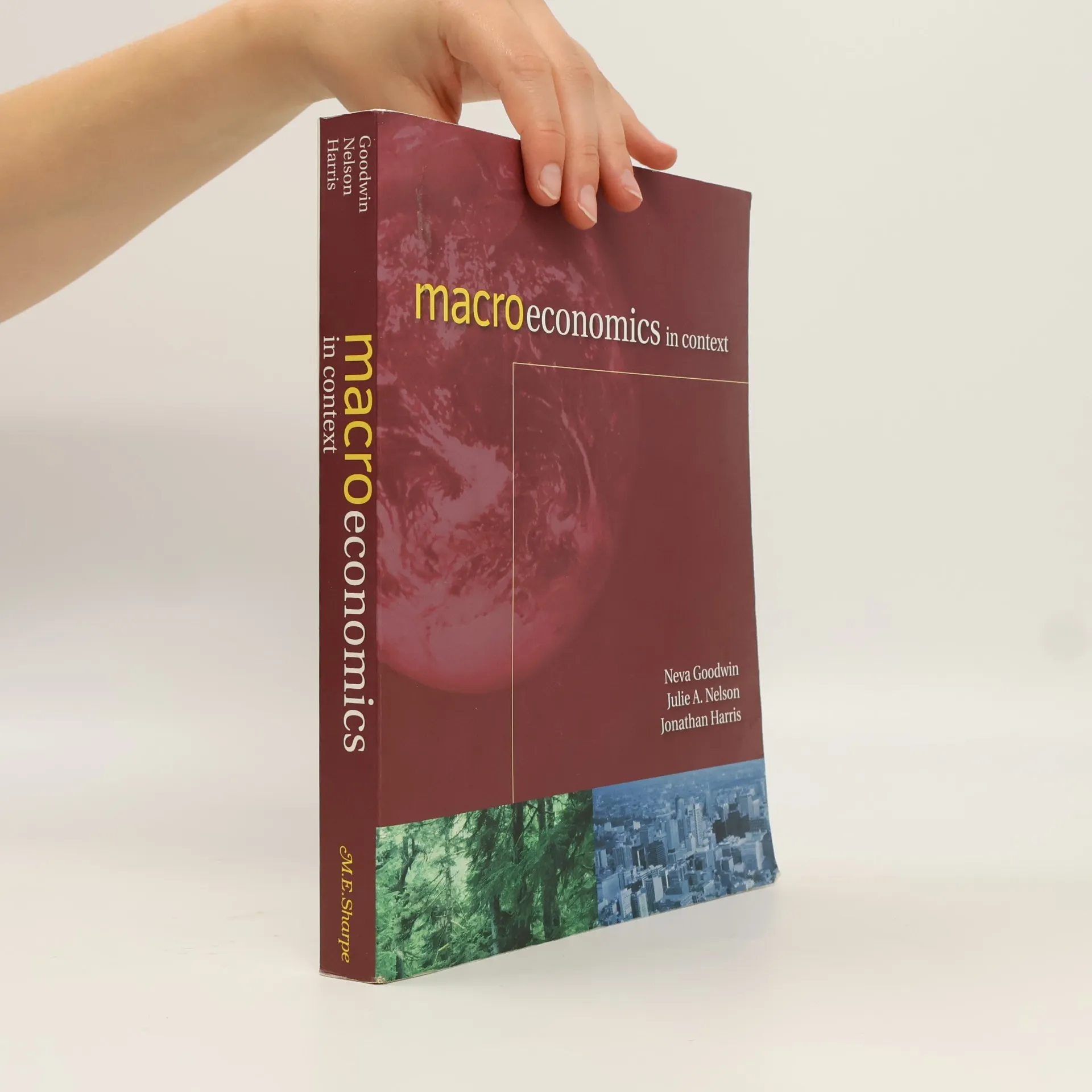
    Macroeconomics in Context
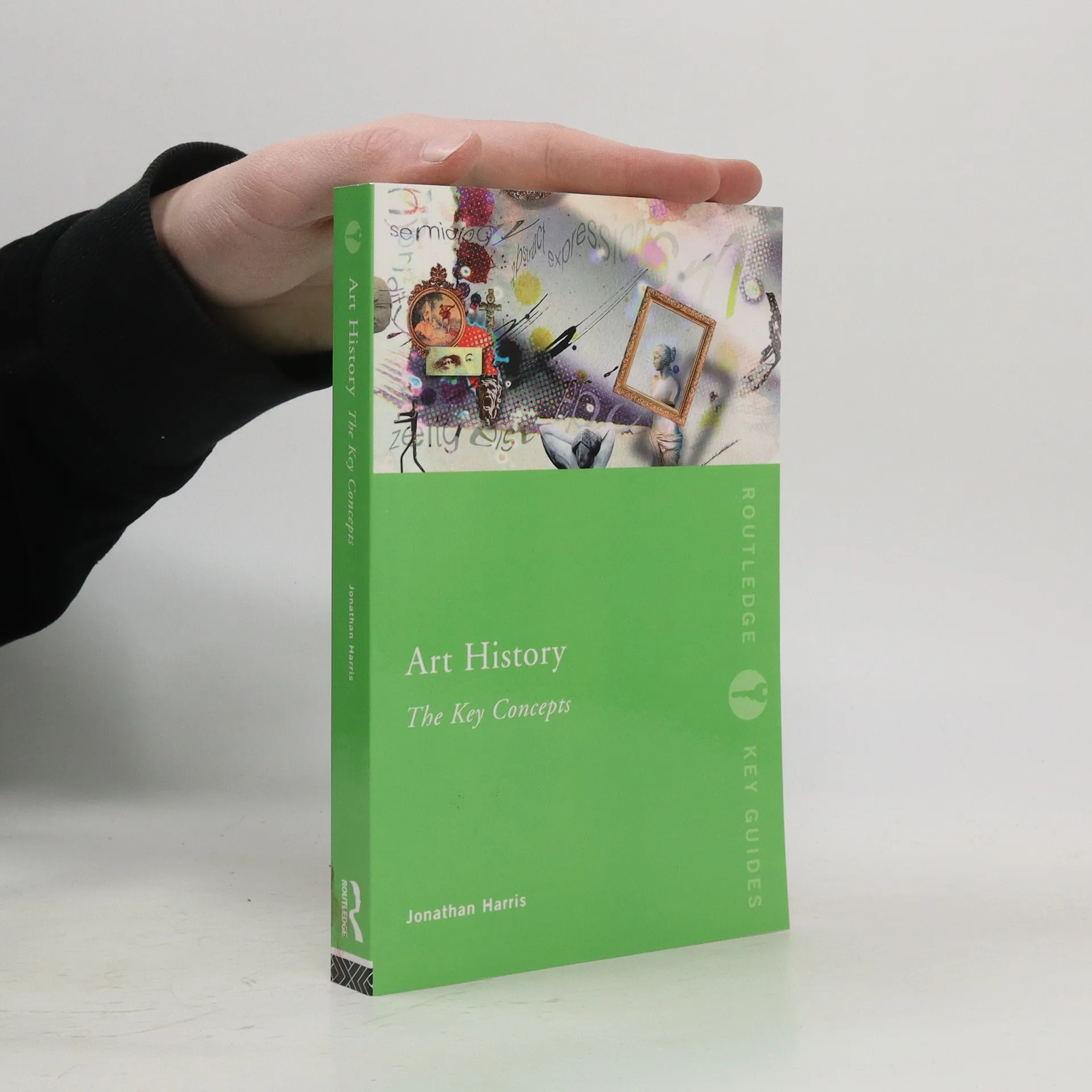
    Art History
    The New Art History
    Byzantium and the Crusades
    • Byzantium and the Crusades

      • 328 pages
      • 12 hours of reading

      "This new edition of Byzantium and the Crusades provides a fully-revised and updated version of Jonathan Harris's landmark text in the field of Byzantine and crusader history. The book offers a chronological exploration of Byzantium and the outlook of its rulers during the time of the Crusades. It argues that one of the main keys to Byzantine interaction with Western Europe, the Crusades and the crusader states can be found in the nature of the Byzantine Empire and the ideology which underpinned it, rather than in any generalised hostility between the peoples. Taking recent scholarship into account, this new edition includes an updated notes section and bibliography, as well as significant additions to the text: new material on the role of religious differences after 1100, a detailed discussion of economic, social and religious changes that took place in 12th-century Byzantine relations with the west, in-depth coverage of Byzantium and the Crusades during the 13th century, new maps, illustrations, genealogical tables and a timeline of key dates. Byzantium and the Crusades is an important contribution to the historiography by a major scholar in the field that should be read by anyone interested in Byzantine and crusader history"--.
      Byzantium and the Crusades
      4.0
    • The New Art History

      A Critical Introduction

      • 322 pages
      • 12 hours of reading

      Focusing on the evolution of art history over the past three decades, the book delves into new methodologies that have emerged in the field. Jonathan Harris distinguishes these contemporary approaches from previous radical analyses, highlighting the impact of various disciplines on art history. He also connects art historical concepts to broader social transformations, providing a nuanced understanding of how art reflects and influences societal changes.

      The New Art History
      4.0
    • Art History

      • 346 pages
      • 13 hours of reading

      "Through extended cross-referencing, Art History: The Key Concepts builds a radical intellectual synthesis for understanding and teaching art, art history, and visual culture."--BOOK JACKET.

      Art History
      3.9
    • Designed for a single-semester undergraduate course, this introductory economics textbook updates traditional macroeconomics to encompass twenty-first century concerns. In contrast to standard texts, the book starts with the question of human well-being, and then examines how economic activities can contribute to or detract from it."Macroeconomics in Context" covers standard macroeconomic concepts and models, and shows how they apply to such critical issues as ecological sustainability, distributional equity, the quality of employment, and the adequacy of living standards. In language that is clear and compelling, the book's discussions of historical, institutional, political, and social factors encourage students to engage with the subject matter. An Instructor's Resource Manual, a Test Bank, and a Student Study Guide are available online to instructors who adopt the text.

      Macroeconomics in Context
      4.0
    • Tate Liverpool Critical Forum - 9: Dead History, Live Art?

      Spectacle, Subjectivity and Subversion in Visual Culture since the 1960s

      • 256 pages
      • 9 hours of reading

      While scholars agree that the 1960s marked the end of high modernism, the characterization of contemporary art since then remains ambiguous. Acclaimed art scholar Jonathan Harris addresses this by compiling a collection of essays and an extended interview with feminist art scholar Amelia Jones, examining key movements and issues in contemporary art practice. The contributors argue that art since the 1960s cannot maintain a separate exalted status; instead, it should be viewed as part of a broader culture of display, consumption, and power within a global capitalist framework. Esteemed writers and artists like Frazer Ward, Anna Dezeuze, Richard Layzell, and Jane Chin Davidson initiate a fresh dialogue on art and mass culture, critically assessing how modern capitalism has transformed the relationships between image production, usage, and interpretation. Their essays delve into topics such as the emergence of performance art in the 1960s and 1970s, the rise of installation and mixed-media practices in the 1980s and 1990s, and the visual spectacle surrounding the 2003 Iraq invasion. This volume offers a compelling new perspective on art history and practice, challenging conventional understandings and reshaping the concept of the avant-garde.

      Tate Liverpool Critical Forum - 9: Dead History, Live Art?