
Explore the latest books of this year!
Bookbot

Gary Koop

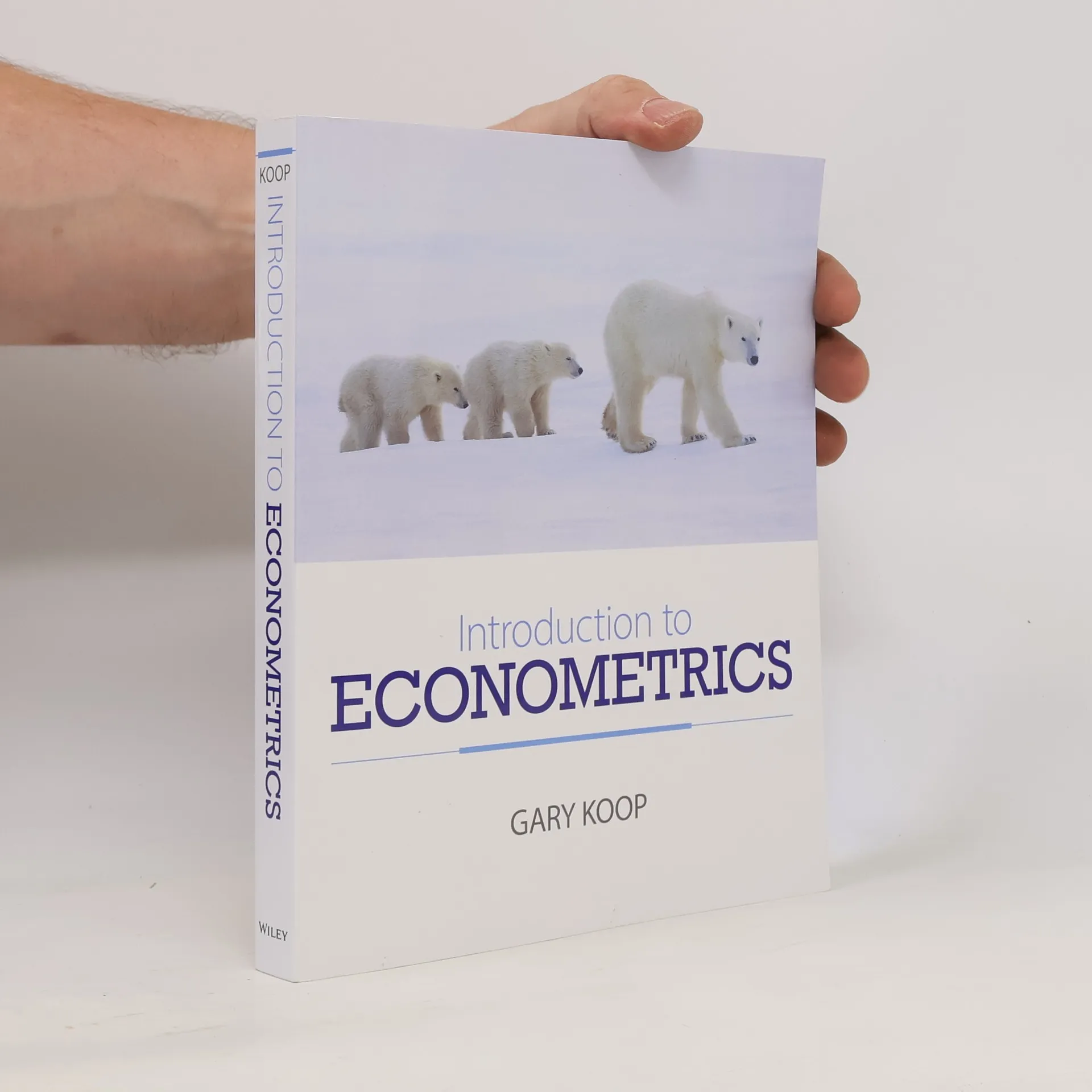
    Introduction to Econometrics
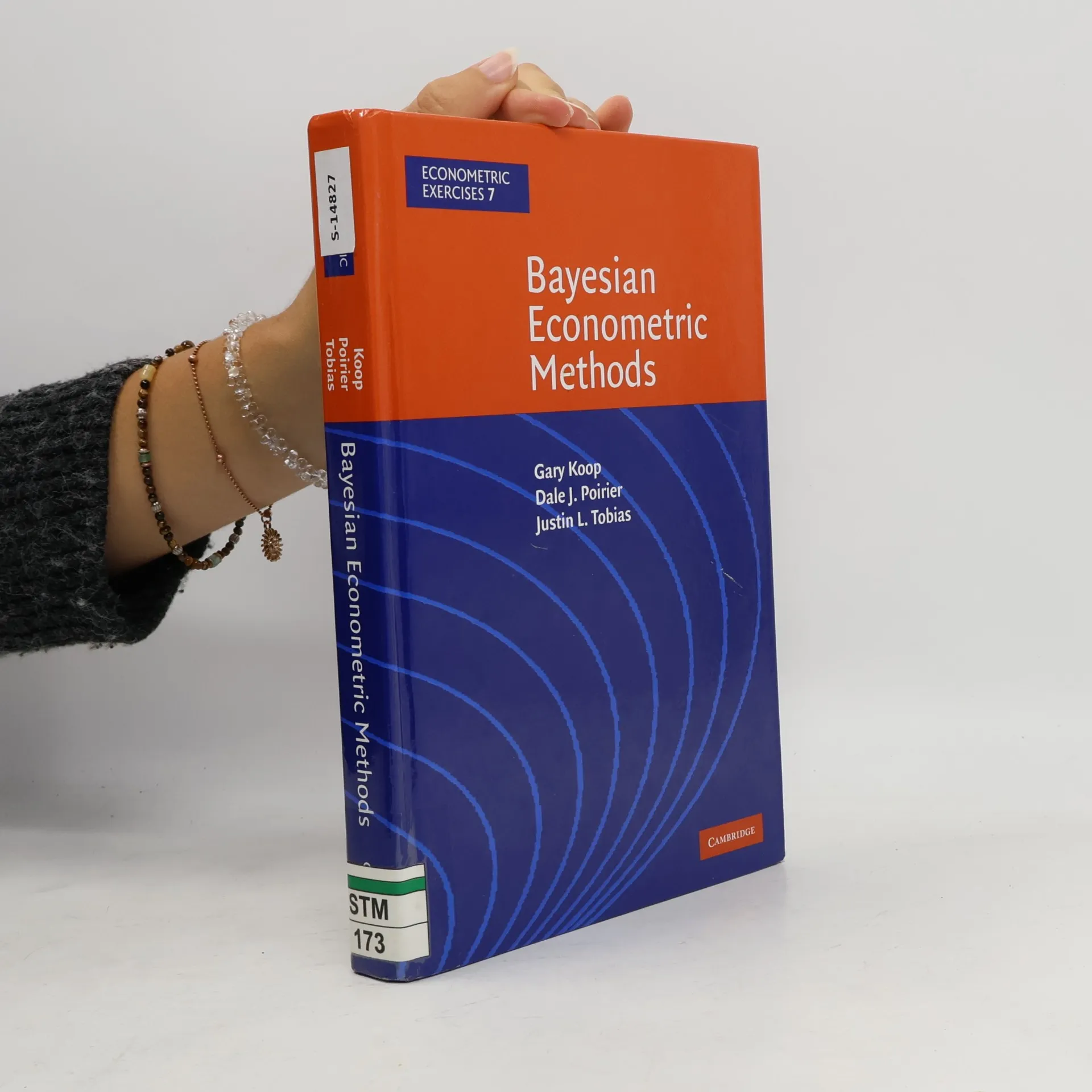
    Bayesian Econometric Methods
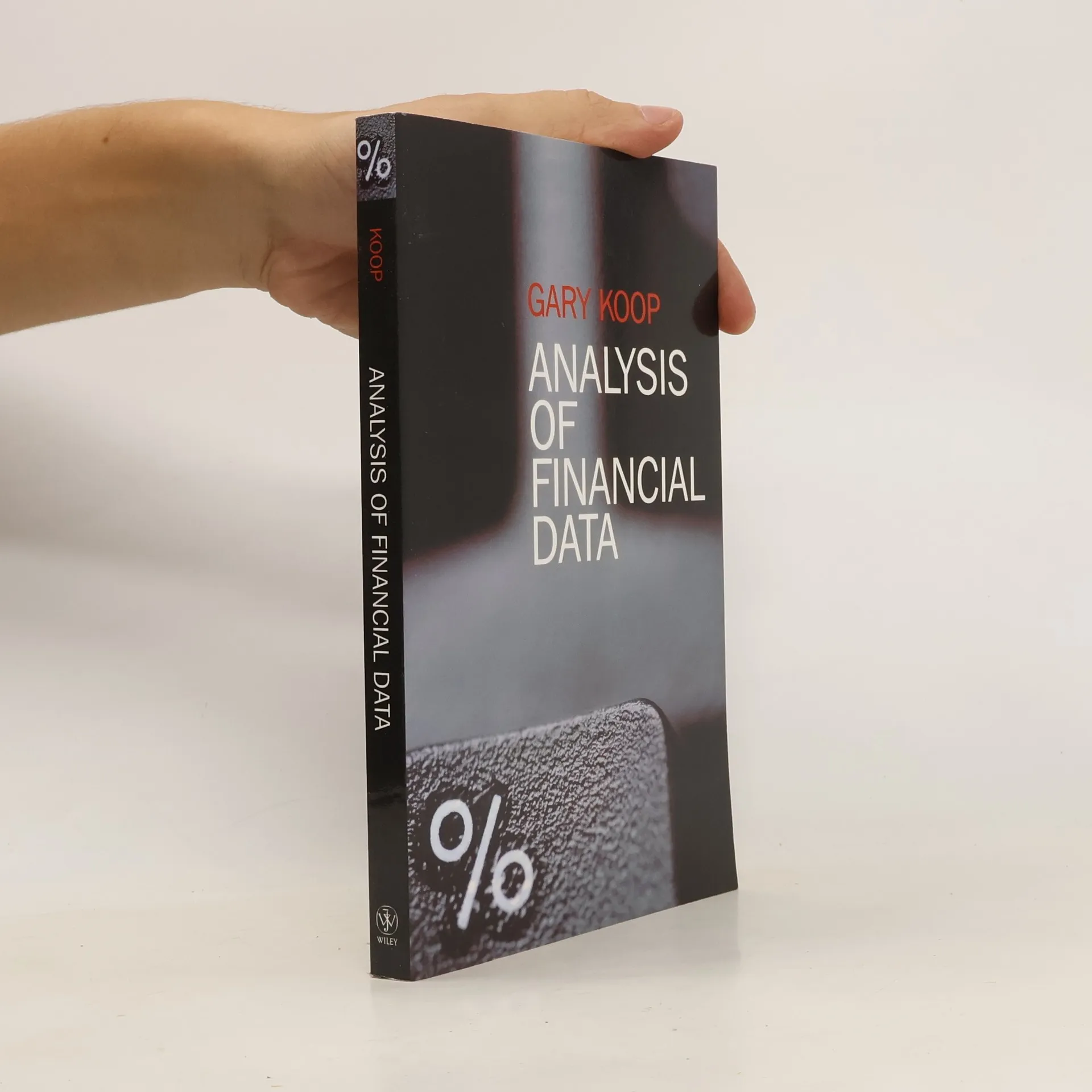
    Analysis of Financial Data
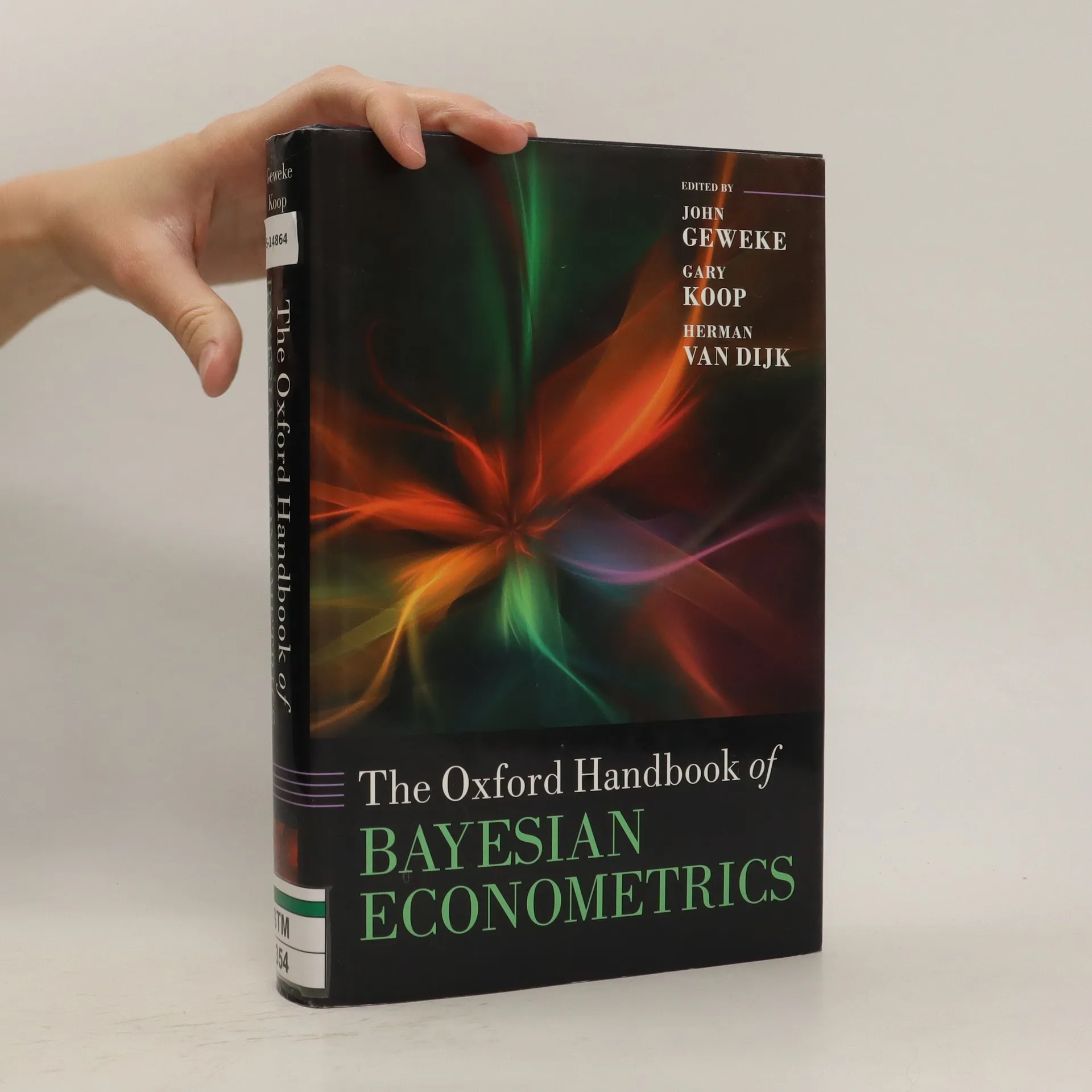
    The Oxford handbook of Bayesian econometrics
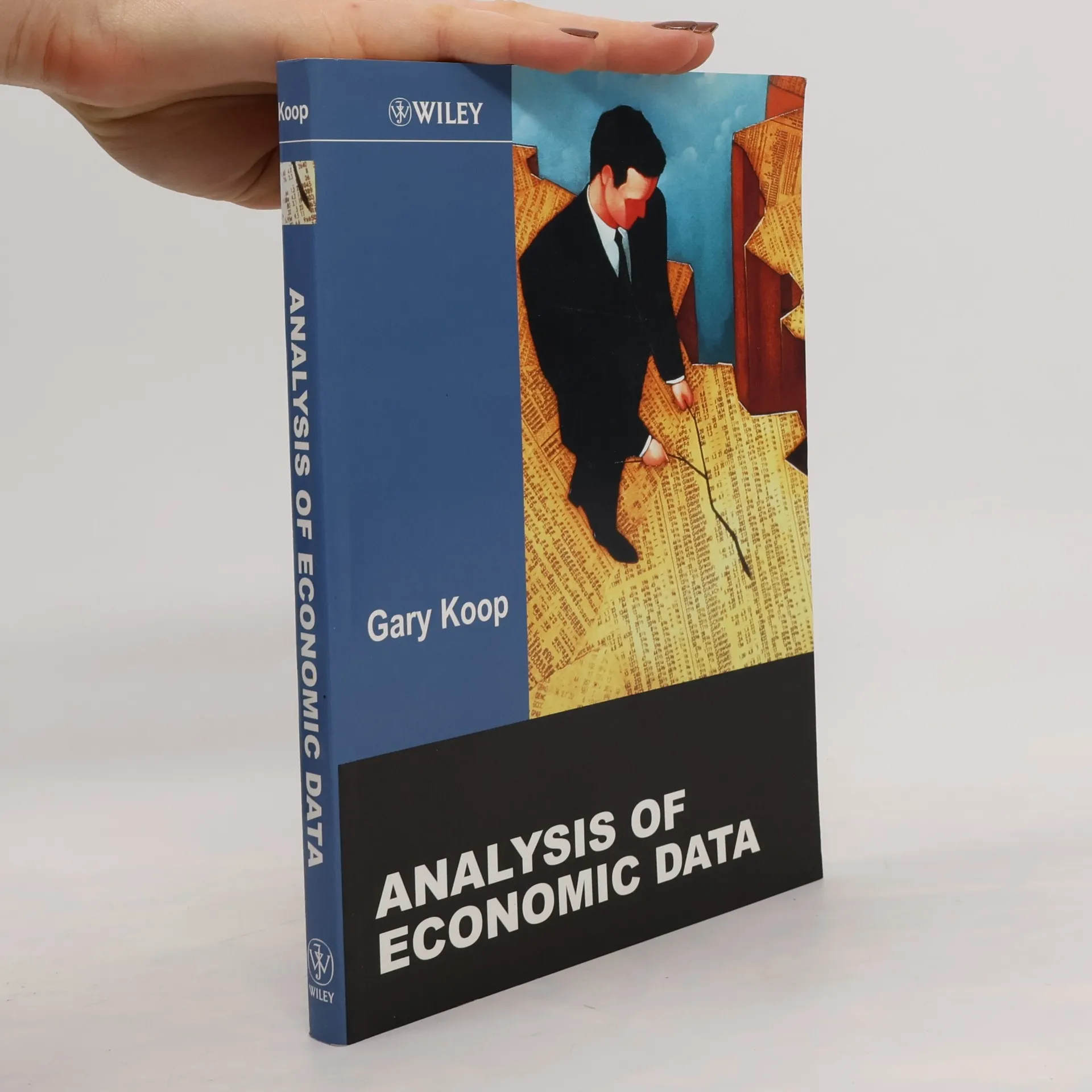
    Analysis of Economic Data
    • Analysis of Economic Data

      • 256 pages
      • 9 hours of reading

      Analysis of Economic Data teaches methods of data analysis to students whose primary interest is not in econometrics, statistics or mathematics. It shows students how to apply econometric techniques in the context of real-world empirical problems. It adopts a largely non-mathematical approach relying on verbal and graphical intuition and covers most of the tools used in modern econometrics research e.g. correlation, regression and extensions for time-series methods. It contains extensive use of real data examples and involves readers in hands-on computer work. The new edition includes new material on the mathematical background required by students and, for those readers unfamiliar with this background, a brief explanation of the relevant mathematics. Topics covered the equation of a straight line, the summation operator, and logarithms. The author also includes a much greater discussion of data transformations such as growth rates and index numbers. More material will also be added on data sources, largely focusing on internet data sources.

      Analysis of Economic Data
      4.4
    • A broad coverage of the application of Bayesian econometrics in the major fields of economics and related disciplines, including macroeconomics, microeconomics, finance, and marketing.

      The Oxford handbook of Bayesian econometrics
      4.0
    • Analysis of Financial Data teaches basic methods and techniques of data analysis to finance students.  It covers many of the major tools used by the financial economist i.e. regression and time series methods including discussion of nonstationary models, multivariate concepts such as cointegration and models of conditional volatility.   It shows students how to apply such techniques in the context of real-world empirical problems.  It adopts a largely non-mathematical approach relying on verbal and graphical intuition and contains extensive use of real data examples and involves readers in hands-on computer work. Analysis of Financial Data has been adapted by Gary Koop from his highly successful textbook Analysis of Economic Data.

      Analysis of Financial Data
      4.0
    • Bayesian Econometric Methods

      • 486 pages
      • 18 hours of reading

      The book presents Bayesian theory and its practical applications through a structured series of exercises, utilizing a question and answer format. This approach enables readers to engage actively with the material, reinforcing their understanding of Bayesian concepts and techniques.

      Bayesian Econometric Methods
      3.5
    • Introduction to Econometrics

      • 371 pages
      • 13 hours of reading

      Introduction to Econometrics has been written as a core textbook for a first course in econometrics taken by undergraduate or graduate students. It is intended for students taking a single course in econometrics with a view towards doing practical data work. It will also be highly useful for students interested in understanding the basics of econometric theory with a view towards future study of advanced econometrics. To achieve this end, it has a practical emphasis, showing how a wide variety of models can be used with the types of data sets commonly used by economists. However, it also has enough discussion of the underlying econometric theory to give the student a knowledge of the statistical tools used in advanced econometrics courses.

      Introduction to Econometrics