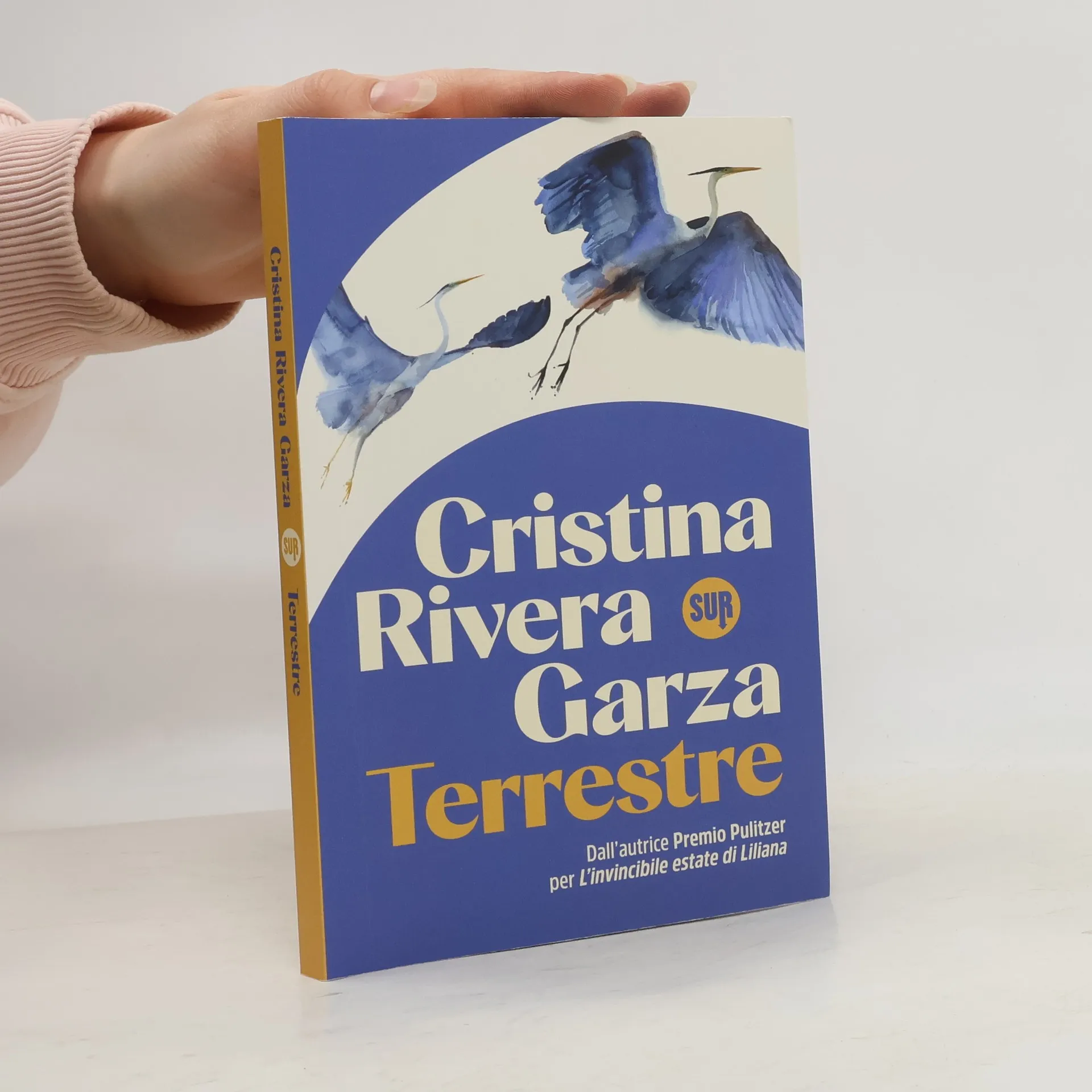
In September 2019, Cristina Rivera Garza travels from Texas to Mexico City, seeking an unresolved criminal file related to her sister, Liliana, who was murdered in 1990 by an abusive ex-boyfriend. After twenty-nine years, Cristina finally articulates her quest for justice during a phone call with a lawyer. Motivated by global feminist movements and outraged by the epidemic of femicide and intimate partner violence, she embarks on a journey to reclaim her sister’s story. In luminous prose, Rivera Garza recounts Liliana’s life, from her early romance with a possessive partner to the vibrant summer of 1990, when she embraced love and freedom. Through her skills as a scholar, novelist, and poet, Rivera Garza curates evidence—letters, police reports, and interviews—to explore her sister’s life beyond the tragedy. This genre-defying memoir confronts the trauma of loss while examining how it shapes Rivera Garza’s identity and activism today. Ultimately, it’s a powerful reflection on resilience, justice, and the enduring impact of violence against women.
Cristina Rivera Garza Books
Cristina Rivera Garza is celebrated for her pioneering approach to literature, often exploring the liminal spaces between reality and fiction, history and memory. Her writing is marked by a profound engagement with themes of identity, displacement, and the complexities of the human psyche. With history as the foundation of her academic background, she brings a unique perspective to her works, intertwining the past with the present. Rivera Garza is recognized for her ability to craft compelling and intellectually stimulating narratives that resonate with readers globally.


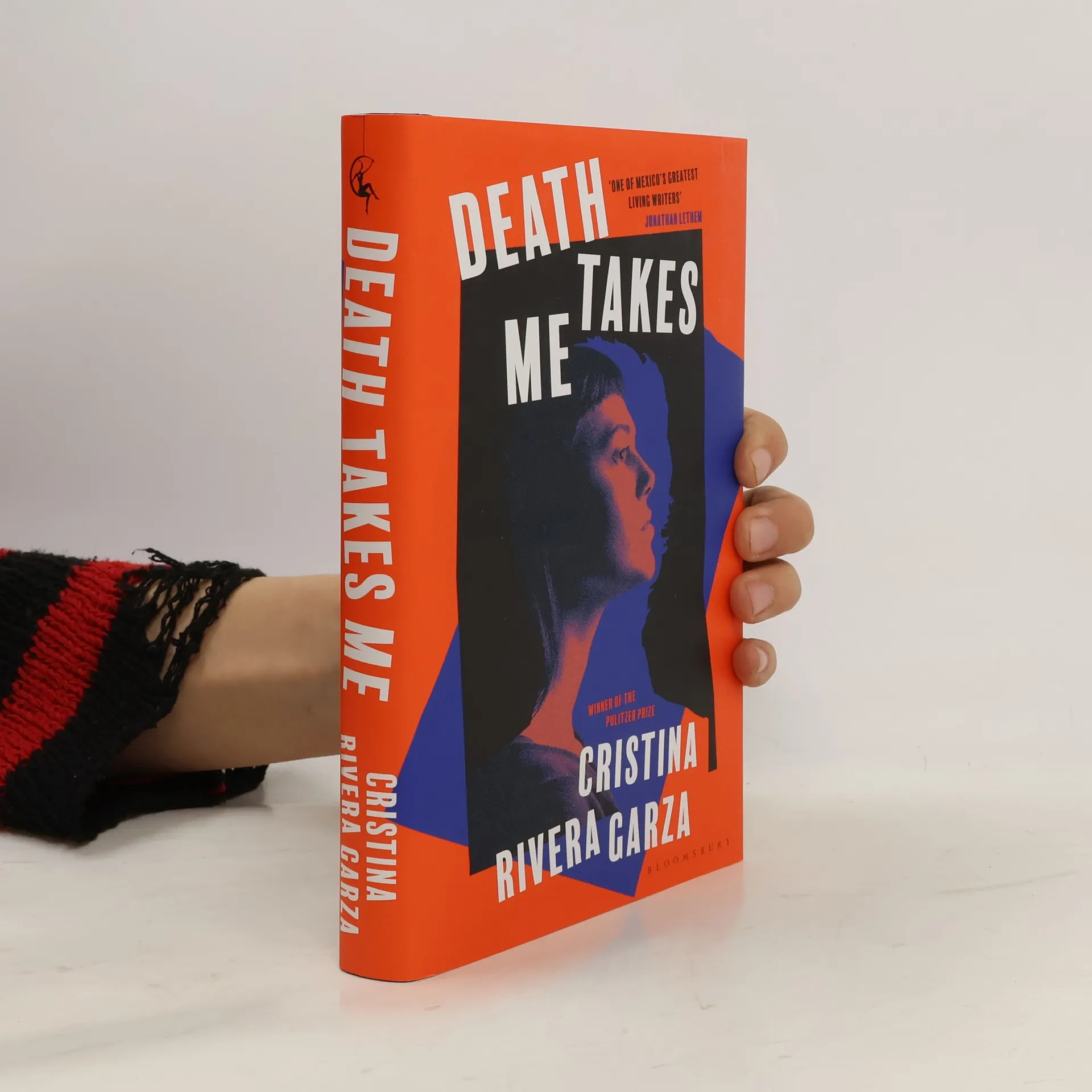
Death Takes Me
- 304 pages
- 11 hours of reading
Translated by Sarah Booker and Robin Myers A city is always a cemetery. When a professor named Cristina Rivera Garza stumbles upon the corpse of a man in a dark alley, she finds a stark warning on the brick wall beside the body, scrawled in coral nail polish: 'Beware of me, my love / beware of the silent woman in the desert.' After reporting the crime to the police, the professor becomes the lead informant of the case, led by a detective with a newfound obsession with poetry and a long list of failures on her back. But what has the professor really seen? While more bodies of men are found across the city, the detective tries to decipher the meaning of the poems, and the darker stream of violence spreading throughout the city. From one of Mexico's greatest living writers, Death Takes Me is a dark and dazzling literary thriller that flips the traditional crime narrative on its head, in a world where death is rampant and violence is gendered. Unfolding with the charged logic of a dream in sentences as sharp as the cuts on the bodies of the victims - a word which, in Spanish, is always feminine - it explores with masterful imagination the unstable terrains of desire and sexuality.
The Taiga Syndrome
- 121 pages
- 5 hours of reading
Fairy tale meets detective drama in this David Lynch–like novel by a writer Jonathan Lethem calls “one of Mexico's greatest . . . we are just barely beginning to catch up to what she has to offer.” A fairy tale run amok, The Taiga Syndrome follows an unnamed Ex-Detective as she searches for a couple who has fled to the far reaches of the earth. A betrayed husband is convinced by a brief telegram that his second ex-wife wants him to track her down—that she wants to be found. He hires the Ex-Detective, who sets out with a translator into a snowy, hostile forest where strange things happen and translation betrays both sense and one’s senses. Tales of Hansel and Gretel and Little Red Riding Hood haunt the Ex-Detective’s quest into a territory overrun with the primitive excesses of Capitalism—accumulation and expulsion, corruption and cruelty—though the lessons of her journey are more experiential than moral: that just as love can fly away, sometimes unloving flies away as well. That sometimes leaving everything behind is the only thing left to do.
The Iliac Crest
- 136 pages
- 5 hours of reading
On a dark and stormy night, two mysterious women invade an unnamed narrator's house, where they proceed to ruthlessly question their host's gender and identity. The increasingly frantic protagonist fails to defend his supposed masculinity and eventually finds himself in a sanatorium. A Gothic tale of destabilized male-female binaries and subverted literary tropes, this is the book's first English publication.
Lilianas unvergänglicher Sommer
- 336 pages
- 12 hours of reading
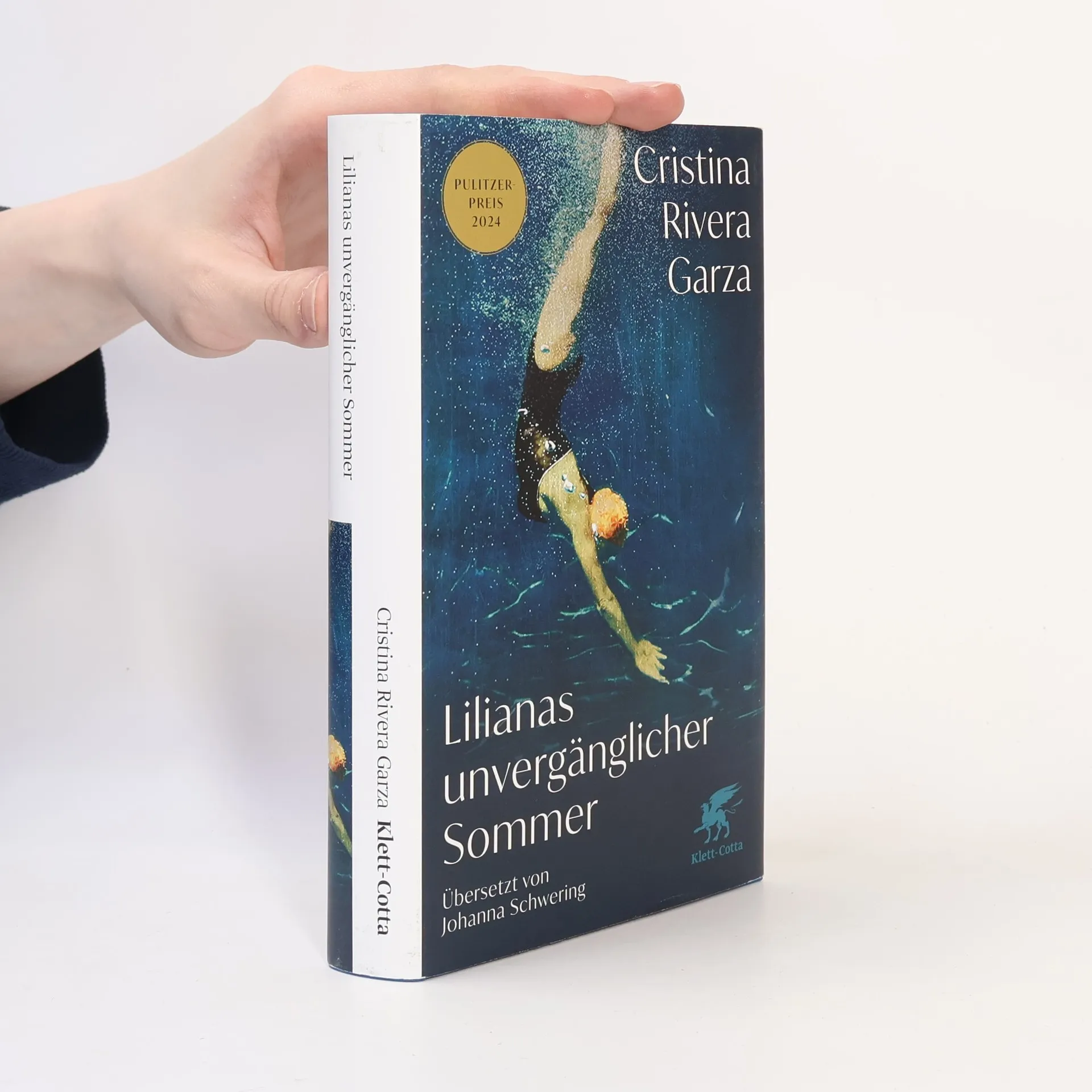
»Cristina Rivera Garza hat etwas fast Magisches geschrieben: den Versuch, das Leben von Liliana wiederzuerlangen. Dieses Buch ist eine Offenbarung.« Mariana Enriquez »Lilianas unvergänglicher Sommer« ist das intime und zugleich vielschichtige Porträt einer Schwester. Es ist die aufwühlende Suche nach den Spuren einer jungen Frau. Es ist der unbedingte Wunsch, nach dem und über das Grauen zu schreiben und die eigene Trauer zuzulassen. Es ist ein funkelndes literarisches Werk von weltweiter Strahlkraft. Liliana kann besser schwimmen als ihre ältere Schwester, ist größer und aufgeschlossener. Sie hat einen festen Freund, sie studiert, schlägt sich die Nächte mit ihren Freundinnen um die Ohren. Sie trennt sich von ihrem Freund, lernt, geht ins Kino. Und dann: wird Liliana Rivera Garza ermordet. Der Täter ist ihr Ex-Partner, seither nicht verurteilt. 29 Jahre später kehrt die preisgekrönte Autorin Cristina Rivera Garza aus den USA nach Mexiko zurück, um sich dem Andenken an ihre Schwester Liliana zu widmen. Doch der Erinnerung an Liliana, an die Unbeschwertheit ihrer Jugend, an ihr Leben und ihr Sterben steht die Bürokratie der Justiz entgegen – und die Sprache. Die Sprache, um die Cristina Rivera Garza ringt, ist eine, die es nicht gibt, die es nicht geben kann, die es geben muss. Es ist eine Sprache, in der ein zu früh verlorenes Leben verstanden werden kann. Und die den Lebensfunken einer jungen, ausgelöschten Frau neu entfacht.
Nadie Me Vera Llorar
- 254 pages
- 9 hours of reading
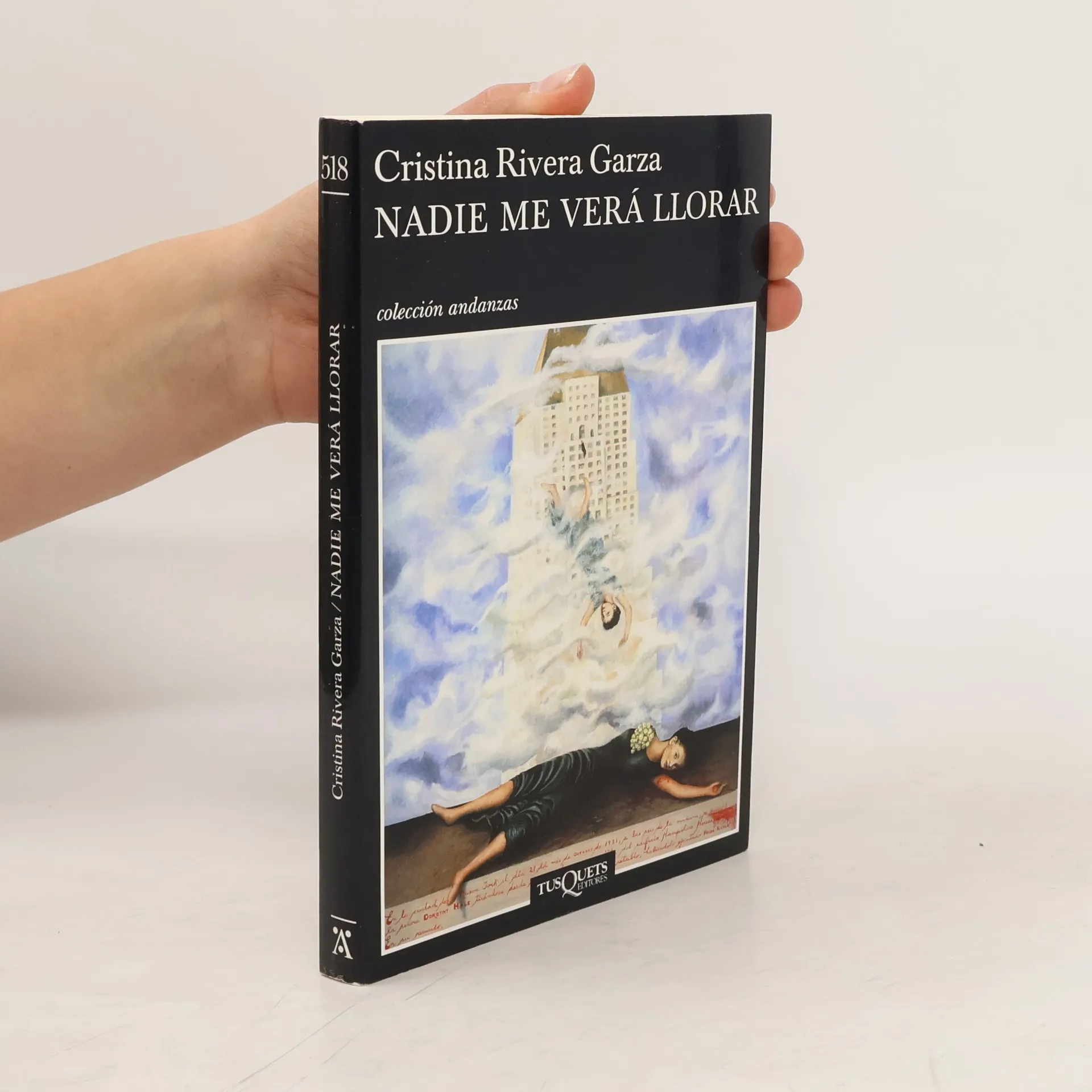
¿Cómo se convierte uno en fotógrafo de locos? Es 1920 y Joaquín Buitrago está a cargo de tomar retratos de los internos del Manicomio General La Castañeda con fines de identificación. Cuando en su lente aparece el rostro de Matilda Burgos, una mujer a quien cree haber conocido años atrás en el burdel La Modernidad, su obsesión por la historia de la enferma lo obliga a buscar toda clase de información para llegar a ella. Con cuarenta y nueve años, Joaquín aún se enamora como si tuviera todo el tiempo por delante y nada más por hacer. La marea de recuerdos, en la que va tomando forma la turbulenta existencia de Matilda y la vida en los márgenes de la Ciudad de México, los une bajo el cielo más oscuro del nuevo siglo. Saben que han perdido la batalla. Pero tal vez, como aseguraba Borges, la derrota tiene una dignidad que la victoria no conoce.
Cuentos eróticos de San Valentín
- 208 pages
- 8 hours of reading
Después del éxito de los Cuentos eróticos de Navidad y Cuentos eróticos de verano, la colección La Sonrisa Vertical presenta un nuevo volumen de relatos centrados en el día de San Valentín, el 14 de febrero. En esta fecha que celebra el amor, se invita al lector a explorar ritos y tópicos desde perspectivas sensuales, provocativas y divertidas, a través de historias escritas por diez autores para hacer del día de San Valentín una experiencia inolvidable. El lector se dejará llevar por la voluptuosidad de una Lolita que mantiene su pasión intacta veinte años después, disfrutará de las peripecias de un hombre casado que celebra el día con su amante en un hotel concurrido, y vivirá un cambio de vida en un avión. Además, seguirá a una detective que encuentra un sensual anillo de San Valentín, se impacientará por la espera de una mujer en el aeropuerto, y se sumergirá en las fantasías eróticas de un paciente en el día de su operación. También se sorprenderá con un hombre que planea un regalo sorprendente para su amante, y se desesperará con una treintañera que busca a su admirador secreto. Finalmente, vivirá la última gran pasión de Eurípides y se dejará atrapar por la trampa que un hijo tiende a su madre, separada y con ganas de divertirse. Estas experiencias variadas prometen cautivar al lector en múltiples tonos y situaciones.
Lilianino nekonečné léto
- 288 pages
- 11 hours of reading
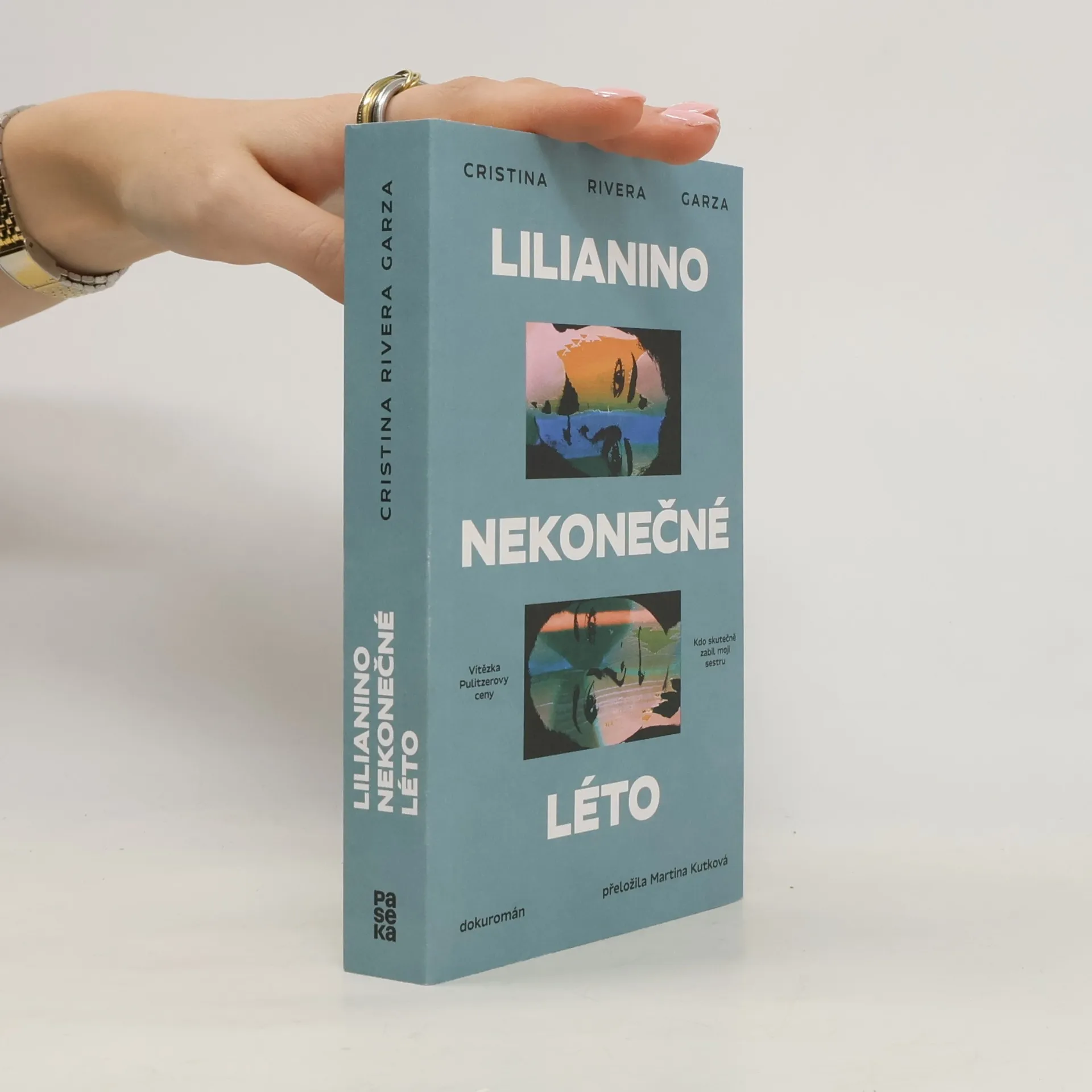
Šestnáctého července 1990 zavraždil Lilianu Riveru Garzu její bývalý přítel. Zařadila se tak na dlouhý seznam žen, na nichž byly spáchány „zločiny z vášně“, což je eufemismus pro femicidu. Spisovatelka Cristina Rivera Garza se po desetiletích strávených ve Spojených státech vrací do rodného Mexika, aby ztracený život své sestry zaznamenala. Shromažďuje ručně psané dopisy, policejní zprávy, školní sešity, hlasové nahrávky Lilianiných přátel i architektonické plány. Citlivě a umně skládá mnohovrstevnatý portrét jejího osudu, z konkrétní tragédie vytváří obecnější obraz problému a staví se proti normalizovanému genderovému násilí. Liliana před námi prostřednictvím literatury ožívá na každé stránce a my se nedokážeme smířit s tím, že tu ve skutečnosti už není. A tento pocit údivu, rozhořčení a ztráty v nás doznívá ještě dlouho po dočtení knihy.