

In this work of feminist literary criticism the authors explore the works of many major 19th-century women writers. They chart a tangible desire expressed for freedom from the restraints of a confining patriarchal society and trace a distinctive female literary tradition. schovat popis
Sandra Gilbert Books
December 27, 1936
Sandra M. Gilbert is an acclaimed author of numerous volumes of criticism and poetry, as well as a memoir. She is recognized for her significant contributions to literary scholarship, including her co-editorship of a seminal anthology of women's literature. Her work often delves into the complexities of literary expression and the experiences of women writers.

Still Mad
- 464 pages
- 17 hours of reading
A brilliant, sweeping history of the contemporary women's movement told through the lives and works of the literary women who shaped it
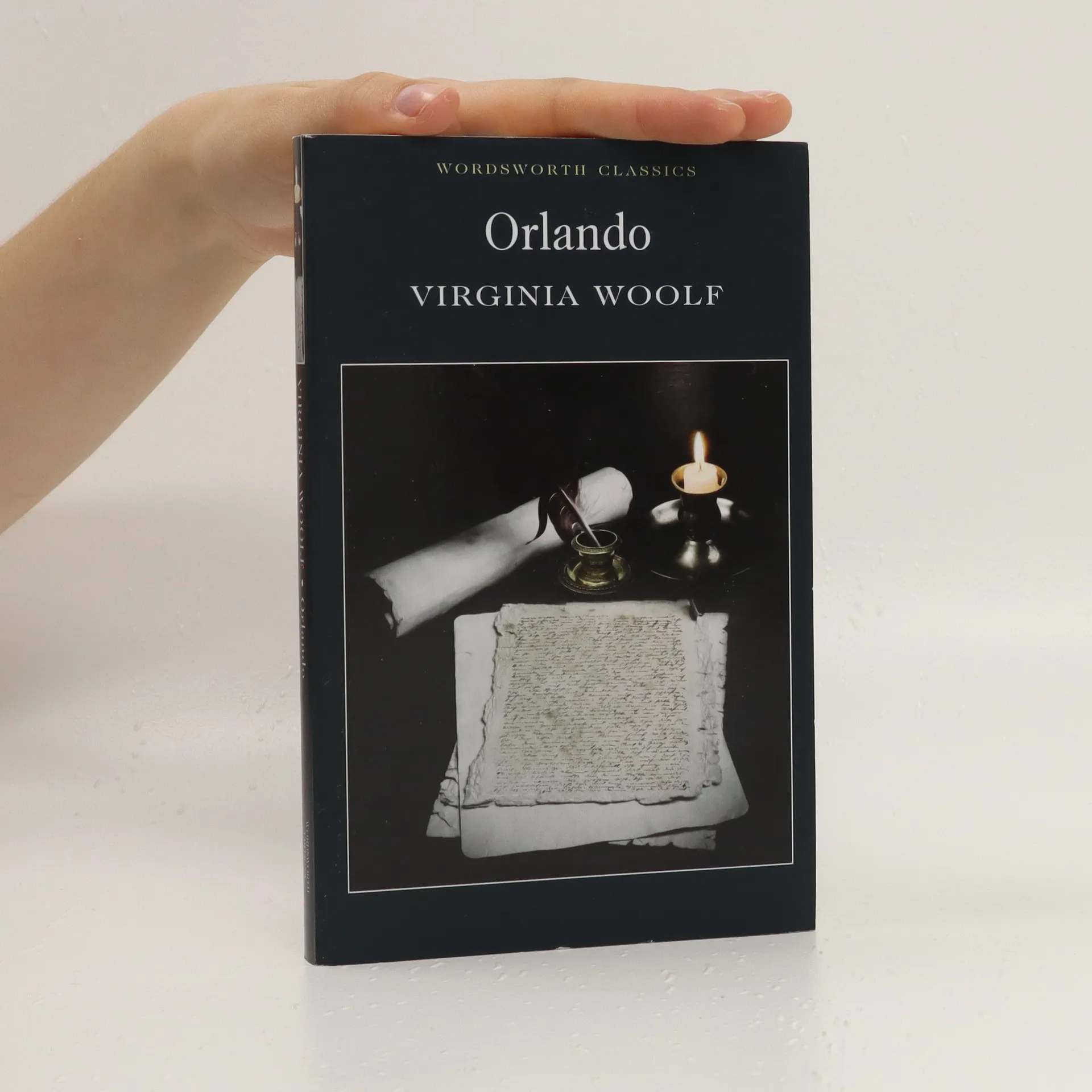
"WITH AN INTRODUCTION BY HELEN DUNMORE As his tale begins, Orlando is a passionate young nobleman whose days are spent in rowdy revelry, filled with the colourful delights of Queen Elizabeth's court. By the close, he will have transformed into a modern, 36-year-old woman and three centuries will have passed. Orlando will not only witness the making of history from its edge, but will find that his unique position as a woman who knows what it is to be a man will give him insight into matters of the heart."
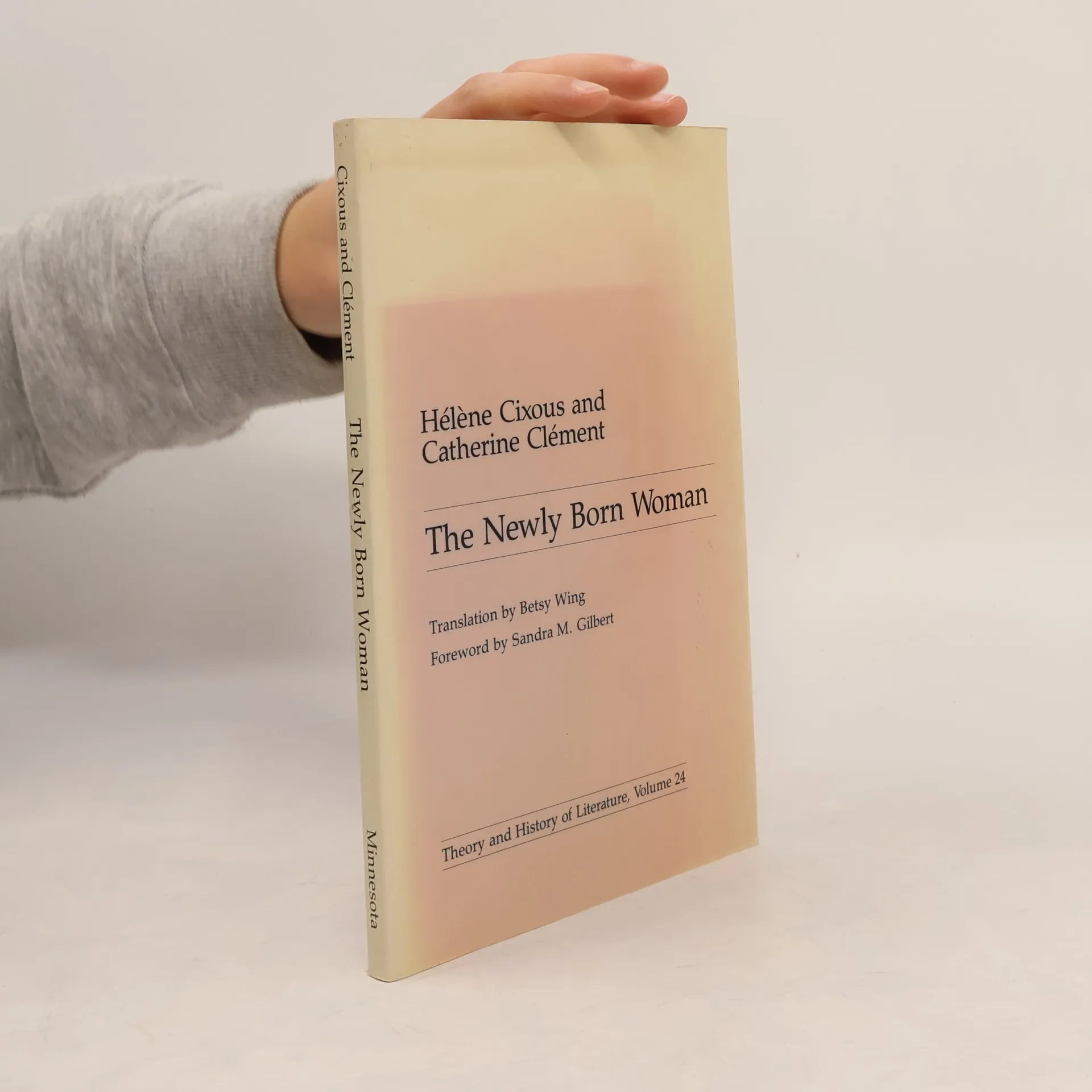
Theory and History of Literature - 24: The Newly Born Woman
- 168 pages
- 6 hours of reading
Published in France as Le jeune née in 1975, and found here in its first English translation, The Newly Born Woman is a landmark text of the modern feminist movement. In it, Hélène Cixous and Catherine Clément put forward the concept of écriture feminine, exploring the ways women’s sexuality and unconscious shape their imagination, their language, and their writing. Through their readings of historical, literary, and psychoanalytic accounts, Cixous and Clément explore what is hidden and repressed in culture, revealing the unconscious of history.