

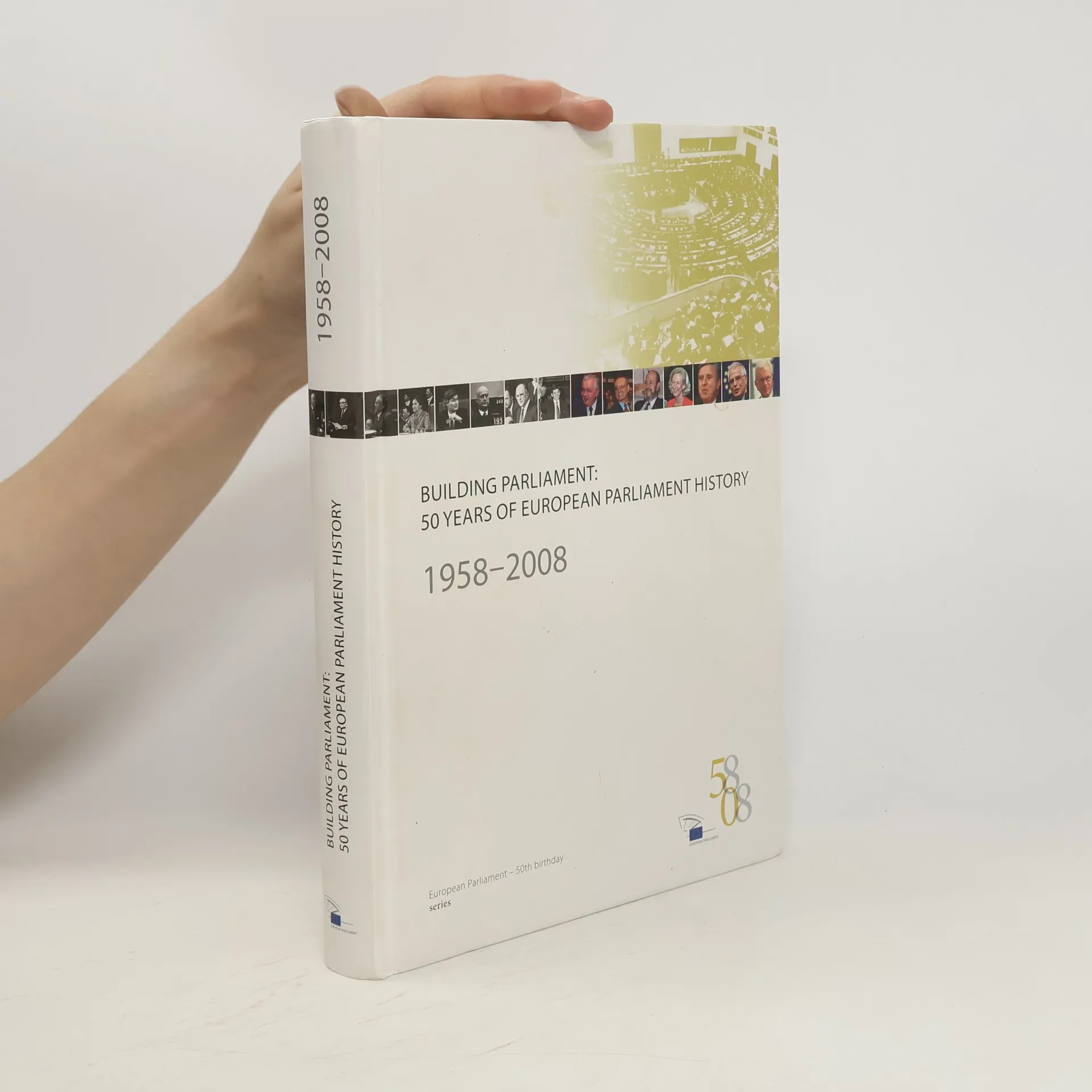
A beautiful book on the history of the European Parliament — its development, its increasing influence and power, and the results it has obtained for the Europeans.
Yves Mény Books
A French political scientist, his work delves into the intricacies of European politics and governance. He rigorously examines the evolution and functioning of European states and their interrelations. His scholarship explores themes of regionalism, federalism, and public policy, offering insightful perspectives on the complexities of modern European administration. Through his analytical approach, readers gain a clearer understanding of the political forces shaping Europe.

Government and Politics in Western Europe
Britain, France, Italy, Germany
This new edition offers a clear and accessible comparative introduction to the political institutions of Western Europe's four largest countries: Britain, France, Italy, and Germany. It has been thoroughly revised to cover not only developments at a national level, but also the growing integration of national politics with the politics of the European Union.
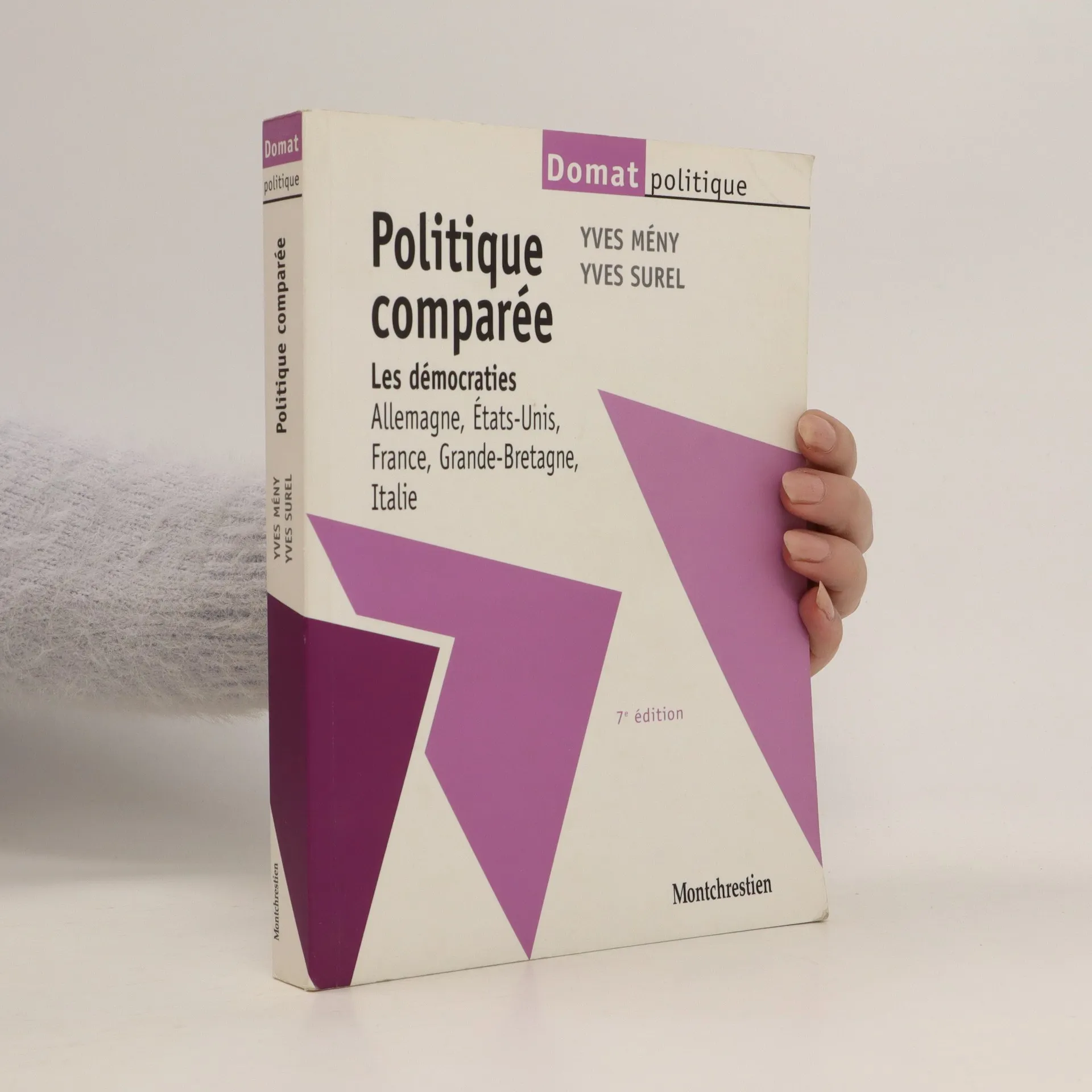
Politique comparée
- 495 pages
- 18 hours of reading
Produit historique de l'évolution sociale, économique et culturelle des pays occidentaux, la démocratie constitue toujours une référence, sinon un idéal, même si de nombreuses analyses la décrivent en crise, imparfaite ou menacée. Fondées sur un équilibre instable et en constante évolution entre des dynamiques populistes, incarnation de la souveraineté déclarée du peuple, et des logiques constitutionnalistes, attachées à la consécration de l'État de droit, les démocraties contemporaines analysées ici (Allemagne, États-Unis, France, Grande-Bretagne, Italie) offrent un tableau tout à la fois plus contrasté et plus riche que certains diagnostics pourraient le laisser croire. Comparer ces systèmes politiques permet de relativiser la connaissance, d'infirmer les idées reçues, de mieux comprendre enfin la vérité d'un système politique à la lumière des solutions, des expérimentations et des évolutions vécues ailleurs. Pour ce faire, cette nouvelle édition s'attache à considérer successivement les transformations des clivages socio-politiques, les logiques de représentation nourries par les systèmes de partis et les groupes d'intérêt, les principaux mécanismes institutionnels d'exercice du pouvoir, ainsi que le rôle croissant d'acteurs souvent tenus pour périphériques que sont les cours constitutionnelles, les administrations et les collectivités locales.