
Explore the latest books of this year!
Bookbot

J. B. Handley

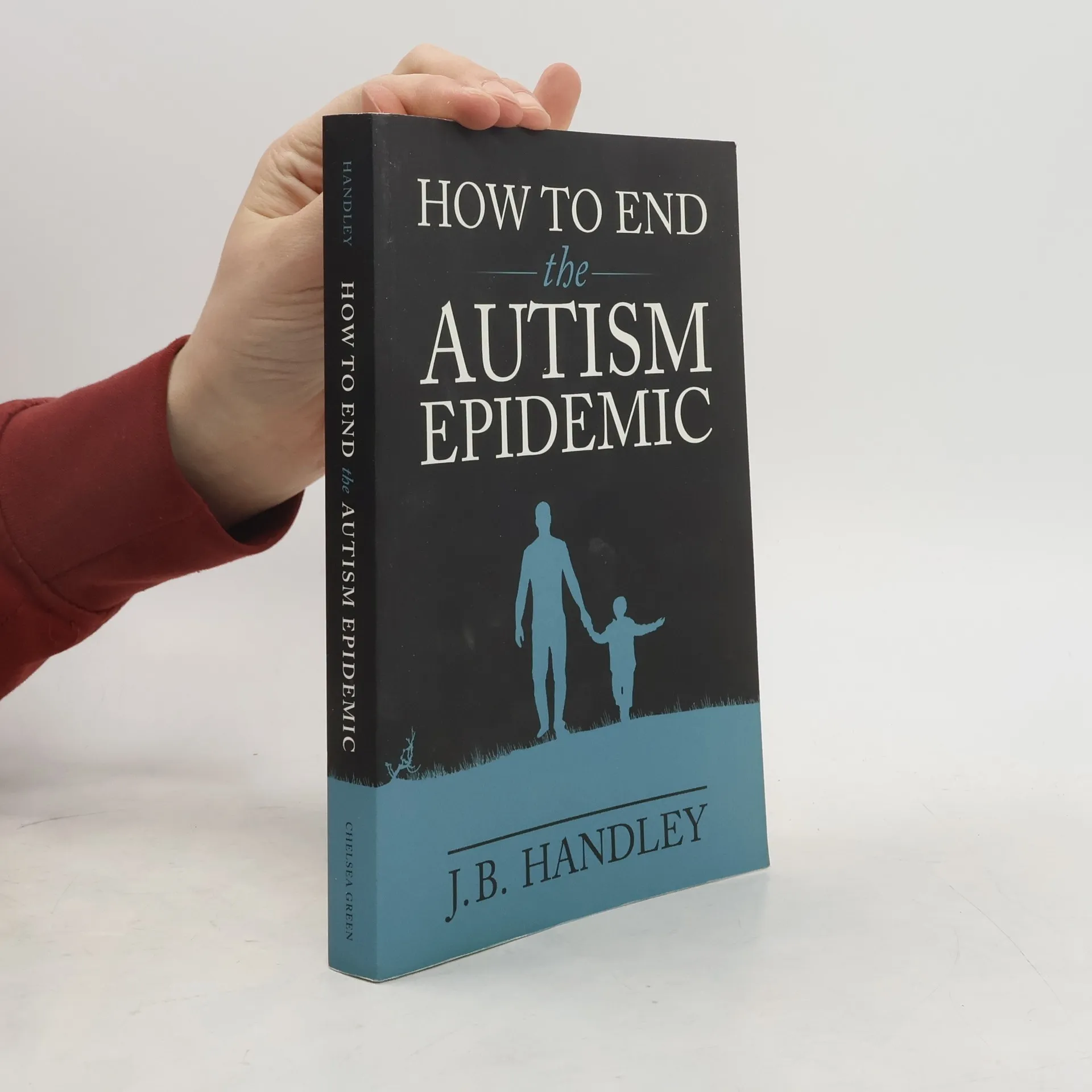
    How to End the Autism Epidemic
    Underestimated. An Autism Miracle
    • Underestimated. An Autism Miracle

      • 192 pages
      • 7 hours of reading

      In Underestimated: An Autism Miracle, Generation Rescue's cofounder J.B. Handley and his teenage son Jamison tell the remarkable story of Jamison's journey to find a method of communication that allowed him to show the world that he was a brilliant, wise, generous, and complex individual who had been misunderstood and underestimated by everyone in his life. Jamison's emergence at the age of seventeen from his self-described "prison of silence" took place over a profoundly emotional and dramatic twelve-month period that is retold from his father's perspective. The book reads like a spy thriller while allowing the reader to share in the complex emotions of both exhilaration and anguish that accompany Jamison's journey for him and his family. Once Jamison's extraordinary story has been told, Jamison takes over the narrative to share the story from his perspective, allowing the world to hear from someone who many had dismissed and cast aside as incapable. Jamison's remarkable transformation challenges the conventional wisdom surrounding autism, a disability impacting 1 in 36 Americans. Many scientists still consider nonspeakers with autism--a full 40 percent of those on the autism spectrum--to be "mentally retarded." Is it possible that the experts are wrong about several million people? Are all the nonspeakers like Jamison?

      Underestimated. An Autism Miracle
      4.6
    • How to End the Autism Epidemic

      • 289 pages
      • 11 hours of reading

      "In How to End the Autism Epidemic, Generation Rescue's co-founder J.B. Handley offers a compelling, science-based explanation of what's causing the autism epidemic, the lies that enable its perpetuation, and the steps we must take as parents and as a society in order to end it. While many parents have heard the rhetoric that vaccines are safe and effective and that the science is settled about the relationship between vaccines and autism, few realize that in the 1960s, American children received three vaccines compared to the thirty-eight they receive today. Or that when parents are told that the odds of an adverse reaction are "one in a million," the odds are actually one in fifty. Or that in the 1980s, the rate of autism was one in ten thousand children. Today it's one in thirty-six. Parents, educators, and social service professionals around the country are sounding an alarm that we are in the midst of a devastating public health crisis one that corresponds in lockstep with an ever-growing vaccine schedule. Why do our public health officials refuse to investigate this properly or even acknowledge it? In How to End the Autism Epidemic, Handley confronts and dismantles the most common lies about vaccines and autism. He then lays out, in detail, what the truth actually is: new published science links the aluminium adjuvant used in vaccines to immune activation events in the brains of infants, triggering autism; and there is a clear legal basis for the statement that vaccines cause autism, including previously undisclosed depositions of prominent autism scientists under oath. While Handley's argument is unsparing, his position is ultimately moderate and constructive: we must continue to investigate the safety of vaccines, we must adopt a position of informed consent, and every individual vaccine must be considered on its own merits. This issue is far from settled. By refusing to engage with parents and other stakeholders in a meaningful way, our public health officials destroy the public trust and enable the suffering of countless children and families"-- Provided by publisher

      How to End the Autism Epidemic