
John Kennedy Toole was an American novelist whose work, including the acclaimed novel 'A Confederacy of Dunces', remained unpublished during his lifetime. After his death, his mother brought the manuscript to the attention of novelist Walker Percy, who was instrumental in its publication. Toole's writing is celebrated for its distinctive humor and sharp observations on the human condition. His unique literary voice offers a compelling exploration of character and society, posthumously recognized with the Pulitzer Prize for Fiction.
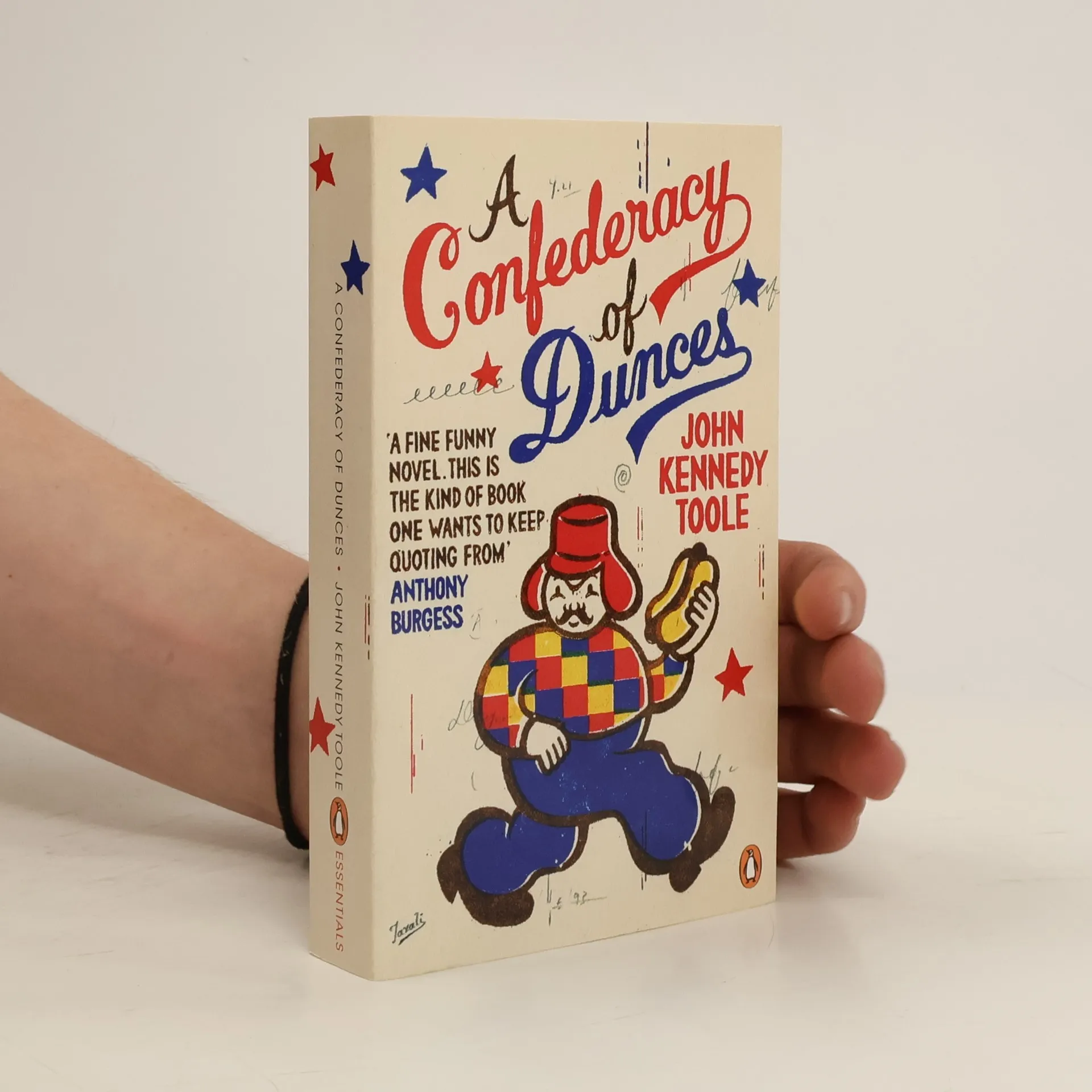
'This city is famous for its gamblers, prostitutes, exhibitionists, anti-Christs, alcoholics, sodomites, drug addicts, fetishists, onanists, pornographers, frauds, jades, litterbugs, and lesbians . . . don't make the mistake of bothering me.' Ignatius J. Reilly: fat, flatulent, eloquent and almost unemployable. By the standards of ordinary folk he is pretty much unhinged, too. But is he bothered by this? No. For this misanthropic crusader against an America fallen into vice and ignorance has a mission: to rescue a naked female philosopher in distress. And he has a pirate costume and hot-dog cart to do it with . . . 'I succumbed, stunned and seduced, page after page, vocal with delight. A masterwork of comedy' The New York Times
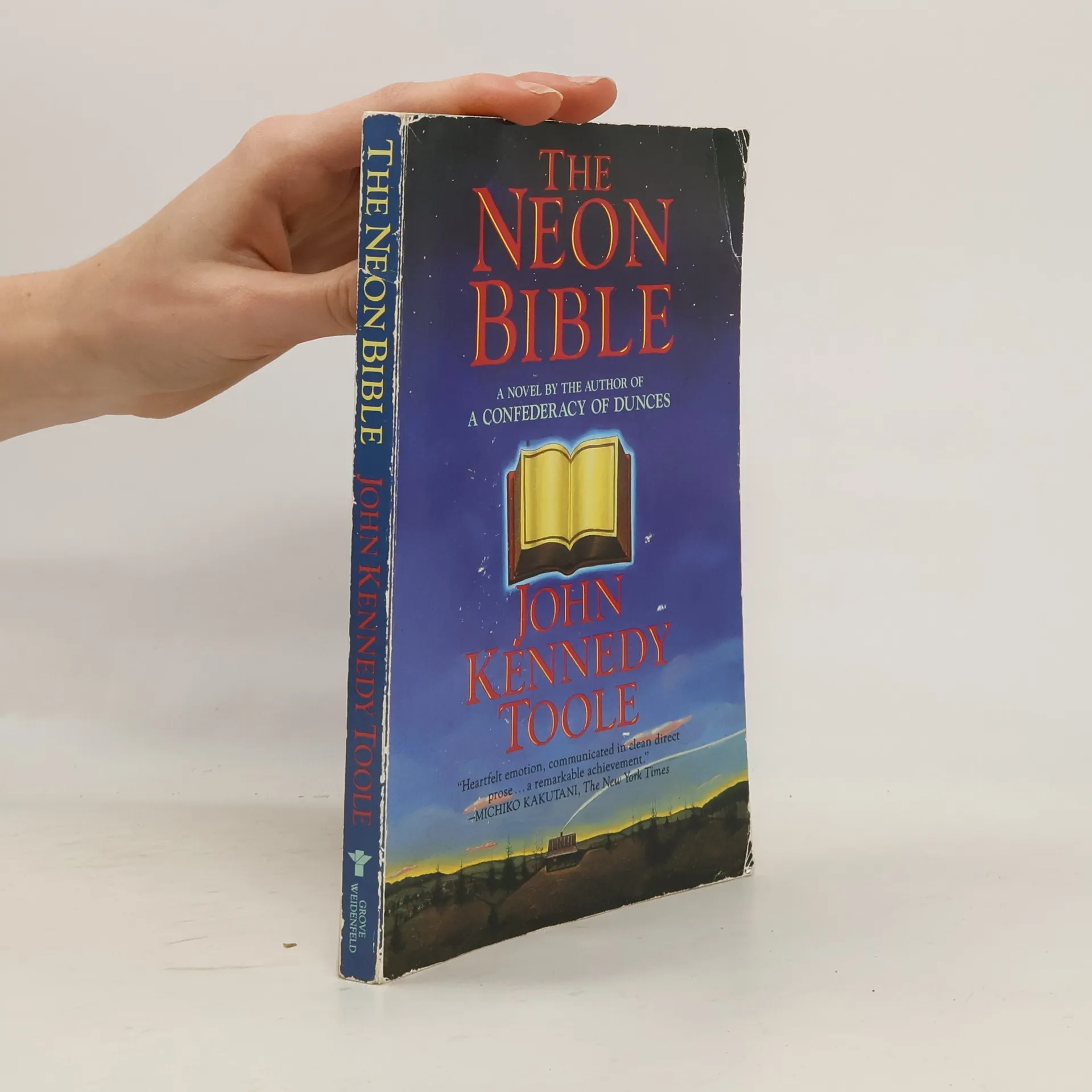
The Neon Bible tells the story of David, a young boy growing up in a small Southern town in the 1940s. David's voice is perfectly calibrated, disarmingly funny, sad, shrewd, gathering force from page to page with an emotional directness that never lapses into sentimentality. Through it we share his awkward, painful, universally recognizable encounter with first love, we participate in boy evangelist Bobbie Lee Taylor's revival, we meet the pious, bigoted townspeople. From the opening lines of The Neon Bible, David is fully alive, naive yet sharply observant, drawing us into his world through the sure artistry of John Kennedy Toole.John Kennedy Toole, who won a posthumous Pulitzer Prize for his best-selling comic masterpiece A Confederacy of Dunces, wrote The Neon Bible for a literary contest at the age of sixteen. The manuscript languished in a drawer and became the subject of a legal battle among Toole's heirs. It was only in 1989, thirty-five years after it was written and twenty years after Toole's suicide at thirty-one, that this amazingly accomplished and evocative novel was freed for publication.
Игнациус Ж. Райлли - интеллектуал, идеолог, лодырь, посмешище, обжора. Гаргантюа, презирающий современность за недостаток должной теологии и геометрии. Опустившийся Фома Аквинский, который ведет свою безнадежную войну против всех: Фрейда, гомосексуалистов, гетеросексуалов, протестантов и всевозможных излишеств века, главным образом - междугородных автобусов. Литературный герой, не имеющий аналогов в мировой сатирической литературе. Новоорлеанский писатель Джон Кеннеди Тул (1937-1969) не дожил до присуждения своему великому детищу Пулитцеровской премии (1981). И вот теперь "Сговор остолопов", самый оригинальный комический эпос XX века, - впервые на русском языке.
<i>Alternate cover for this ISBN can be found <a href="https://www.goodreads.com/book/show/21417799-a-confederacy-of-dunces" rel="nofollow noopener">here</a></i> <b>"A green hunting cap squeezed the top of the fleshy balloon of a head. The green earflaps, full of large ears and uncut hair and the fine bristles that grew in the ears themselves, stuck out on either side like turn signals indicating two directions at once. Full, pursed lips protruded beneath the bushy black moustache and, at their corners, sank into little folds filled with disapproval and potato chip crumbs."</b> Meet Ignatius J. Reilly, the hero of John Kennedy Toole's tragicomic tale, <i>A Confederacy of Dunces</i>. This 30-year-old medievalist lives at home with his mother in New Orleans, pens his magnum opus on Big Chief writing pads he keeps hidden under his bed, and relays to anyone who will listen the traumatic experience he once had on a Greyhound Scenicruiser bound for Baton Rouge. ("Speeding along in that bus was like hurtling into the abyss.") But Ignatius's quiet life of tyrannizing his mother and writing his endless comparative history screeches to a halt when he is almost arrested by the overeager Patrolman Mancuso--who mistakes him for a vagrant--and then involved in a car accident with his tipsy mother behind the wheel. One thing leads to another, and before he knows it, Ignatius is out pounding the pavement in search of a job. Over the next several hundred pages, our hero stumbles from one adventure to the next. His stint as a hotdog vendor is less than successful, and he soon turns his employers at the Levy Pants Company on their heads. Ignatius's path through the working world is populated by marvelous secondary characters: the stripper Darlene and her talented cockatoo; the septuagenarian secretary Miss Trixie, whose desperate attempts to retire are constantly, comically thwarted; gay blade Dorian Greene; sinister Miss Lee, proprietor of the Night of Joy nightclub; and Myrna Minkoff, the girl Ignatius loves to hate. The many subplots that weave through <i>A Confederacy of Dunces</i> are as complicated as anything you'll find in a Dickens novel, and just as beautifully tied together in the end. But it is Ignatius--selfish, domineering, and deluded, tragic and comic and larger than life--who carries the story. He is a modern-day Quixote beset by giants of the modern age. His fragility cracks the shell of comic bluster, revealing a deep streak of melancholy beneath the antic humor. John Kennedy Toole committed suicide in 1969 and never saw the publication of his novel. Ignatius Reilly is what he left behind, a fitting memorial to a talented and tormented life.
John Kennedy Toole, autor slavného Spolčení hlupců, napsal Neonovou bibli již v šestnácti letech, vydání se však dočkala až dvacet let po jeho tragické smrti. Jde o zvláštní a temnou knihu, v níž se na rozdíl od Spolčení hlupců jen občas zablesknou groteskní náznaky a satirická nálada. Působivý baladický příběh je umocněn jednoduchým jazykem a naprosto přímočarým proudem vyprávění. Bilingvní vydání.