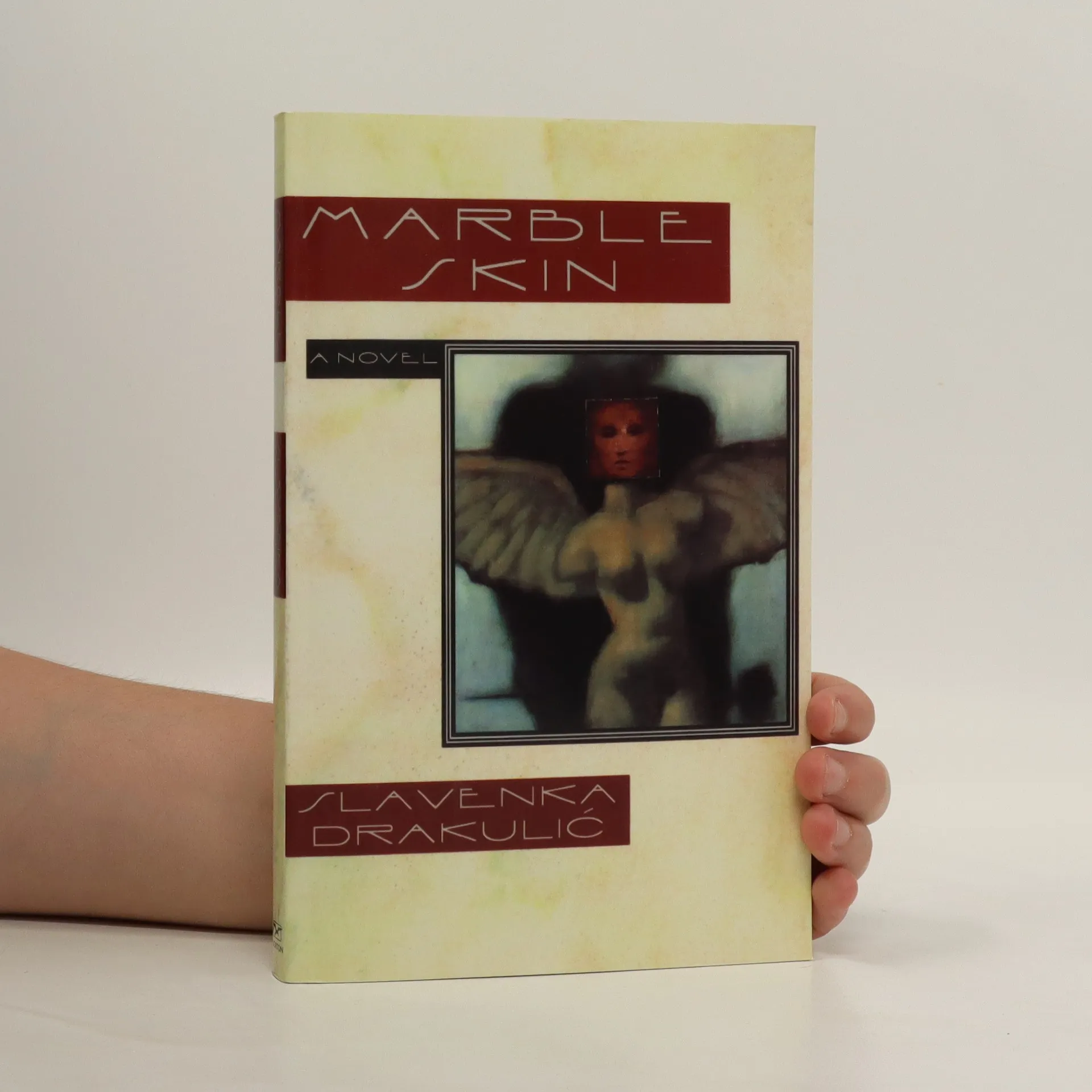
Marble skin
- 196 pages
- 7 hours of reading
English (translation)Original French, Serbo-Croation


Slavenka Drakulić is a noted Croatian writer whose works delve into complex human experiences, from confronting illness and the fear of death to the destructive power of desire and the fragility of relationships. She explores the darker aspects of the human psyche, including the cruelty of war and sensitive topics such as child abuse. In her non-fiction, Drakulić examines the political and ideological landscapes of post-communist countries, war crimes, and nationalism, alongside feminist issues and the female body. Her writing, often from unconventional viewpoints like the lives of famous women or the analysis of evil and good in ordinary people, has established her as an influential European voice.

English (translation)Original French, Serbo-Croation
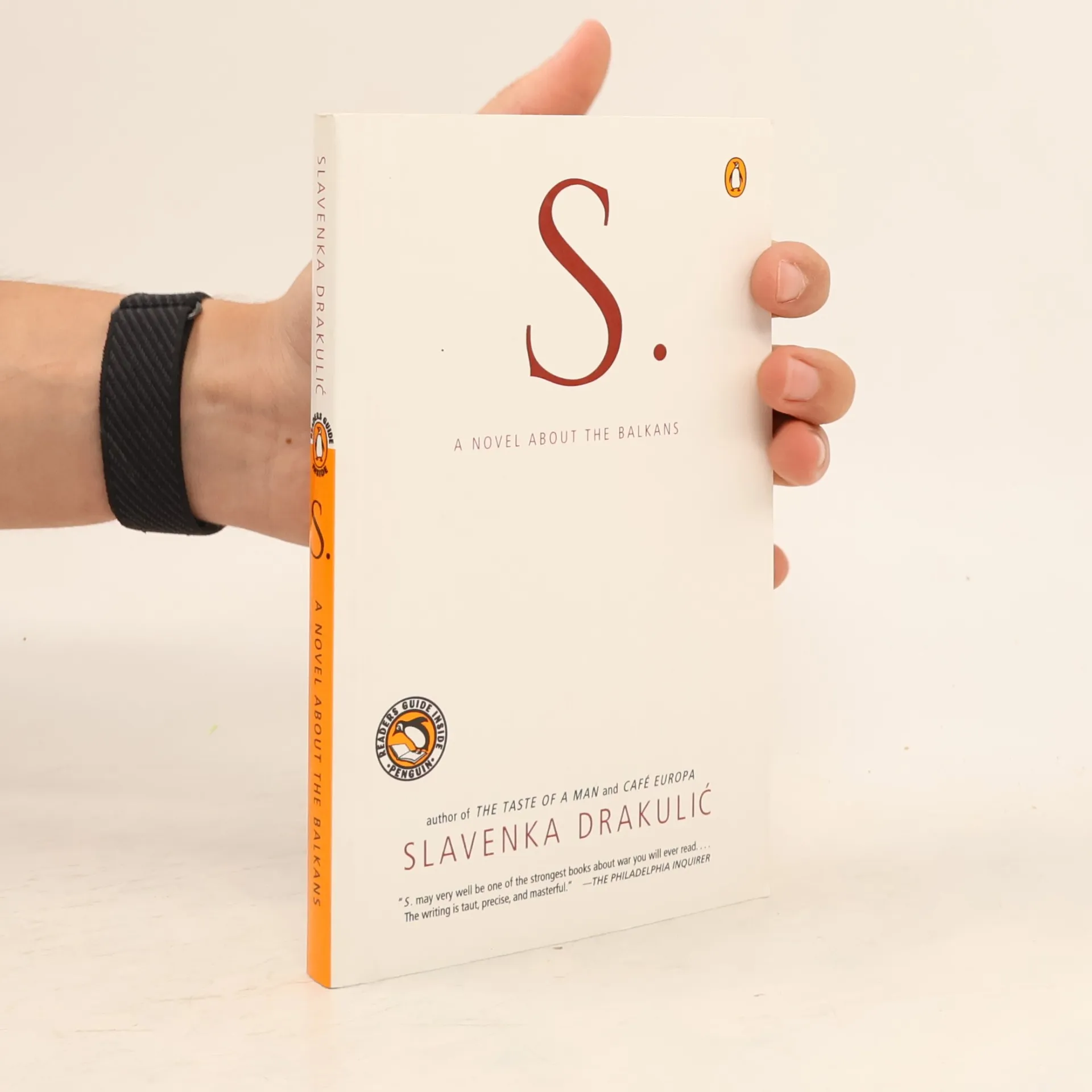
"S. may very well be one of the strongest books about war you will ever read. . . The writing is taut, precise, and masterful." —The Philadelphia Enquirer Set in 1992, during the height of the Bosnian war, S. reveals one of the most horrifying aspects of any war: the rape and torture of civilian women by occupying forces. S. is the story of a Bosnian woman in exile who has just given birth to an unwanted child—one without a country, a name, a father, or a language. Its birth only reminds her of an even more grueling experience: being repeatedly raped by Serbian soldiers in the "women's room" of a prison camp. Through a series of flashbacks, S. relives the unspeakable crimes she has endured, and in telling her story—timely, strangely compelling, and ultimately about survival—depicts the darkest side of human nature during wartime.
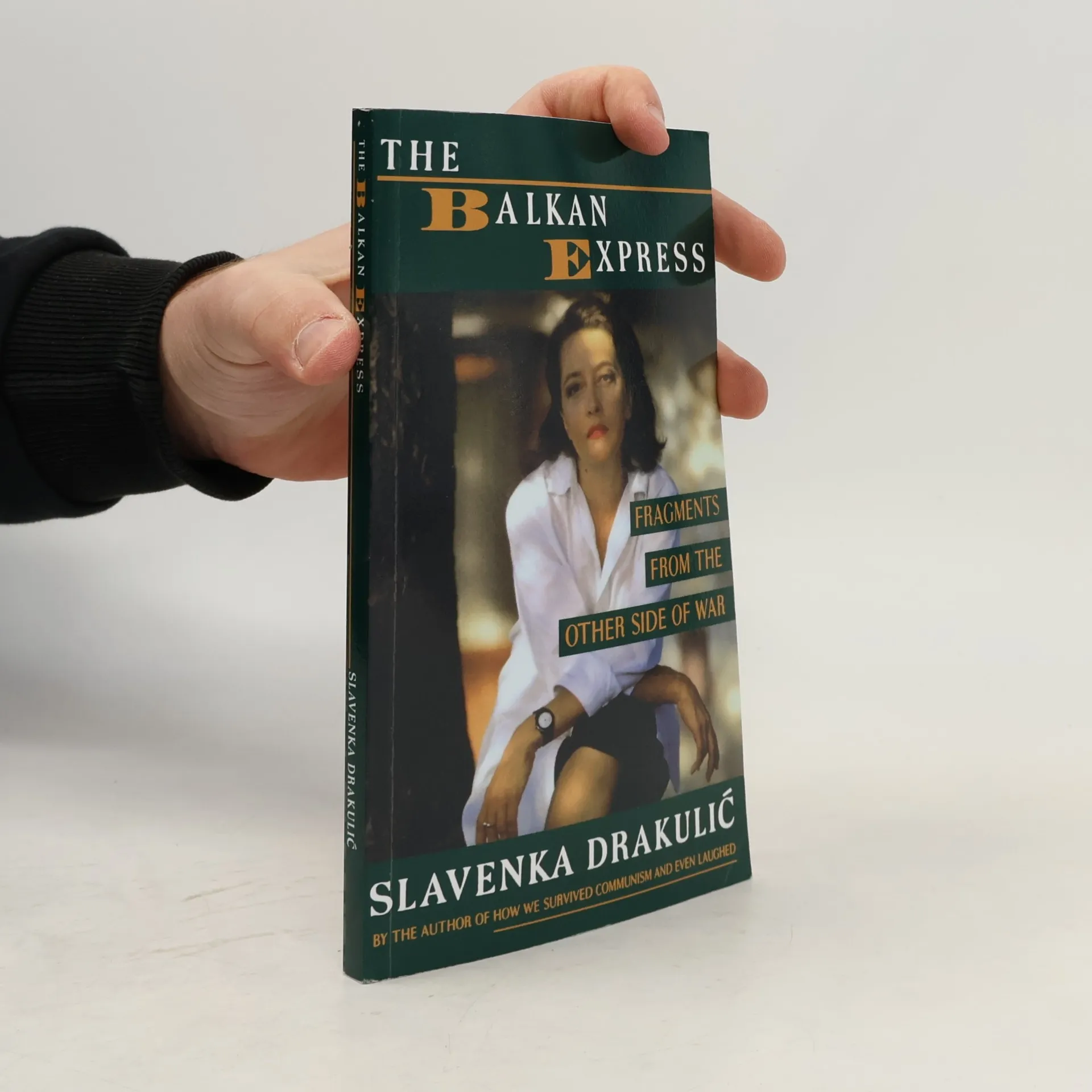
In a series of beautiful, impassioned essays, Croatian journalist and feminist Drakulic provides a very real and human side to the Balkans war and shows how the conflict has affected her closest friends, colleagues, and fellow countrymen--both Serbian and Croatian. Includes five new essays not in the hardcover edition.
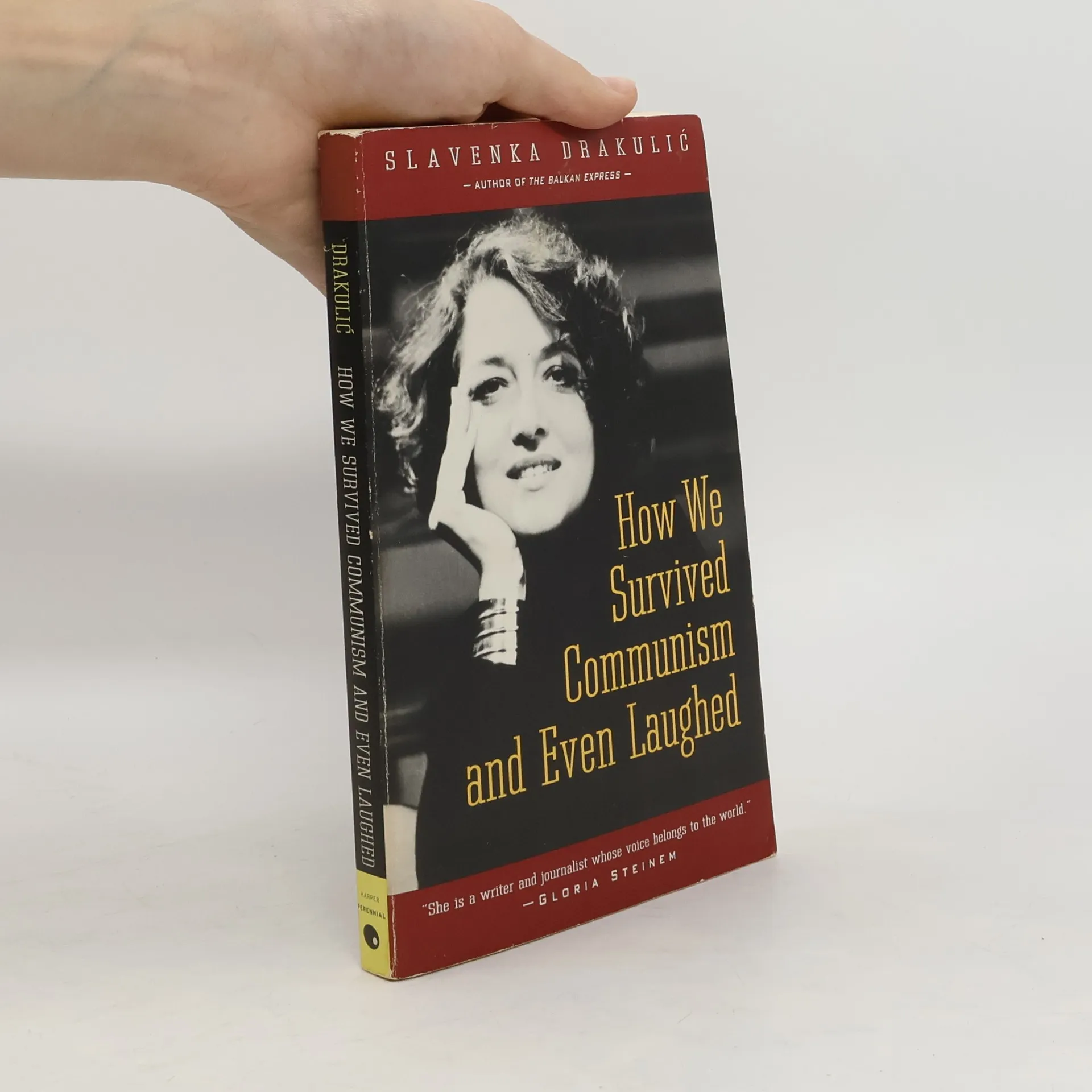
Hailed by feminists as one of the most important contributions to women's studies in the last decade, this gripping, beautifully written account describes the daily struggles of women under the Marxist regime in the former republic of Yugoslavia.
Slavenka Drakulic attended the Serbian war crimes trial in the Hague. This important book is about how ordinary people commit terrible crimes in wartime. With extraordinary story-telling skill Drakulic draws us in to this difficult subject. We cannot turn away from her subject matter because her writing is so engaging, lively and compelling. From the monstrous Slobodan Milosevich and his evil Lady Macbeth of a wife to humble Serb soldiers who claim they were 'just obeying orders', Drakulic brilliantly enters the minds of the killers. There are also great stories of bravery and survival, both from those who helped Bosnians escape from the Serbs and from those who risked their lives to help them.
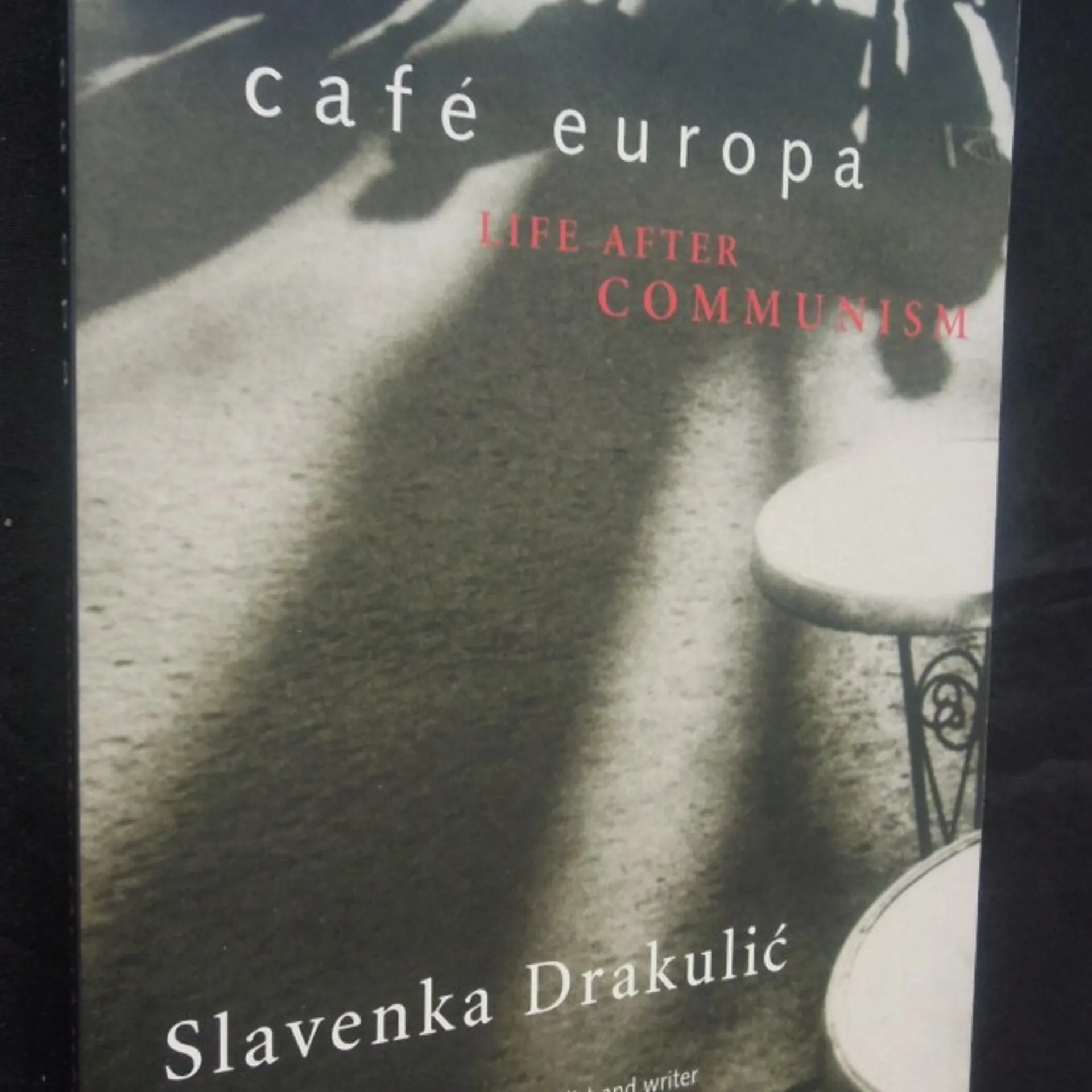
Europe is still a divided continent. In the place of a fallen Berlin wall, there is a chasm between the East and the West. Are these differences a communist legacy, or do they run even deeper? What divides us today? To say simply that it is the understanding of the past, or a different concept of time, is not enough. But a visitor to this part of the world will soon discover that we, the Eastern Europeans, live in another time zone. We live in the twentieth century, but at the same time we inhabit a past full of myths and fairy tales, of blood and national belonging, and the fact that most people are lying and cheating or that they have the habit of blaming others for every failure...' An intimate tour of life on the streets of Budapest, Tirana, Warsaw and Zagreb, as those cities continue to acclimatise to the post-Communist thaw, Café Europa does not provide easy solutions or furnish political pallatives. Rather as a Croatian with a viewpoint of ever-widening relevance, the value of Slavenka Drakulic's wry and humane observations lie in the emotional force of their honesty and the clarity of their insight.....
Fables from a Mouse, a Parrot, a Bear, a Cat, a Mole, a Pig, a Dog, and a Raven
In a collection of eight stories that satirize communism, each tale is narrated by an animal repsenting a formerly communist country, with the critter reflecting on the fall of communism. By the author of Café Europa: Life After Communism. Original. 30,000 first printing.
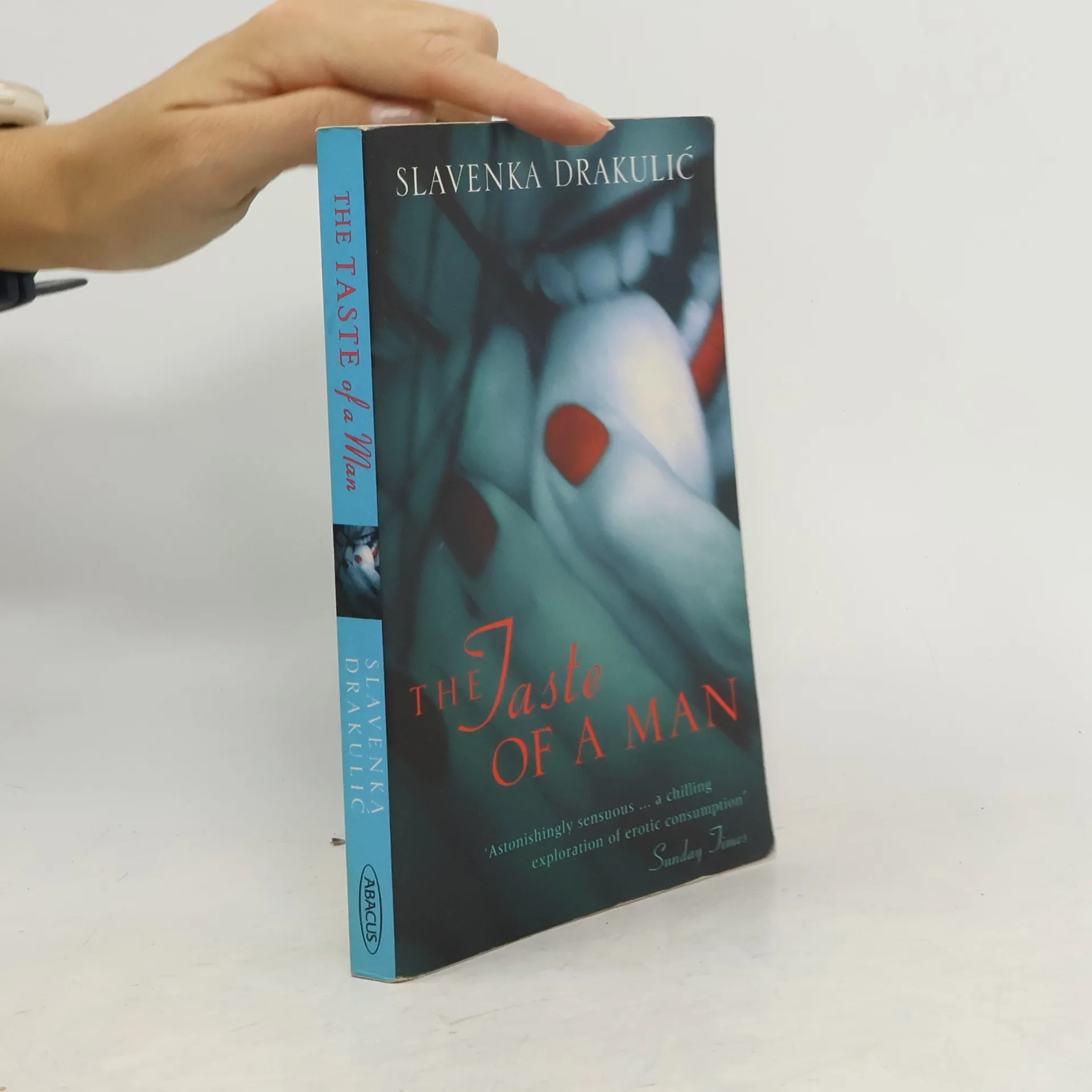
One autumn in New York, a young Polish poet, studying literature, and a Brazilian anthropologist researching a new book, meet, fall in love and move into a tiny apartment together. Tereza has a lover waiting for her in Poland, Jose a wife and child in Sao Paulo, and it would seem this could only be the most temporary of affairs. Yet there emerges the mesmerizingly explicit portrait of a relationship conducted at the extreme edge of sensuality, defying conventional definition. With no common language, exiled from their culture, for each of them the body of the other becomes everything: spirituality, sustenance, almost unbearable pleasure. Breathtakingly erotic, intensely physical, profoundly intelligent, THE TASTE OF A MAN pursues a path traced by a love based on pure appetite with shameless and unflinching candour, to its ecstatic and terrible conclusion.
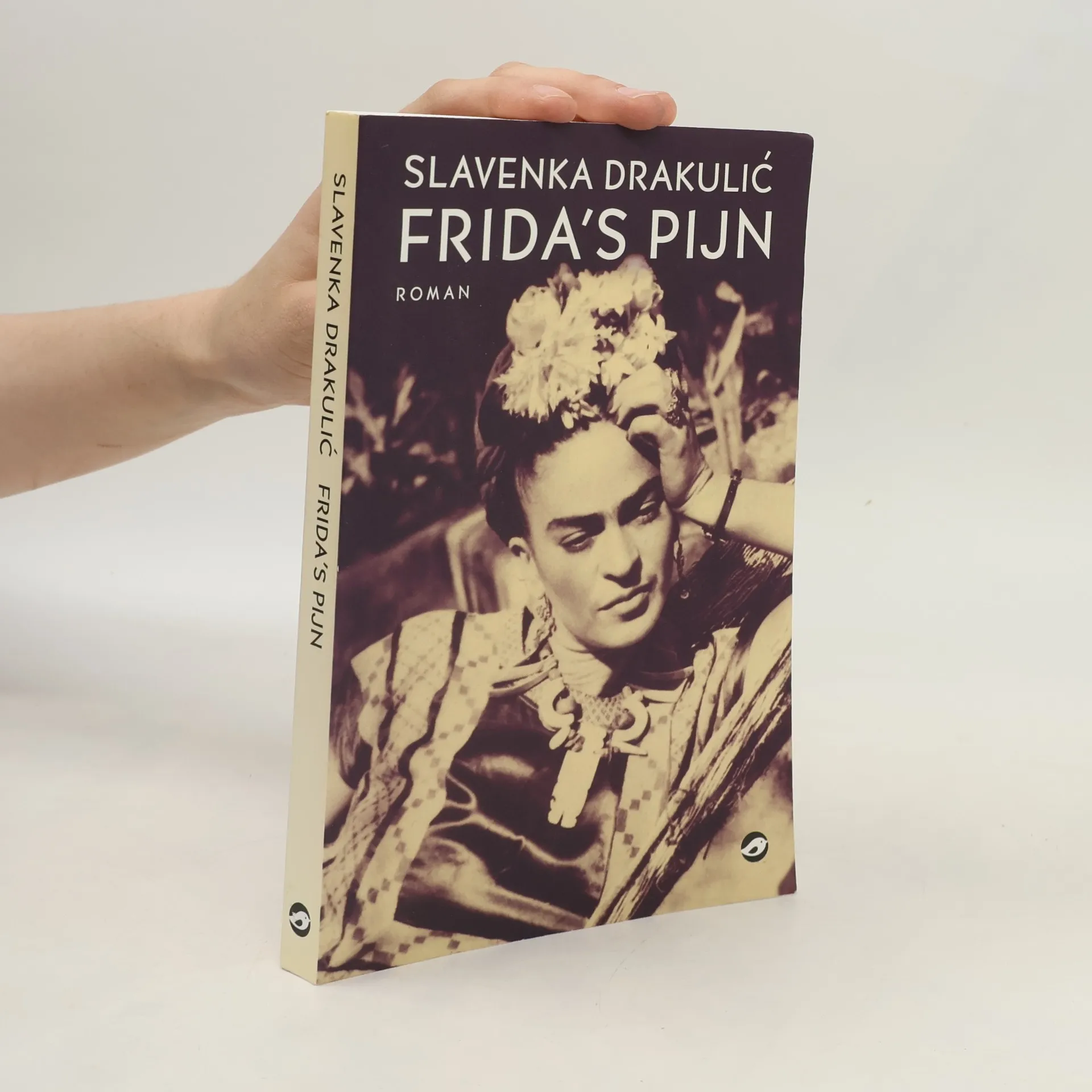
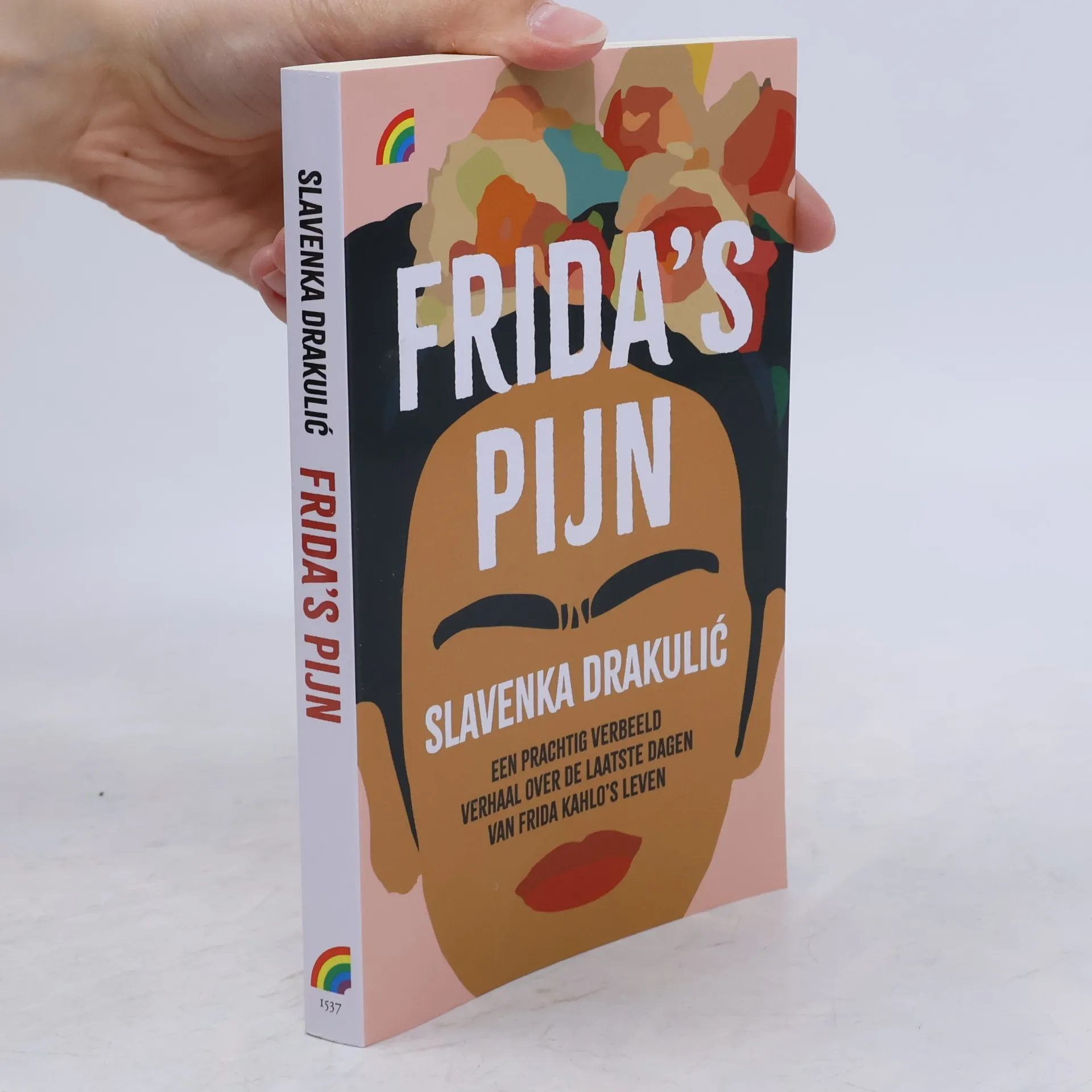
De Mexicaanse kunstenares Frida Kahlo (1907-1954) lijdt na een ongeluk een leven vol lichamelijke pijn, ongemak en verdriet, wat ze verbeeldt in haar schilderijen.
Dora Maar, une photographe célébrée des surréalistes, est au cœur de cette narration sur sa relation passionnée et douloureuse avec Pablo Picasso, l'un des plus grands génies du XXe siècle. Le roman explore le mystère éternel de l'amour et les défis auxquels la compagne de Picasso a été confrontée, tout en l'inspirant et en payant un prix élevé. L'œuvre de Picasso « Dora et le Minotaure » symbolise la bestialité humaine et les blessures que l'amour peut infliger. Dans la réalité, Picasso est dépeint comme un monstre qui détruit les femmes et les pousse à la folie. Dora, née en 1907 à Paris et élevée à Buenos Aires, n'était pas seulement une amante parmi d'autres, mais aussi une photographe accomplie et membre de l'avant-garde parisienne autour d'André Breton, Brassaï et Man Ray. Au cours de leur liaison, Picasso a capturé son aura mystérieuse dans de nombreux portraits. L'auteure donne à Dora une voix qu'elle avait choisie de faire taire, révélant comment elle a sacrifié sa carrière pour un homme qui ne l'a jamais vraiment laissée partir. La scène artistique de Paris dans les années 1930 prend également vie.
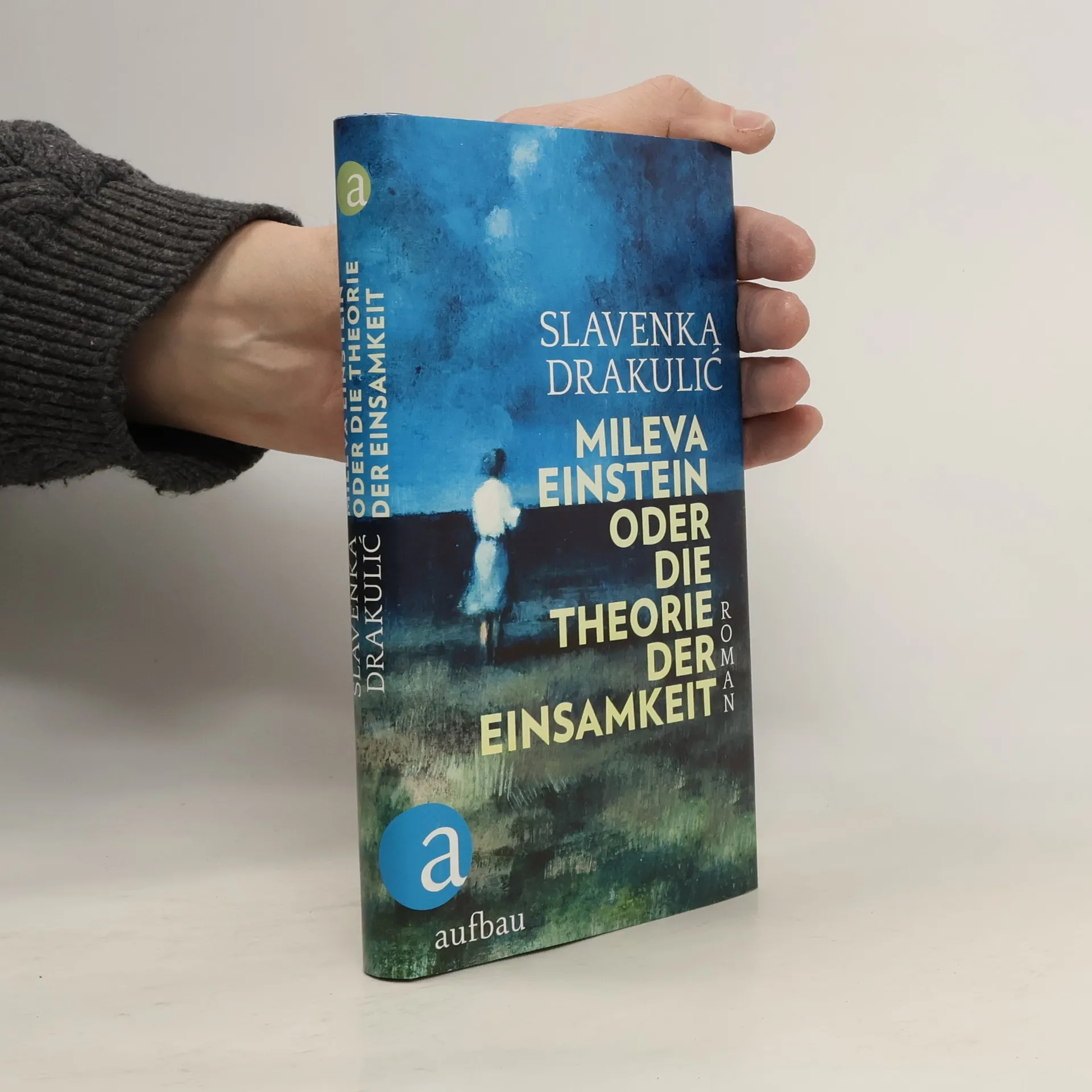
»Trauer summiert sich wie in der Mathematik.«. Sie war weit mehr als die Frau an Albert Einsteins Seite: Gemeinsam mit ihrem Mann studierte Mileva Einstein Physik, diskutierte als gleichberechtigte Partnerin mit ihm seine Theorien und blieb über ein Jahrzehnt hinweg seine engste Vertraute. Als die Ehe zerbricht, verliert Mileva die Liebe ihres Lebens, ihren inneren Halt. Ein bewegender Roman über eine begabte junge Frau, die sich ein eigenes Leben erträumte und an den patriarchalischen Denkmustern des frühen 20. Jahrhunderts scheiterte. »Die Stärke der Autorin liegt in ihrem außerordentlichen Einfühlungsvermögen.« Karl-Peter Schwarz, Frankfurter Allgemeine Zeitung.
Während eine Frau in einem amerikanischen Krankenhauszimmer liegt, erinnert sie sich an ihre brutale Kindheit in Jugoslawien, verfolgt die psychologische Reise, die sie zu ihrem gegenwärtigen Zustand gebracht hat, und reflektiert über die Möglichkeit eines neuen Lebens.
De Mexicaanse kunstenares Frida Kahlo (1907-1954) lijdt na een ongeluk een leven vol lichamelijke pijn, ongemak en verdriet, wat ze verbeeldt in haar schilderijen.
Im September 2004 musste sich Slavenka Drakulic in den USA einer Nierentransplantation unterziehen. Es war nicht ihre erste. Das Besondere daran: Die Niere stammte nicht von einem verstorbenen oder verwandten, sondern von einem freiwilligen, anonymen Spender, der noch lebt. In ihrem höchst aktuellen Buch geht Slavenka Drakulic der zentralen Frage nach, die eine sogenannte Lebendspende aufwirft: Warum riskieren Menschen ihre Gesundheit? Ist es purer Altruismus? Wie gehen Spender und Empfänger damit um? Im Gespräch mit Christine, ihrer eigenen, ursprünglich anonym bleiben wollenden Spenderin, und anderen zeichnet die Autorin ein vielschichtiges und komplexes Bild von Menschen, die ein humanes Gewissen besitzen und sich zu einer Organspende entschließen. Erst ihre Krankheit habe ihr die Möglichkeit gegeben, sich Gedanken zu machen über das Gute und auf die hellen Seiten des Lebens zu achten. Ein persönliches und fachkundiges Buch, das aufrüttelt.
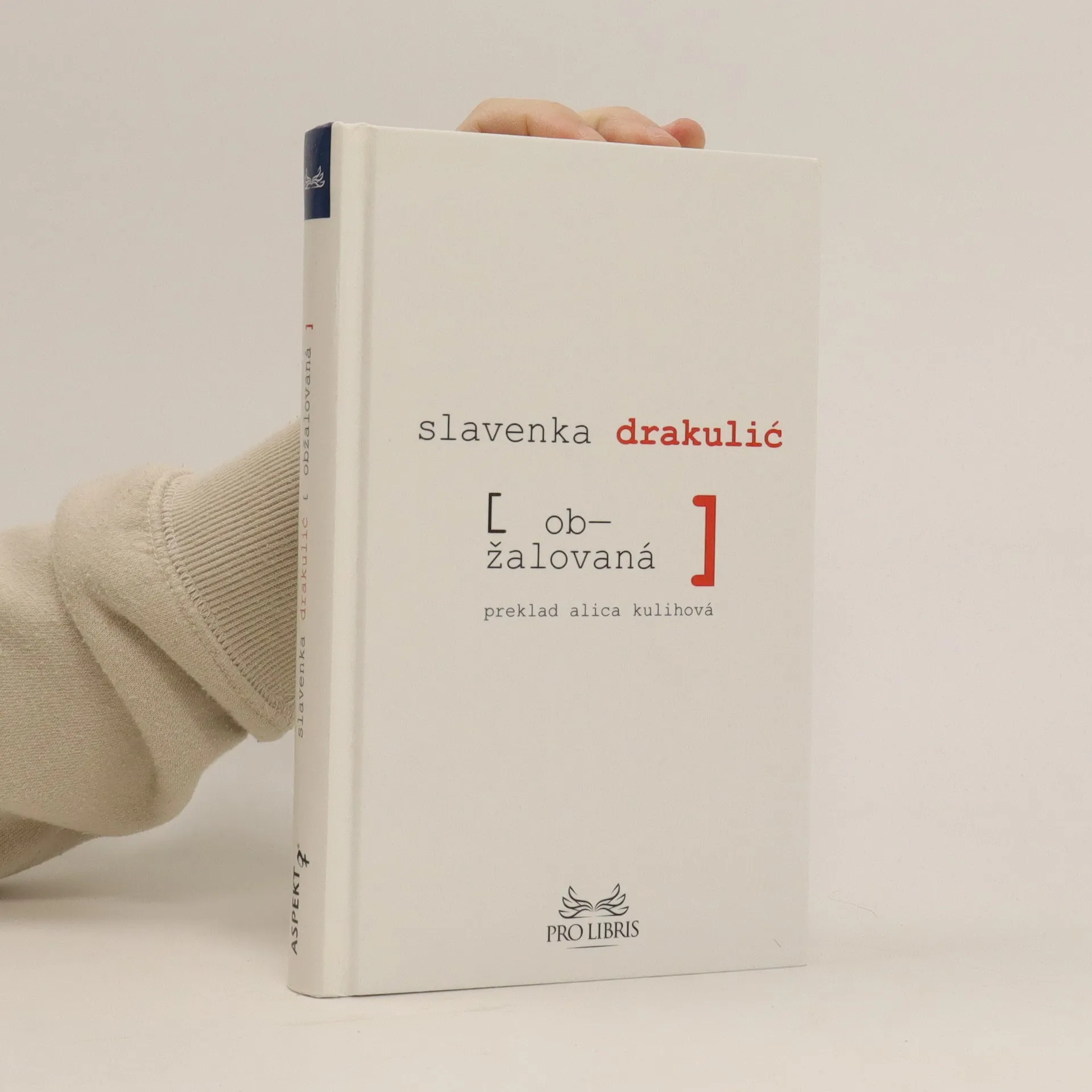
Román Slavenky Drakulić Obžalovaná je sondou do problematiky násilia. Skutočnosť, že rozprávačkou i hlavnou postavou je žena, ktorá zabila svoju matku, vieme od začiatku príbehu. Obžalovaná je už sama matkou malej dcéry. Počas súdneho procesu, v ktorom sa odmieta brániť a čokoľvek vysvetľovať, necháva plynúť svoj prúd spomienok: na svoje detstvo, na svoju rodinu a na to ako rástla, dospievala, našla si partnera, porodila dcéru. Na súdnom pojednávaní mlčí, prijíma vinu za svoj skutok a odmieta vysvetľovať svoje motívy. V plynutí spomienok však prerozprávava svoj život od útleho detstva, vysvetľuje dôvody motívy svojho konania, obviňuje i ospravedlňuje matku, ktorá bola tiež obeťou týrania vo svojej rodine. Spomínanie v prvej osobe sa strieda so zábleskami spomienok z detstva, ktoré osvetľujú život hlavnej postavy i ďalších – jej matky, otca, starých rodičov. Matkovražda zostáva pre vonkajší svet nevysvetlenou a nevysvetliteľnou. Vo vnútornom monológu však hlavná postava svoj čin dokonale objasňuje hoci ho neospravedlňuje, berie zaň plnú zodpovednosť, no priamo i nepriamo poukazuje i na zodpovednosť tých, ktorí spravodlivosti v súdnej sieni navždy unikli a zostali nepoznaní i nepotrestaní. Autorka cez krutý osud ženy – vrahyne zobrazuje a analyzuje kruh násilia, ktorý práve ona tragicky uzatvára, aby už nemohol pokračovať.
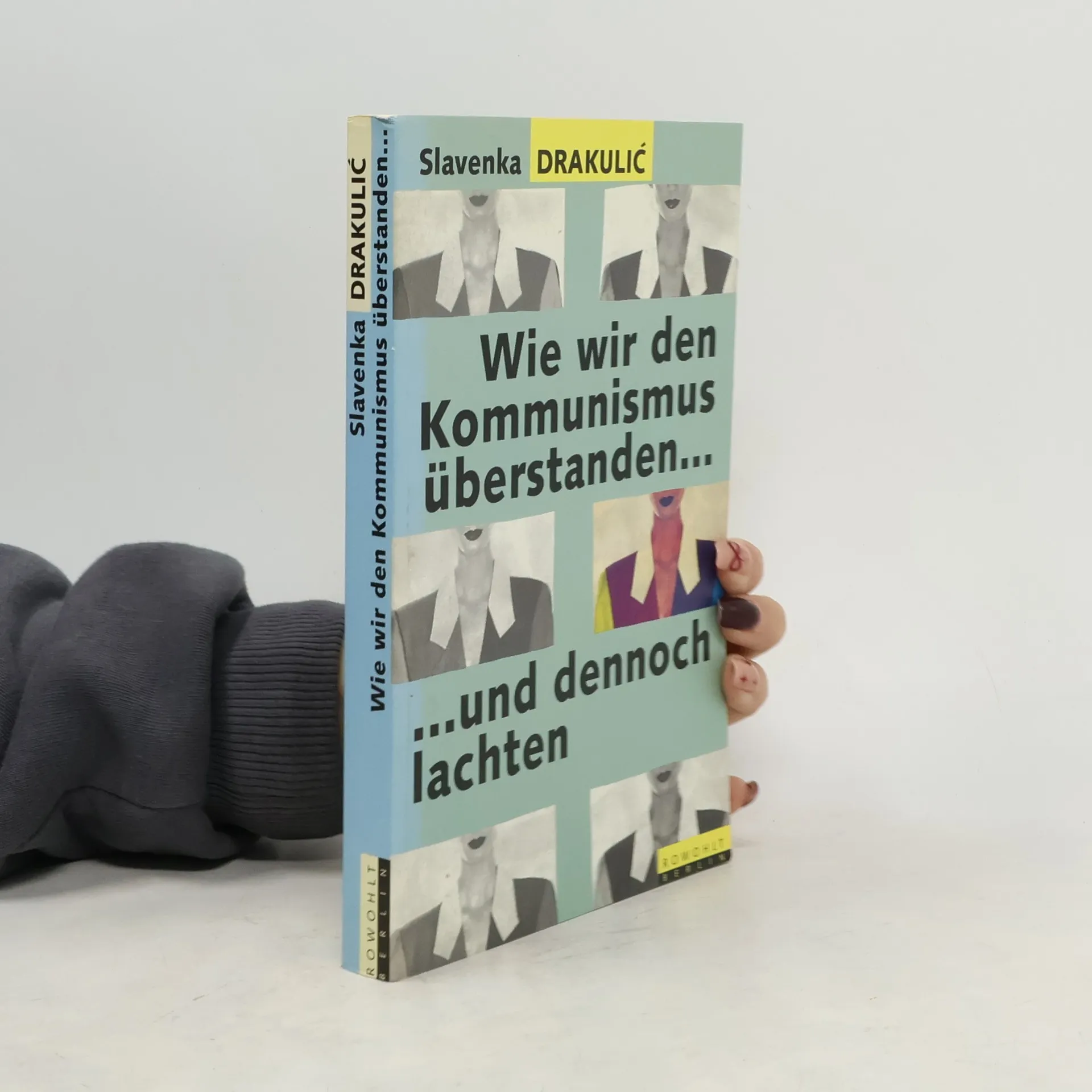
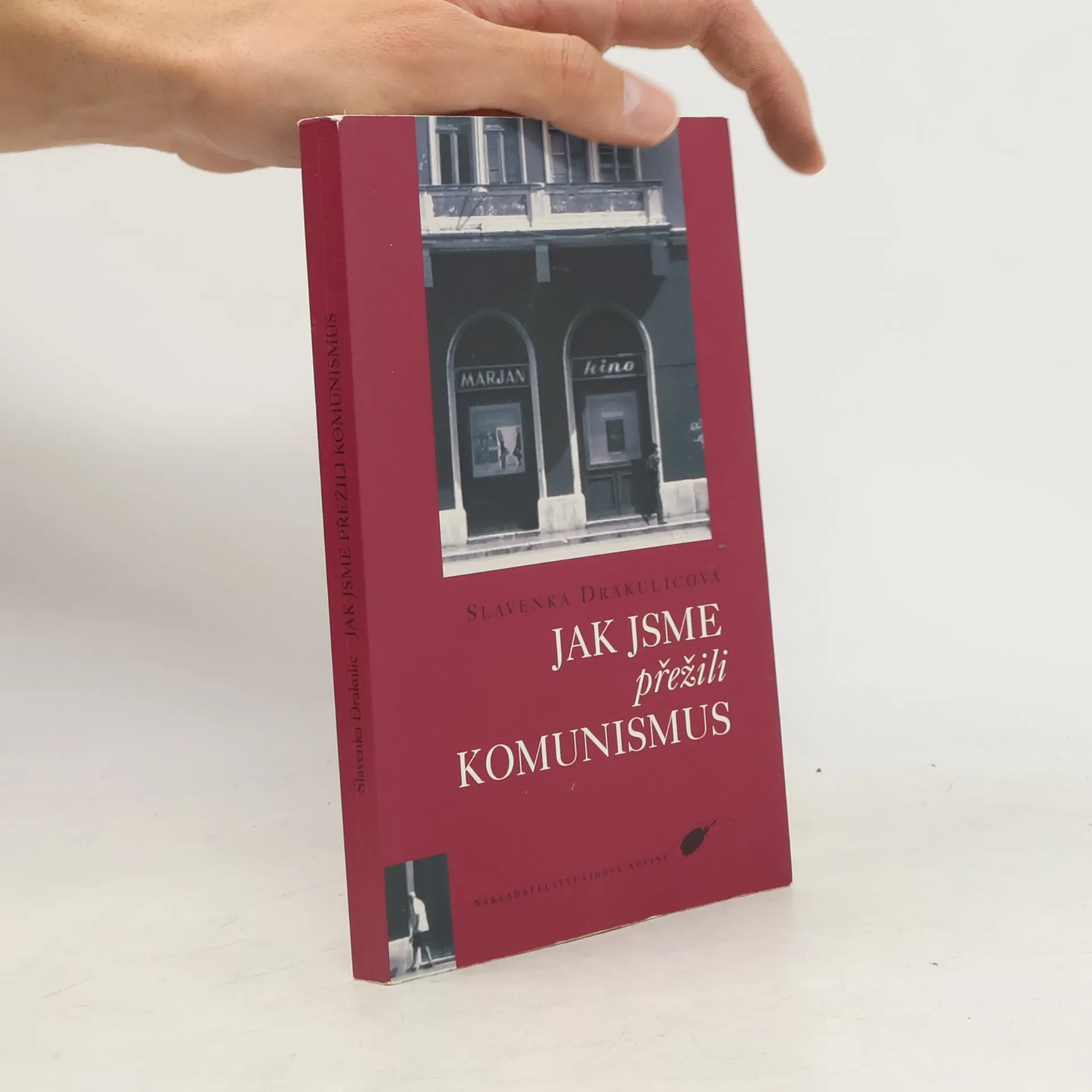
Kniha esejů, v nichž autorka přibližuje jednak detaily života v komunistických zemích, jednak kontury a stíny války v Jugoslávii v 90. letech. Texty jsou výběrem ze tří knih, které nejprve vyšly v angličtině ve Velké Británii a USA. Autorce se zde podařilo přiblížit (právě pohledu čtenáře z druhé strany železné opony) ty jemné, v "dějinném" pohledu nezachytitelné, zdánlivě nedůležité a těžko sdělné odstíny a detaily běžného života (zejména žen) v kleci komunistických zemí, ale také v době děsivě nenávistných krvavých bratrovražedných konfliktů doprovázejících konec komunistické éry v rozpadávající se Jugoslávii. Osvětluje tato stinná zákoutí historie ne jen prostým popisem, ale citlivým, osobně zaangažovaným esejistickým zamýšlením. Zároveň se snaží pro západní čtenáře "přeložit" tehdejší (i nynější) pohled běžného člověka z "východu" na svou situaci obecně: Dřívější pocity ponížení, deklasé vůči lidem ze západu - a jistá současná beznaděj z pocitu nesdělitelnosti zkušeností. Těmito texty autorka onu propast mezi "námi a jimi" dost úspěšně překračuje a text je velmi sdělný i pro nás, neboť velmi hutně a sevřeně vyslovuje "naše" zkušenosti.