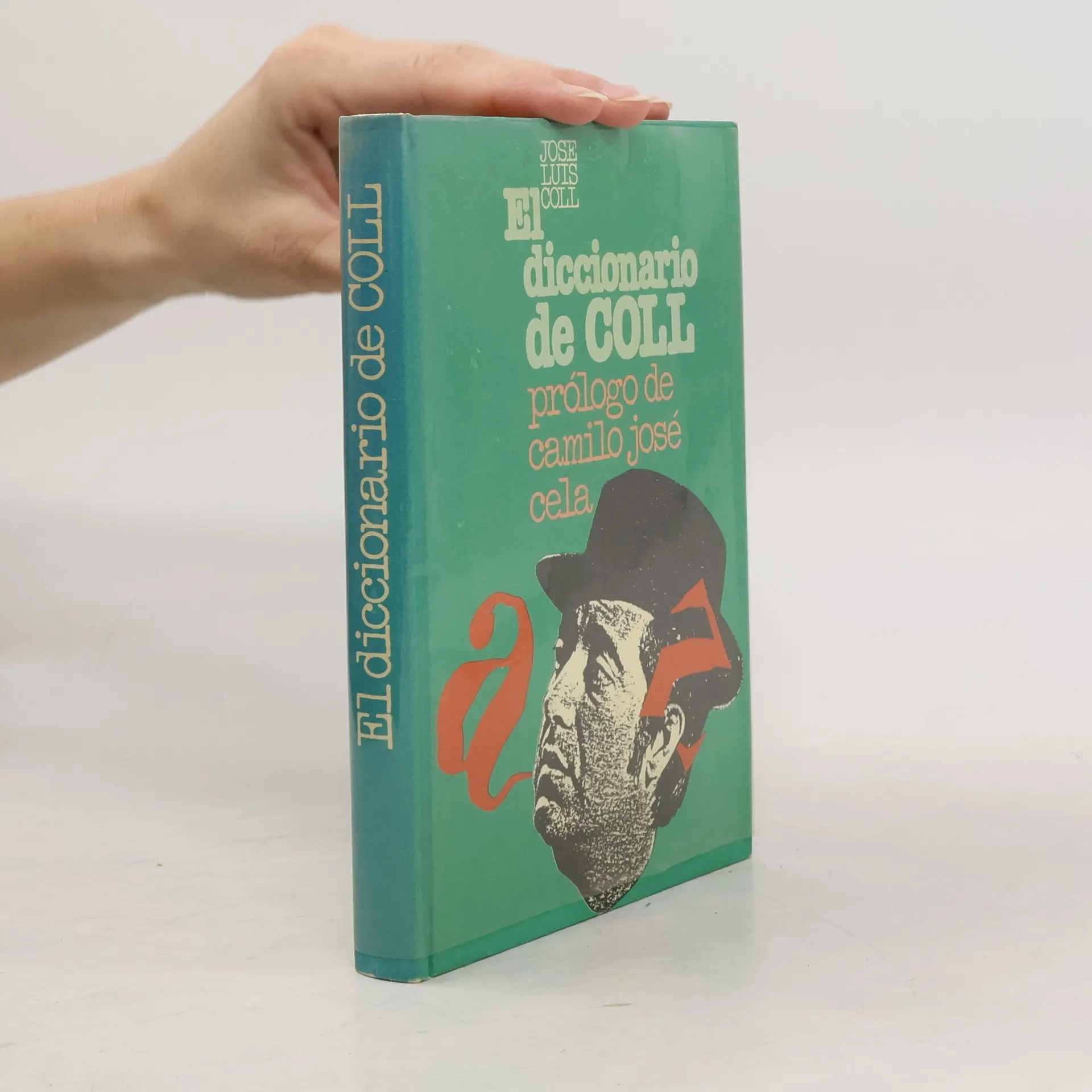
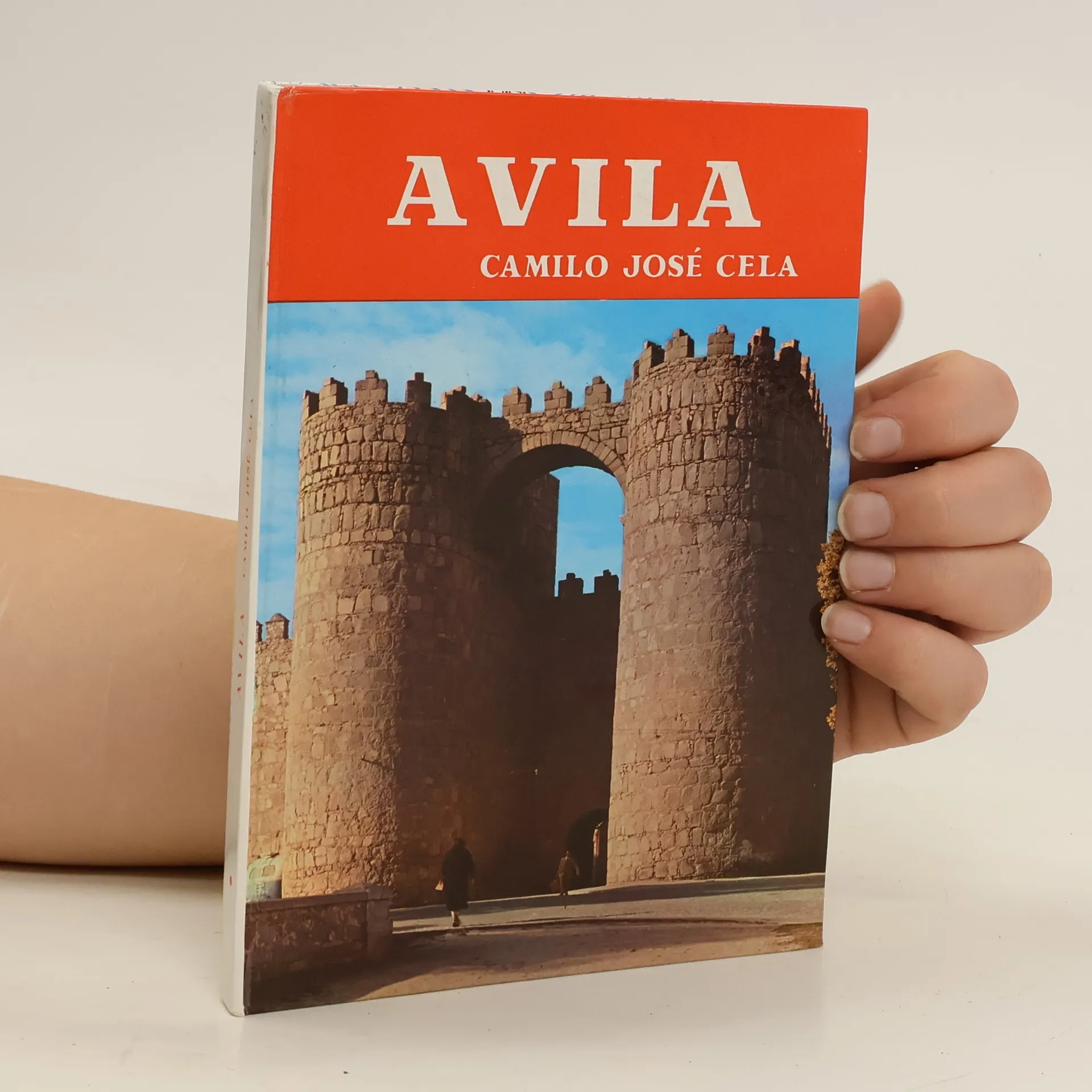
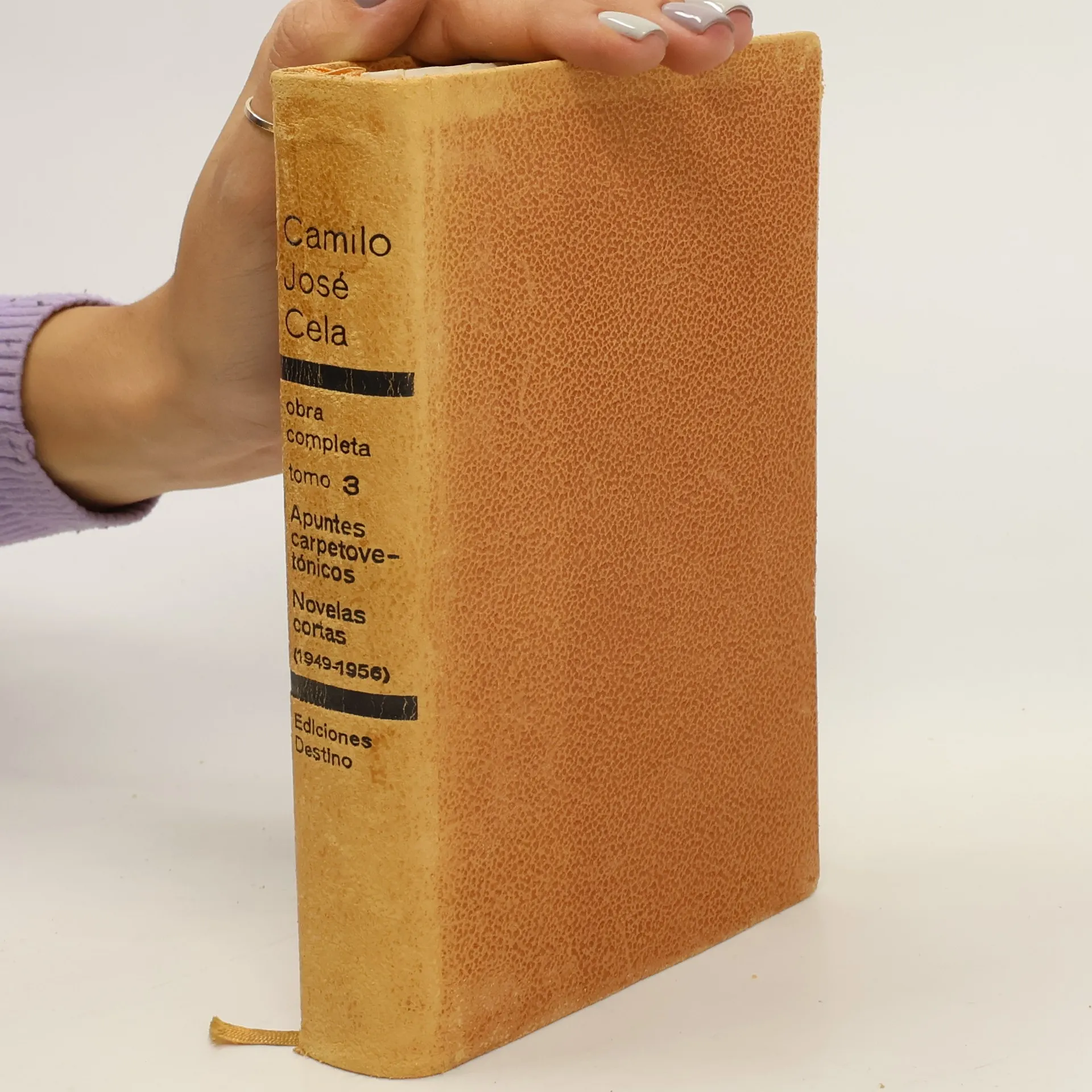
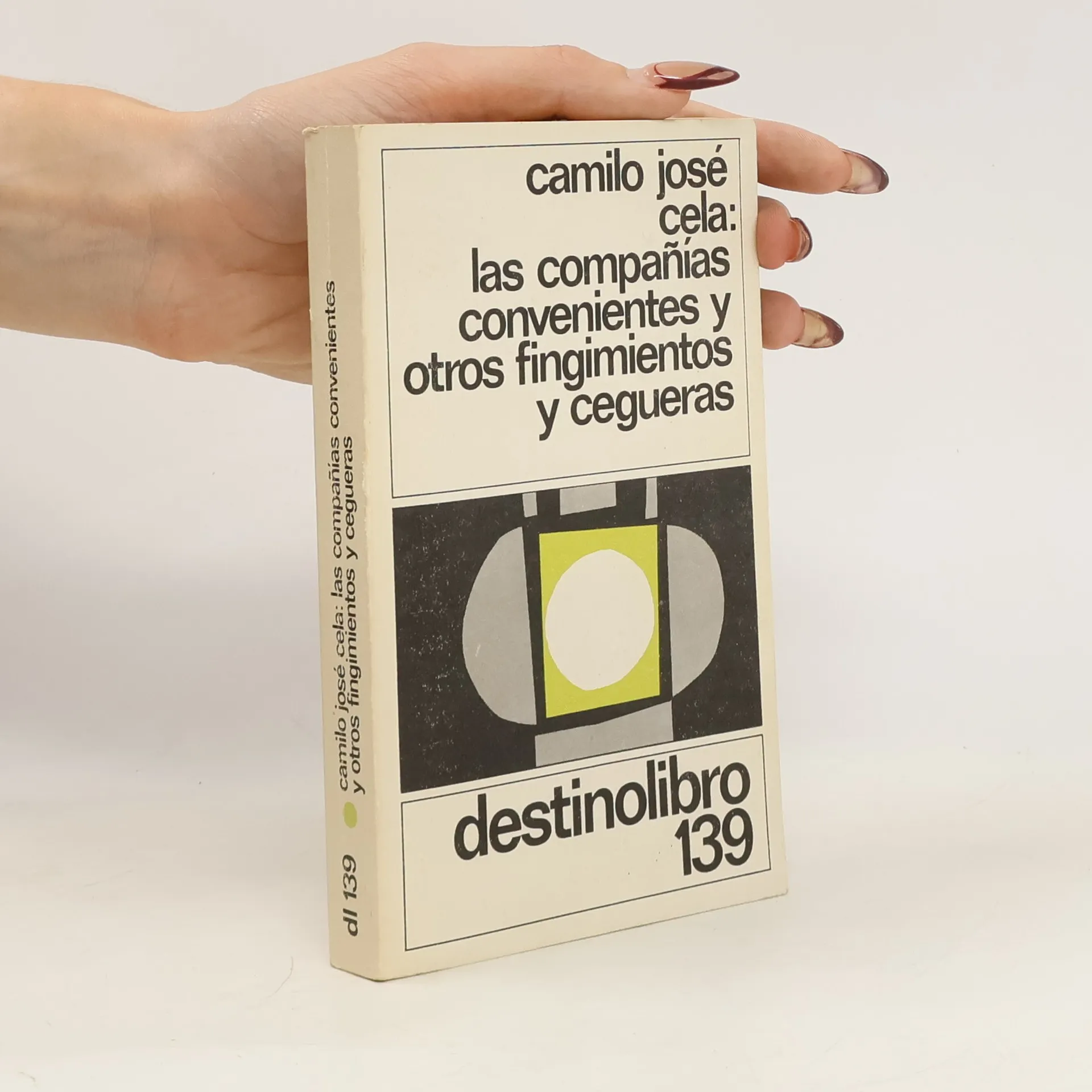
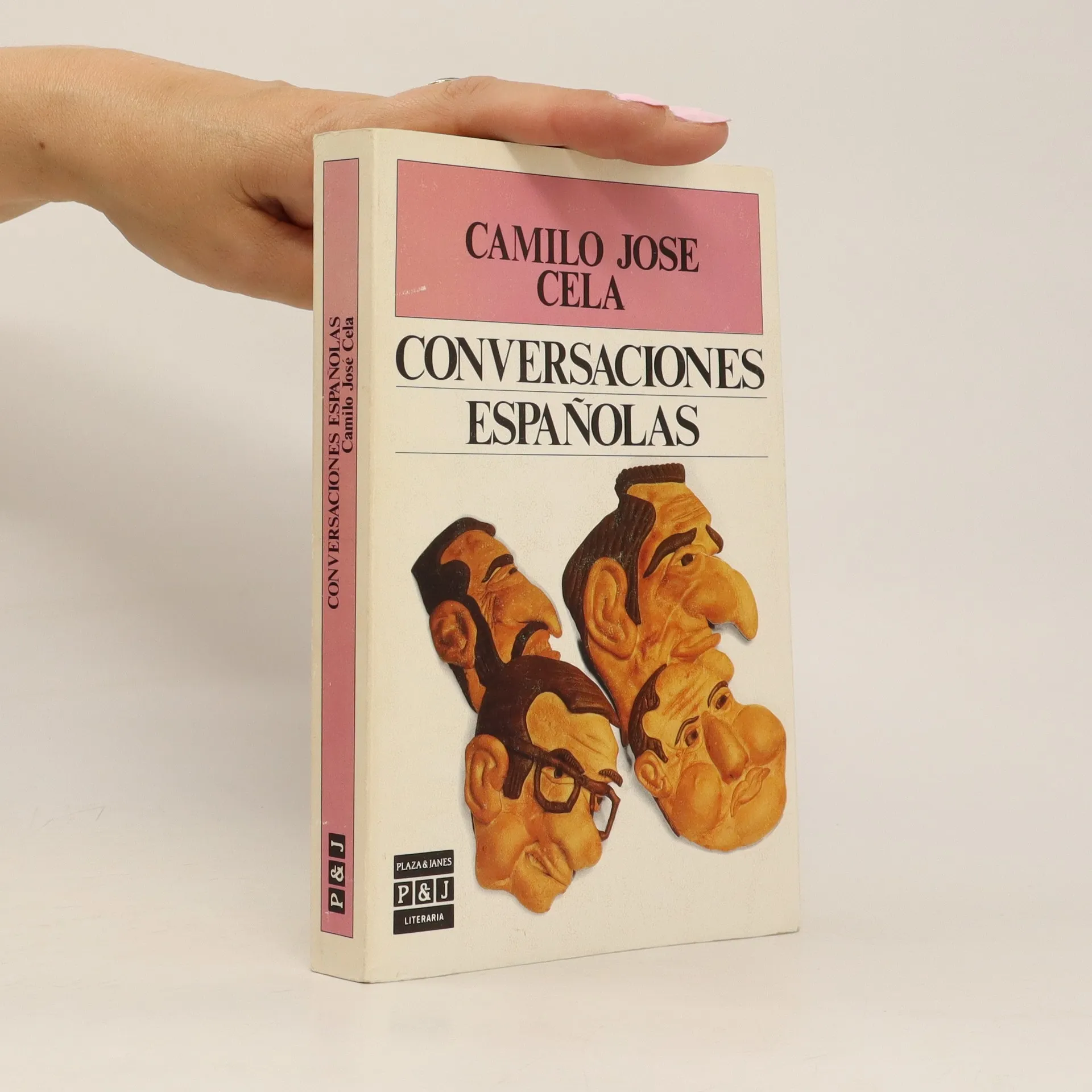
San Camilo, 1936
- 327 pages
- 12 hours of reading
The narrator, twenty years old, faces the dangers, hardships, and uncertainty of the Spanish Civil War


Camilo José Cela is celebrated for his rich and intensive prose, which, with restrained compassion, forms a challenging vision of man's vulnerability. His writing stands out for its captivating style and profound insights into the human condition. Cela delves into the complexities of life with an unflinching honesty. His literary legacy is marked by his ability to engage readers through compelling narratives and a provocative worldview.


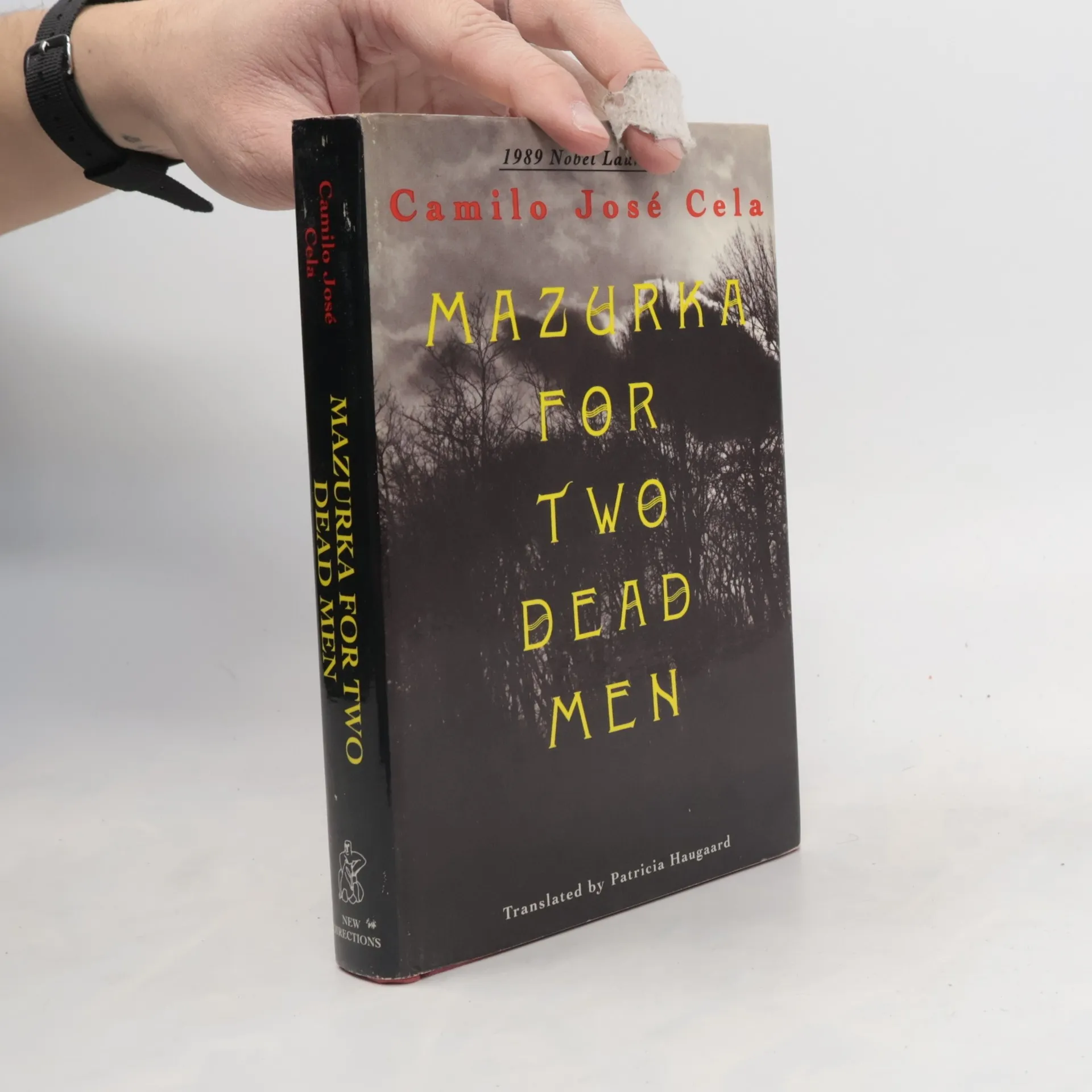

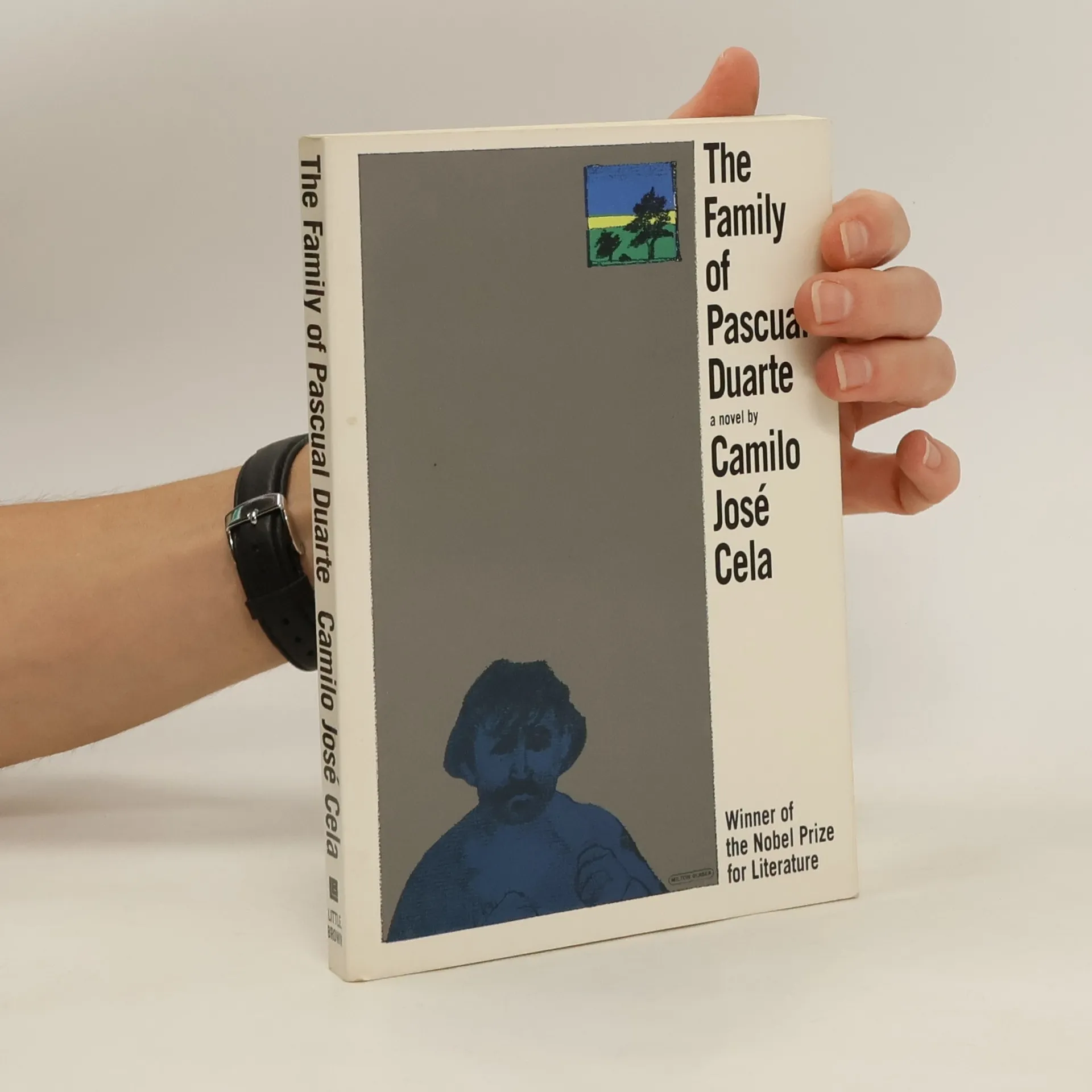
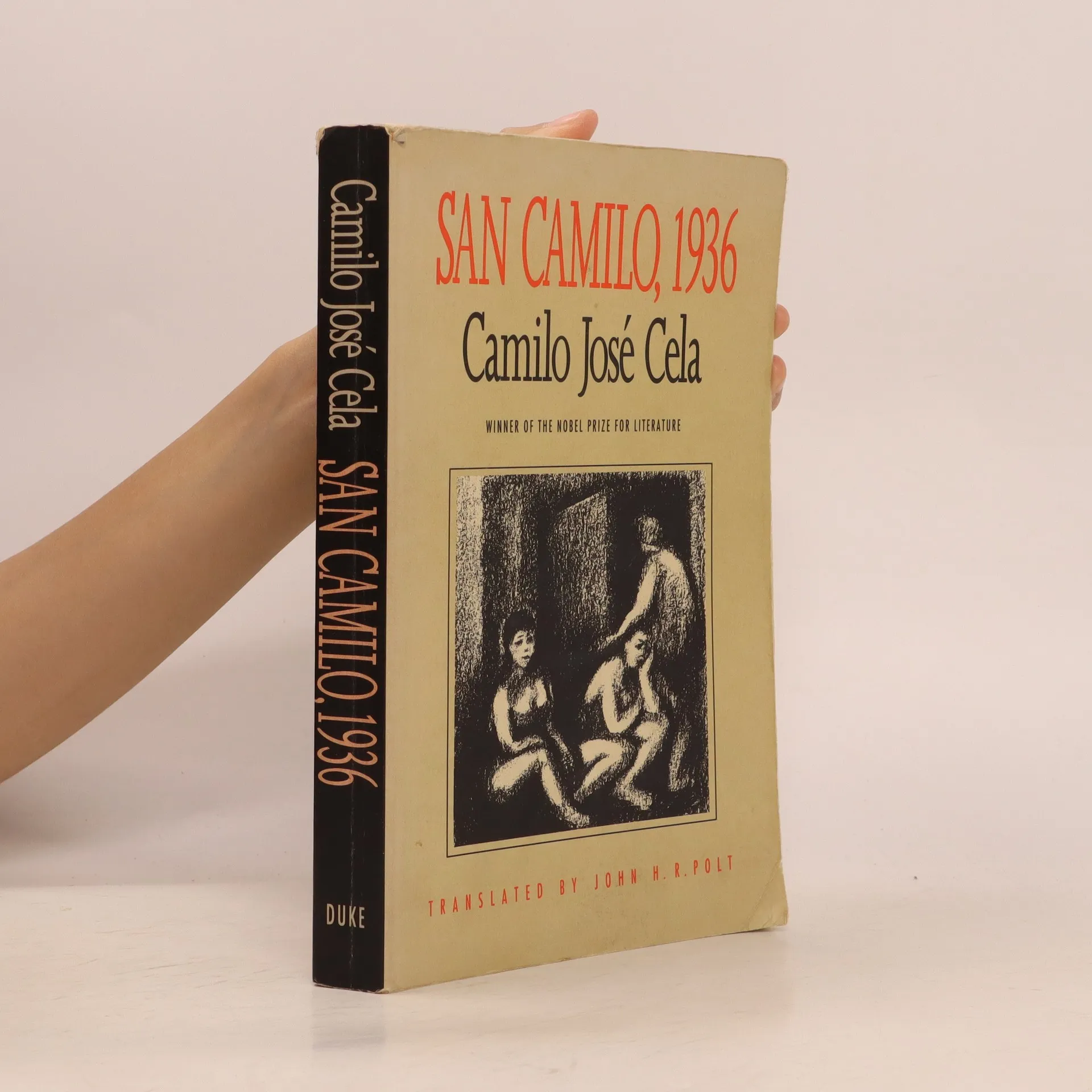
The narrator, twenty years old, faces the dangers, hardships, and uncertainty of the Spanish Civil War
Cela was awarded the Nobel Prize for Literature in October 1989, and this novel is considered by many to be his masterpiece. It is the story of an ignorant Castillian peasant and multiple murderer, and it tells of the savage impulses behind his crimes and his redeeming characteristics.
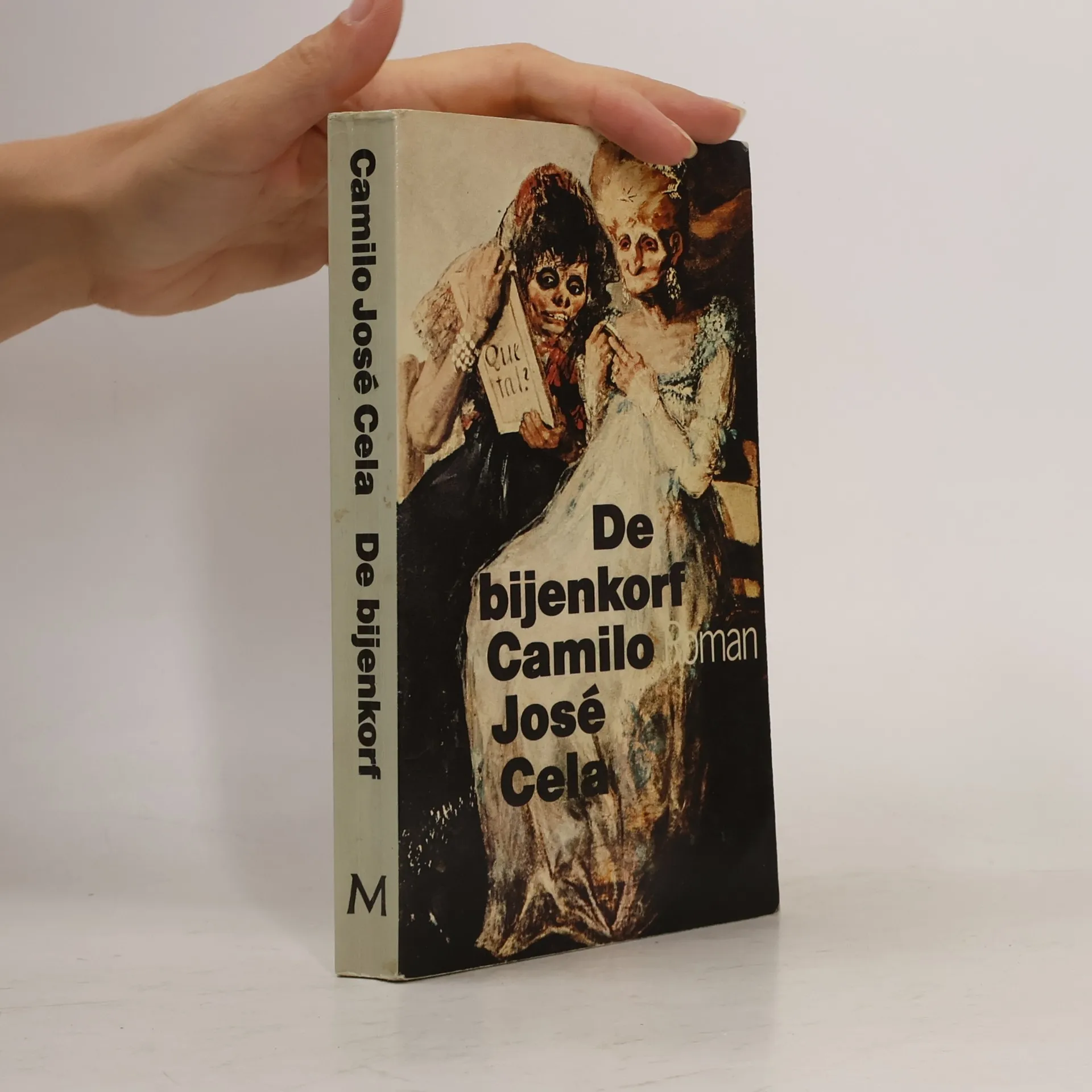
Complete and uncensored in English for the very first time, a fragmented, daringly irreverent depiction of decadence and decay in Franco's Spain written by the 1989 winner of the Nobel Prize in Literature. The translator Anthony Kerrigan compared Camilo José Cela, the 1989 winner of the Nobel Prize in Literature, to Louis-Ferdinand Céline and Curzio Malaparte—all “ferocious writers, truculent, badly spoken, even foulmouthed.” However provocative and disturbing, Cela’s novels are also flat-out dazzling, their sentences as rigorous as they are riotous, lodging like knives in the reader’s mind. Cela called himself a proponent of “uglyism,” of “nothingism.” But he has the knack, to quote another critic, Américo Castro, of deploying those “nothings and lacks” to construct beauty. The Hive is set over the course of a few days in the Madrid of 1943, not long after the end of the Spanish Civil War, when the regime of General Francisco Franco was at its most oppressive. The book includes more than three hundred characters whose comings and goings it tracks to hypnotic effect. Scabrous, scandalous, and profane, The Hive is a virtuosic group portrait of a wounded and sick society.
At the end of the Spanish Civil War, Tanis Gamuzo sets out to avenge the death of his brother, who was abducted and killed during the war, in a work set in a backward rural community, by the 1989 Nobel Prize winner.
Historia de un joven que se ahorco desesperado ante el acoso de una sociedad represiva y hostil, El asesinato del perdedor ?primera de las novelas escritas por Cela después de obtener el Premio Nobel de Literatura? constituye el nuevo e insuperable retrato de una España negra que todavía pervive.
The Eve, Feast, and Octave of St. Camillus of the Year 1936 in Madrid
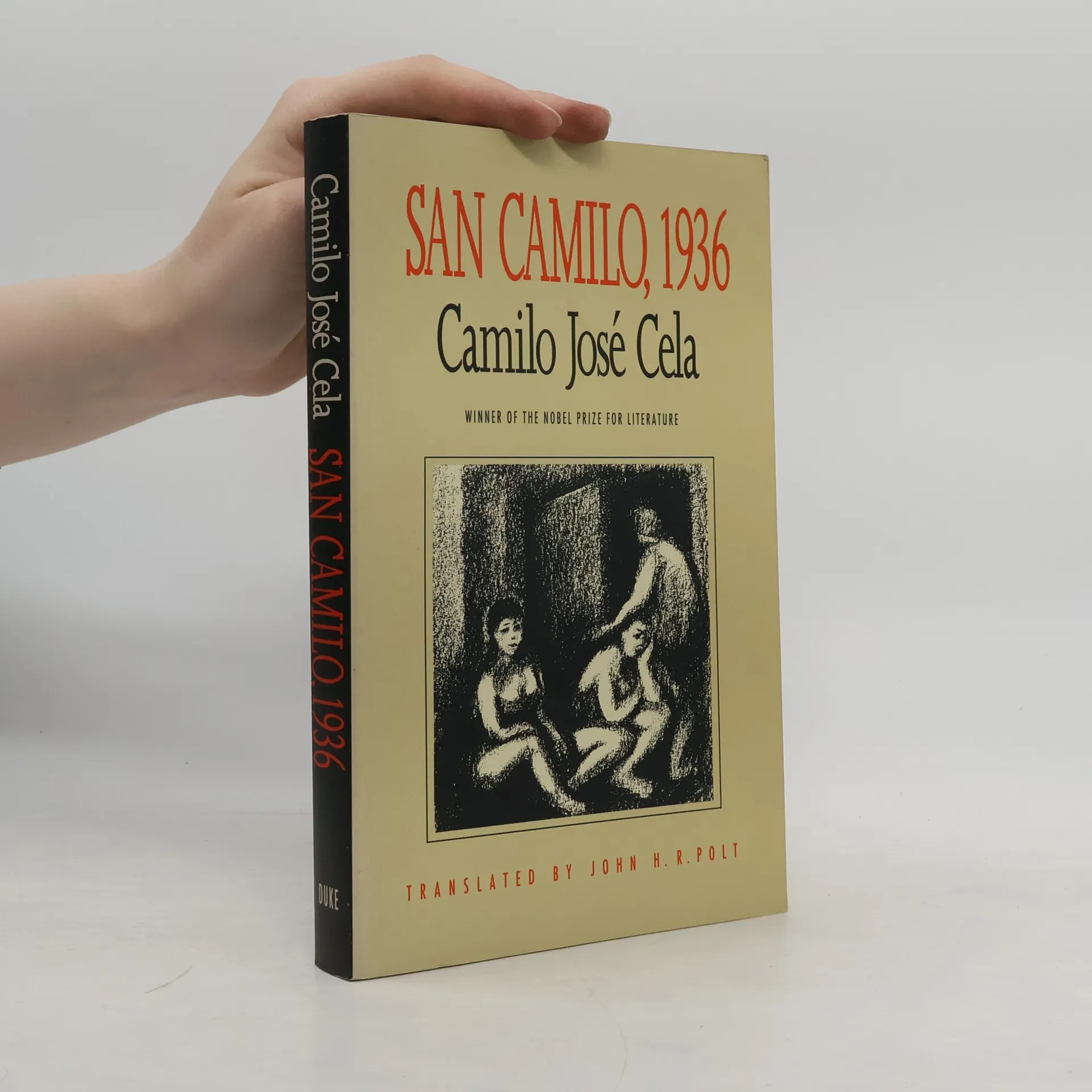
Widely regarded as one of the best works by the winner of the 1989 Nobel Prize for Literature, San Camilo, 1936 appears here for the first time in English translation. One of Spain’s most popular writers, Camilo José Cela is recognized for his experiments with language and with difficult subject matter. In San Camilo, 1936 , first published in 1969, these concerns converge in a fascinating narrative that is as challenging as it is rewarding, as troubling as it is compelling. A story of history as it happens, by turns confusing and startingly clear, echoing with news and rumors, defined by grand gestures and intimate pauses, the novel leads the reader into the ordinary life of extraordinary times. Beginning on the eve of the Spanish Civil War, San Camilo, 1936 follows a twenty-year-old student’s attempts to sort out his private affairs (sex, money, career) in the midst of the turmoil overtaking his country. In vivid and richly textured prose that distinguishes Cela’s work, the emotional reality of civil war takes on a vibrant immediacy that is humorous, tender, and ultimately transforming as a young man tries to come to terms with the historical moment he inhabits—and hopes to survive. Readers new to Cela will find in this novel ample reason for the author’s growing reputation among audiences worldwide.
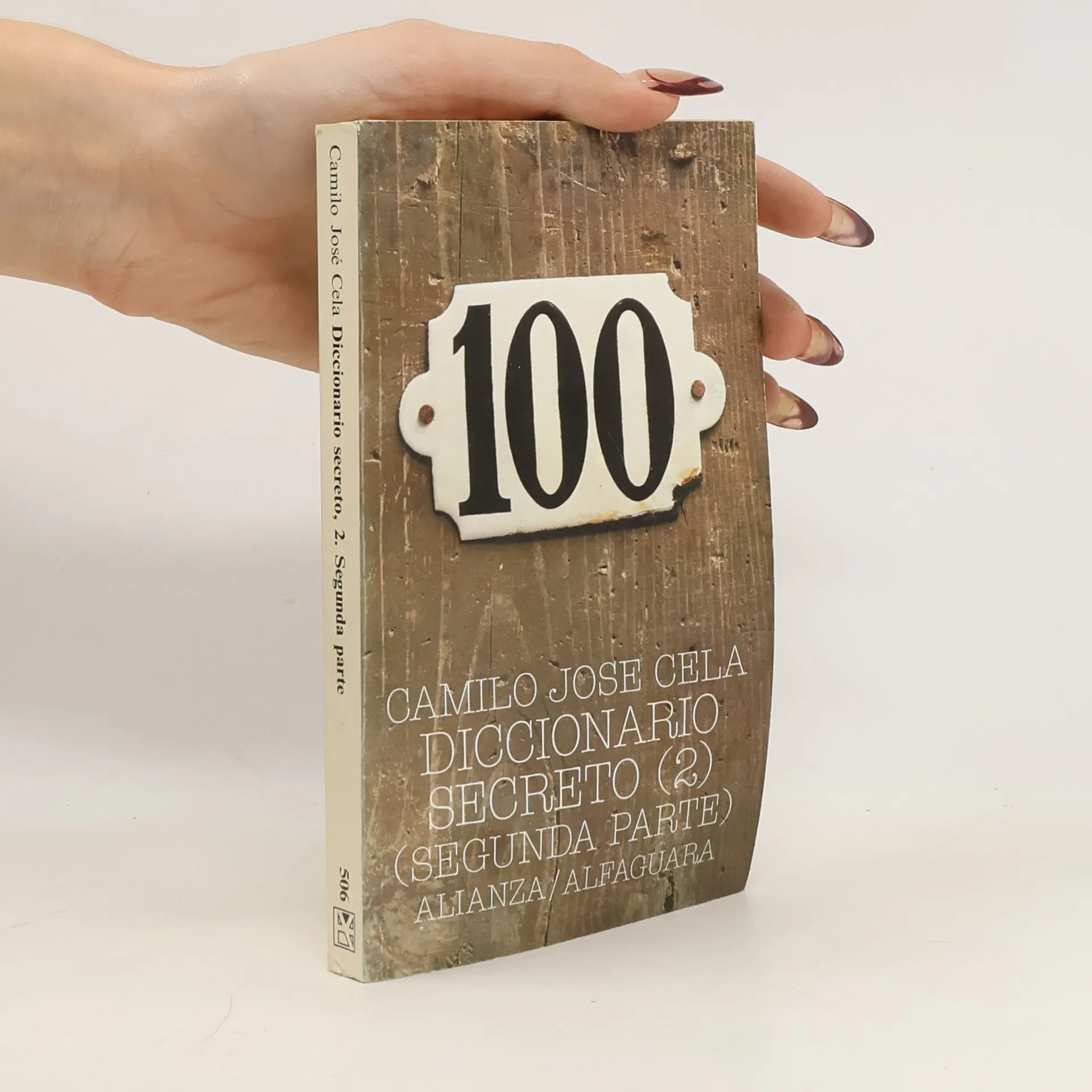
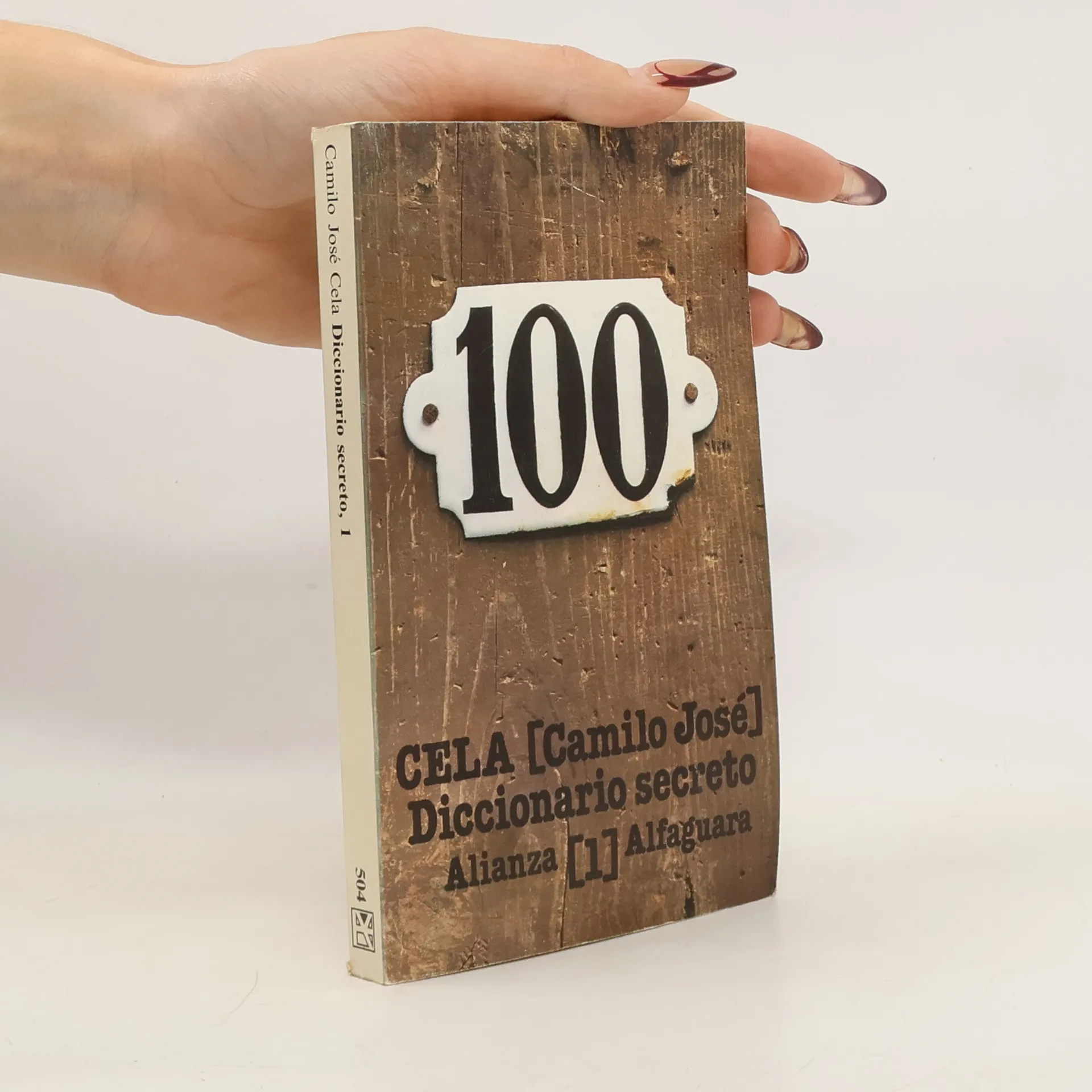
Camilo José Cela emprende con este Diccionario secreto la necesaria y urgente tarea de rescate y conservación del lenguaje vivo destinado a recoger las voces que ostentan una filiación venérea, directa o indirecta, expresa o tácita. El tomo I reúne las pertenecientes a las «series Coleo y afines», mientras que el tomo II, agrupa las relacionadas con las «series Pis y afines».
En este libro Cela se lanza al camino para recorrer la histórica y tradicional Castilla la Vieja, recreándose en el paisaje y el paisanaje, en el habla popular, en sus decires y coplas, en sus historias cotidianas, en sus perspectivas vitales, en los pequeños accidentes geográficos y en la historia.
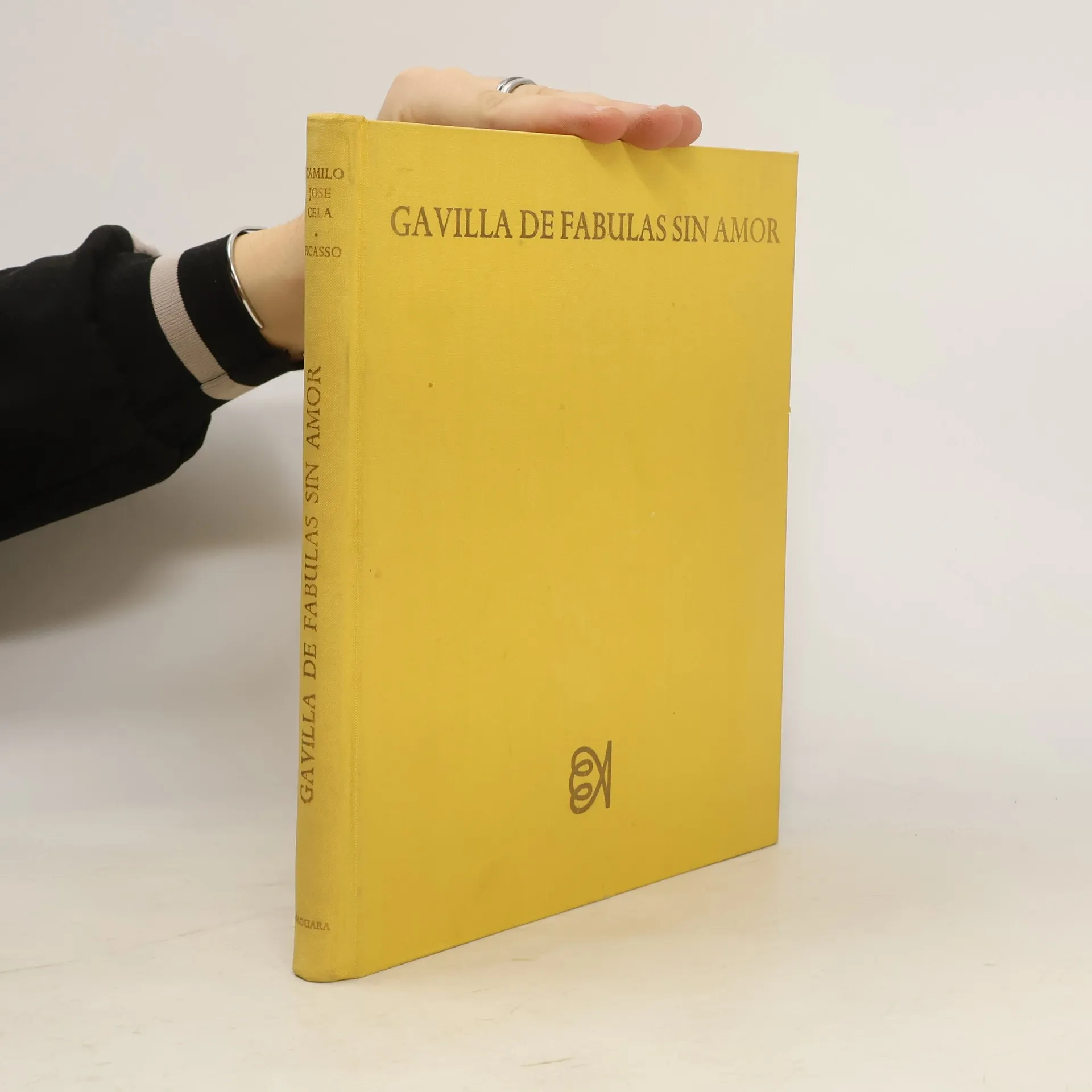
Madrid. 20 cm. 214 S. il. Cela, Camilo José 1916-2002. 32 Zeichnungen von Picasso. Indice. Picasso, Pablo. 1881-1973.
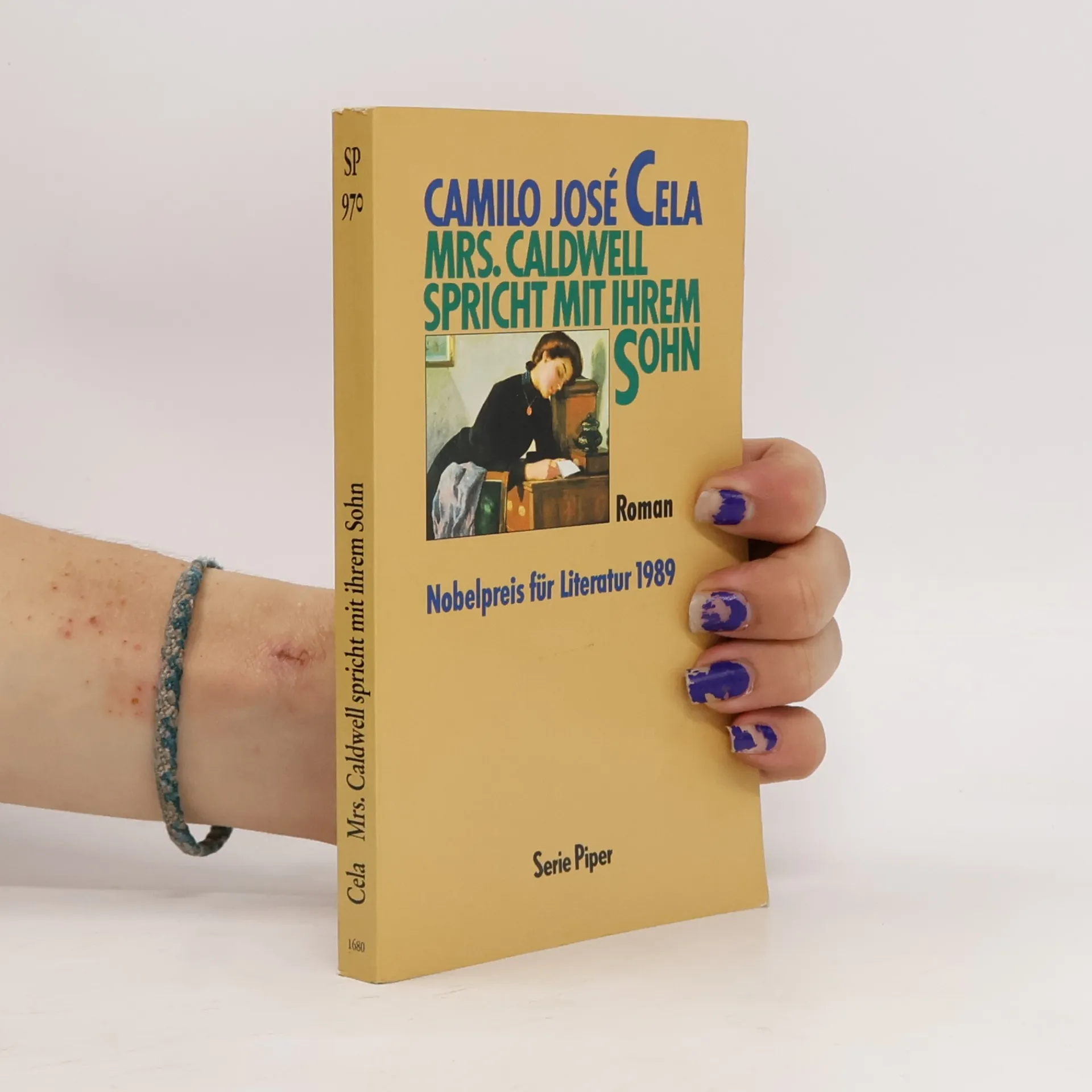
Tiempo atrás verlor Mrs. Caldwell, die Protagonistin dieser Geschichte, ihren Sohn Eliacim. Sich weigernd, ihn dem Vergessen zu überlassen, widmet Mrs. Caldwell ihm täglich viele ihrer Gedanken, innere Monologe, die diese Seiten festhalten und nicht nur ihre innere Welt skizzieren, sondern auch die Ereignisse, die um sie herum geschehen. Eine Reihe von Gedanken, die manchmal abstrakt und manchmal wirr sind, aber stets die ständige Präsenz des Gefühls der Einsamkeit haben, das eine große Verlust mit sich bringt.
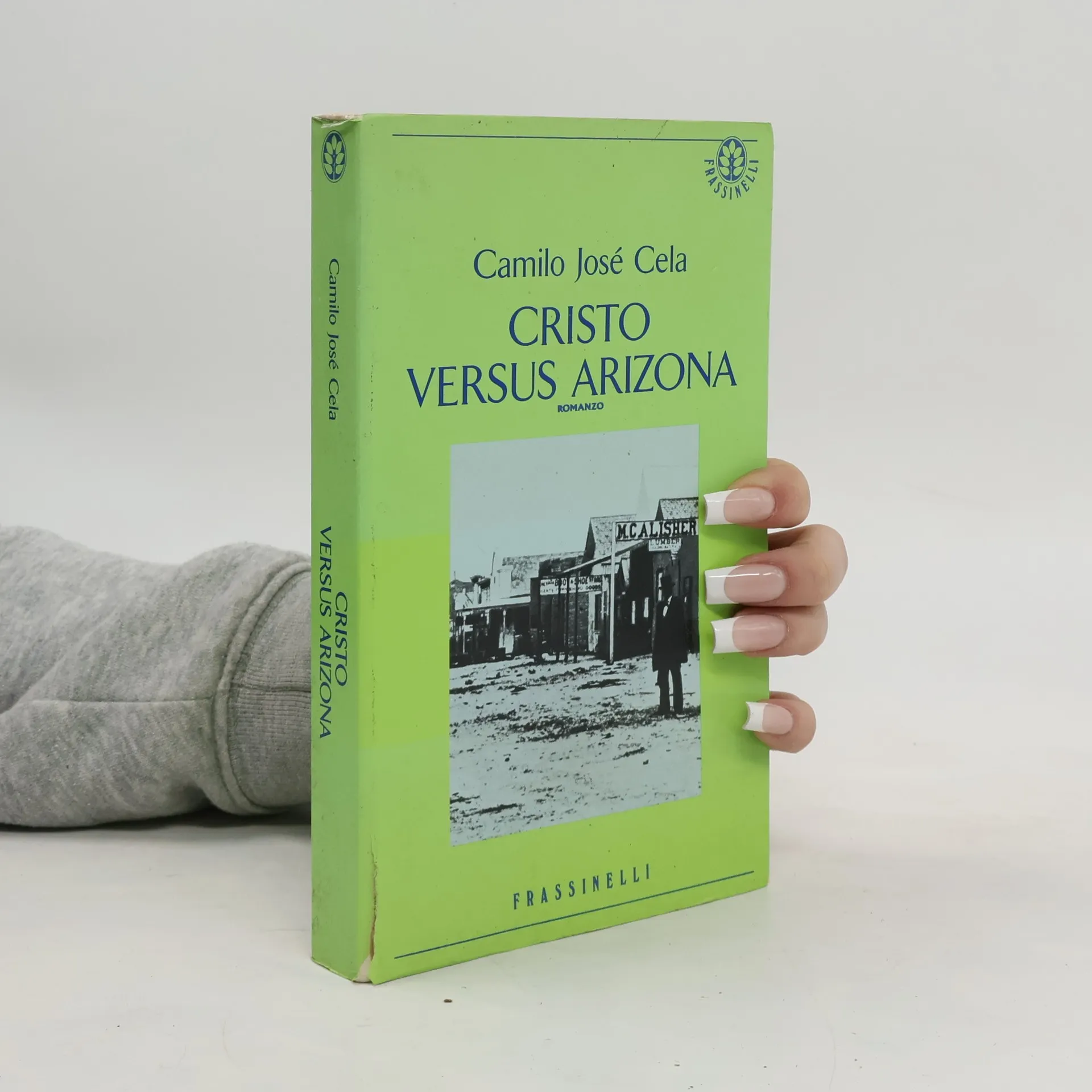
Christ versus Arizona turns on the events in 1881 that surrounded the shootout at the OK Corral, where Wyatt Earp, Doc Holliday, and Virgil and Morgan Earp fought the Clantons and the McLaurys. Set against a backdrop of an Arizona influenced by the Mexican Revolution and the westward expansion of the United States, the story is a bravura performance by the 1989 Nobel Prize-winning author. A monologue by the naive, unreliable, and uneducated Wendell L. Espana, the book weaves together hundreds of characters and a torrent of interconnected anecdotes, some true, some fabricated. Wendell s story is a document of the vast array of ills that welcomed the dawning of the twentieth century, ills that continue to shape our world in the new millennium."
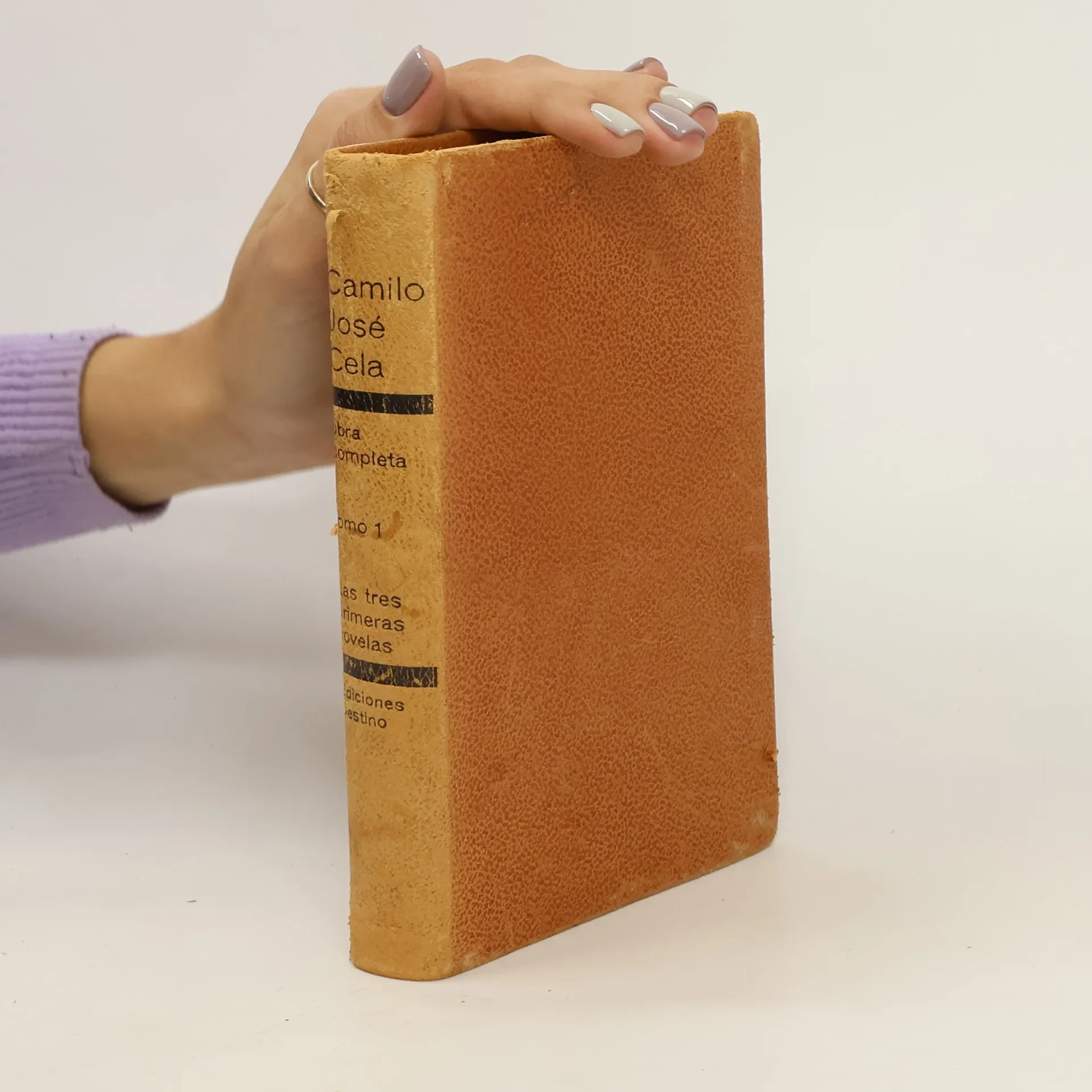
Barcelona. 19 cm. 604 p. Encuadernación en tapa dura de editorial. Colección 'Obra completa de C.J.C.', numero coleccion(1). Cela, Camilo José 1916-2002. Novelas. La familia de Pascual Duarte ; Pabellón de reposo ; Nuevas andanzas y desventuras de Lazarillo de Tormes .. Este libro es de segunda mano y tiene o puede tener marcas y señales de su anterior propietario.
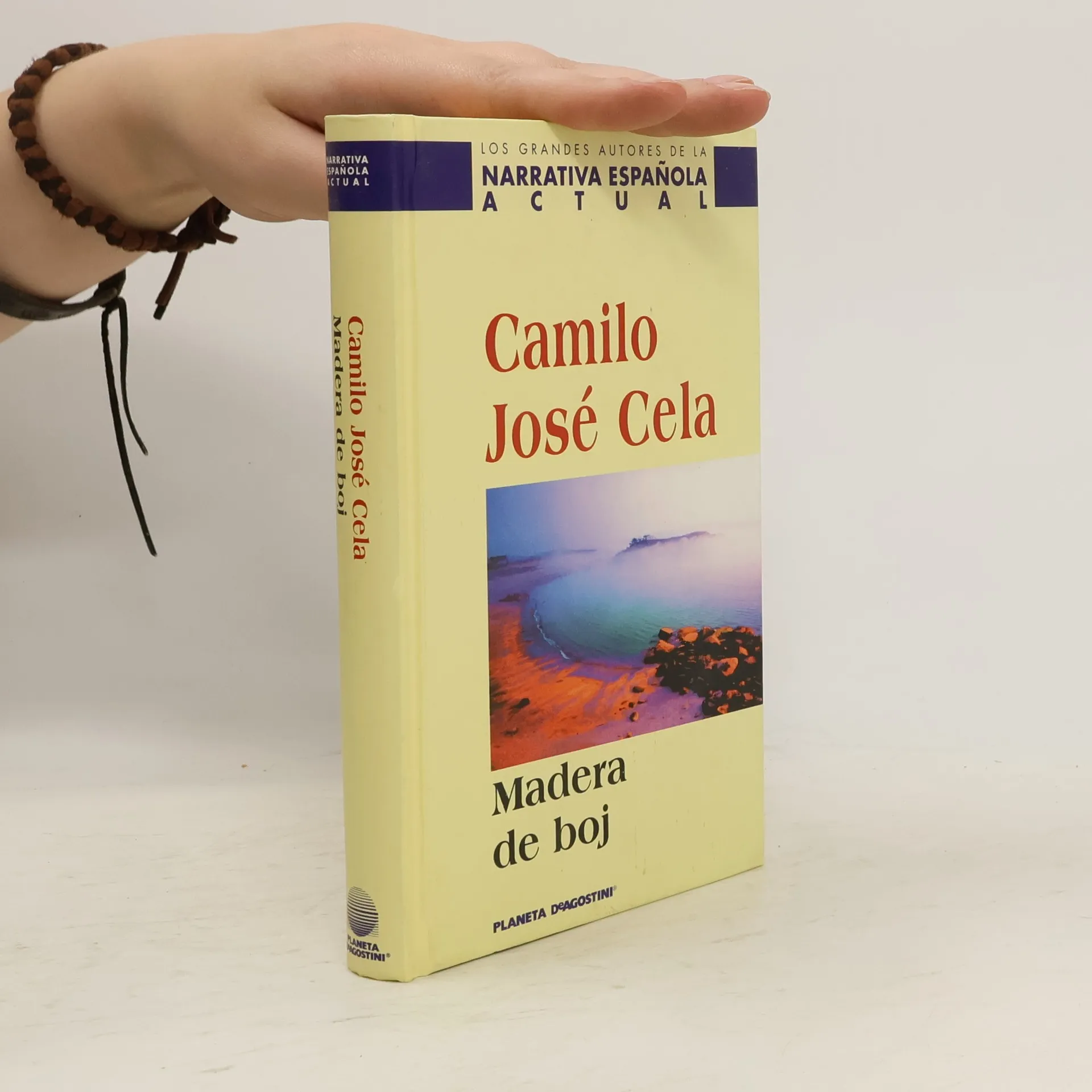
Sacristanes pecadores y alucinados, hombres lobo, pescadores de sardinas y cazadores de ballenas, curas, meigas, sordomudos, suicidas, choronas, curanderas, fornicadores, sirenas, vírgenes martirizadas... Las vidas y andanzas de todos ellos acompañan en un continuo fluir a náufragos, desaparecidos y ahogados, habitantes que danzan, como suspendidos, en ese territorio que está entre la vida y la muerte, o quizás más allá de la vida y de la muerte. Madera de boj nos sitúa en aquel lugar que los romanos entendieron como el fin del mundo, el Finis Terrae, y, desde allí, Camilo José Cela dirige su mirada maestra hacia la fachada marítima gallega convirtiéndose en puntual notario de la capacidad destructora de la Costa de la Muerte: da fe de los naufragios porque al tiempo se le puede dar marcha atrás si se le mece con inteligencia y con cariño. Con una prosa magnífica e innovadora, Camilo José Cela vuelve a sorprendernos con un viaje por una Galicia que nace del alma y vive en el alma; un viaje salpicado por el verdoso tinte de la lujuria y siempre pasado por el filtro del humor y del amor. Para Víctor García de la Concha, en Madera de boj alcanza la narratividad lírica de Camilo José Cela su cima más alta.
Empecé esto de vivir un 23 de mayo de mil novecientos treinta y tantos , en Cuenca, cosa que muy poca gente puede decir. Inmediatamente me di cuenta de que esto no tenia un buen cariz. A consecuencia de la primera bofetada hice el bachillerato , el cual me sirvió para nada como es lógico...
La publicación de Viaje a la Alcarria fue un acontecimiento literario que confirmó el entonces ya sólido prestigio de su autor.Dedicó en aquella ocasión el libro al ilustre doctor Don Gregorio Marañón, a quien se refiere en el prólogo de este Nuevo viaje a la Alcarria confesando lo siguiente: "Ahora ya nos soy joven sino viejo, estoy gastando de mis setenta años, tres menos de los que usted tenía cuando su muerte. No me parece, sin embargo, haber mermado mucho porque sigo en la misma estatura de entonces pero engordé más de la cuenta, eso sí, engordé cuarente kilos largos, y estoy fondón y más torpe de movimientos de lo que quisiera y fuera menester. Con estos años y estas arrobas a cuestas, o a rastras, el paseo no he de repetirlo a mero pinrel, com cabe pensar, sino en más reconfortadora, saludable y placentera circustancia: en Rolls, que es automóvil sólido y de fundamento, y con Oteliña al volante, choferesa que semeja una cometa volando y es tan segura en su airosas fidelidades como en sus gráciles infidelidades. Oteliña se llama, de verdad, Viviana Gordon y es natural de San Luis, Missouri, y graduada por la Universidad de Stanford, Palo Alto, California; eso de Oteliña se lo puse porque tiene la piel del mismo noble lustrre que el personaje de Shakespeare, si bien la encuentro más firme y entera, menos cambiante. Oteliña, como Desdémona, es el puerto de la serenidad."
... un retrato sensible de la España provincial, su naturaleza física y la psicología y valores de su gente.
En esta novela se narra la vida de un grupo de hombres y mujeres en un sanatorio para tuberculosos. Unos y otros, echados en sus chaise-longues, languidecen atentos a cuanto pasa a su alrededor. Una misma corriente los une a todos, una misma preocupación los esclaviza. Las relaciones y los afectos, pero también la susceptibilidades y las obsesiones se consolidan más y más a medida que la enfermedad avanza y la novela transcurre. A medida que se acercan a sus últimos instantes, todos ellos se hacen más simples, más naturales, más sencillos, en una palabra, más humanos.
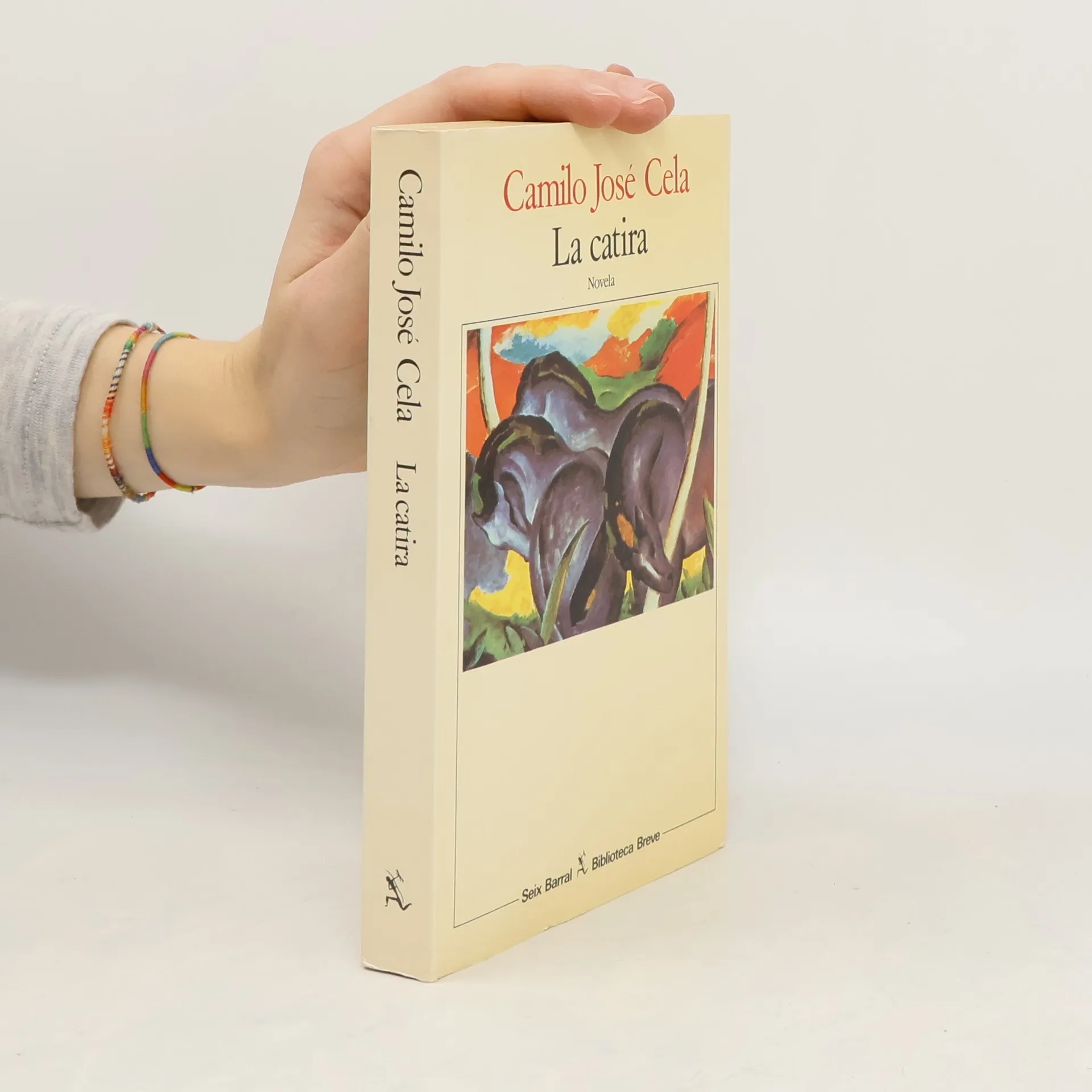
Esta es una de las principales novelas de Camilo José Cela. En palabras de Paul Llie, 'es novela de la tierra, de su gran permanencia entre agitación y muerte, y fuente de genuina fertilidad frente a la superpuesta y decadente civilización', y su significado remite a que 'lo espontáneo de la vida es lo más valioso'. Novela del llano y de la selva, subyugante incursión en el habla, la cotidianidad y el trasfondo mítico de las tierras venezolanas. La catira es un ejemplo acabado de la maestría de un gran escritor.
Barcelona. 18 cm. 188 p., 1 h. il. neg. Encuadernación en tapa blanda de editorial ilustrada. Colección 'Todolibro', numero coleccion(9). Cela, Camilo José 1916-2002. Cuentos. Ilustraciones de José Antonio Loriga. Loriga, José Antonio. 1939- .. Este libro es de segunda mano y tiene o puede tener marcas y señales de su anterior propietario. ISBN: 8402073174
Geronimo Stilton Euskera 13
A través de una larga, estremecedora y minuciosa confesión, que ella denomina "la crónica de un derrumbamiento", Matilde Verdú, la protagonista de La cruz de San Andrés, nos hace un relato puntual de su vida. Sexo, frustración, locura y muerte se entrelazan íntima y amorosamente hasta componer un retablo magnífico y sobrecogedor, que incluye desde los pequeños acontecimientos de la vida cotidiana hasta los sucesos más dramáticos que jalonan su existencia. La cruz de San Andrés se convierte así, de la mano de inteligente y experta de Camilo José Cela -cuya maestría habitual le ha valido el Premio Nobel de Literatura-, en una lúcida y penetrante reflexión moral sobre la condición humana y los avatares que la acechan, en la que no falta el contrapunto sorprendente de un humor teñido de piedad y de ternura. Esta novela ha obtenido el Premio Planeta 1994.
Семья Паскуаля Дуарте. Улей. Повести и рассказы
En el Rastro de Madrid aparece un cuadro perdido de Goya. A partir de este hecho insólito, comienza un relato de farsantes, marginados, fracasados y vencidos, en el que destaca la verdadera protagonista: la ciudad de Madrid, siniestra y oscura, de los años sesenta del siglo pasado. El desvarío de una sociedad asfixiada por el régimen de Franco, la hipocresía, el mal de conciencia y la grisura de unas vidas condenadas al ostracismo son los ejes de esta novela, en la que Gonzalo Torrente Ballester se adentra en las profundidades del ser humano sin hacer concesiones sentimentales y huyendo del realismo ingenuo. El resultado es un retablo inquietante y aleccionador de un pasado no tan lejano.
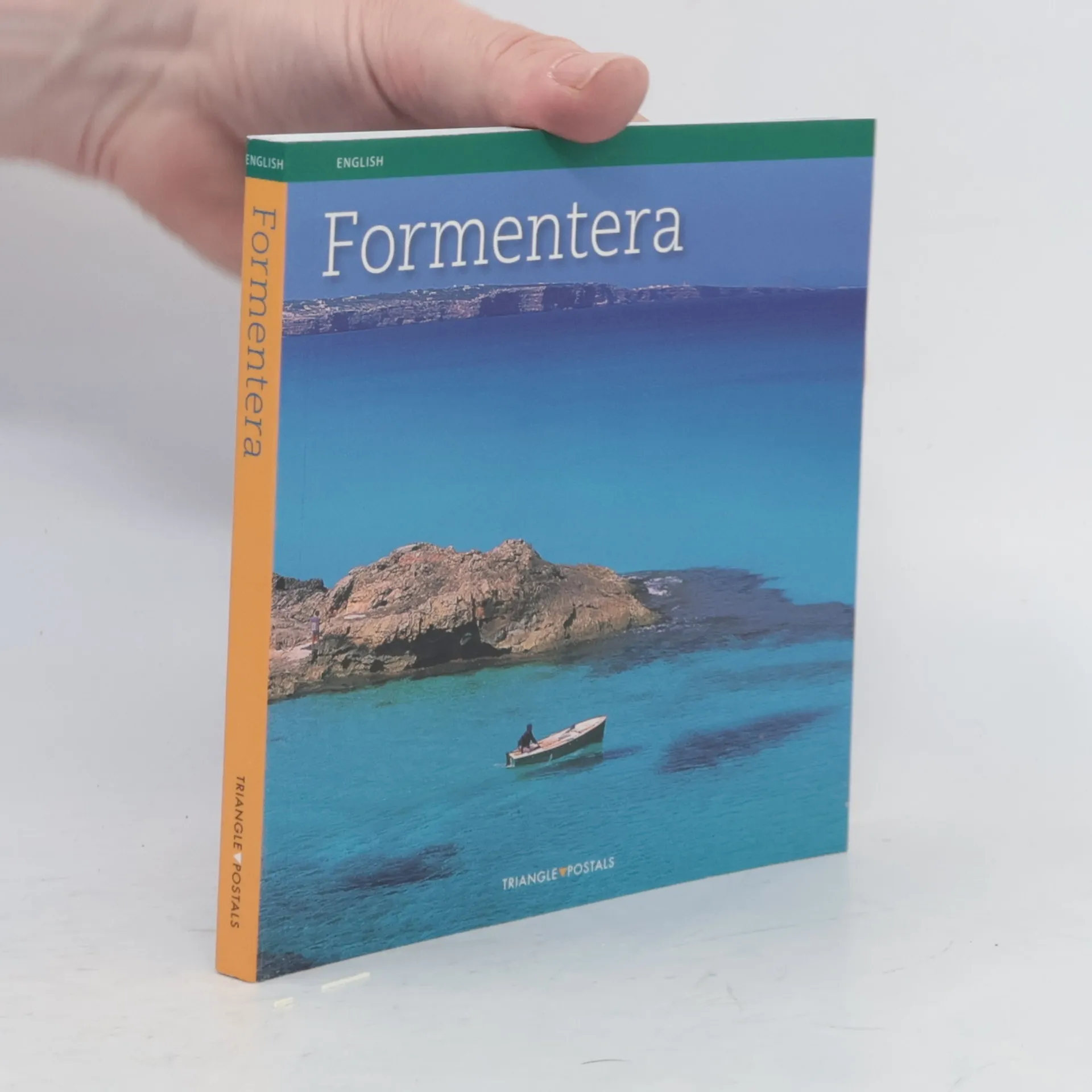
Distances are always short in Formentera, a quiet world that asks to be toured on bicycle and in no hurry, in order to appreciate its stone walls, giant fig trees and savins. Its beaches, suitable for windsurfing and sailing, still cast a spell over painters and writers who come from far and wide.
Het leven in een klein Spaans dorpje, waar markante types wonen.
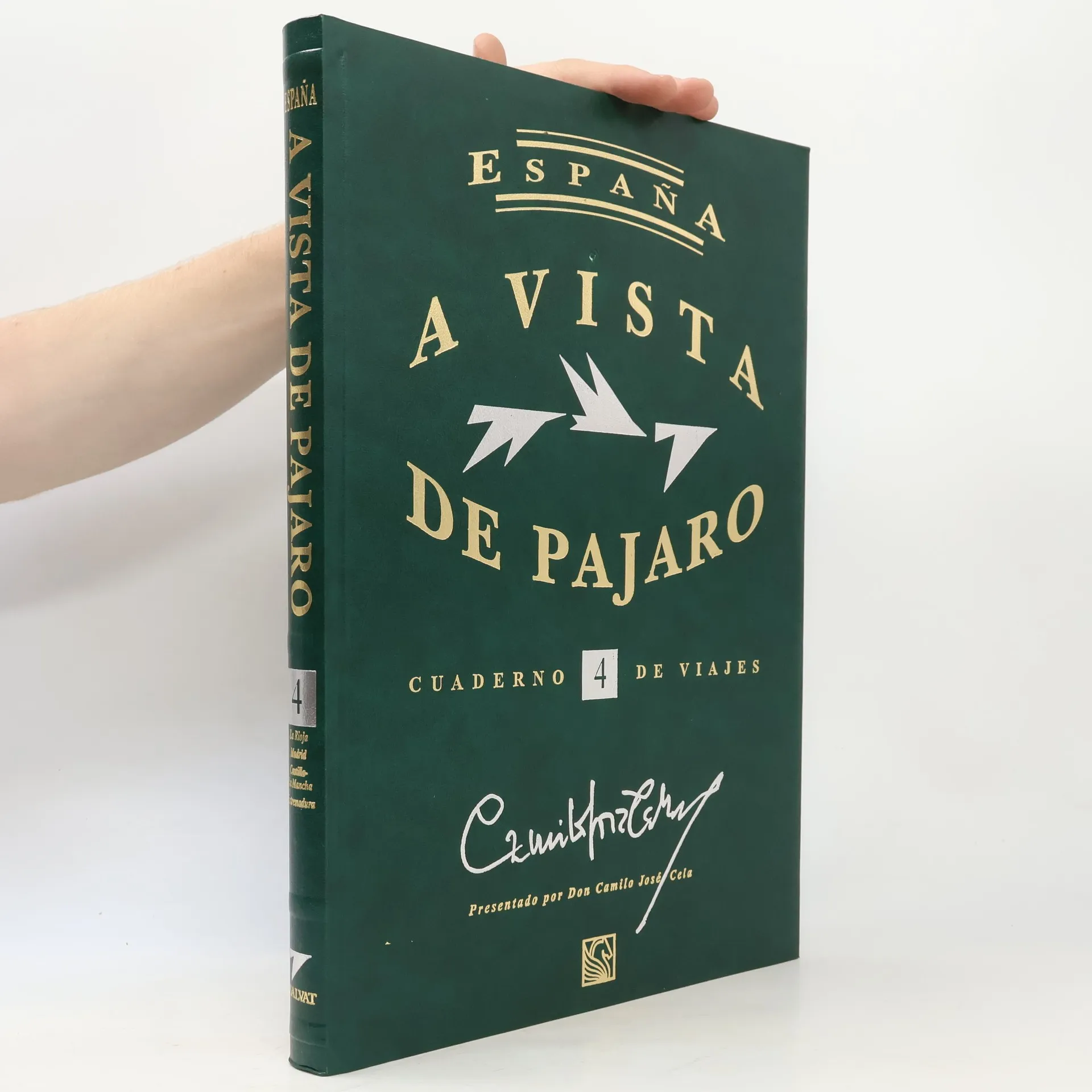
Cuaderno de viajes
Este libro es, principalmente, una colección de ficciones literarias, de invenciones de la imaginación hechas con palabras escritas, y ahí está su sentido y su verdadera sustancia. Una perfecta combinación para disfrutar de un género que podemos llamar contemporá el cuento literario.
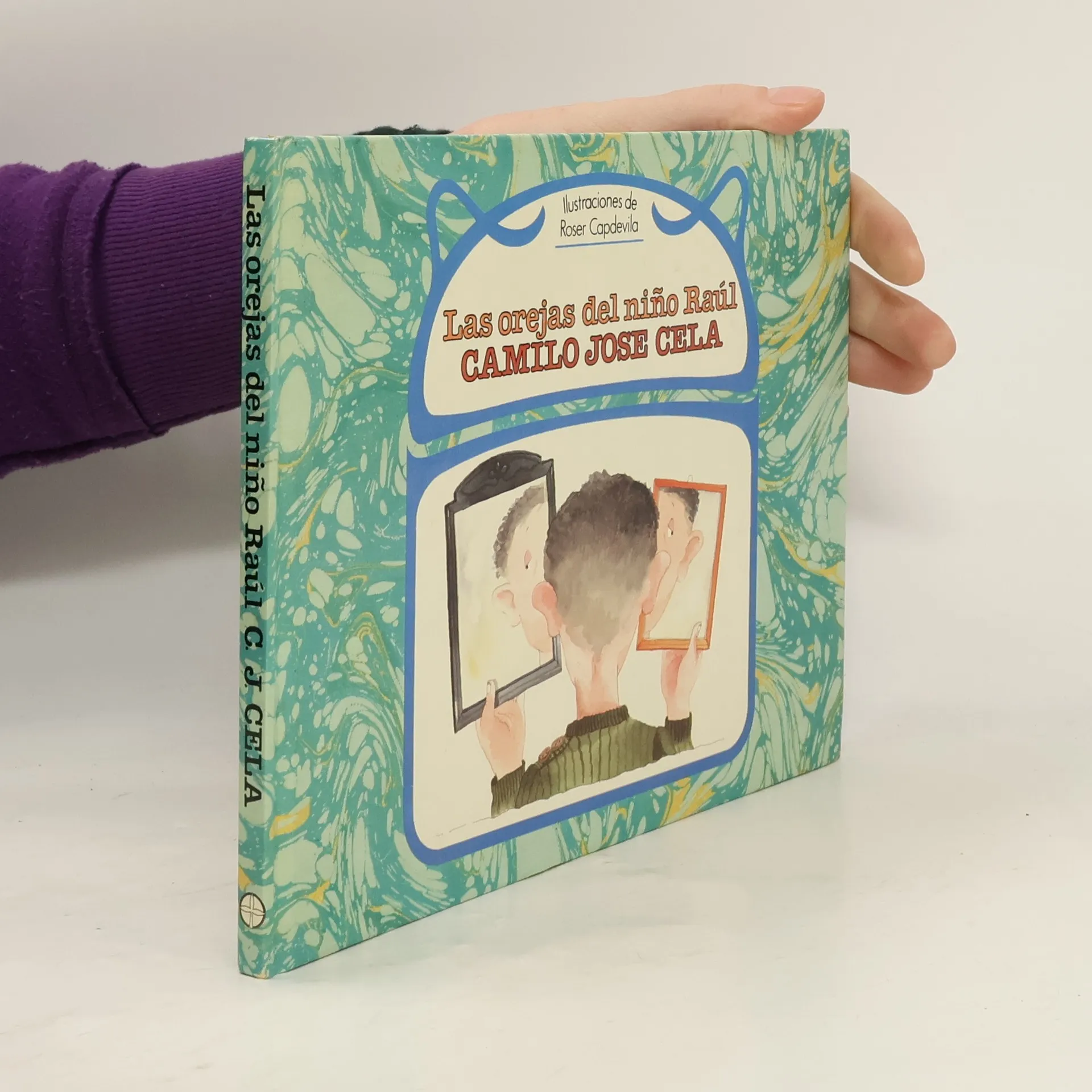
Raúl, un joven deprimido por el gran tamaño de sus orejas, se obsesiona con medirlas para ver si una es más grande que la otra.
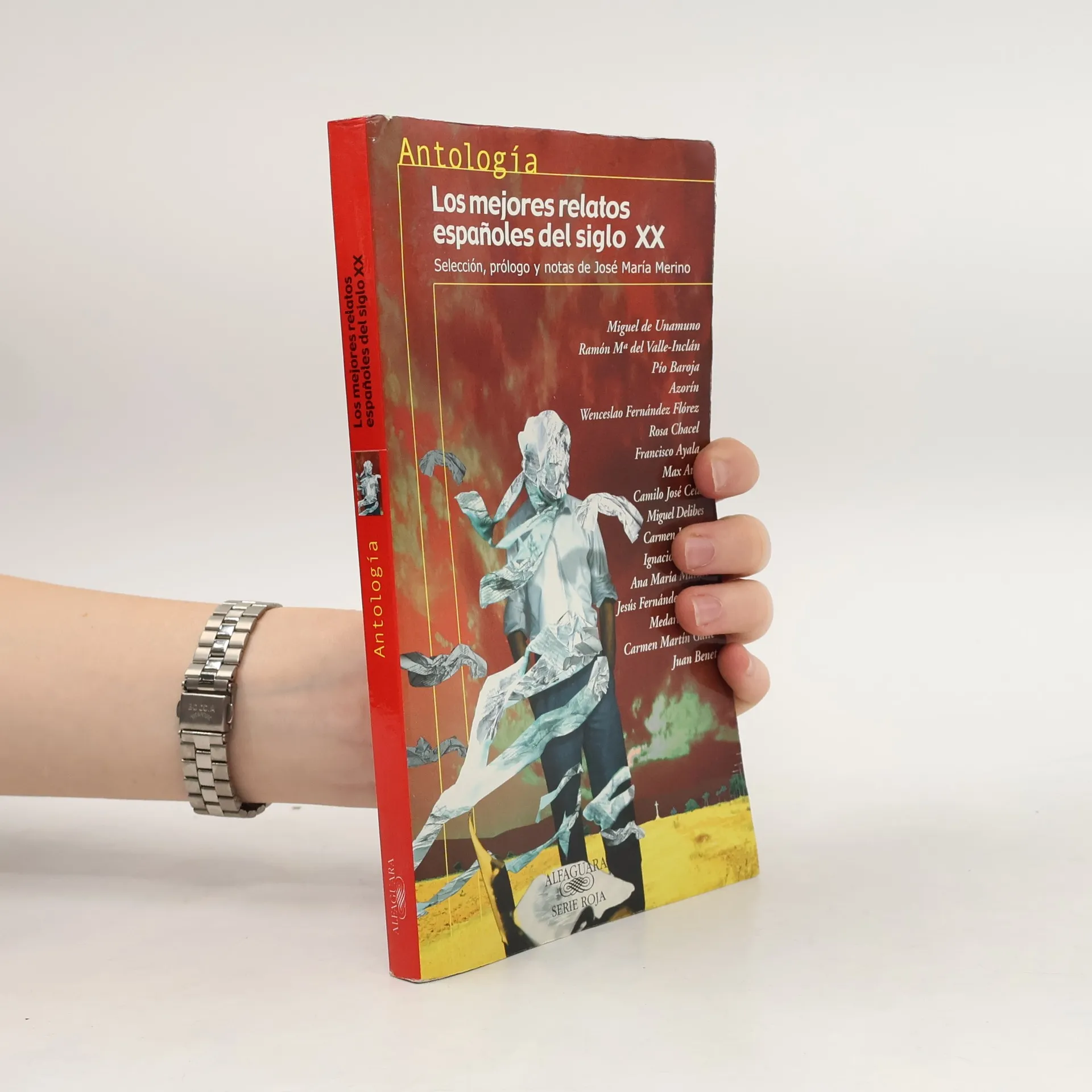
The work is preceded by a prologue which discusses the author, the importance of his novels & an analysis of the technical & stylistic aspects of the title. An excellent collection for your 20th century Spanish literature classes.
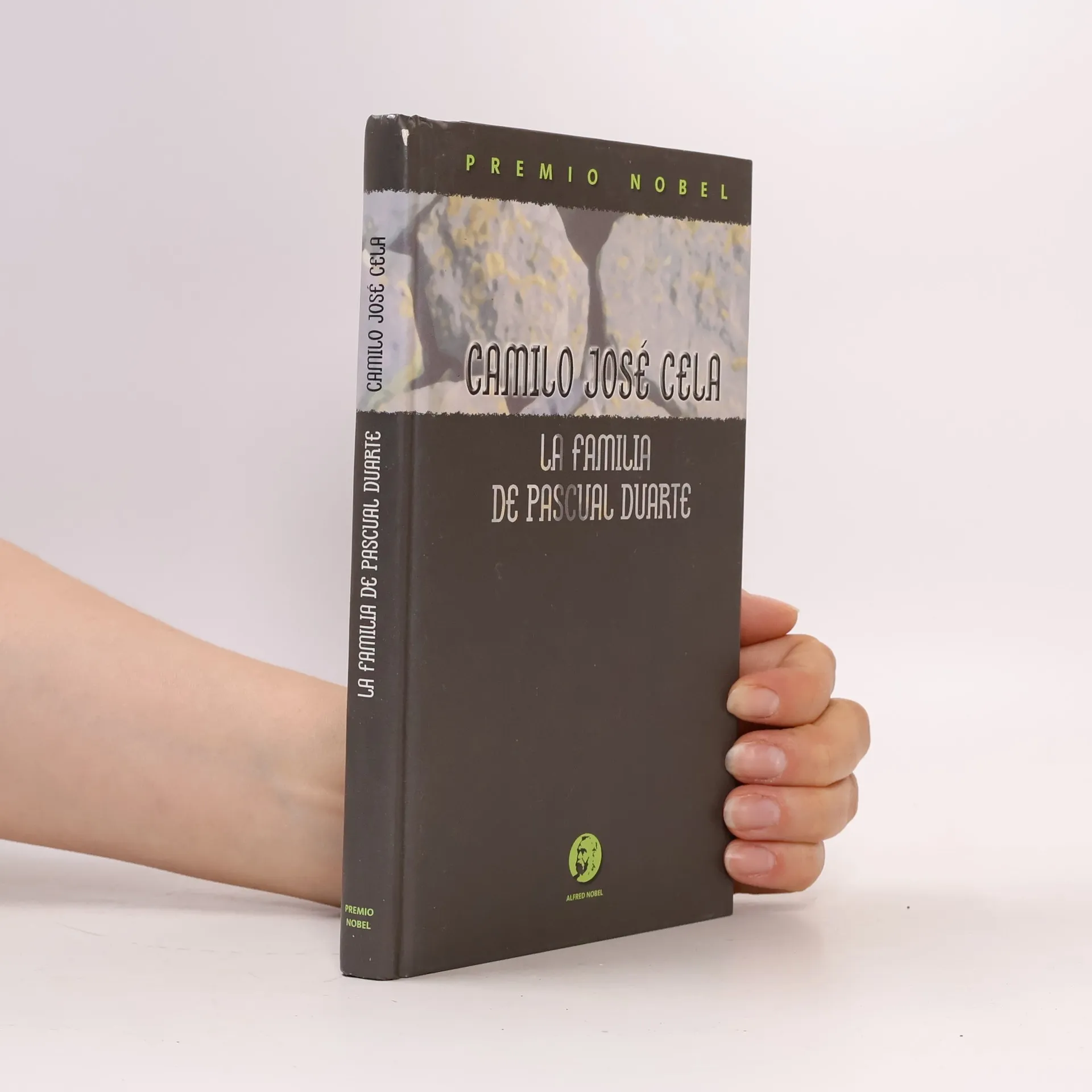
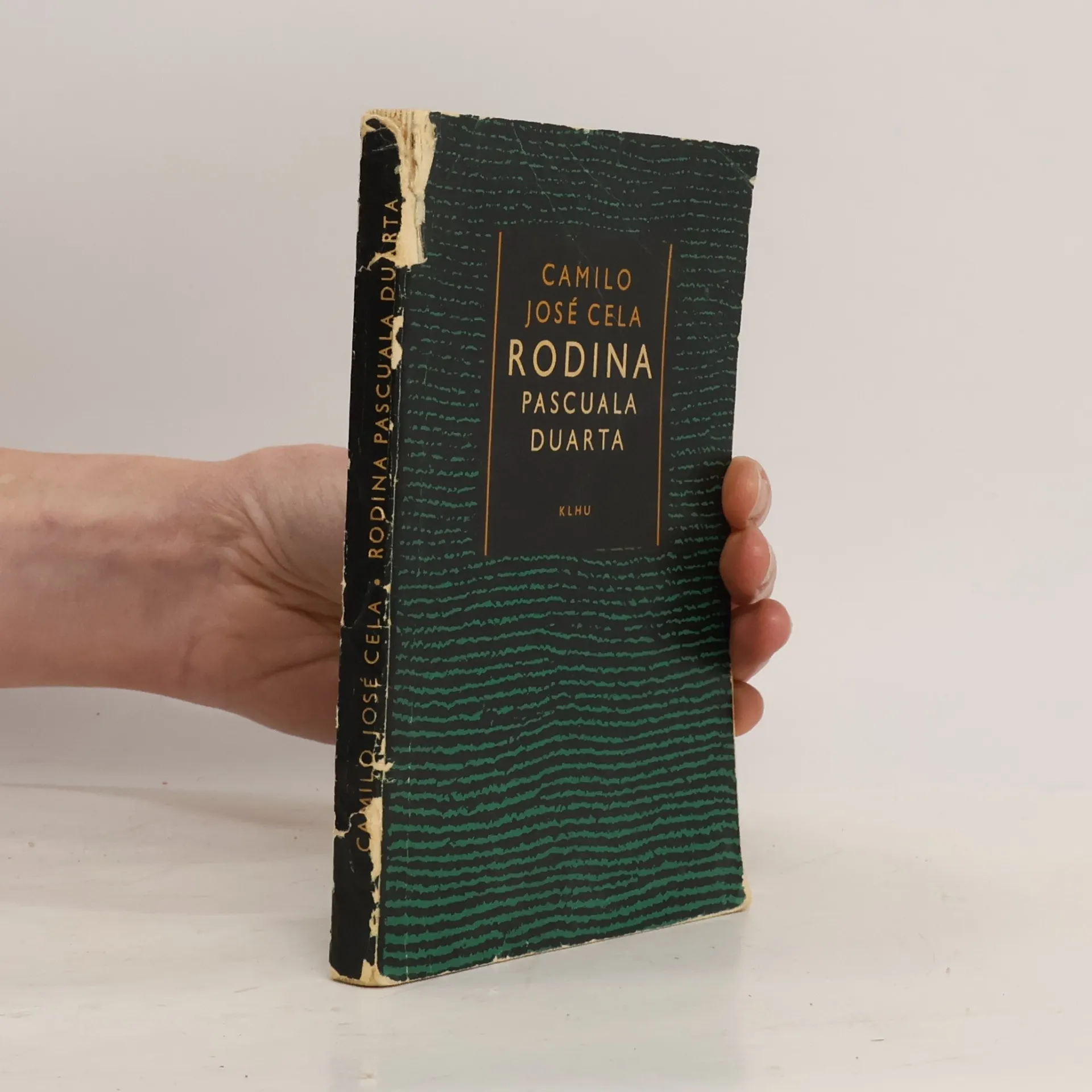
První román španělského spisovatele Camila José Cely, který nese stopy literárního proudu zvaného „tremendismus“. Tato technika odhaluje přehnaně krutý a nemilosrdný svět, v jakém žije hlavní hrdina, většinou člověk na samém okraji společnosti. Právě takový je i Pascual Duarte, násilnický a drsný venkovan, jenž z vězení zpětně vypráví svůj hořký život plný bolesti.
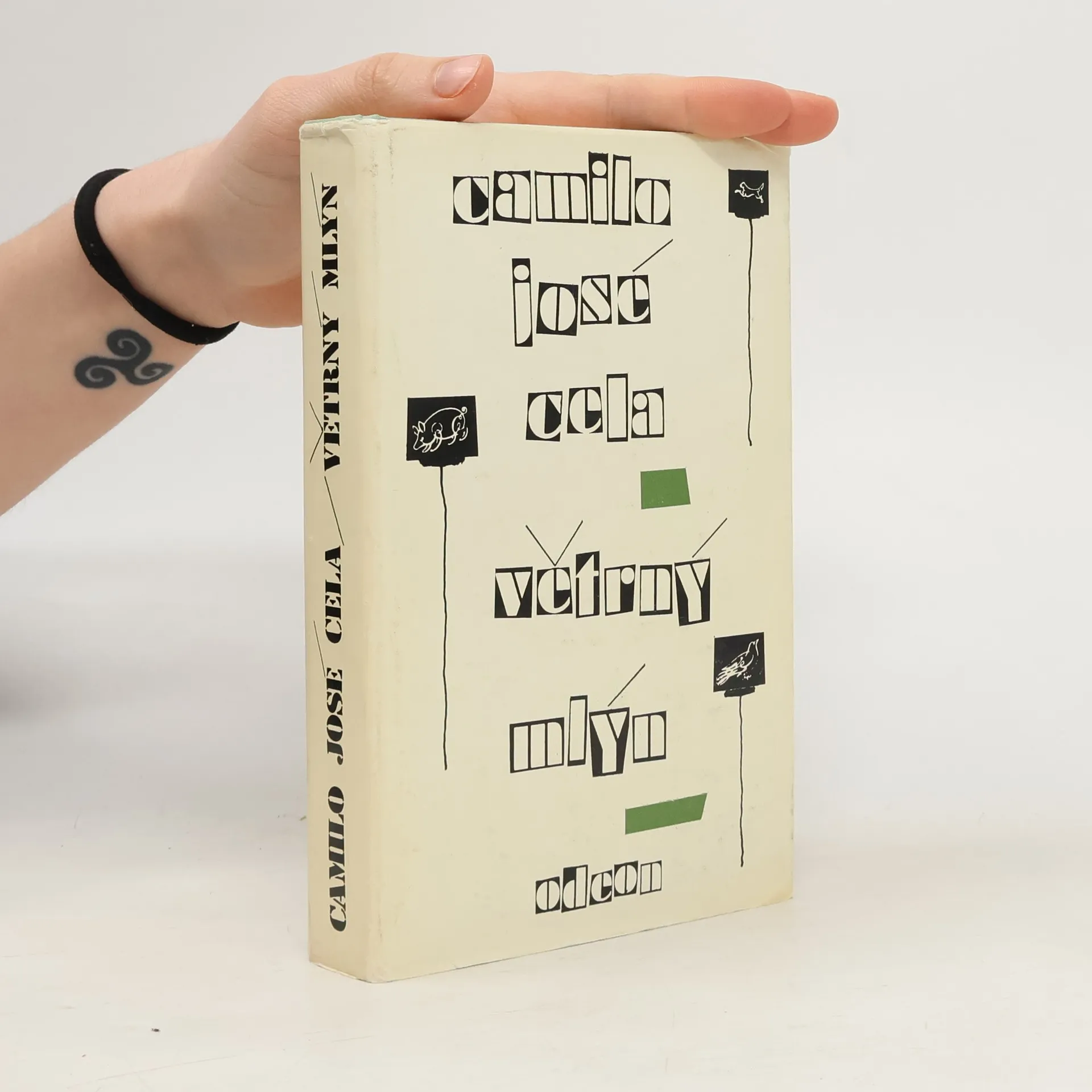
Výbor z prozaické tvorby největšího současného španělského autora přináší tři romány (Rodina Pascuala Duarta, Nové příhody a nehody Lazarilla z Tormesu, Větrný mlýn) a šest novel a povídek (Klub mesiášů, Zavinilo to jaro,Četníkův zločin, Pouť, Santa Balbina 37, plyn v každém bytě, Nepochopený tvůrce Timoteo). Barvitá díla ztvárňují řadu zajímavých aspektů španělského života.