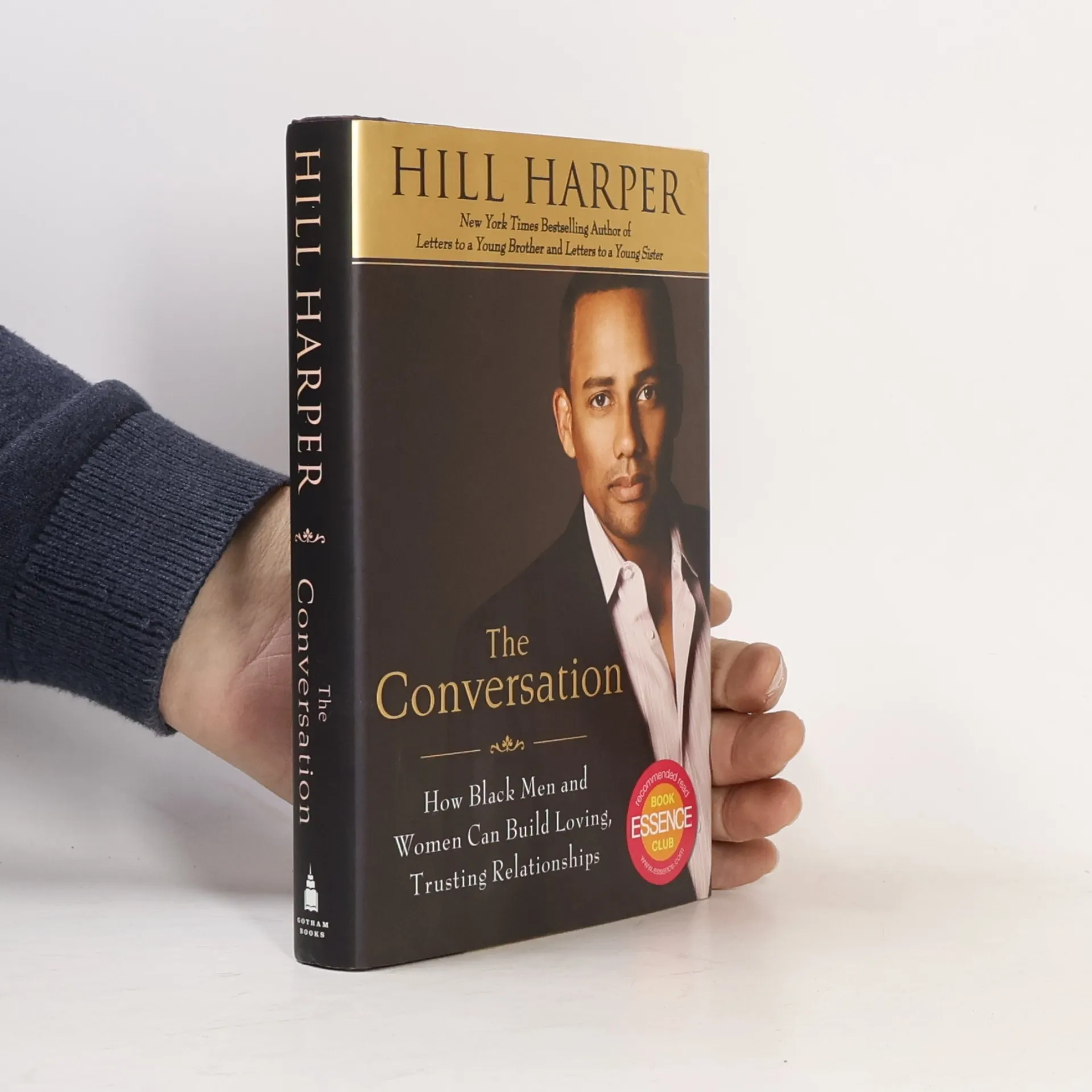
Francis Harper, known professionally as Hill Harper, is an American film, television and stage actor, and author. An alumnus of Harvard Law School, he is best known for his portrayal of Dr. Sheldon Hawkes on the CBS drama television series CSI: NY. Harper is the author of several successful books. His literary works often explore themes of personal development, inspiration, and the pursuit of success. He writes in a way that is accessible and motivating, aiming to offer readers practical advice and encouragement for their own life journeys.
The NAACP award-winning author of Letters to a Young Brother presents a financial parable that counsels adults on how to use money as a tool for personal fulfillment, outlining an alternative definition of wealth while covering topics ranging from financial security to taking responsibility for personal resources.
How Black Men and Women Can Build Loving, Trusting Relationships
268 pages
10 hours of reading
In his first book for adults, New York Times bestselling author Hill Harper engages in an honest dialogue about the breakdown of African-American relationships. Historically, African Americans have relied on family during difficult times, but this vital legacy is now at risk. Effective communication between Black men and women has diminished, jeopardizing the relationships and marriages essential for sustaining the Black family. Currently, less than a third of Black children grow up in two-parent households, a significant decline from previous generations. Harper explores the challenges that hinder Black men and women from forming long-term, loving relationships. He embarks on a journey—both universal and personal—seeking answers through conversations with friends and strangers, including those who are married, single, or divorced. These discussions reveal common themes of private struggles and emotional vulnerabilities. As he reflects on others' experiences, Harper recognizes his own relationship challenges. He addresses the misinformation and mistrust that exist between the sexes and tackles the stereotypes prevalent in the Black community. By confronting these issues, he hopes to foster communication and inspire individuals to take charge of their relationship crises, ultimately guiding them toward successful, sustainable connections.
Targeted at young women, this bestselling book offers a wealth of inspirational advice and wisdom. Drawing from the author's experiences as a public speaker and actress, it provides empowering insights to navigate life's challenges. The engaging narrative encourages readers to embrace their potential and pursue their dreams, making it a valuable resource for personal growth and motivation.
The book features a collection of letters that offer practical wisdom and encouragement for young men navigating today's challenges. Drawing from the author's experiences speaking at inner-city schools, it addresses pressing issues while countering the narrow definitions of success often portrayed in media. Emphasizing the importance of education, community involvement, and self-respect, the letters aim to inspire a generation often seen as lost, providing them with the guidance needed to forge their own paths to fulfillment and achievement.