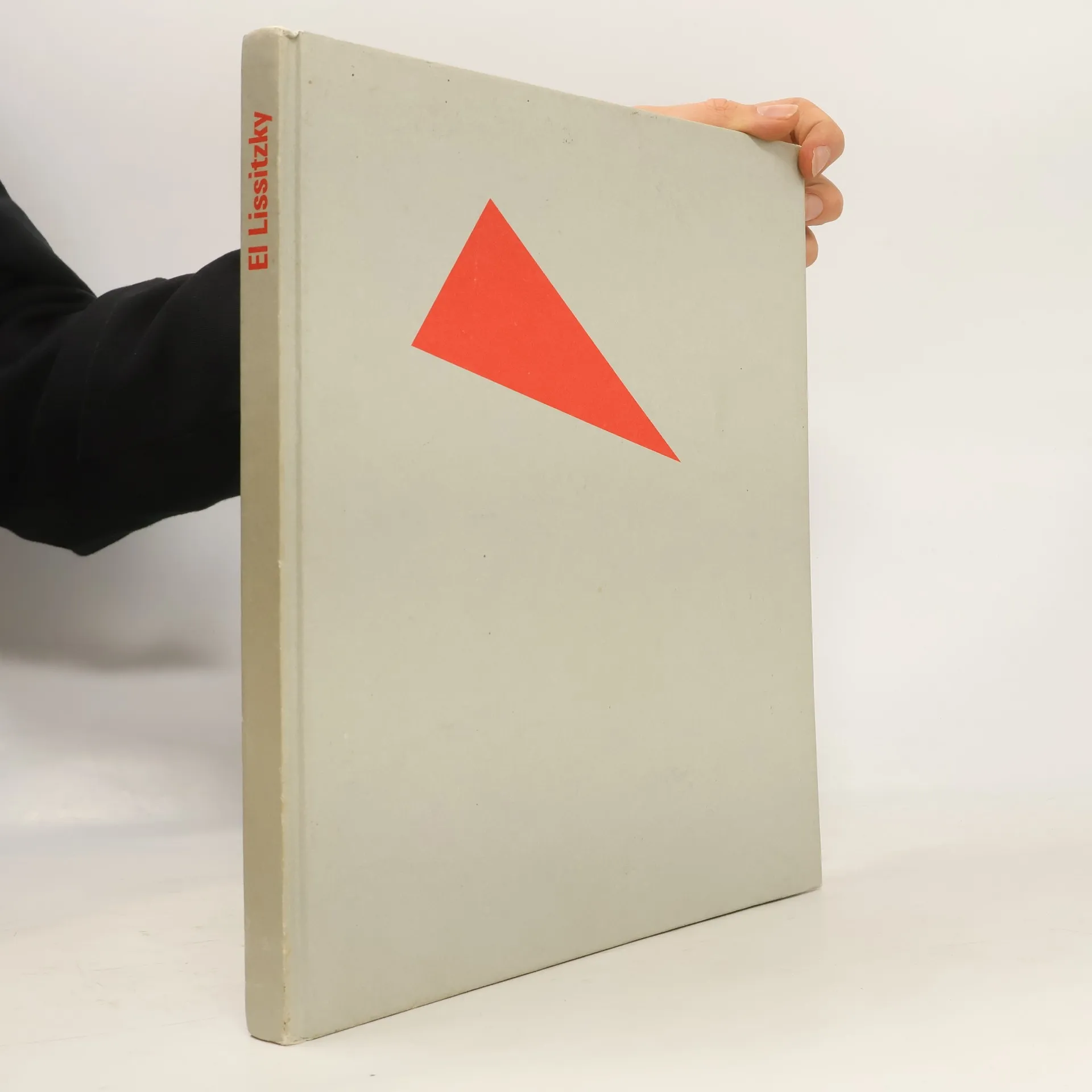
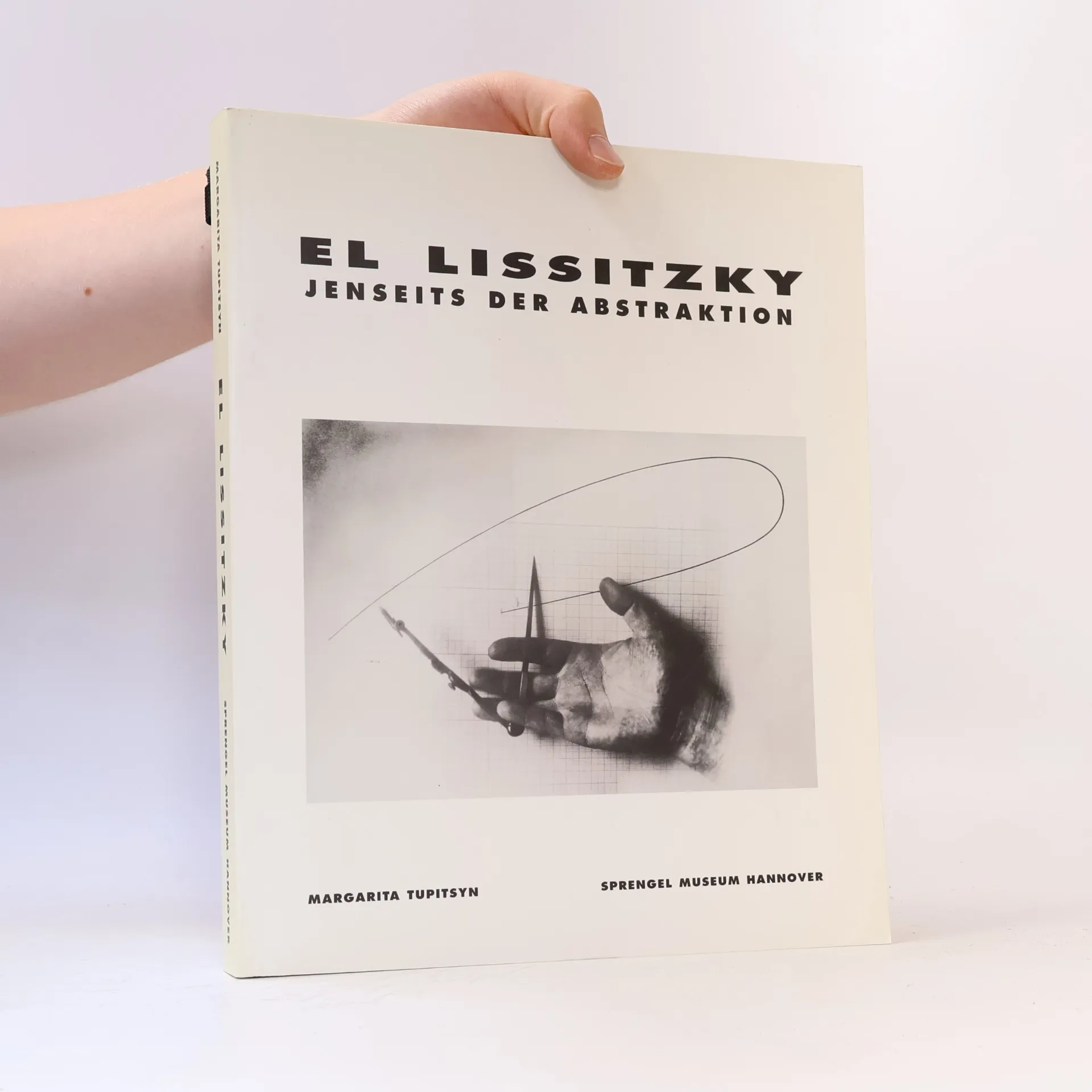
About Two Squares, a truly revolutionary book for children by the Russian
avant-garde artist El Lissitzky, will extend the boundaries of anyone's
imagination. Radically simple, and yet beautifully sophisticated, this book
tells the story of two squares who take on the mission of rebuilding the
world.
Graphic Design Theory presents groundbreaking, primary texts from the most important historical and contemporary design thinkers. From Aleksandr Rodchenko’s "Who We Are: Manifesto of the Constructivist Group" to Kenya Hara’s "Computer Technology and Design," this essential volume provides the necessary foundation for contemporary critical vocabulary and thought. Graphic Design Theory is organized in three sections: "Creating the Field" traces the evolution of graphic design over the course of the early 1900s, including influential avant-garde ideas of futurism, constructivism, and the Bauhaus; "Building on Success" covers the mid- to late twentieth century and considers the International Style, modernism, and postmodernism; and "Mapping the Future" opens at the end of the last century and includes current discussions on legibility, social responsibility, and new media. Striking color images illustrate each of the movements discussed and demonstrate the ongoing relationship between theory and practice. A brief commentary prefaces each text, providing a cultural and historical framework through which the work can be evaluated.
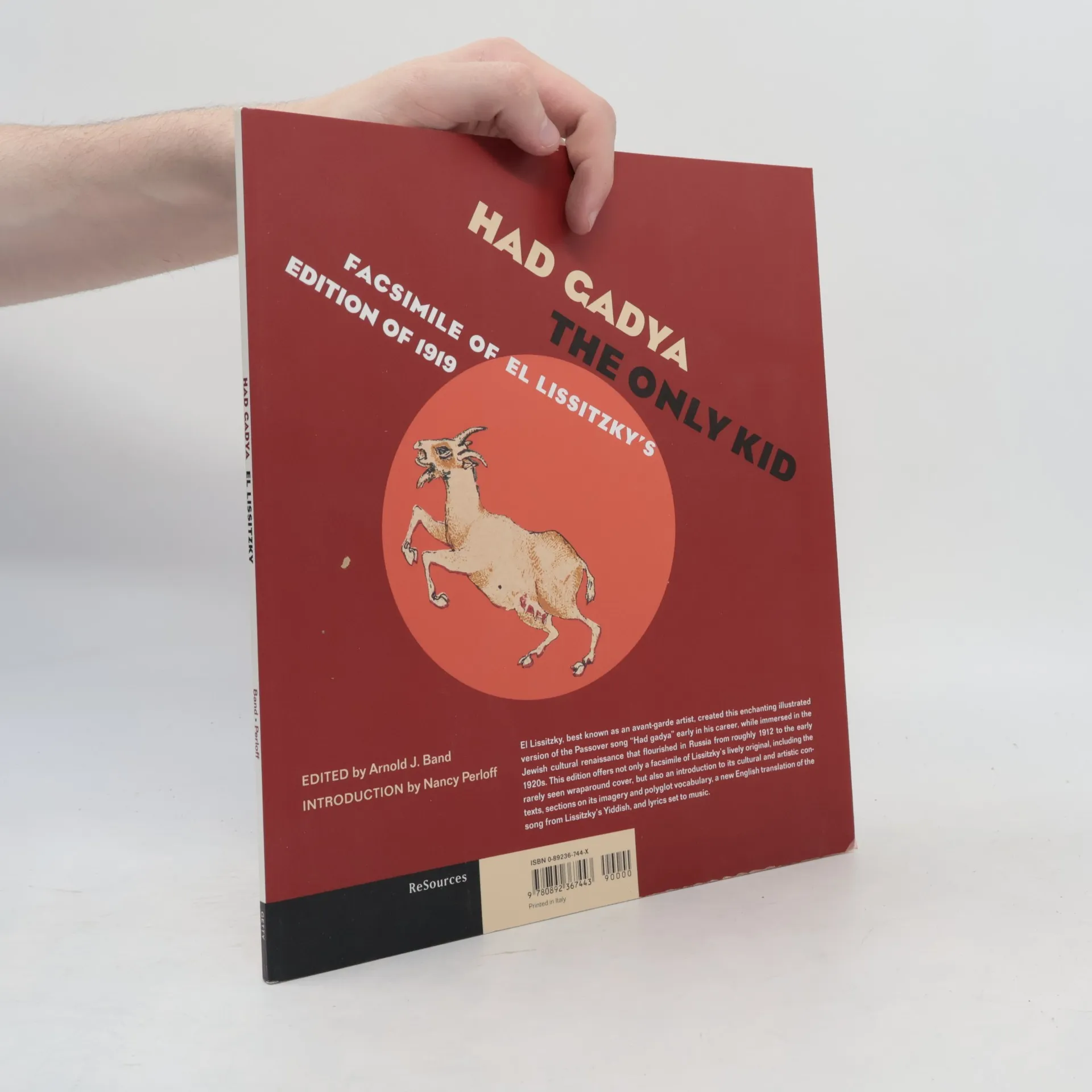
The Only Kid: Facsimile of El Lissitzky's Edition of 1919
42 pages
2 hours of reading
This illustrated version of the popular Passover song "Had gadya" was the wonderfully playful offspring of the avant-garde artist El Lissitzky (1890-1941). It dates to a little-known period early in his career when he immersed himself in the Jewish cultural renaissance that flourished inRussia from roughly 1912 to the early 1920s. Signed with his Hebrew given name, this volume-with its wraparound cover, colorful lithographic montages, and stylized use of Yiddish and Aramaic words-celebrates Lissitzky's interest in Jewish folk traditions while looking forward to the dynamic graphicand typographic designs for which he is best remembered.This near-scale facsimile-including the rarely seen cover-allows readers to experience Lissitzky's Had gadya as originally envisioned. It is accompanied here by Nancy Perloff's discussion of the work's cultural and artistic contexts, Arnold J. Band's English translation of Lissitzky's Yiddishversion of the song, sections on Lissitzky's iconography and vocabulary, and lyrics set to music.
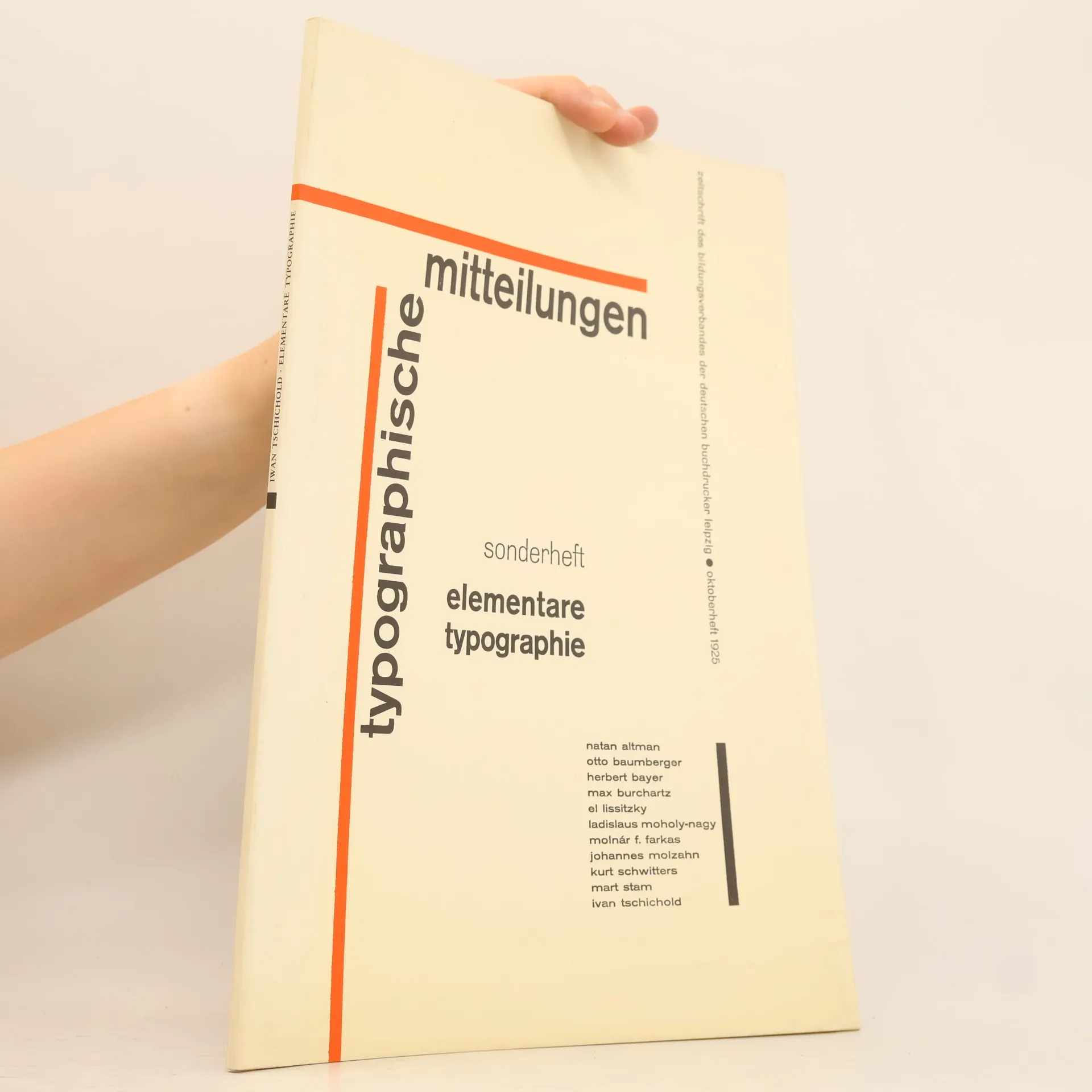
This book serves as an introduction to the key elements of good typographic design. Broken into sections covering the fundamentals of typography, the book features inspiring works by acclaimed typographic designers from across the world. Each section illustrates technical points and encourages readers to try out new ideas of their own. The subjects covered include typographic rebus, abstract form, overlapping, using grids, metaphoric construction and illumination. The result is an instantly accessible, jargon-free guide to typographic design using professional techniques
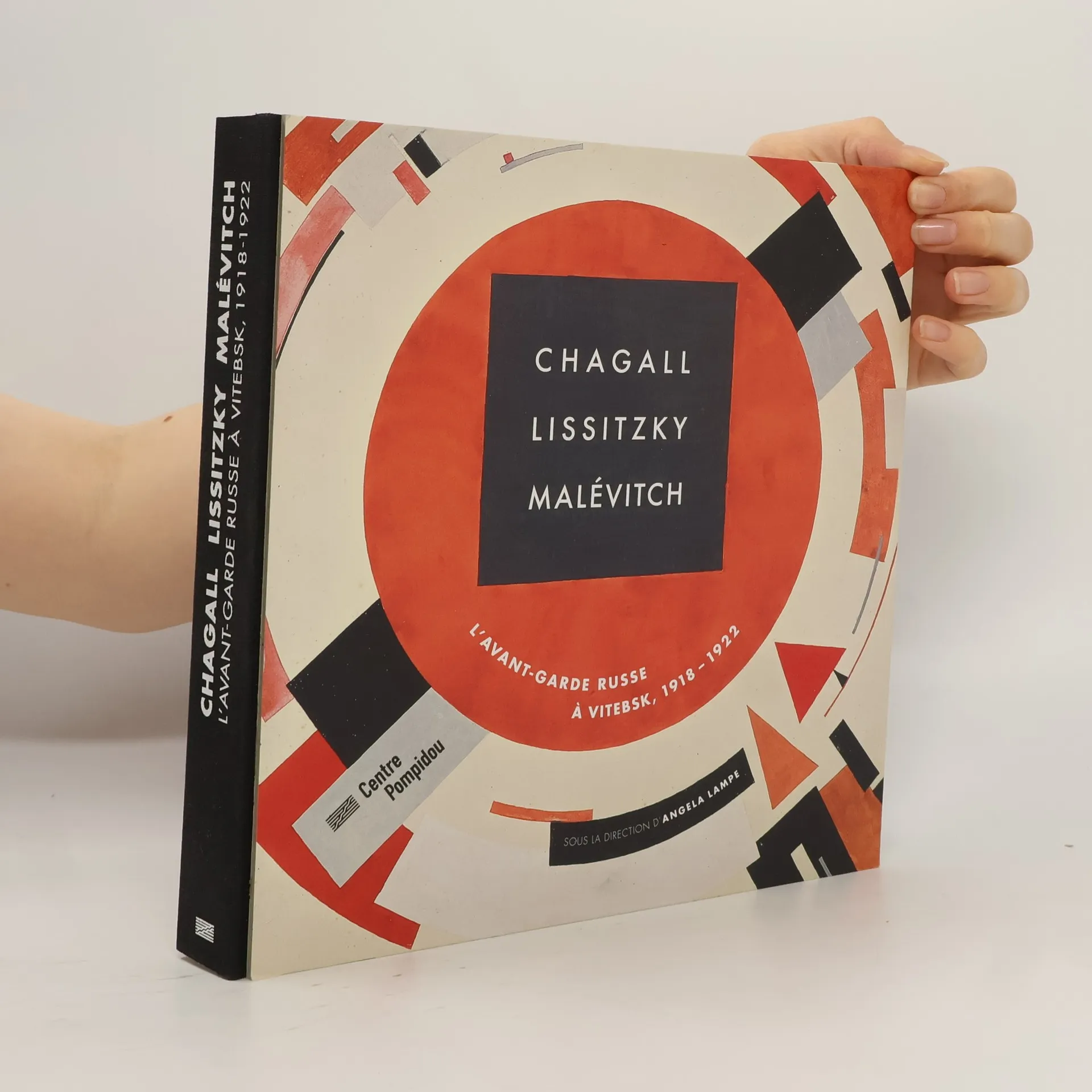
Avec obstination et autorité, en obéissant à la voix intérieure de notre conscience, nous proposons et imposons nos idées et nos formes, les idées et les formes du nouvel art révolutionnaire. Nous avons le courage de penser que l'avenir nous appartient. Marc Chagall. A travers près de 300 illustrations, cette publication explore un chapitre méconnu de l'histoire de l'avant-garde russe : la rencontre de Marc Chagall avec les protagonistes de l'art abstrait El Lissitzky et Kazimir Malévitch, autour du projet d'une Ecole populaire d'art fondée par Chagall dans sa ville natale, Vitebsk. Chacun des trois artistes élabore à sa façon, aux côtés des étudiants, un art nouveau - un art révolutionnaire. Une anthologie de textes inédits et une chronologie détaillée complètent l'ouvrage.
Fotografie, Design, Kooperation This german edition explores both the political and aesthetic aspects of Lissitzky's late multimedia work, from his designs for the Abstract Cabinet to his death in 1941.