

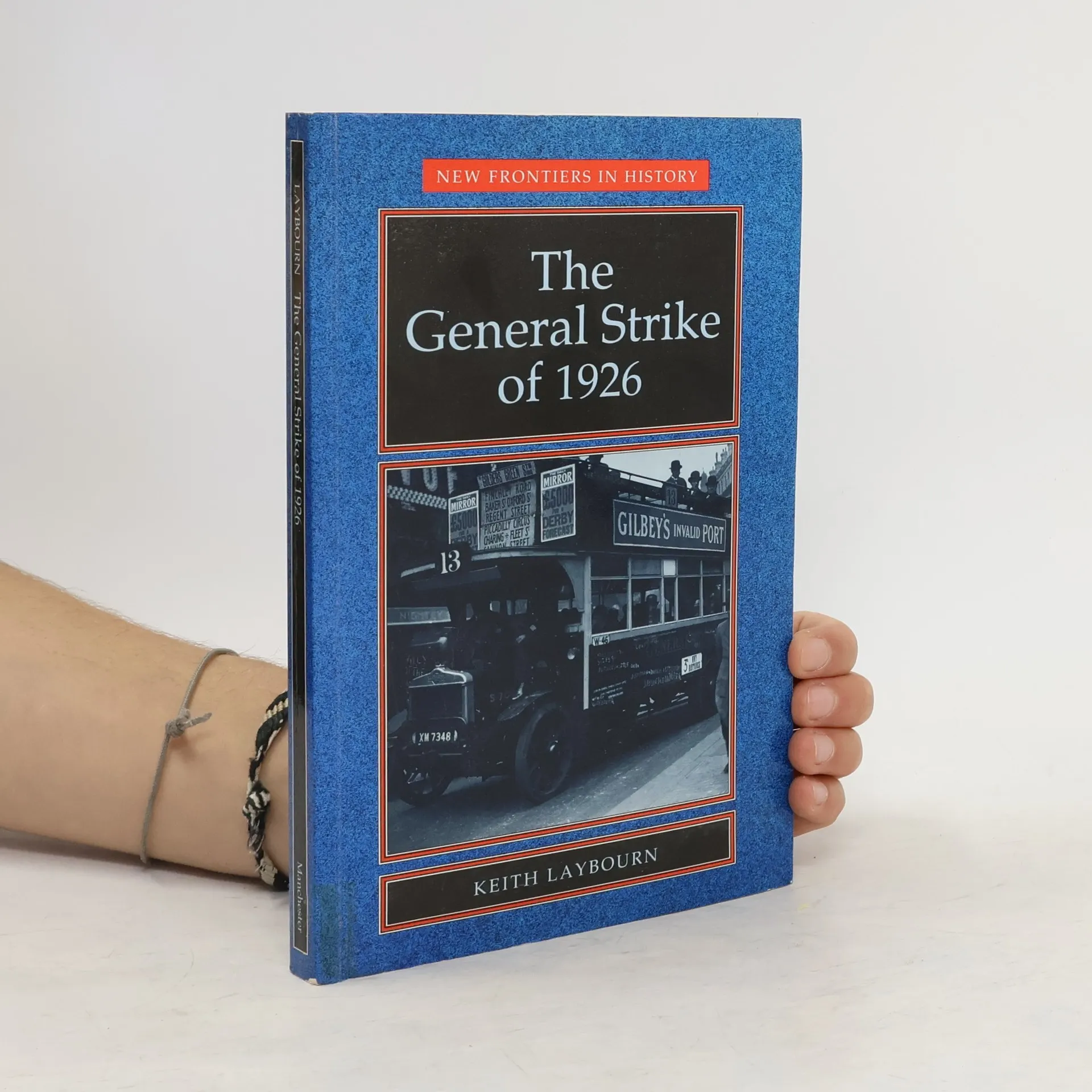
Examines the reasons for the General Strike and its significance for British society, focusing on events such as "Black Friday" and on the constitutional issues raised. The book argues that the strike was inevitable but asserts that it was not the disaster that it is often presented as being.
Keith Laybourn Books

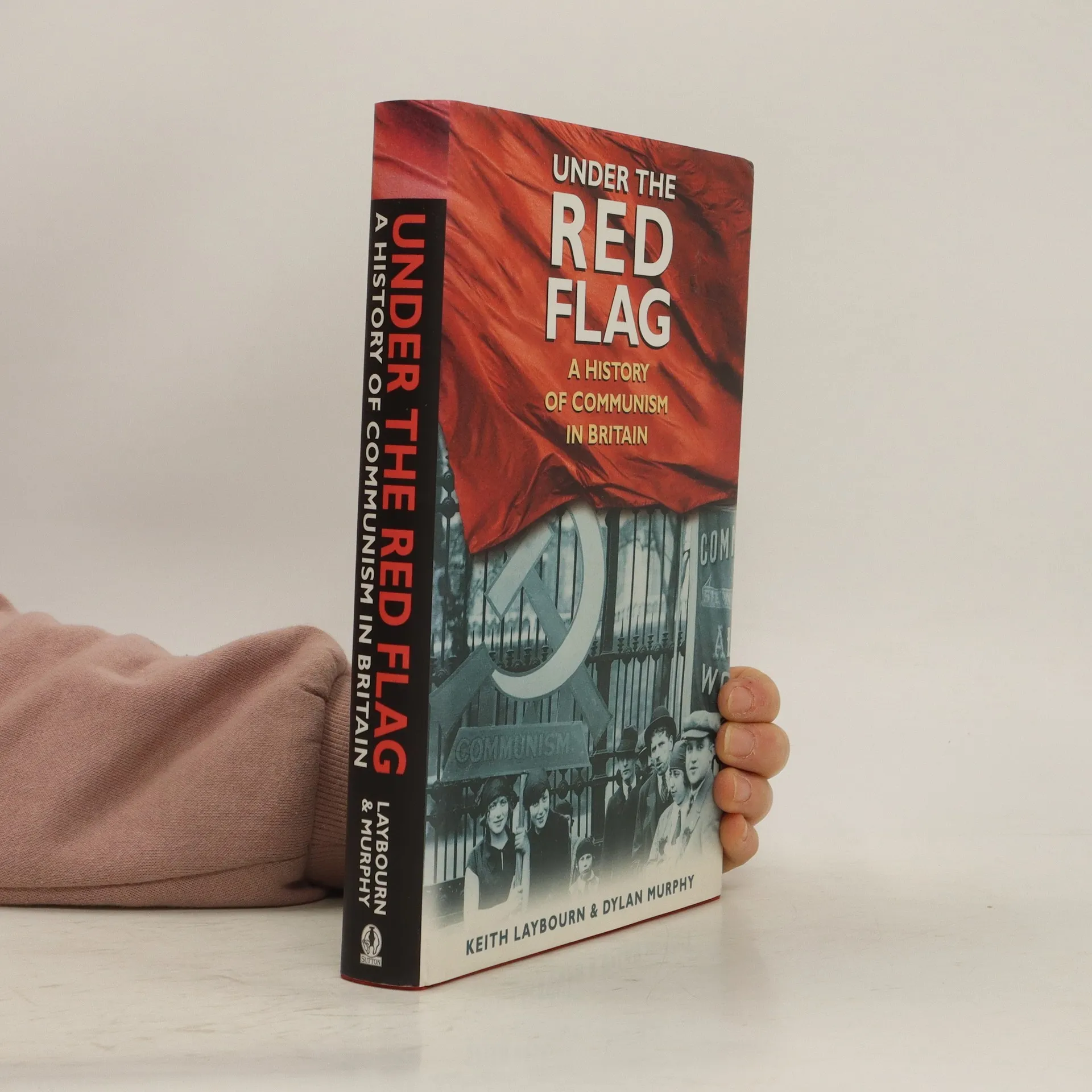
Under the Red Flag
- 233 pages
- 9 hours of reading
Under The Red Flag : A History Of Communism In Britain
The Independent Labour Party, 1914-1939
The Political and Cultural History of a Socialist Party
- 260 pages
- 10 hours of reading
Focusing on the Independent Labour Party (ILP), this book explores its significant yet often overlooked role in shaping the Labour movement in early twentieth-century Britain. The ILP contributed key figures, including Ramsay MacDonald, and played a crucial part in promoting parliamentary socialism. However, internal divisions during the First World War and the Labour Party's shift towards socialism in 1918 diminished the ILP's influence, marking its decline as the primary socialist entity in British politics.
The Football Pools and the British Working Class
A Political, Social and Cultural History
- 236 pages
- 9 hours of reading
The book explores the politics and culture surrounding gambling on football pools in Britain, marking the first comprehensive national study on the subject. It delves into how these betting practices have influenced societal attitudes and behaviors, providing insights into the intersection of sports and gambling culture.