

Explore the latest books of this year!
Bookbot

Gina Rippon

    Gina Rippon is a professor of cognitive neuroimaging who challenges traditional notions of male versus female brain differences. Through research employing advanced brain imaging techniques, she investigates how biological factors minimally influence brain distinctions. Her work demonstrates that sociocultural influences play a pivotal role in shaping cognitive processes. Rippon has fundamentally contributed to understanding neuroplasticity, debunking the myth of an innately different 'female brain.'

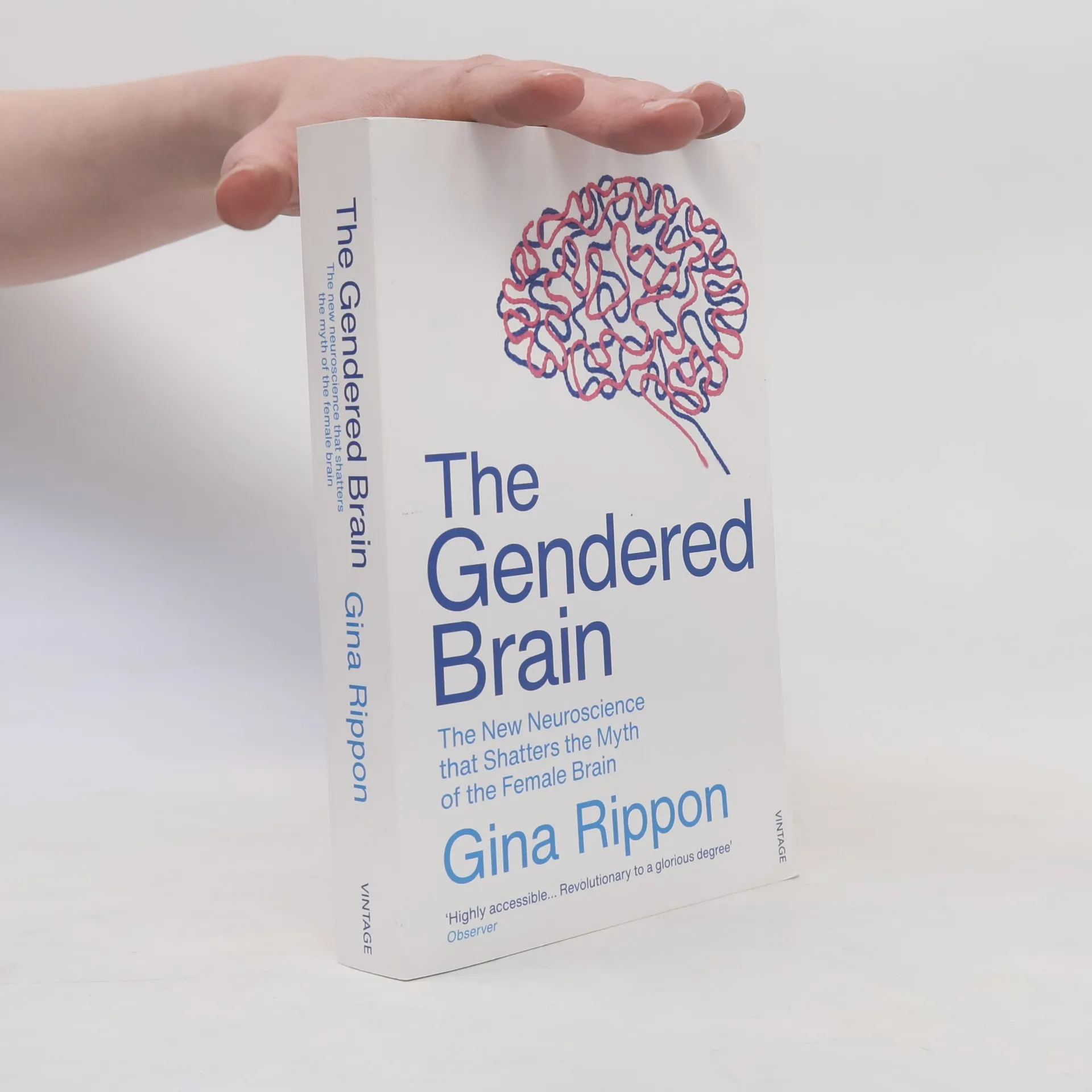
    The Gendered Brain
    The Lost Girls of Autism
    • The Lost Girls of Autism

      The New Science of Neurodiversity in Women and Girls

      • 352 pages
      • 13 hours of reading

      Focusing on the often-overlooked neurodiversity in women and girls, this groundbreaking exploration examines the reasons behind the global neglect of this vital issue. It delves into the unique experiences and challenges faced by neurodiverse females, shedding light on societal perceptions and the need for greater awareness and understanding. Through scientific research and analysis, the book aims to raise awareness and advocate for recognition and support for neurodiverse women and girls.

      The Lost Girls of Autism2025
      3.8
    • The Gendered Brain

      • 448 pages
      • 16 hours of reading

      Barbie or Lego? Reading maps or reading emotions? Do you have a female brain or a male brain? Or is that the wrong question? On a daily basis we face deeply ingrained beliefs that our sex determines our skills and preferences, from toys and colours to career choice and salaries. But what does this mean for our thoughts, decisions and behaviour? Using the latest cutting-edge neuroscience, Gina Rippon unpacks the stereotypes that bombard us from our earliest moments and shows how these messages mould our ideas of ourselves and even shape our brains. Rigorous, timely and liberating, The Gendered Brainhas huge repercussions for women and men, for parents and children, and for how we identify ourselves. 'Highly accessible... Revolutionary to a glorious degree' Observer

      The Gendered Brain2019
      3.9