Essays on Conrad
- 230 pages
- 9 hours of reading
A landmark collection of Ian Watt's essays on Joseph Conrad.


Ian Watt was a distinguished literary critic and historian whose work profoundly explored the genesis of the modern novel. His seminal study investigates how the philosophical, economic, and social currents of the early 18th century shaped the emergence of this new literary form. By analyzing key authors, Watt illuminated the rise of literary realism and its deep connections to the era's prevailing conditions. His scholarship remains a foundational contribution to understanding the novel's historical trajectory and development.



A landmark collection of Ian Watt's essays on Joseph Conrad.
Faust, Don Quixote, Don Juan, Robinson Crusoe
The book explores the four major mythic figures of Faust, Don Juan, Don Quixote, and Robinson Crusoe, examining their origins and the impact they have had on modern literature and society. Through this analysis, Ian Watt highlights how these characters embody cultural ideals and conflicts, shaping narratives and themes that continue to resonate today. The study offers insights into the interplay between myth and reality, revealing the lasting significance of these figures in contemporary thought.
The book explores the evolution of individualism through the figures of Faust, Don Quixote, Don Juan, and Robinson Crusoe, highlighting their representations in the sixteenth to eighteenth centuries. Initially portrayed negatively—punished or mocked—these characters reflect societal repression of individualism. In contrast, the Romantic period reimagines them as heroic. Crusoe symbolizes a shift in attitudes, embodying new religious and social values. The analysis reveals themes of solitude, narcissism, and the tension between self and society, emphasizing the characters' self-centeredness and their relationships with devoted male servants.
"The Rise of the Novel is Ian Watt's classic description of the interworkings of social conditions, changing attitudes, and literary practices during the period when the novel emerged as the dominant literary form of the individualist era. Erudite, yet gracefully written and often amusing, Watt's study examines the nature of the novel audience, the role of the book trade, and the changing structure of society at large."--BOOK JACKET.
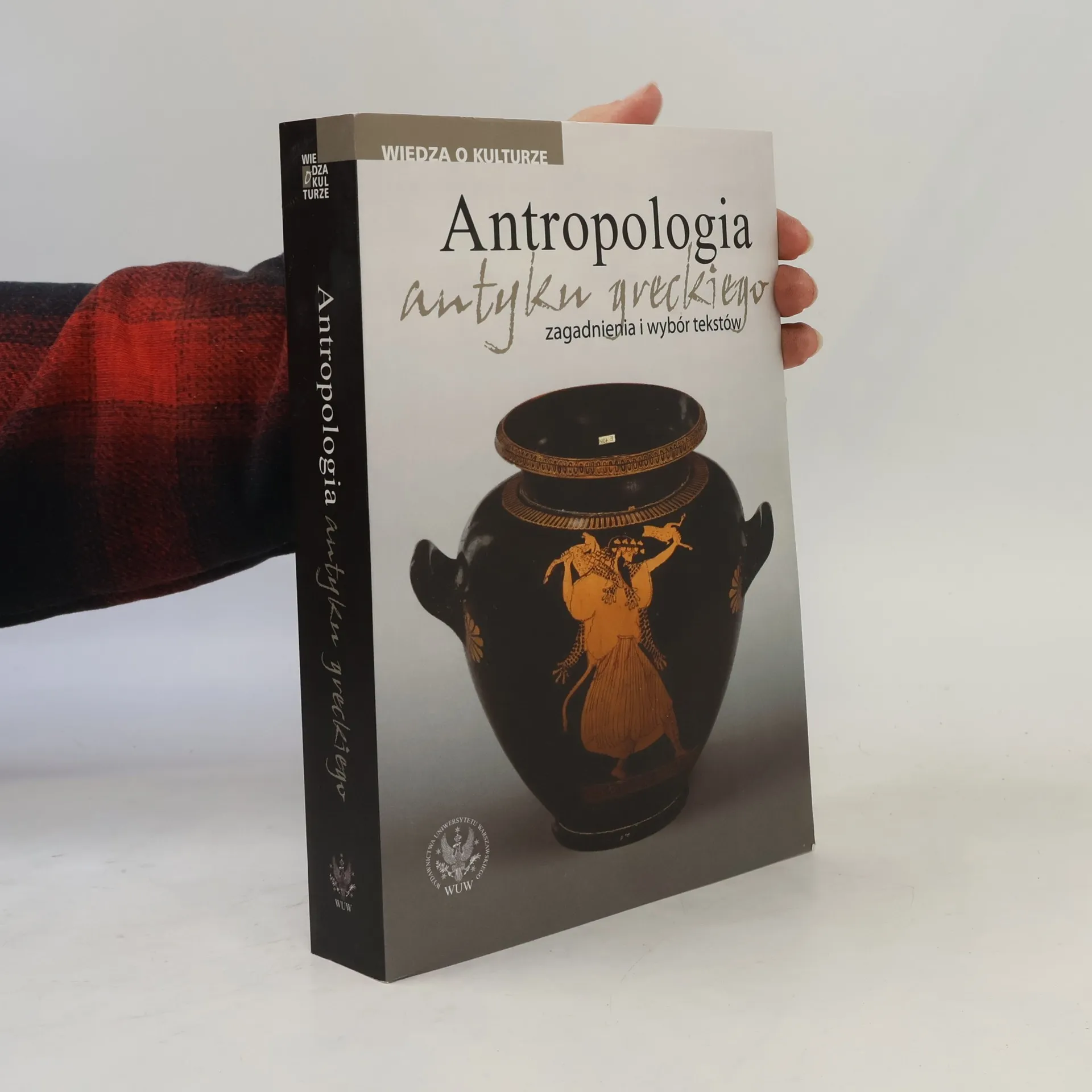
W książce znajdzie Czytelnik teksty historyków starożytności i filologów klasycznych, które łączy przekonanie, że współczesne badanie kultury starożytnej Grecji nie może poprzestawać na filologicznej analizie dzieł literackich lub historycznej rekonstrukcji instytucji, lecz powinno dążyć do zrozumienia całości zachowań i wyobrażeń człowieka greckiego. Chodzi zatem o nowe podejście do kultury antycznej, które wykorzystuje doświadczenia antropologii i stawia źródłom pytania: - o tożsamość Greków i podstawowe kategorie ich kultury; - o charakterystykę greckiej polis jako szczególnej formy organizacji społecznej i racjonalności; - o mit i rytuał oraz miejsce religii w świecie polis; - o społeczno-kulturowe konteksty twórczości poetyckiej i plastycznej; - o seksualność człowieka greckiego; - o zrytualizowaną inicjację chłopców i dziewcząt w wieku dojrzewania. Większość zamieszczonych tekstów ukazuje się po raz pierwszy w przekładzie na język polski, a niektóre zostały napisane specjalnie dla potrzeb tego podręcznika. Każdy z rozdziałów obejmuje wielkie zagadnienia kultury greckiej opatrzone wstępem i bibliografią. Chociaż książka powstała z myślą o zapewnieniu niezbędnego materiału do pracy i dyskusji na studiach kulturoznawczych, historycznych i filologicznych, będzie również pasjonującą lekturą dla każdego zainteresowanego antycznymi źródłami kultury europejskiej.
