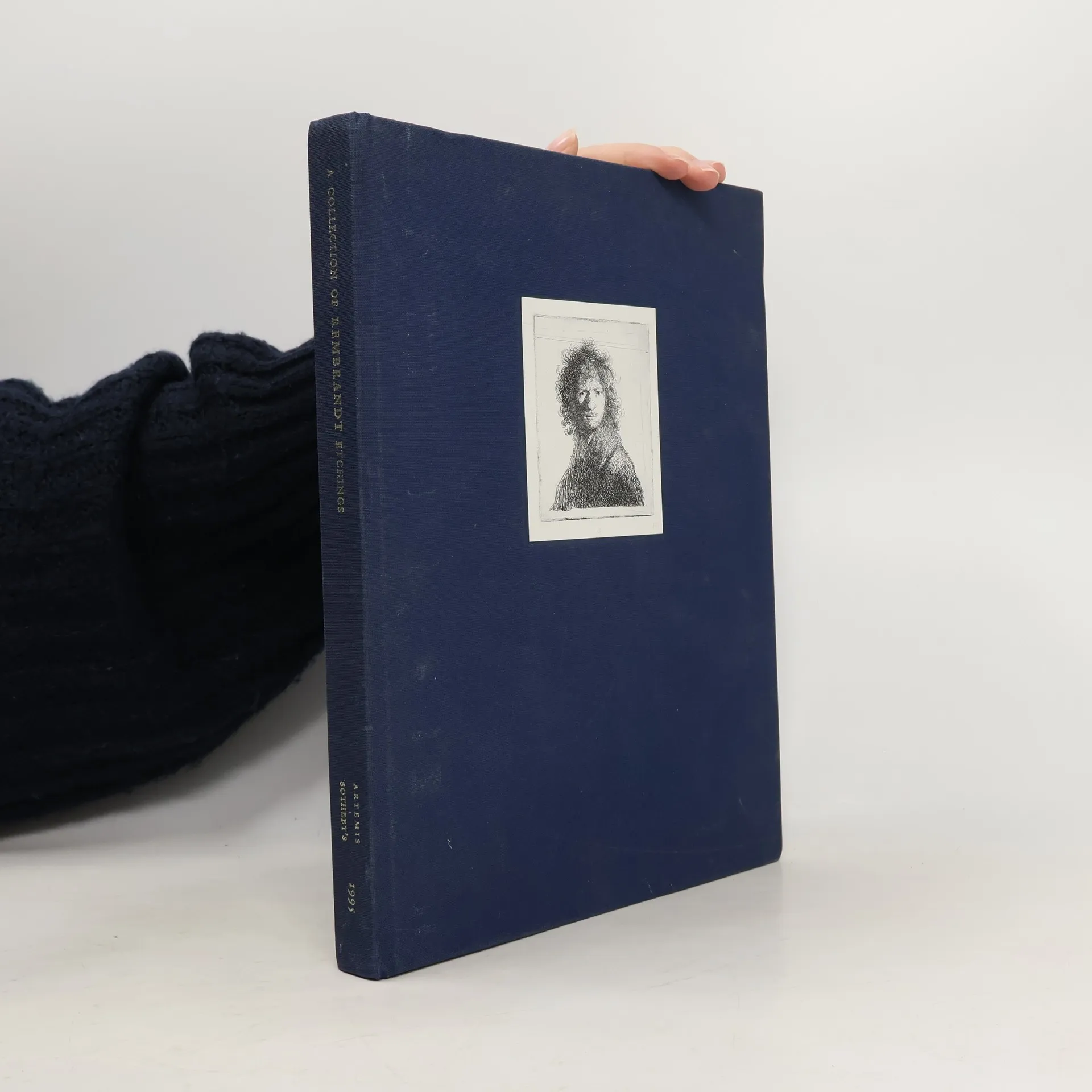
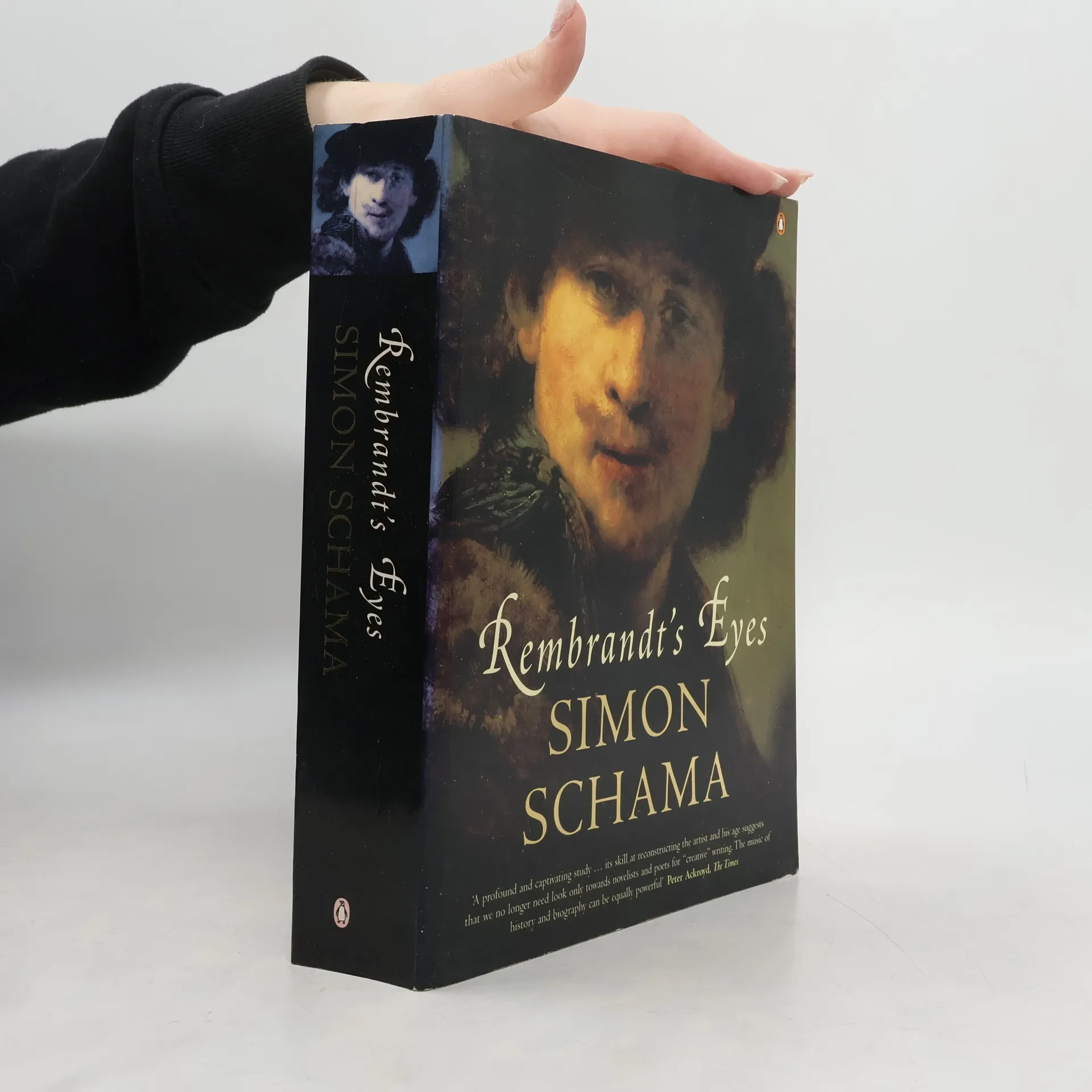
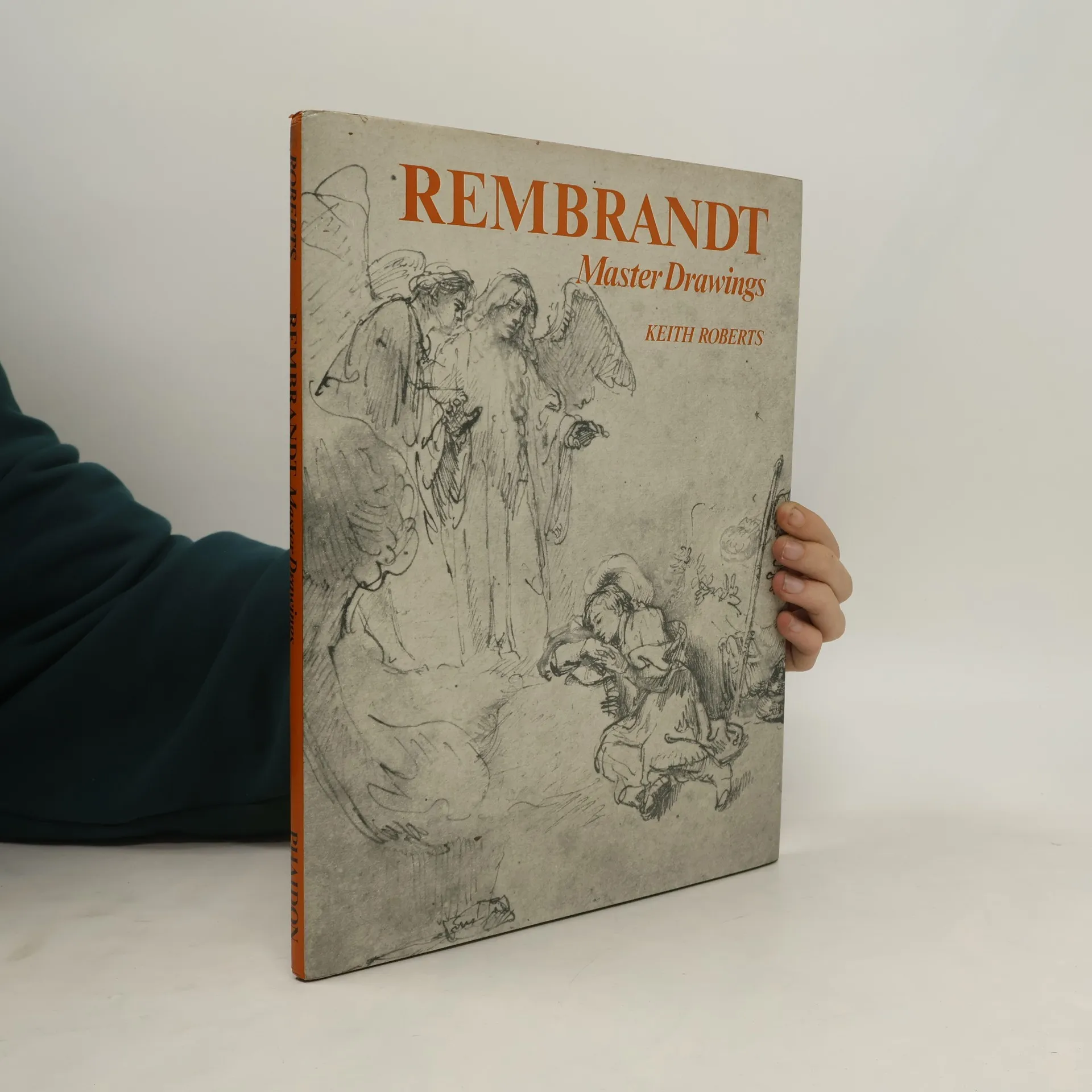
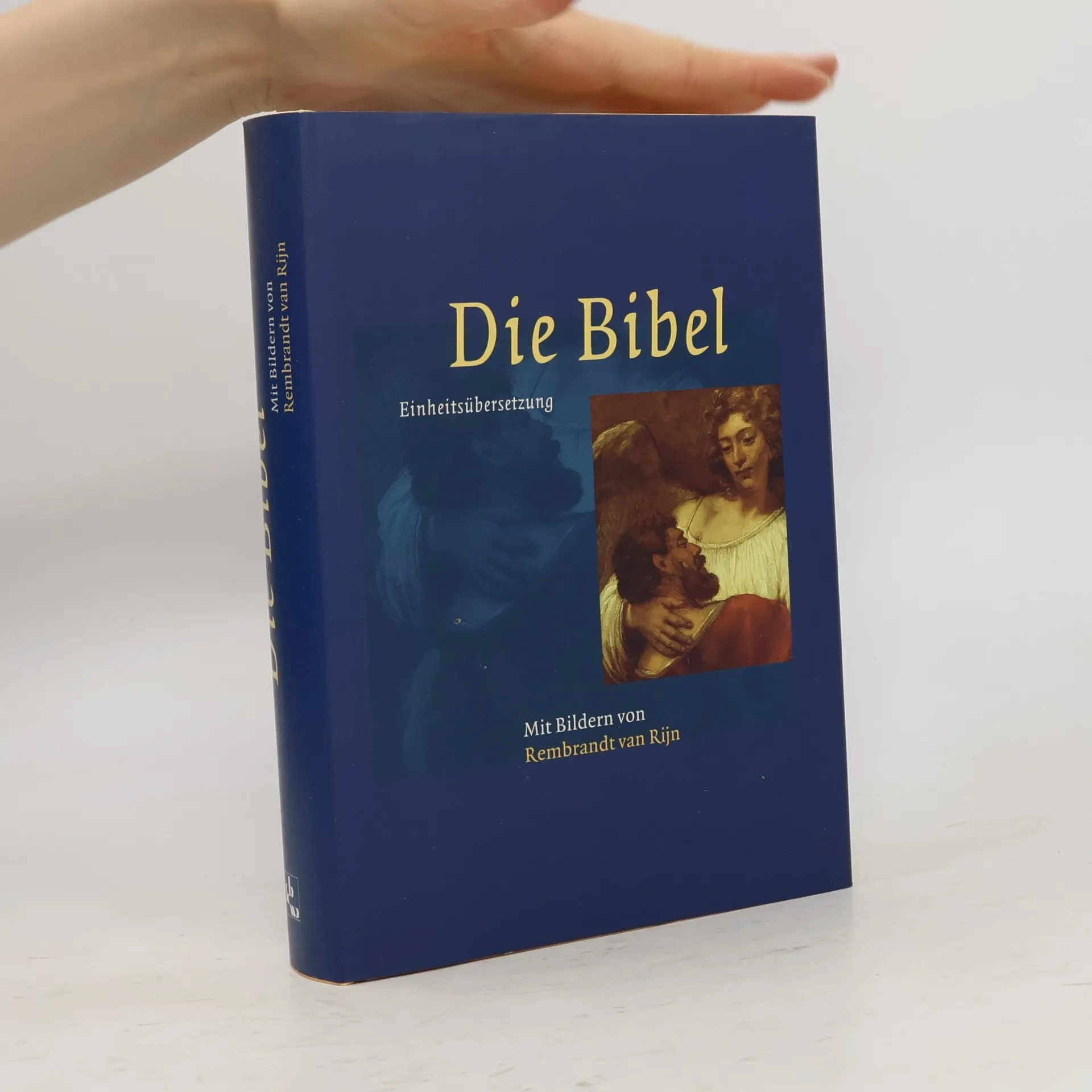
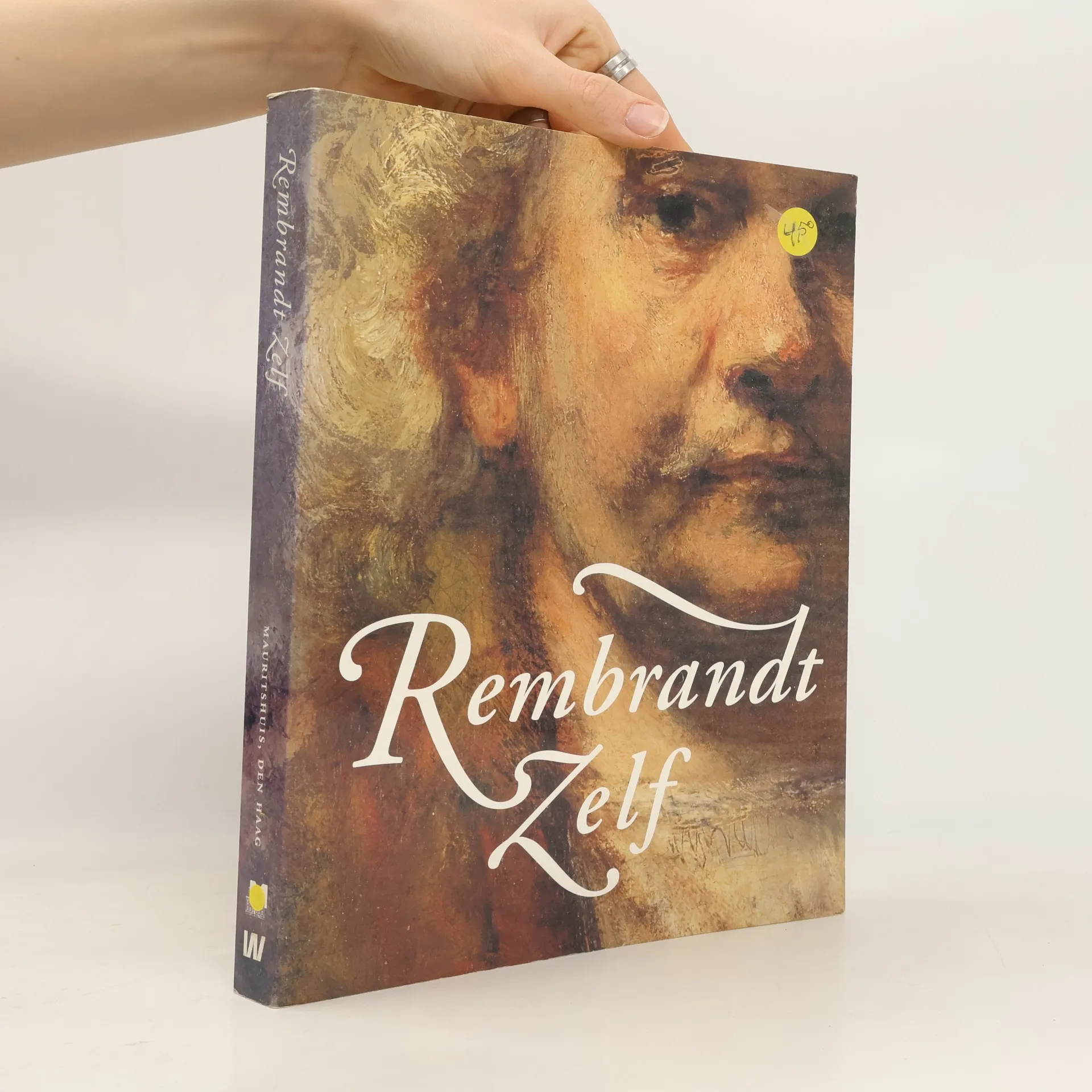
Rembrandt Harmenszoon van Rijn, a Dutch painter and etcher, is celebrated as one of the greatest artists in European art history. His work, emerging during the Dutch Golden Age, is distinguished by a profound understanding of classical iconography, uniquely shaping it with personal experience and keen observation. Rembrandt's portraits of his contemporaries, his introspective self-portraits, and his dramatic biblical scenes showcase his empathy for the human condition and his ability to meld classical composition with his lived reality. His self-portraits, in particular, offer an intimate and sincere self-examination, creating a unique visual biography.
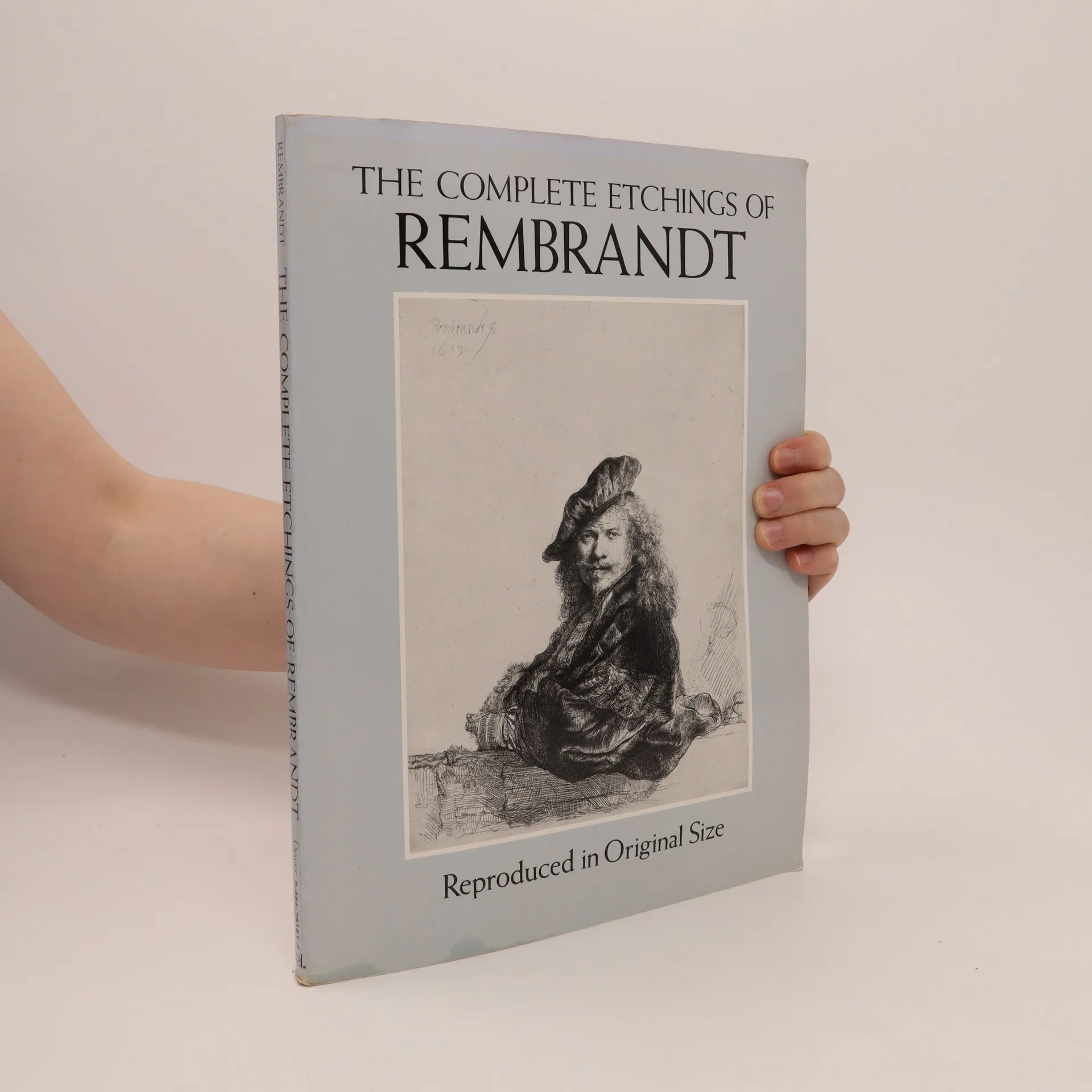
"Unabridged, slightly corrected republication of the verbal text of the work originally published in 1977 by Oresko Books Ltd., London, and Gary Schwartz, Maarssen, as Rembrandt: all the etchings reproduced in true size"--T.p. verso.
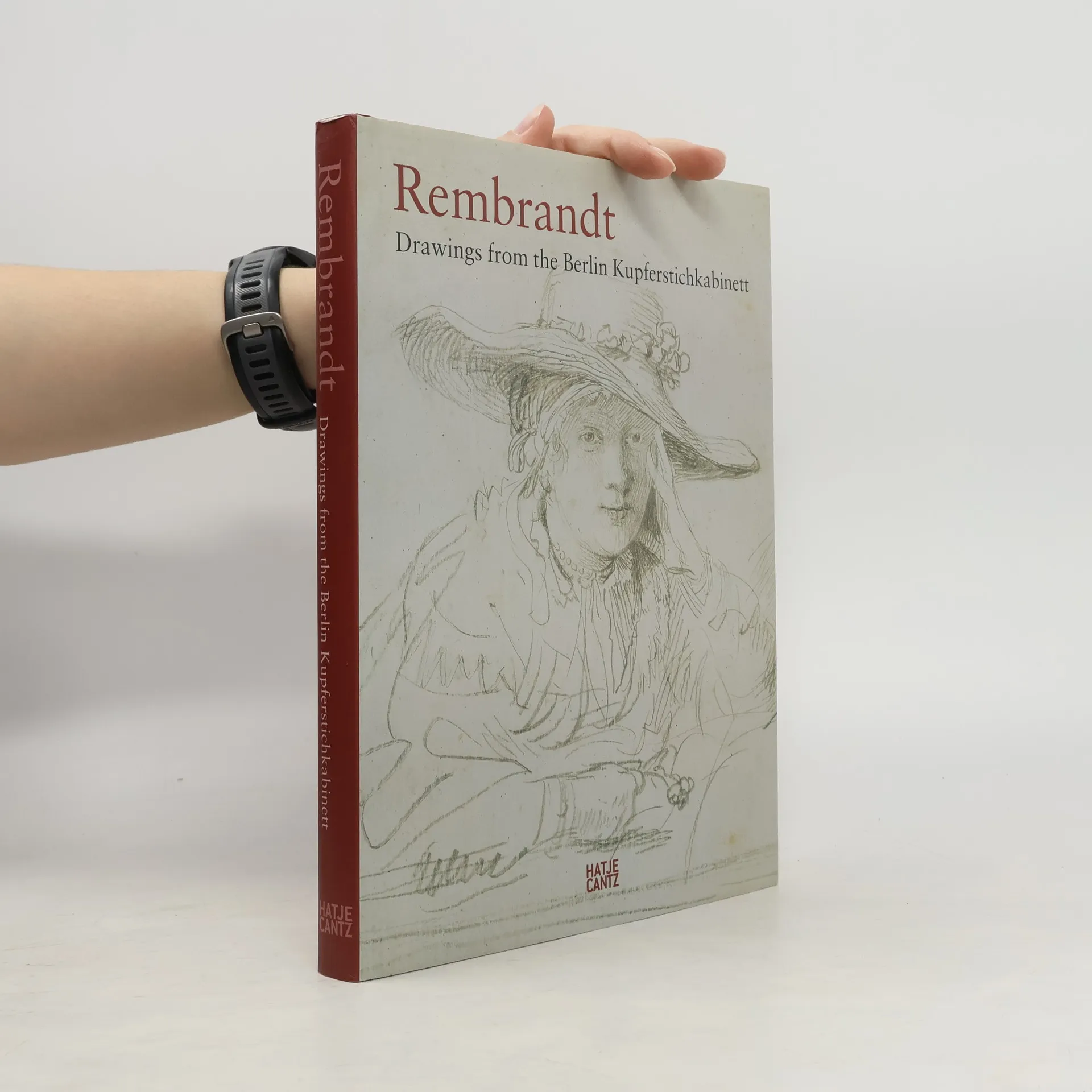
The Dutch master Rembrandt van Rijn (1606-1669) was one of the greatest draftsman of all time. Even small and quick sketches reveal his incomparable skill in capturing compositions, figures, groups, human gestures, facial expressions and landscapes with just a few strokes. Although some of Rembrandt's drawings served as preparatory studies for paintings and etchings, most are conceptual works in which he investigated motifs of movement and expression, recording ideas for his own works and those produced by pupils in his studio. Encompassing works from Rembrandt's entire career, this compact and exquisitely produced monograph presents the full spectrum of the genres and materials used in the drawings. In addition, recent scholarship has revealed that many drawings once attributed to Rembrandt were in fact done by his pupils. Of the 126 drawings in the important Berlin collection from which this volume draws its illustrations, only 55 are still considered original works by the master. Each of these is presented here within a scholarly text by Holm Bevers. As well, a selection of 25 drawings by Rembrandt's pupils is examined in light of the most recent research.
For Rembrandt, as for Shakespeare, all the world was indeed a stage, and he knew in exhaustive detail the tactics of its performance: the strutting and mincing, the wardrobe and face-paint, the full repertoire and gesture and gimace, the flutter of hands and the roll of the eyes, the belly-laugh and the half-stifled sob. He knew what it looked like to seduce, to intimidate, to wheedle and to console; to strike a pose or preach a sermon, to shake a fist or uncover a breast; and how to sin and how to atone. No artist had ever been so fascinated by the fashioning of personae, beginning with his own. No painter ever looked with such unsparing intelligence or such bottomless compassion at our entrances and our exits and the whole rowdy show in between.
This stunning volume features over five hundred illustrations of the most iconic works of Rembrandt. Accompanied by insightful commentary by art historian Adolf Rosenberg, this book is an essential resource for any lover of art.
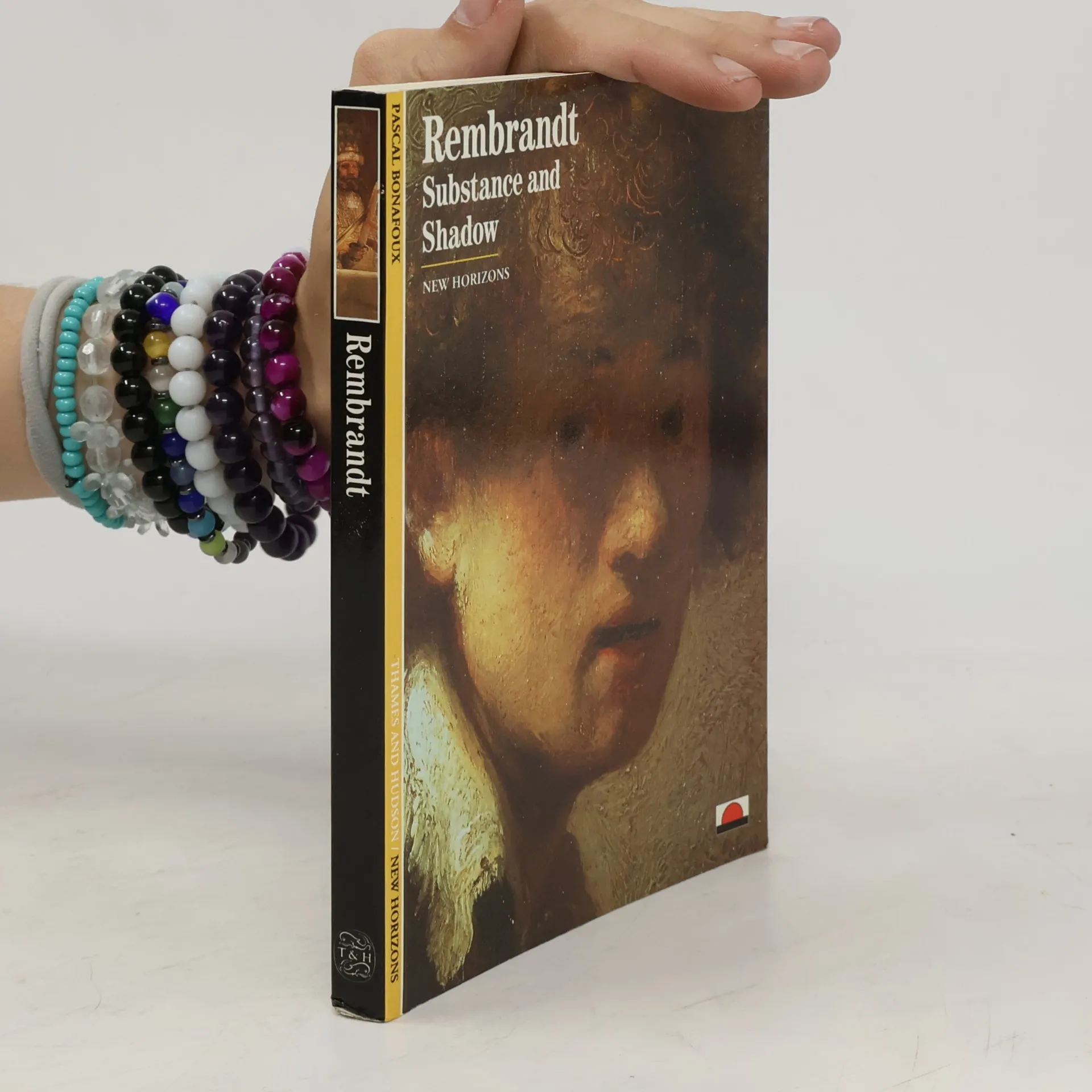
Supremely successful at the beginning of his life; lonely, bankrupt and virtually ignored at its end, Rembrandt produced some of the most powerful and psychologically penetrating works in the whole of world art. Poverty, illness, the deaths of his wife, children and devoted mistress - nothing deflected him from his inner vision and his unique handling of which would change the course of painting for ever.