Yale and Slavery
- 448 pages
- 16 hours of reading
A comprehensive look at how slavery and resistance to it have shaped Yale University


David W. Blight is a distinguished historian who delves into the intricate narratives of American history. His work profoundly examines the complex interplay between the Civil War and the Civil Rights era, exploring how the nation has grappled with its past. Blight's approach is noted for its meticulous detail and its capacity to illuminate the enduring impact of historical events on contemporary society. His scholarship sheds light on the ways collective memories are shaped and reshaped over time.


A comprehensive look at how slavery and resistance to it have shaped Yale University
A History of the United States, Brief Edition - Eleventh Edition
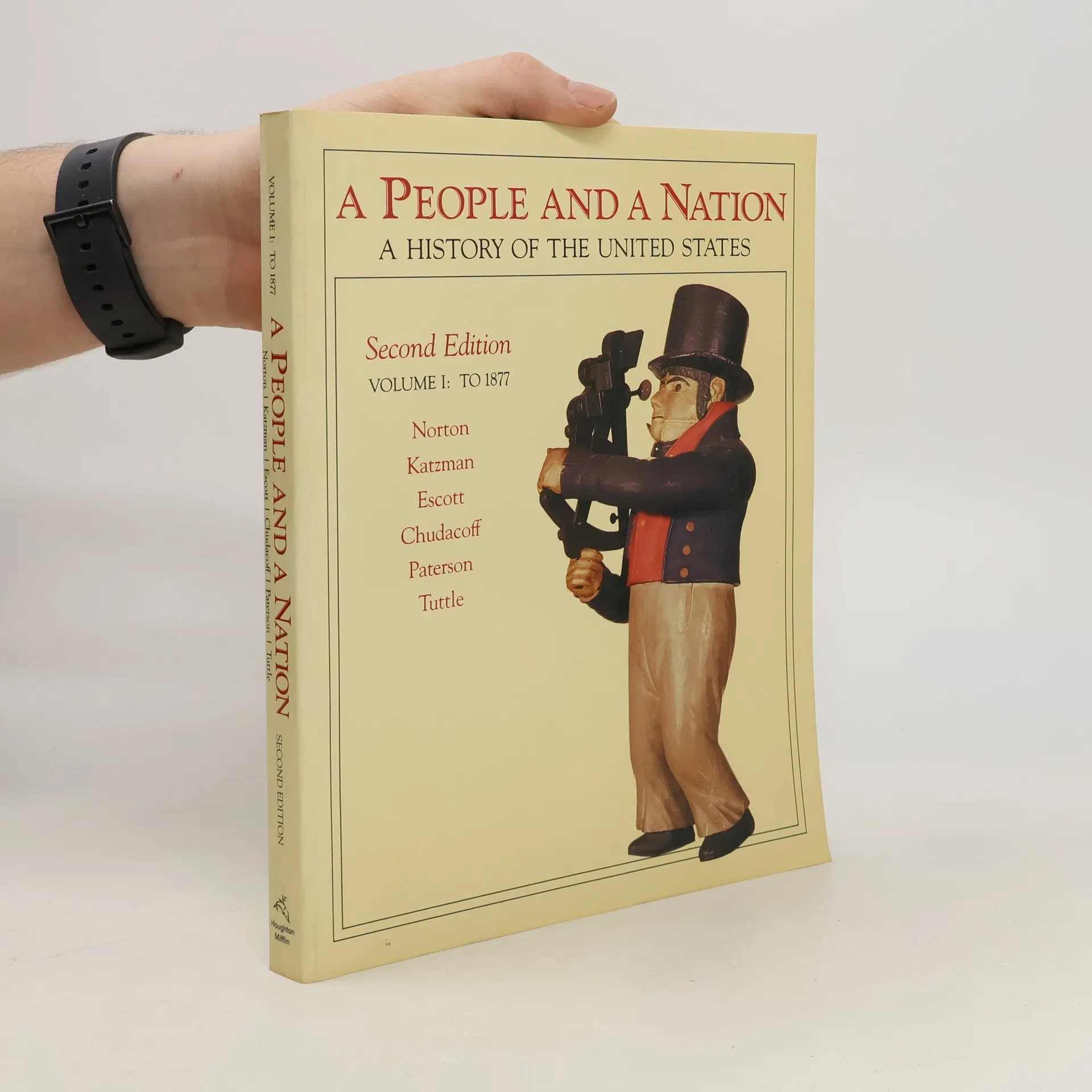
Follow history with a spirited narrative that tells the captivating stories of all people in the United States in Norton's best-selling A PEOPLE AND A A HISTORY OF THE UNITED STATES, BRIEF EDITION, 11E. Written by award-winning historians and acclaimed authors, this revised edition clearly depicts historic change -- from race, gender, economics and public policy to family life, popular culture, social movements, international relations and warfare. The first book to focus on U.S. social history, this edition now emphasizes the place of the U.S. in international history and the world. Streamlined chapters, new learning features and more than 90 maps support learning, while a new digital version and optional MindTap and Infuse digital resources help you envision what life was like in the past. This edition is available as a complete edition or split VOLUME TO 1877 (Chs. 1-14), and VOLUME SINCE 1865 (Chs. 14-29).
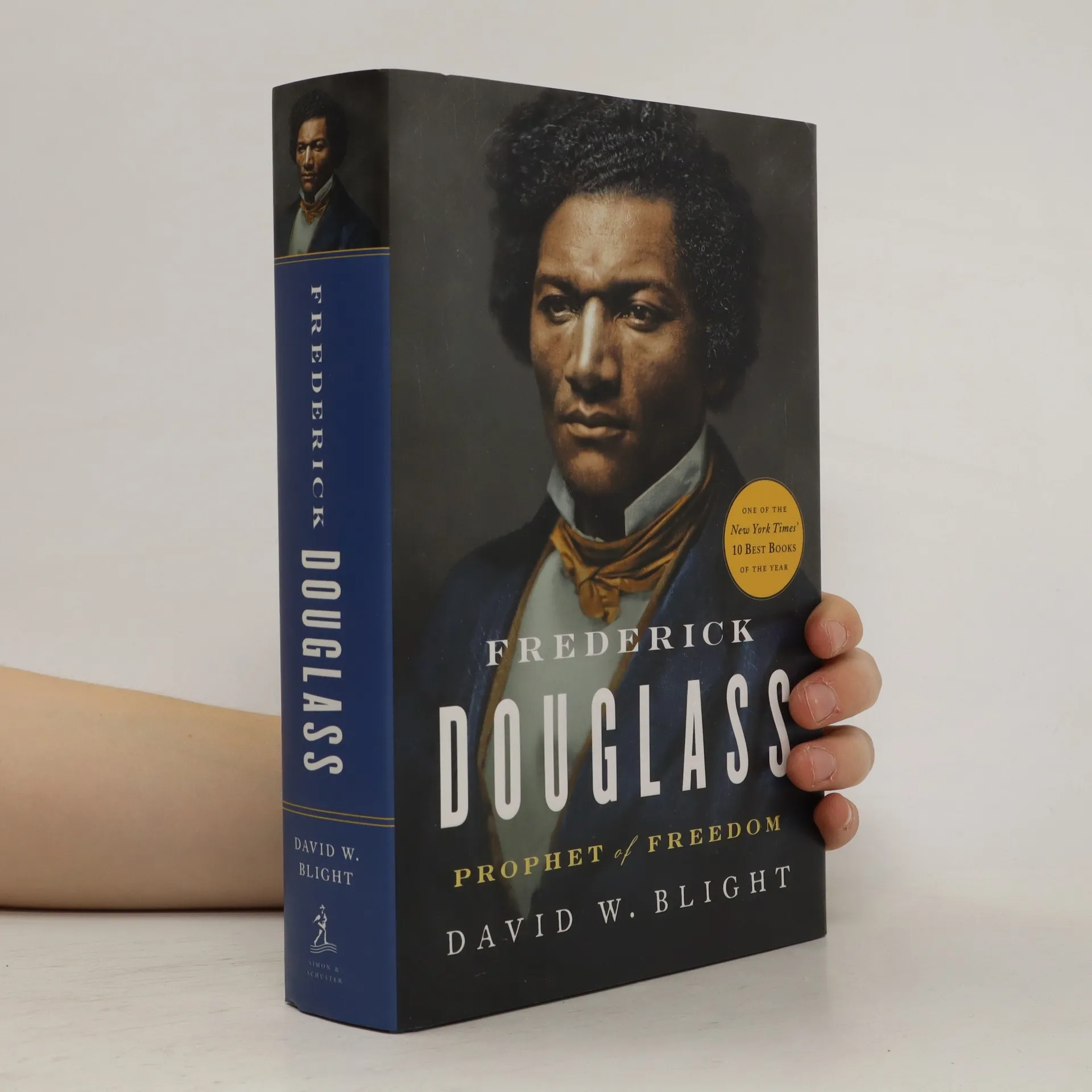
This dramatic biography chronicles the life of Frederick Douglass, the most significant African-American of the nineteenth century. Born into slavery in Baltimore in 1818, Douglass was fortunate to learn to read from his mistress, which paved the way for his emergence as a leading abolitionist and orator. Throughout his life, he authored three autobiographies and published his own newspaper, using his experiences to expose the horrors of slavery. Initially mentored by William Lloyd Garrison, Douglass captivated audiences with his powerful speeches, later evolving into a political abolitionist and supporter of the Republican Party and Abraham Lincoln. By the Civil War and Reconstruction, he had become the nation’s most renowned orator, vocally opposing the end of Reconstruction and the rise of Jim Crow laws. Douglass was a complex figure, critiquing the U.S. while remaining a radical patriot. He engaged in political debates with younger African-Americans but remained committed to civil rights. This biography by David Blight utilizes new sources, including private collections and Douglass's newspapers, to explore his two marriages and intricate family life. It presents Douglass not only as a master of words but also as a profound thinker influenced by Biblical theology, filling a significant gap in historical literature about this remarkable man.
"The Life and the Adventures of a Haunted Convict is a rare and original autobiography, a first-person account of a young black man's life as an indentured servant, a juvenile delinquent, and a prisoner in New York State in the mid-nineteenth century. Austin Reed was born a free man near Rochester, NY in the 1820s. As a young adult, he was sent to a juvenile reform school in Manhattan, where he learned to read and write. In the decades that followed, Reed would be repeatedly incarcerated for theft in a state prison in Auburn. It was there that he began to write this memoir, which explores America's first reformatory and first industrial prison from an inmate's point of view, and the great cruelties and kindnesses he experienced in those places, excavating patterns of racial segregation, exploitation, and bondage extending beyond the boundaries of the slaveholding South, into free New York. A work of uncommon, haunting beauty, this is a major historical document that transforms our understanding of nineteenth-century history and literature"--
This spirited narrative challenges students to think about the meaning of American history. Thoughtful inclusion of the lives of everyday people, cultural diversity, work, and popular culture preserves the text's basic approach to American history as a story of all the American people. The Seventh Edition maintains the emphasis on the unique social history of the United States and engages students through cutting-edge research and scholarship. New content includes expanded coverage of modern history (post-1945) with discussion of foreign relations, gender analysis, and race and racial relations.
In 1865, in the aftermath of civil war, the North and South of America began a slow process of reconciliation. This book examines the construction of a culture of reunion during the ensuing decades and analyzes how this unity was created through increasing racial segregation.
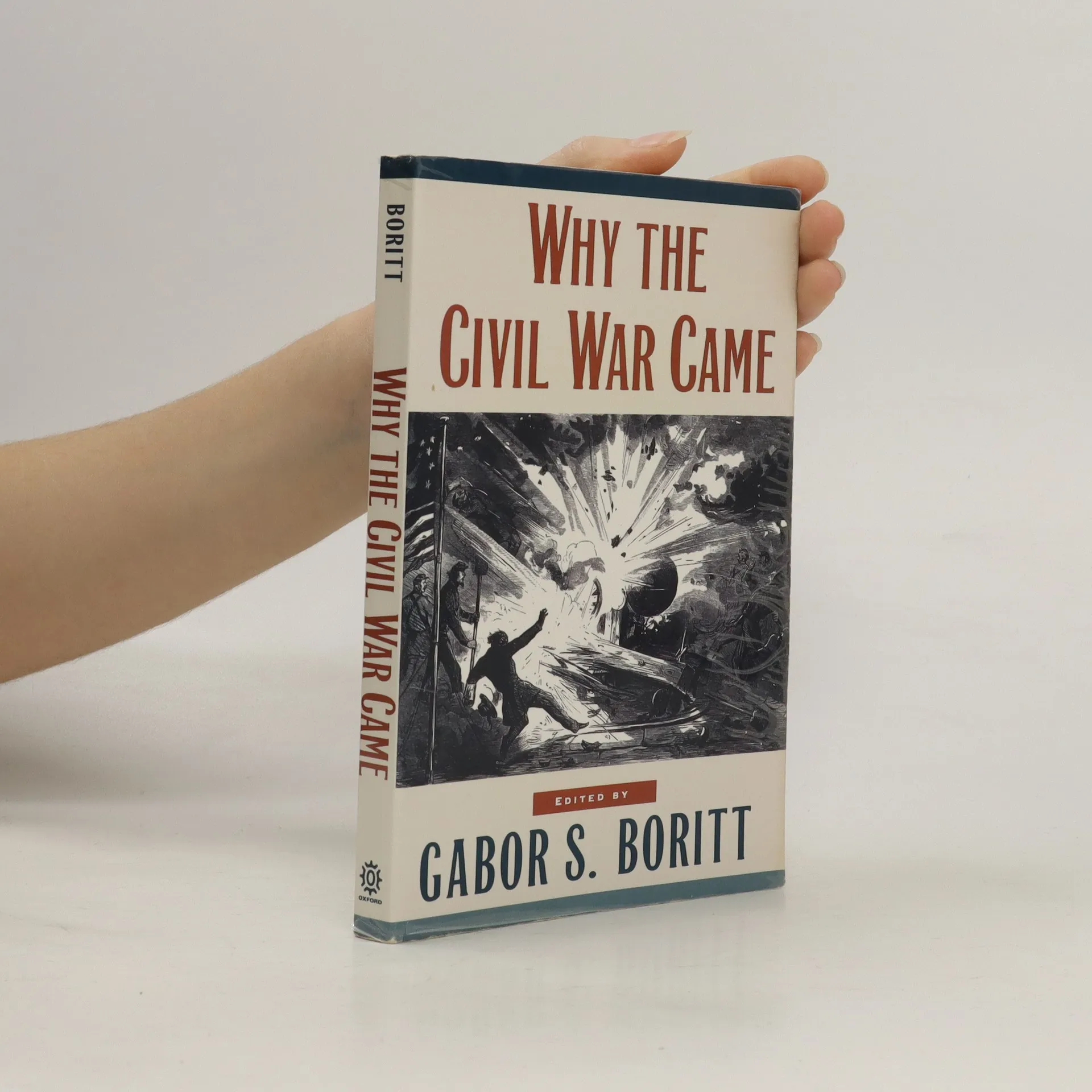
In the early morning of April 12, 1861, Captain George S. James ordered the bombardment of Fort Sumter, beginning a war that would last four years and claim many lives. This book brings together a collection of voices to help explain the commencement of Am.