Exploring the interconnectedness of a single koala's life with its ecosystem, this beautifully illustrated picture book emphasizes the importance of biodiversity. Created in collaboration with the Natural History Museum, it highlights how individual species contribute to the health of their environment, making a compelling case for conservation and the protection of wildlife.
Sarah Ridley Book order (chronological)
Sarah Ridley writes and edits educational books for children and young people. A lifelong interest in history has recently led her to write about the First World War, drawing inspiration from soldiers' letters. Her work often delves into personal narratives and family archives, as seen in stories that explore the discovery of materials within her own family's collections. Another focus explores correspondence between soldier brothers and their sisters, bringing to life the experiences of young people during wartime.



One Life, One Planet: One Blue Whale in Ten Thousand
- 32 pages
- 2 hours of reading
A beautiful picture book, produced in association with the Natural History Museum, that explores how the life of one blue whale is linked to countless others and why biodiversity matters
Explore the past and discover life in the ancient Egyptian city of Thebes with this time travel guidebook
One Life, One Planet: One Bee in Billions
- 32 pages
- 2 hours of reading
A beautiful picture book, produced in association with the Natural History Museum, that explores how the life of one bee is linked to countless others and why biodiversity matters
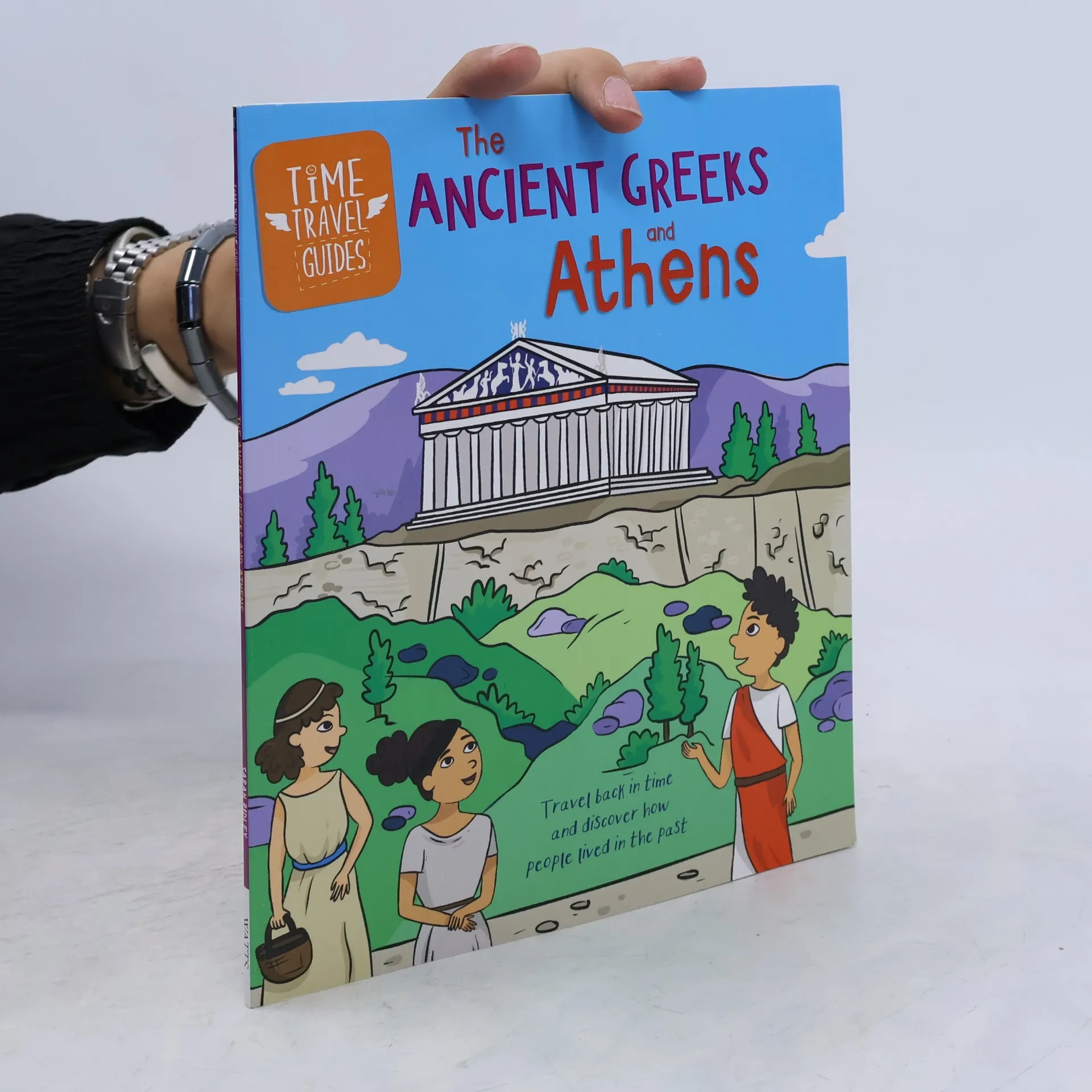
Time Travel Guides: Ancient Greeks and Athens
- 32 pages
- 2 hours of reading
Step back in time to discover life in the ancient Greek city-state of Athens with this handy time travel guidebook
One Life, One Planet: One Amur Tiger in Five Hundred
- 32 pages
- 2 hours of reading
A beautiful picture book, produced in association with the Natural History Museum, that explores how the life of one tiger is linked to countless others and why biodiversity matters
Explore Ecosystems: In a Tree
- 32 pages
- 2 hours of reading
Find out about the circle of life in the microhabitat of an oak tree
Explore Ecosystems: In a Pond
- 32 pages
- 2 hours of reading
Find out about the circle of life in Earth's amazing pond habitats
In the Animal Kingdom: Amphibians Live on Land and in Water
- 24 pages
- 1 hour of reading
A first classification series for young children looking at what defines a particular animal type
Explore Ecosystems: In an Ocean
- 32 pages
- 2 hours of reading
Find out about the circle of life in Earth's amazing ocean habitat
Meet the Minibeasts
- 64 pages
- 3 hours of reading
A brilliant and easy-to-understand guide to help young children discover the world of minibeasts
In the Animal Kingdom: Fish Live in Water
- 24 pages
- 1 hour of reading
A first classification series for young children looking at what defines a particular animal type
Explore Ecosystems: In a Rainforest
- 32 pages
- 2 hours of reading
Find out about the circle of life on Earth's amazing Amazon Rainforest habitat
Explore Ecosystems: In a Desert
- 32 pages
- 2 hours of reading
Find out about the circle of life on Earth's amazing Australian desert habitat
Explore Ecosystems: On a Savannah
- 32 pages
- 2 hours of reading
Find out about the circle of life on Earth's amazing savannah habitat
Seeds to Bread
- 24 pages
- 1 hour of reading
Bread is an everyday food, but do you know where it come from and how it ends up on the supermarket shelves? Follow the story of a loaf of bread, through wheat farming to the manufacturing process. Where food comes from is a series for young children helping them question where their food comes from. It uncovers the role of farmers and others and begins an exploration of food groups. Children studying science topics including how plants change over time and healthy eating will also find these books useful.
Follow the Food Chain: Who Ate the Penguin?
- 24 pages
- 1 hour of reading
Exploring food chains and food webs in a range of habitats
Beans to Chocolate
- 24 pages
- 1 hour of reading
Everyone loves chocolate, but do you know where it comes from and how it ends up on supermarket shelves? Follow the story of chocolate through the farming process to manufacturing.
The Insects that Run Our World: The Decomposers
- 24 pages
- 1 hour of reading
A series for young children that explains the vital importance of insects to our world
In the Animal Kingdom: Birds Have Feathers
- 24 pages
- 1 hour of reading
A first classification series for young children
In the Animal Kingdom: Invertebrates Have No Backbone
- 24 pages
- 1 hour of reading
A first classification series for young children looking at what defines a particular animal type
Follow the Food Chain: Who Ate the Snake?
- 24 pages
- 1 hour of reading
Exploring food chains and food webs in a range of habitats
In the Animal Kingdom: Reptiles Have Scaly Skin
- 24 pages
- 1 hour of reading
A first classification series for young children looking at what defines a particular animal type
The Insects that Run Our World: The Pollinators
- 24 pages
- 1 hour of reading
A series for young children that explains the vital importance of insects to our world
In the Animal Kingdom: Mammals Have Hair
- 24 pages
- 1 hour of reading
A first animal classification series for young children
Animal Babies: On the Farm
- 32 pages
- 2 hours of reading
A look at baby farm animals, exploring how their parents look after them, and how they learn, grow and thrive
Fair Trade First
- 48 pages
- 2 hours of reading
A look at why fair trade matters and how it makes a difference to lives all over the world
The Insects that Run Our World: The Predators and The Prey
- 24 pages
- 1 hour of reading
A series for young children that explains the vital importance of insects to our world
Animal Babies: In the Snow
- 32 pages
- 2 hours of reading
A look at baby animals in the snow, exploring how their parents look after them, and how they learn, grow and thrive
Me and My World: My Friends
- 32 pages
- 2 hours of reading
A series that helps young children navigate the tricky world of relationships at home, school and beyond
Animal Babies: In the Rainforest
- 32 pages
- 2 hours of reading
A look at baby animals from the rainforest, exploring how their parents look after them, and how they learn, grow and thrive
Me and My World: Being Safe
- 32 pages
- 2 hours of reading
A series that helps young children navigate the tricky world of relationships at home, school and beyond
Animal Babies: In the Ocean
- 32 pages
- 2 hours of reading
A look at baby animals from the ocean, exploring how their parents look after them, and how they learn, grow and thrive
The Insects that Run Our World: The Helpers and the Pests
- 24 pages
- 1 hour of reading
A series for young children that explains the vital importance of insects to our world
Vaccinated
- 32 pages
- 2 hours of reading
Find out what vaccines are, how they were invented and how they are developed today
Bee to Honey
- 24 pages
- 1 hour of reading
Honey is a tasty food, but do you know where it comes from and how it ends up on the supermarket shelves? Follow the story of honey from the worker bees visiting flowers, through what happens in the hive and the collection process to a jar in your cupboard! The simple text in this book is accompanied by large, attractive photographs.
Where Food Comes From: Blossom to Apple
- 24 pages
- 1 hour of reading
Apples are a tasty food, but do you know where they come from and how they end up on the supermarket shelves? Follow the story of an apple from the first pink buds on an apple tree, through the farming process to packing houses and eventually to your fruit bowl! The simple text in this book is accompanied by large, attractive photographs. Where food comes from is a series for young children, helping them question where their food comes from. It uncovers the role of farmers and others and begins an exploration of food groups. Children studying science topics including how plants change over time and healthy eating will also find these books useful.
Follow the Food Chain: Who Ate the Frog?
- 24 pages
- 1 hour of reading
Exploring food chains and food webs in a range of habitats
Follow the Food Chain: Who Ate the Butterfly?
- 24 pages
- 1 hour of reading
Exploring food chains and food webs in a range of habitats
Florence Nightingale
- 48 pages
- 2 hours of reading
Discover why Florence Nightingale is still remembered today, 200 years after her birth
Brothers at War - A First World War Family History
- 32 pages
- 2 hours of reading
11-year-old Eliza, with the help of her mother, investigates how the First World War affected her great-grandfather and his two brothers.