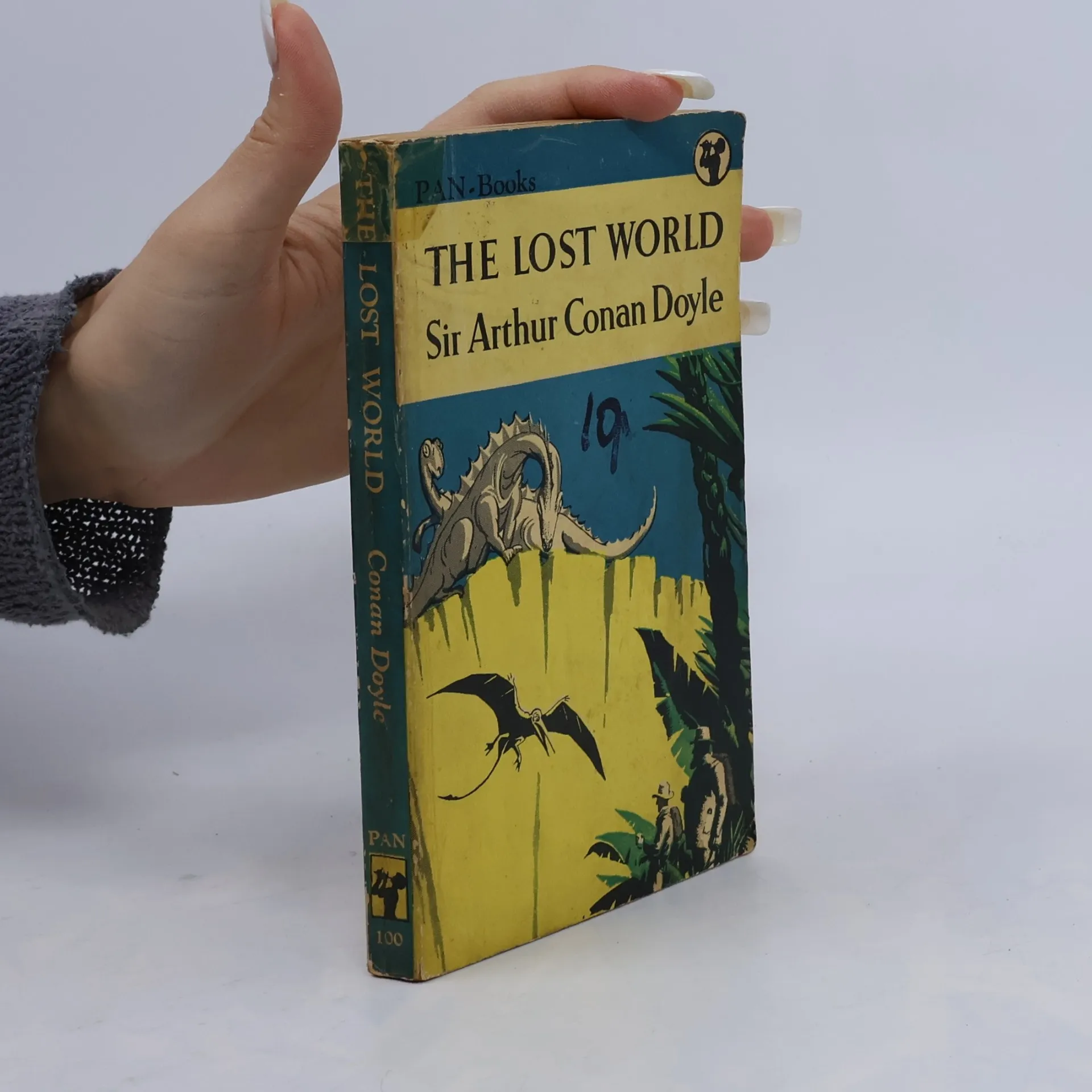
Macmillan Readers v úrovni Elementary můžete číst asi po jednom až dvou letech studia angličtiny. K porozumění vám postačí slovní zásoba 1 100 slov. Knihy mají 64 až 80 stran.věk 14+Ed Malone - mladý novinář se připojí k týmu průzkumníků, v čele s excentrickým profesorem Challengerem, který tvrdí, že našel ztracený svět…
Paul Cook Books


A virus created for biological warfare is overtaking humanity, threatening the very fabric of society as its victims are transported, by the emotional power of music, to a seductive dream world. Francis Lanier is one of the few ""stalkers"", a person who is immune to the virus and is able to travel through its dream world in order to rescue others. The book follows him through a series of adventures, as he becomes more embroiled in the politics surrounding the virus and its cure. This is Paul Cook's debut novel, hailed by critics as ""an imaginative thriller"" (Publishers Weekly) and ""readable and intriguing"" (The Reference Library)."About the AuthorPaul Cook worked at the Arizona State University as an acquisitions librarian for five years, much of his time was spent doing research in the Noble Science Library. He currently works in the English Department as a Senior Lecturer. He has written several novels, including TINTAGEL, THE ALEJANDRA VARIATIONS, and FORTRESS ON THE SUN.
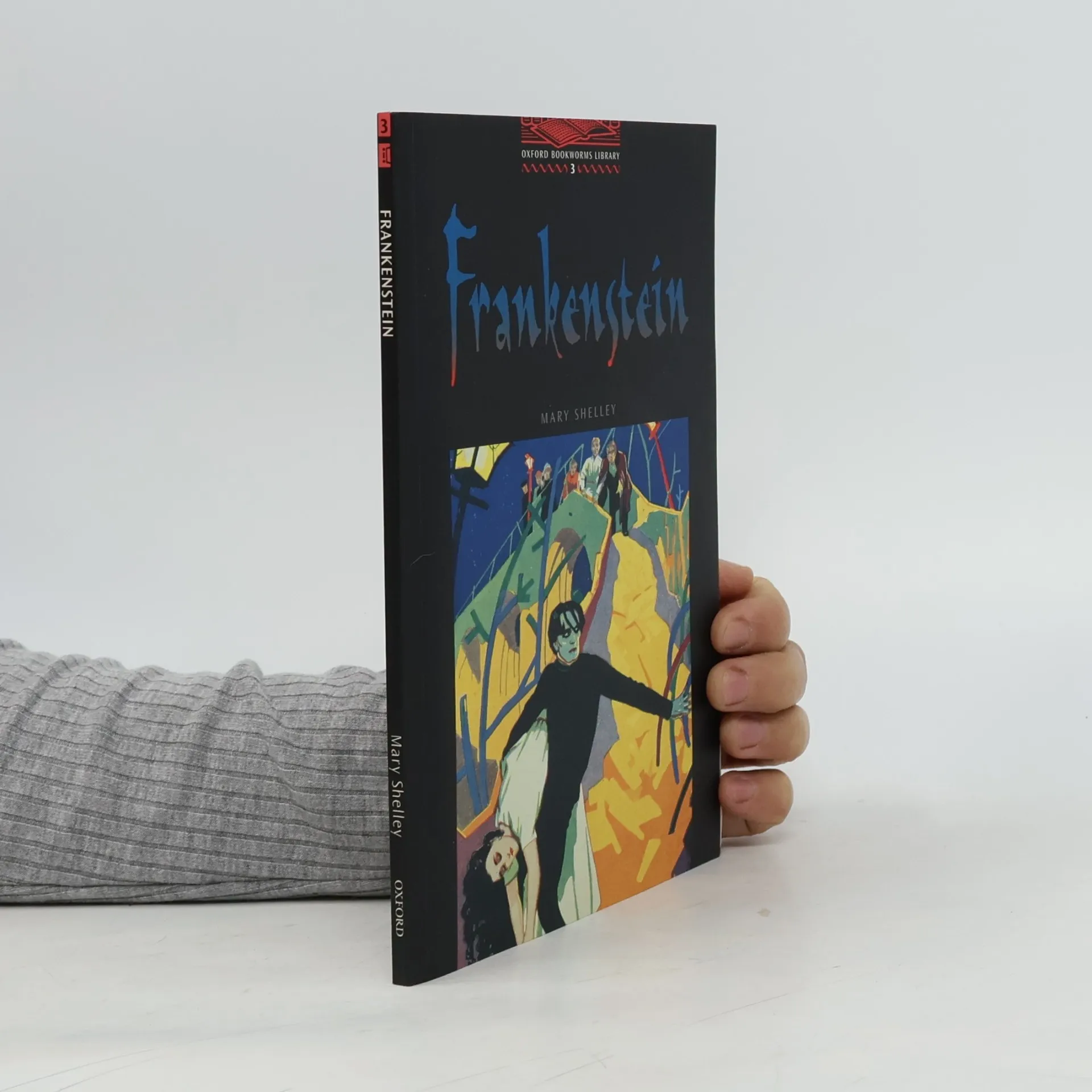
Frankenstein
- 80 pages
- 3 hours of reading
Victor Frankenstein thinks he has found the secret of lite. He takes parts from dead people and builds a new "man". But this monster is so big and frightening that everyone runs away from him - even Frankenstein himself ! The monster is like an enormous baby who needs love. But nobody gives him love, and soon he learns to hate. And, because he is so strong, the next thing he learns is how to kill...
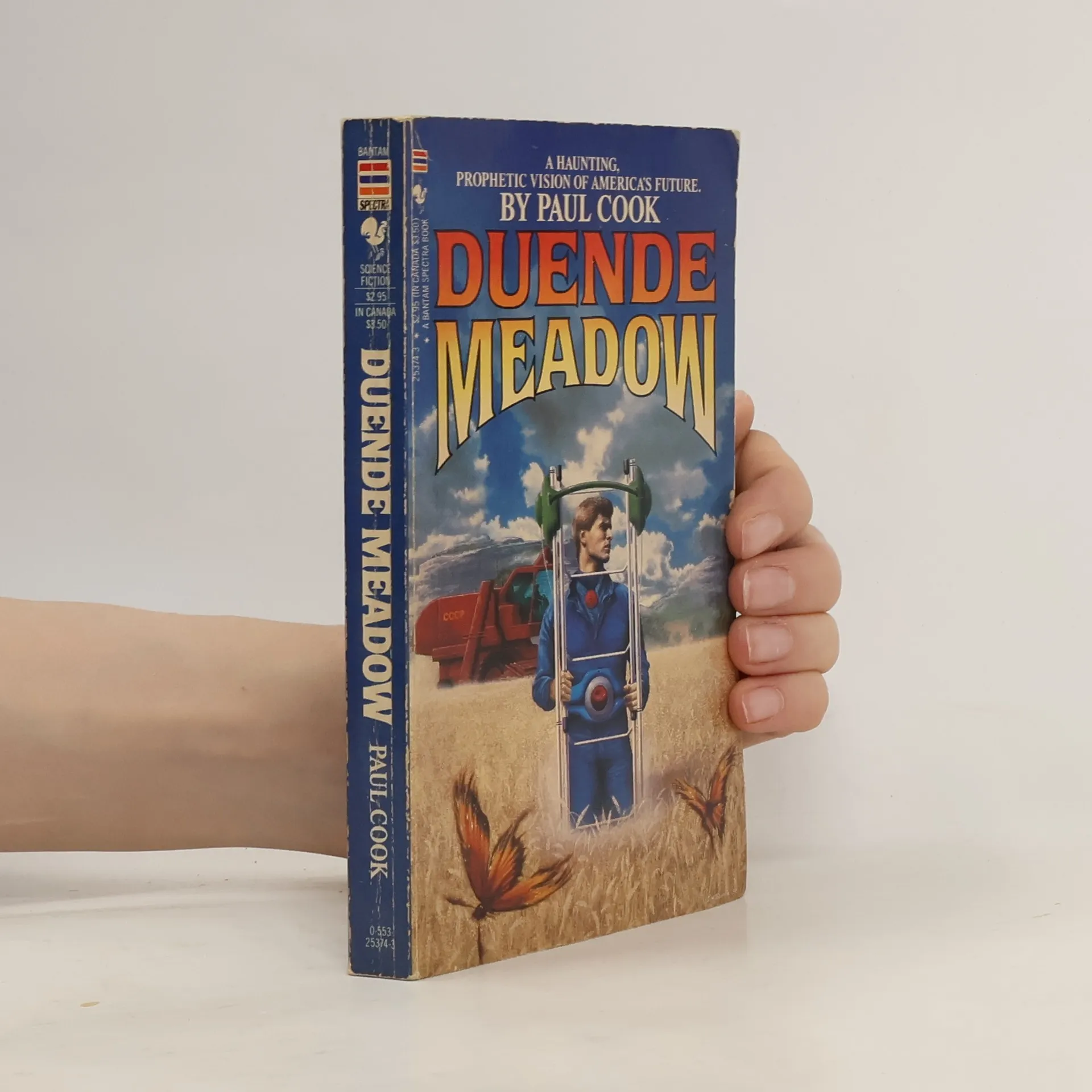
When the last great war came, a small group of survivors hid themselves below the fields of Kansas, living in a place of eternal twilight. *** Over time the energy surrounding the descendants of these survivors turned them into Duendes, ghost-like beings, never having seen real light or knowing anything of the conditions of the world beyond their underground enclosure. *** Six hundred years have passed since the war and now some Duendes want to leave the safety of their habitat and finally go 'above.' But what will they discover once they have emerged into the sunlight?
The Time Machine
- 63 pages
- 3 hours of reading
Classic / British English The Time Traveller has built a time machine and has gone into the future to the year 802,701. He expects to find a better world with highly-intelligent people and great inventions. Instead, he finds that people have become weak, child-like creatures. They dance and sing and wear flowers. They seem happy, but why are they so frightened of the dark? And who or what has taken his time machine? Will the Time Traveller ever be able to return to the present?
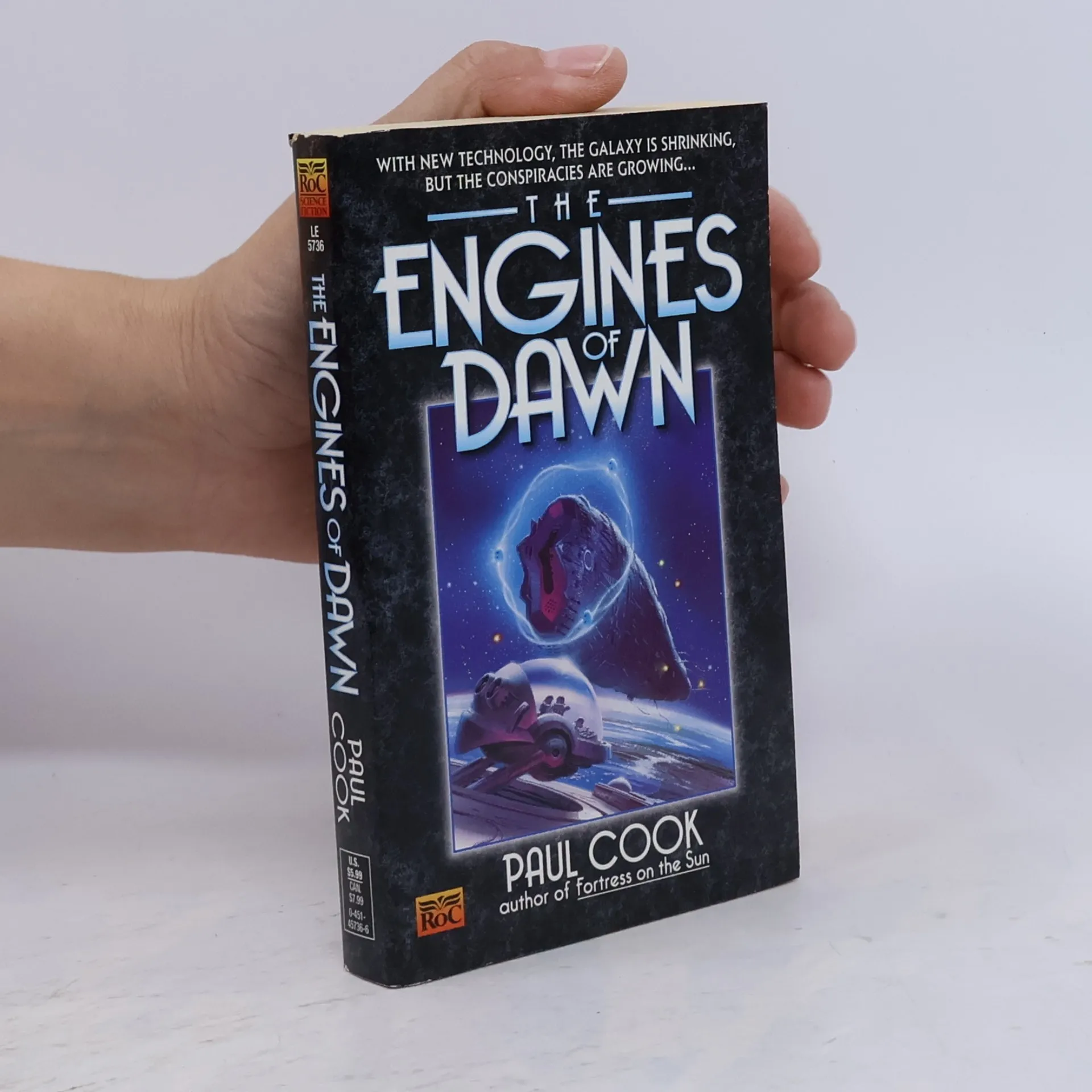
The Engines of Dawn
- 288 pages
- 11 hours of reading
Over hundreds of years, Earth's humans become dependent on the powers of the alien Enamorati to propel their starships, until a physicist and his students uncover the shocking secret of the aliens' technology and spark a revolt. Original.
The Rat King
- 426 pages
- 15 hours of reading
Under the city something waits in the dark. It feeds on waste, debris and weakness and casts an ink black reflection of the corruption in the Mayor's office. Fat Tony Marsland plans his Expo and ignores the coming pandemic whilst Jason, a powerless failure, deserted and almost broken, falls in love with Jenny. Jenny is a thief. In 1347 Jani Beg lays seige to the city of Caffa before commiting an act that will bring the black death to the rest of the world. You can't fight the Rat King, if you don't kill it you are it.
Der Rand des Mandala
- 382 pages
- 14 hours of reading