

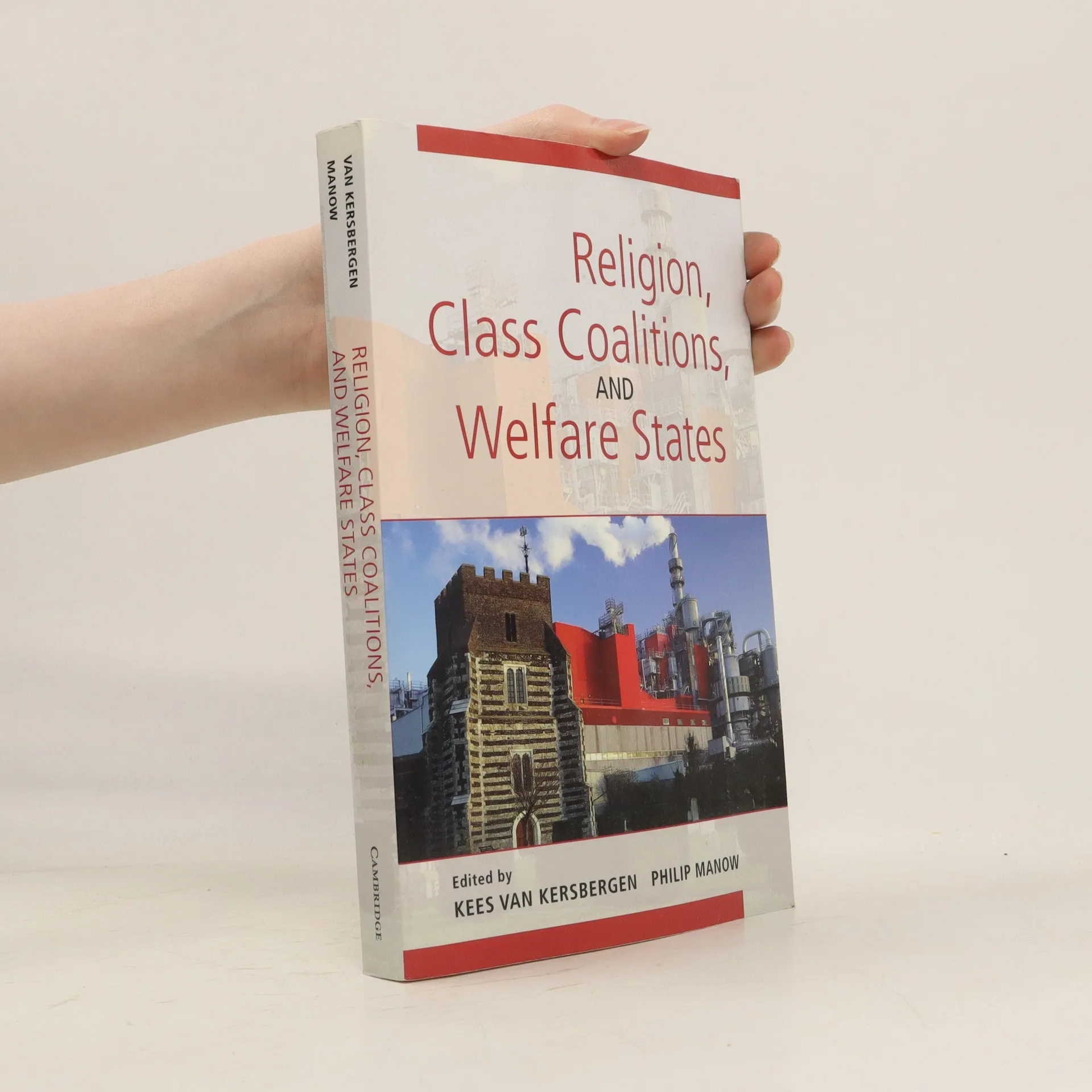
This book radically revises established knowledge in comparative welfare state studies and introduces a new perspective on how religion shaped modern social protection systems. The interplay of societal cleavage structures and electoral rules produced the different political class coalitions sustaining the three welfare regimes of the Western world. In countries with proportional electoral systems the absence or presence of state–church conflicts decided whether class remained the dominant source of coalition building or whether a political logic not exclusively based on socio-economic interests (e.g. religion) was introduced into politics, particularly social policy. The political class-coalitions in countries with majoritarian systems, on the other hand, allowed only for the residual-liberal welfare state to emerge, as in the US or the UK. This book also reconsiders the role of Protestantism. Reformed Protestantism substantially delayed and restricted modern social policy. The Lutheran state churches positively contributed to the introduction of social protection programs.
Kees van Kersbergen Books

De verzorgingsstaat
- 160 pages
- 6 hours of reading
Waarom hebben we eigenlijk een verzorgingsstaat nodig, en hoe hebben we deze gekregen? Wat doet een verzorgingsstaat eigenlijk? Botst de verzorgingsstaat met de participatiesamenleving? En waarom moeten we de verzorgingsstaat hervormen?Dit Elementaire Deeltje behandelt deze en andere Grote Vragen over de verzorgingsstaat. De Nederlandse verzorgingsstaat vormt daarbij het uitgangspunt, maar voor een goed begrip komen veel andere westerse verzorgingsstaten ook uitgebreid aan bod.