Harrison's Principles of Internal Medicine
- 2784 pages
- 98 hours of reading
Building upon the solid foundation and impeccable reputation


Building upon the solid foundation and impeccable reputation
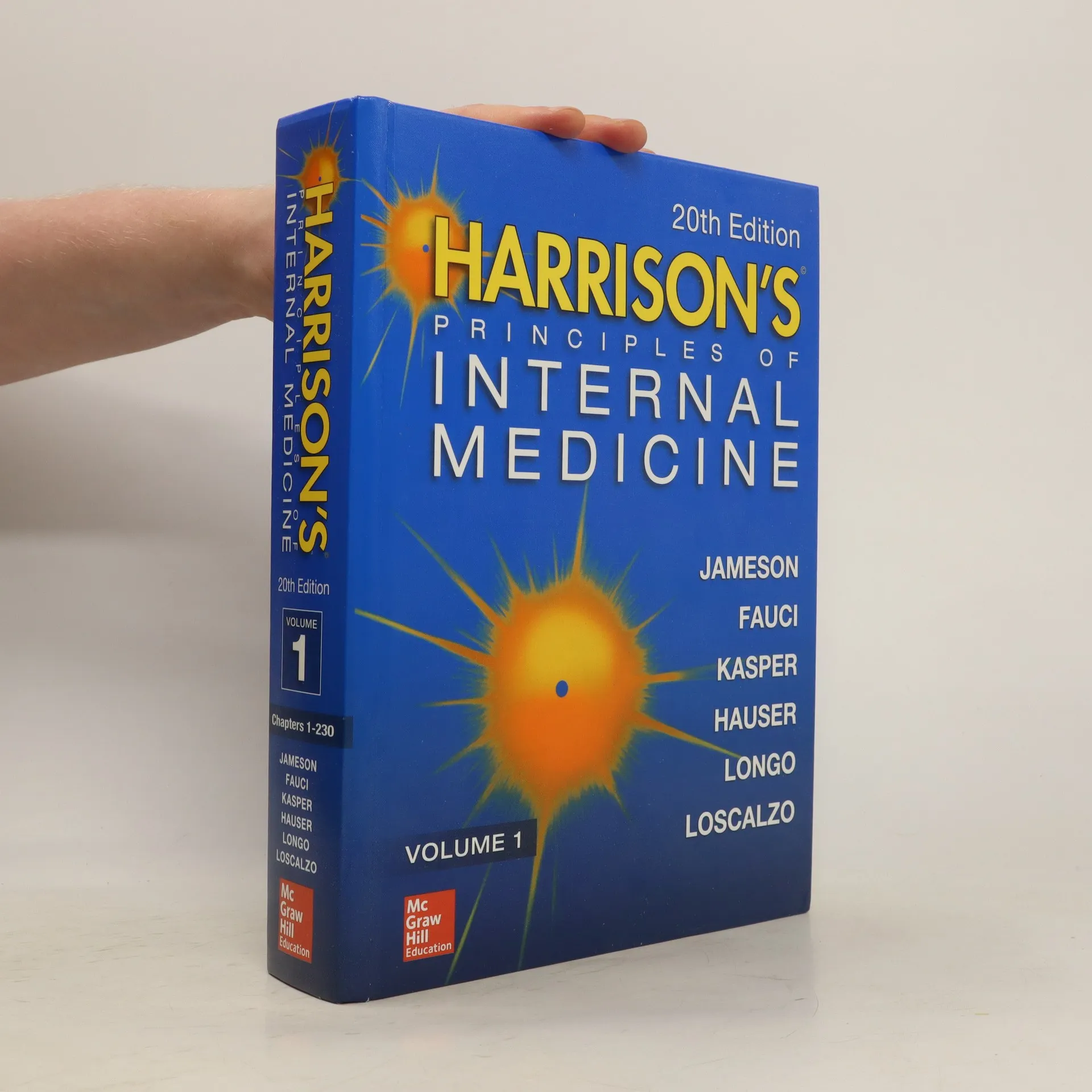
"Harrison's is intended for learners throughout their careers. For students, Part 1, Chapter 1 begins with an overview of "The Practice of Medicine." In this introductory chapter, the editors continue the tradition of orienting clinicians to the science and the art of medicine, emphasizing the values of our profession while incorporating new advances in technology, science, and clinical care. Part 2, "Cardinal Manifestations and Presentation of Diseases" is a signature feature of Harrison's. These chapters eloquently describe how patients present with common clinical conditions, such as headache, fever, cough, palpitations, or anemia, and provide an overview of typical symptoms, physical findings, and differential diagnosis. Mastery of these topics prepares students for subsequent chapters on specific diseases they will encounter in courses on pathophysiology and in clinical clerkships"--
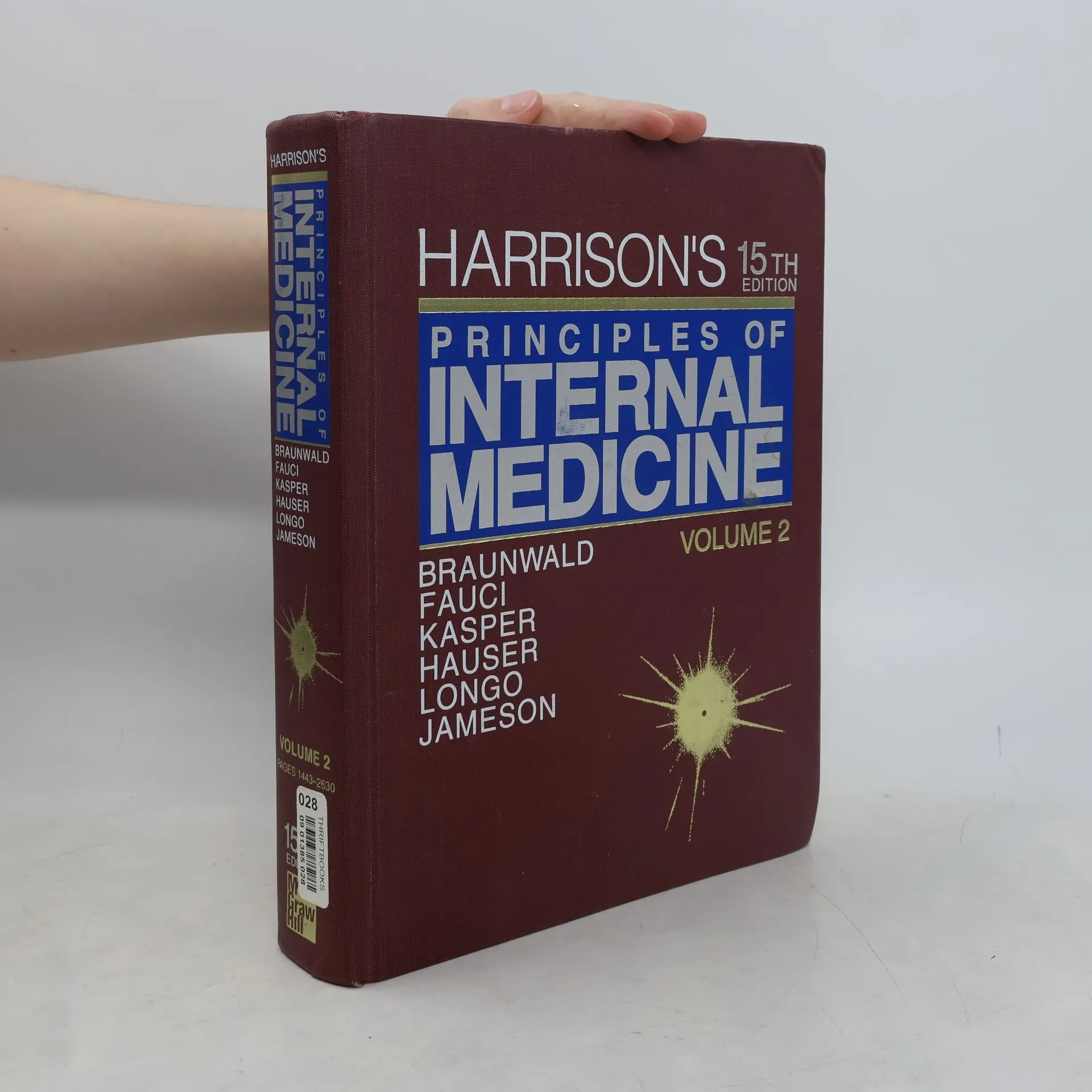
This two-volume set presents a dramatically revised and current edition of a leading internal medicine reference. The fifteenth edition features over 90 new chapters, maintaining its status as the authoritative source in the field. It offers a comprehensive database covering essential topics such as basic science, pathophysiology, clinical signs, diagnosis, and the latest treatment guidelines. Key enhancements include expanded treatment options with more algorithms and diagnostic decision trees, and a new section on Genetic Considerations that addresses the impact of advancements on patient care. Clinical Guidelines are integrated throughout, providing evidence-based strategies for treatment. A detailed chapter on Alternative Medicine explores this emerging field, while new content covers Late Problems in Cancer Patients, Adolescent Health Care, and Gene Therapy, including Screening, Prevention, and Counseling for Genetic Disorders. Additional chapters focus on Infertility and Fertility Control, and the Neurobiology of Disease highlights significant progress in understanding brain-related conditions. The edition also includes late-breaking treatment information on multiple sclerosis, Parkinson's disease, and Alzheimer's, along with a new color atlas of malaria-infected red blood cells, ensuring readers are equipped with the most current knowledge in internal medicine.