The book explores the pervasive nature of big lies propagated by governments, politicians, and corporations throughout history. It highlights how these falsehoods manipulate public perception, distort scientific understanding, and rewrite historical narratives. By examining the consequences of such deception, the author argues that these lies hinder society's ability to confront pressing challenges and perpetuate injustices, ultimately destabilizing the world.
Mark Kurlansky Books
December 7, 1948
Mark Kurlansky is an acclaimed author whose works have achieved international recognition and bestseller status. His writing delves into the profound connections between seemingly ordinary subjects and the grand sweep of global history and culture. Kurlansky possesses a distinctive narrative style, skillfully uncovering intricate stories within everyday phenomena. He is a masterful storyteller who reveals the extraordinary in the commonplace.



Exploring the historical significance of the cod, this book engages middle-grade readers with its blend of informative narrative and charming illustrations. The vivid ink drawings, enhanced with colorful washes, bring to life key moments, combining clarity with a sense of humor. Through its unique perspective, it highlights the cod's role in human history, making it both educational and entertaining for young audiences.
Nonviolence
- 224 pages
- 8 hours of reading
The conventional history of nations, even continents, is a history of warfare. According to this view, all the important ideas and significant changes of humankind were put forward in an effort to win one violent bloody conflict or another. But there have always been those who refused to fight. This book is about them
Salmon
- 416 pages
- 15 hours of reading
A tribute to a magnificent species whose cycles of life are entwined with every aspect of nature -- freshwater, saltwater, and land -- and whose survival is inextricably tied to the survival of the planet.
Combining elements of a treatise and a miscellany, this book offers a captivating exploration of various topics. Its engaging style ensures that readers are not only informed but also entertained throughout the journey. The unique blend of insightful commentary and diverse content makes it a compelling read for those seeking both knowledge and enjoyment.
Cod : a biography of the fish that changed the world
- 304 pages
- 11 hours of reading
The codfish has influenced wars, revolutions, diets, economies, and the settlement of North America, becoming a treasure more valuable than gold for millions. Its significance spans a millennium and four continents, from the Vikings pursuing cod across the Atlantic to the Basques, who commercialized it in medieval times. Key figures include Bartholomew Gosnold, who named Cape Cod in 1602, and Clarence Birdseye, who pioneered the frozen cod industry in the 1930s. The narrative explores the fifteenth-century politics of the Hanseatic League and the cod wars of the sixteenth and twentieth centuries. The author enriches the tale with culinary details, including recipes and lore from the Middle Ages to today, while vividly portraying the cod's personality, habits, and extended family. The story also highlights the tragedy of the once-abundant fish now facing extinction. From fishing ports in New England and Newfoundland to coastal skiffs and factory ships across the Atlantic, and from Iceland and Scandinavia to the coasts of England, Brazil, and West Africa, this account weaves together world history and human passions in a captivating manner.
Paper
- 389 pages
- 14 hours of reading
Paper is one of the simplest and most essential pieces of human technology. For the past two millennia, the ability to produce it in ever more efficient ways has supported the proliferation of literacy, media, religion, education, commerce, and art. It has created civilizations, fostering the fomenting of revolutions and the stabilizing of regimes. Witness history's greatest press run, which produced 6.5 billion copies of Mao zhu xi yu lu, Quotations from Chairman Mao Tse-tung (Zedong), or the fact that Leonardo da Vinci left behind only 15 paintings but 4,000 works on paper. Now, on the cusp of "going paperless"--And amid rampant speculation about the effects of a digitally dependent society-we've come to a world-historic juncture to examine what paper means to civilization. Through tracing paper's evolution, Mark Kurlansky challenges common assumptions about technology's influence, affirming that paper is here to stay. 'Paper' will be the history that guides us forward in the twenty-first century and illuminates our times.
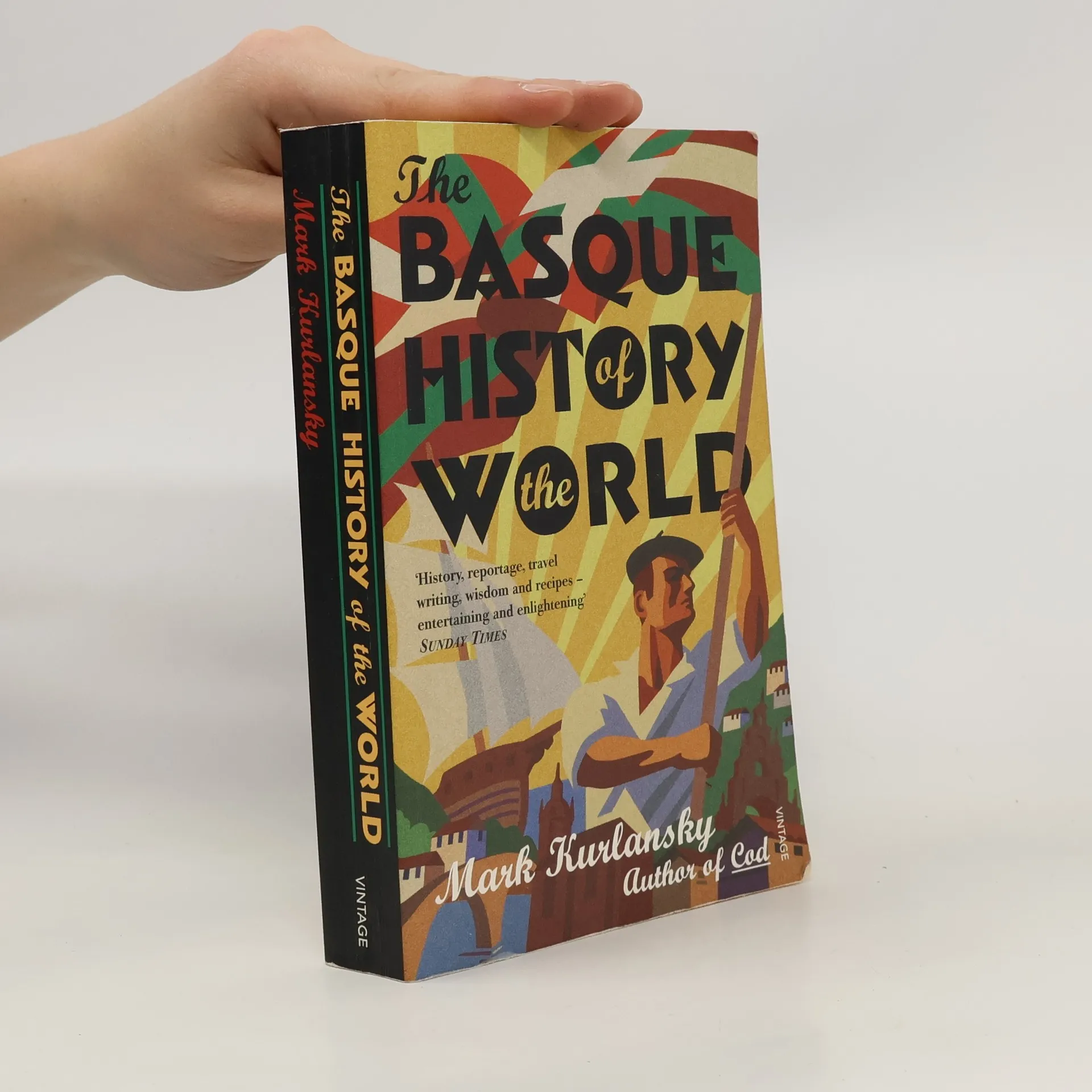
This volume covers the Basques, who settled in a corner of Spain and France in a land that is marked on no maps, a nation with a story that illuminates Europe's own saga. It blends economic, political, literary and culinary history into a heroic tale.
In his new book for young readers Mark Kurlansky's lens is the art of the "big lie," a term coined by Adolf Hitler. Kurlansky has written Big Lies: From Socrates to Social Media for the next stewards of our world. It is not only a history but a how-to manual for seeing through big lies and thinking critically.
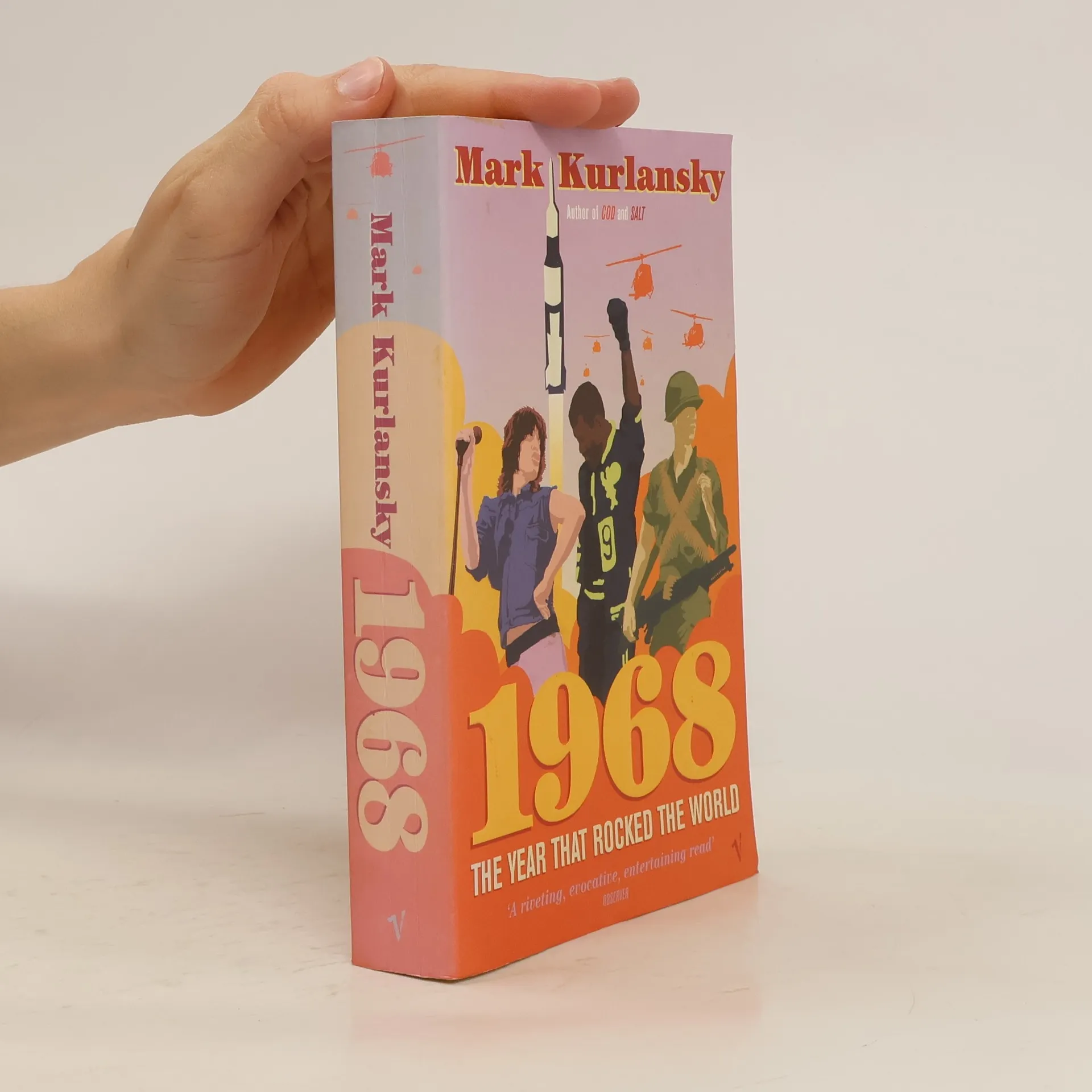
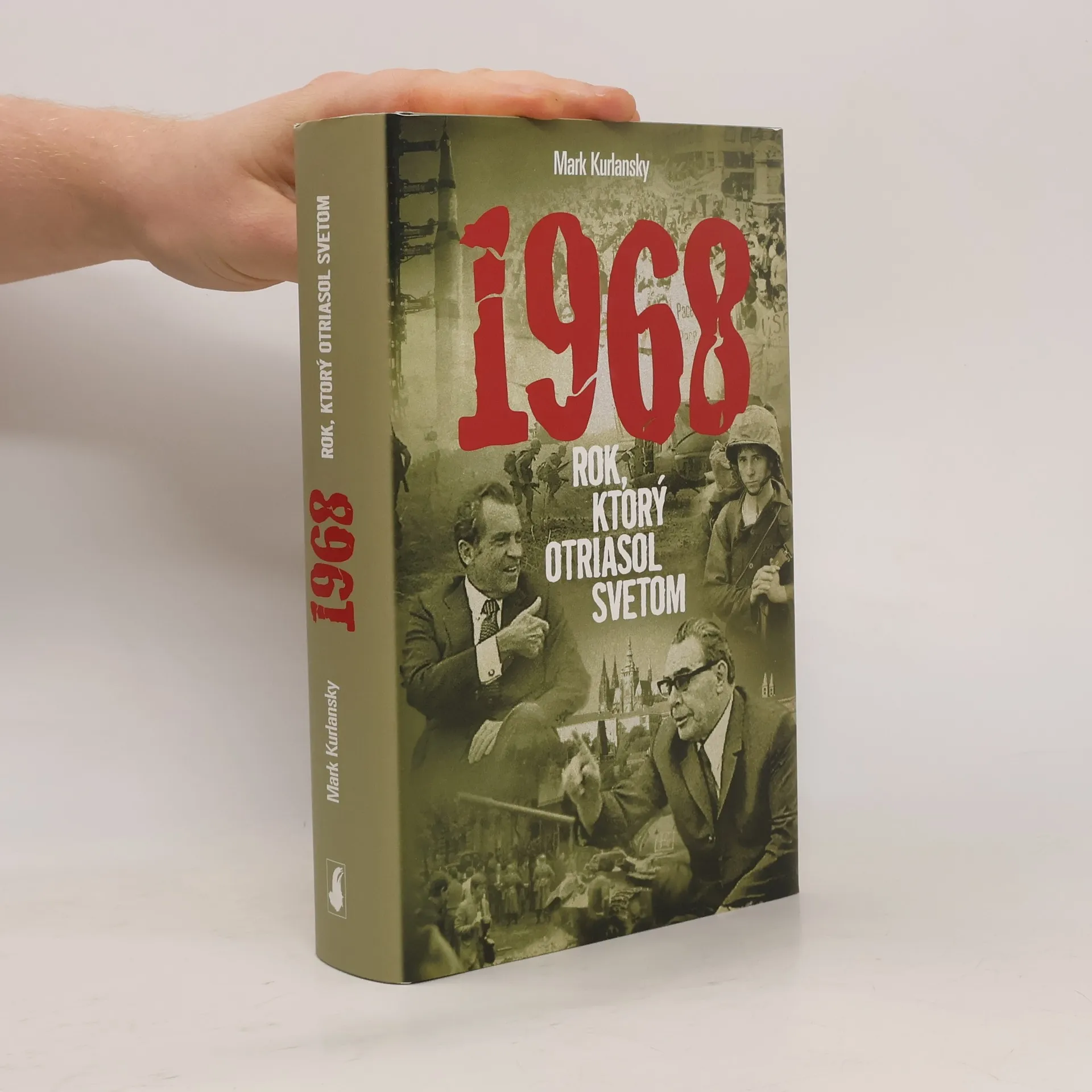
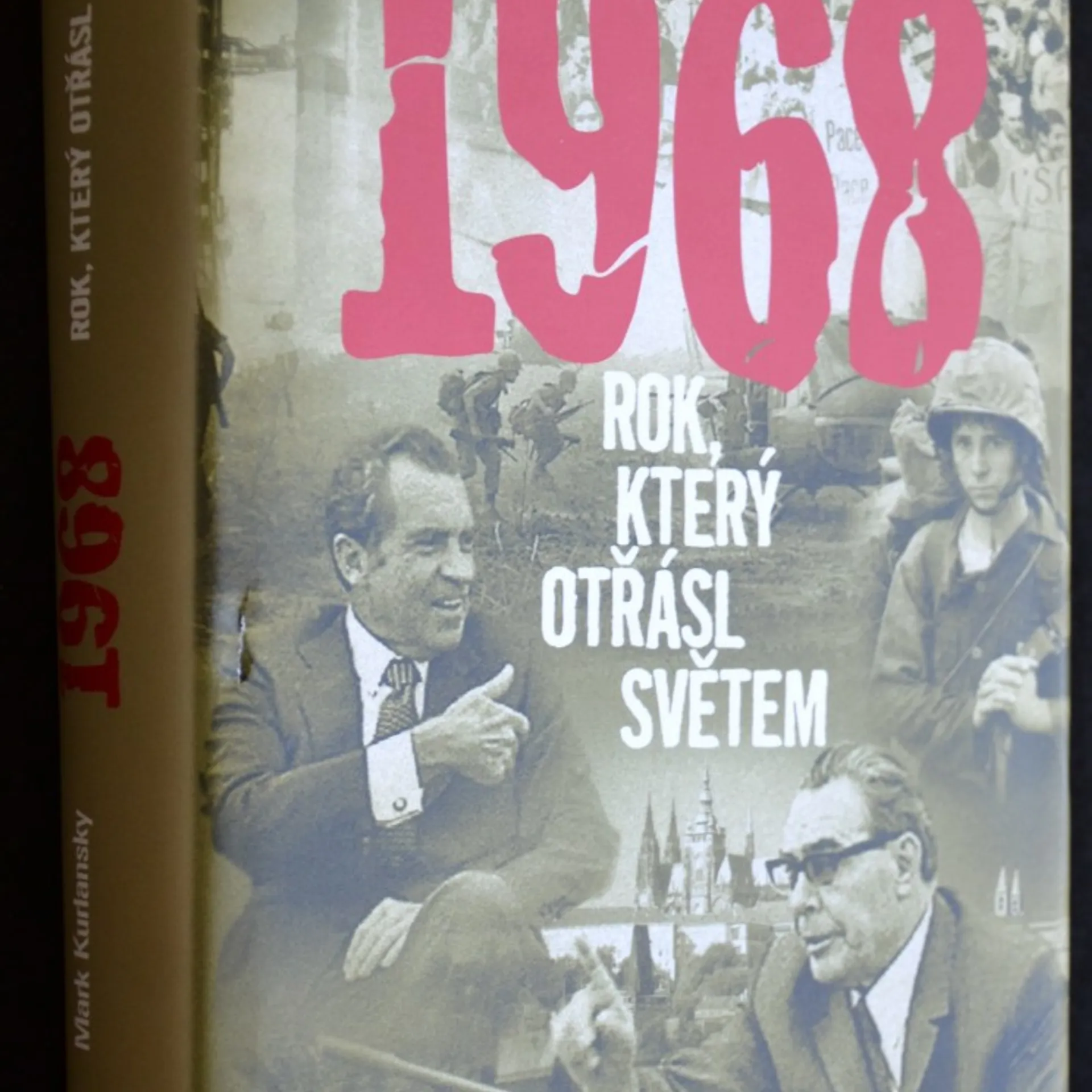
1968 : the year that rocked the world
- 464 pages
- 17 hours of reading
It was the year of sex and drugs and rock and roll; it was also the year of the Martin Luther King and Bobby Kennedy assassinations, the Prague Spring, the Chicago convention, the Tet offensive in Vietnam and the anti-war movement, the student rebellion t
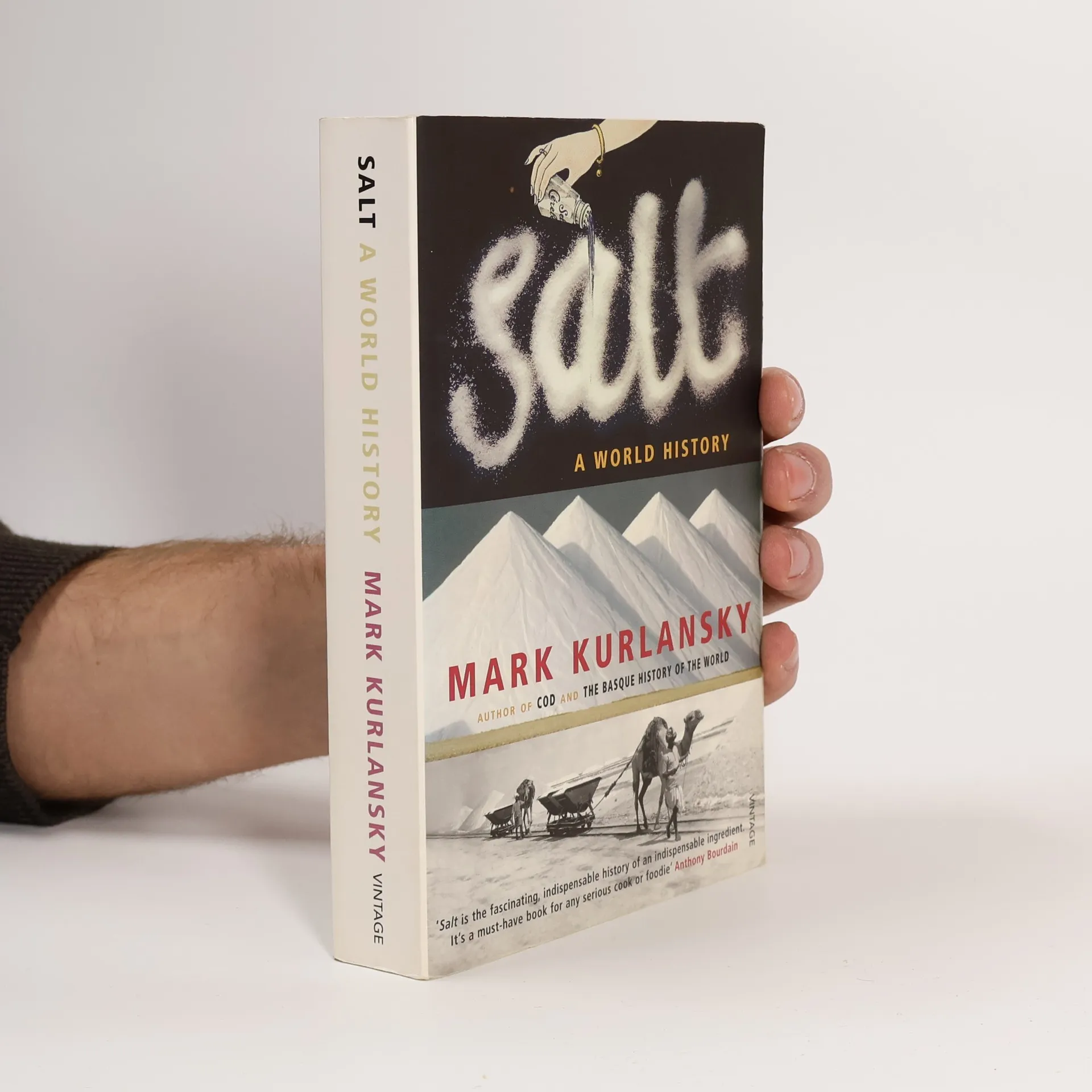
Salt: A World History
- 320 pages
- 12 hours of reading
" ... Encompasses fields as disparate as engineering, religion, and food ..."--Jacket.
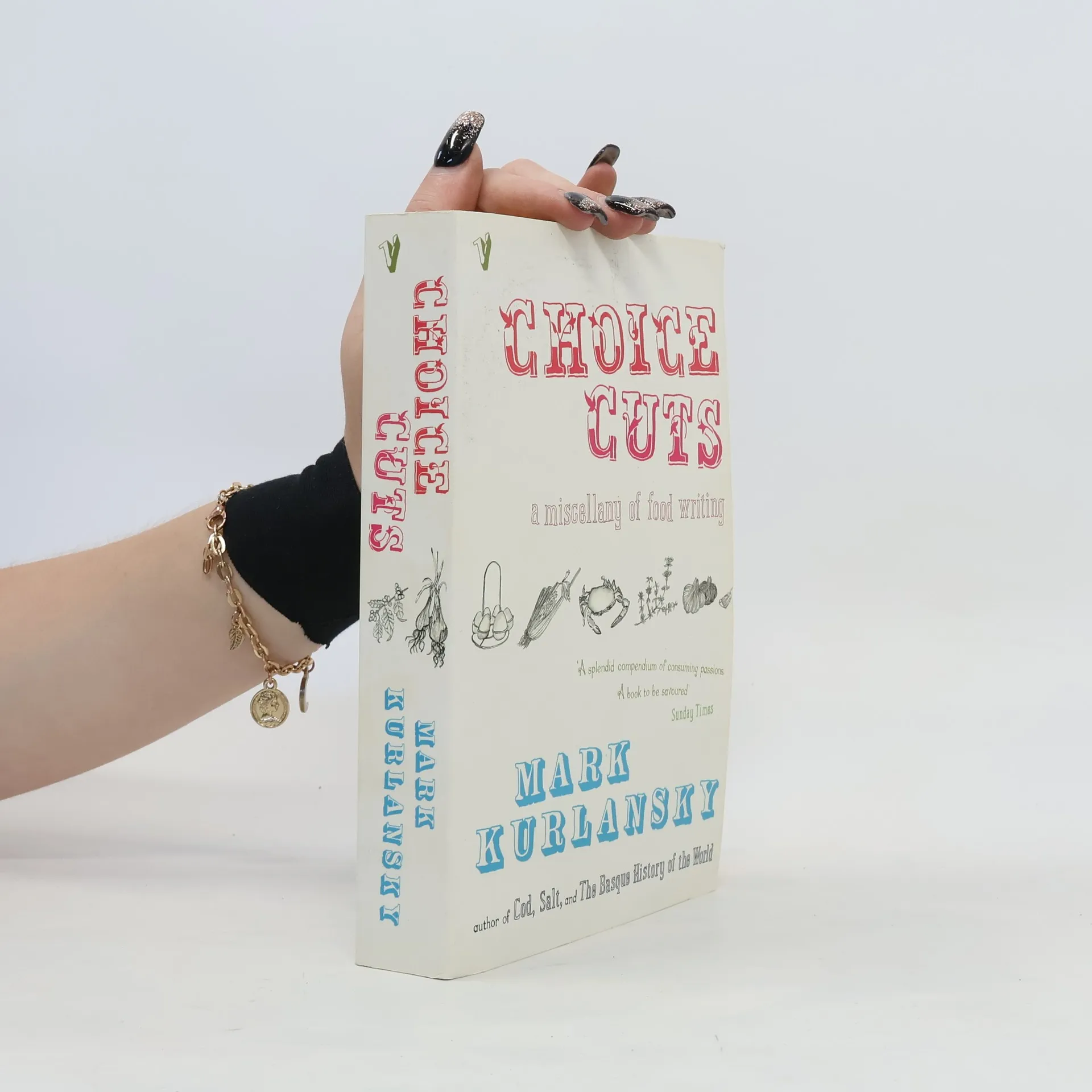
Choice Cuts
A Selection of Food Writing from Around the World and Throughout History
- 400 pages
- 14 hours of reading
From Mark Kurlansky, bestselling and award-winning author of "Cod", comes a lively, insightful anthology of food writing from ancient to contemporary writers. "Choice Cuts" opens with an introduction about the history of food writing by Kurlansky and the book is illustrated throughout with his own pen and ink drawings. The anthology collects work from all over the world, and from all ages. It includes Cato, whose second century BC practical guide to rural life, "De Agricultura", the oldest surviving complete book of Latin prose, is rich in food commentary that illuminates his time. This is also true of Pliny the Elder three centuries later, and Apicius, a chef who was one of the first great food writers. The collection pays tribute to writers for their social commentary, such as Emile Zola's observations about the fat and thin people at Les Halles market in his novel, "The Belly of Paris", and Lu Wenfu's discussion of an appropriate revolutionary restaurant in Maoist China from his novella, "The Gourmet." "Choice Cuts" also includes some of the many writings on food and sex, food and national identity and those food writers who were spectacularly ill-informed. Alexander Dumas, arguably the least accurate food writer in all history, wrote an amazing piece on how crabs are 'eaten by Negroes', and Waverly Root denounced guinea fowl, because they hide when you are ready to kill them.
Mark Kurlansky's first global food history since the bestselling Cod and Salt; the fascinating cultural, economic and culinary story of milk and all things dairy - with recipes throughout While mother's milk may be the essence of nourishment, it is the milk of other mammals that humans have cultivated ever since the domestication of animals more than 10,000 years ago. Today, milk is a test case in the most pressing issues in food politics, from industrial farming and animal rights to GMOs, the locavore movement and advocates for raw milk, who controversially reject pasteurisation. Profoundly intertwined with human civilisation, milk has a compelling and surprisingly global story to tell, and historian Mark Kurlansky is the perfect person to tell it. Tracing the liquid's diverse history from antiquity to the present, he details its curious and crucial role in cultural evolution, religion, nutrition, politics, and economics.
The Unreasonable Virtue of Fly Fishing
- 304 pages
- 11 hours of reading
"Fly fishing, historian Mark Kurlansky has found, is a battle of wits, fly fisher vs. fish--and the fly fisher does not always (or often) win. The targets--salmon, trout, and char--are highly intelligent, wily, strong, and athletic animals. The allure, Kurlansky finds, is that fly fishing makes catching a fish as difficult as possible. There is an art, too, in the crafting of flies. Beautiful and intricate, some are made with more than two dozen pieces of feather and fur from exotic animals. The cast as well is a matter of grace and rhythm, with different casts and rods yielding varying results. [Kurlansky] spent his boyhood days on the shore of a shallow pond. Here, where tiny fish weaved under a rocky waterfall, he first tied string to a branch, dangled a worm into the water, and unleashed his passion for fishing. Since then, a lifelong love of the sport has led him around the world to many countries, coasts, and rivers--from the wilds of Alaska to Basque country, from the Catskills in New York to Oregon's Columbia River, from Ireland and Norway to Russia and Japan. And, in true Kurlansky fashion, he absorbed every fact, detail, and anecdote along the way."-- Provided by publisher
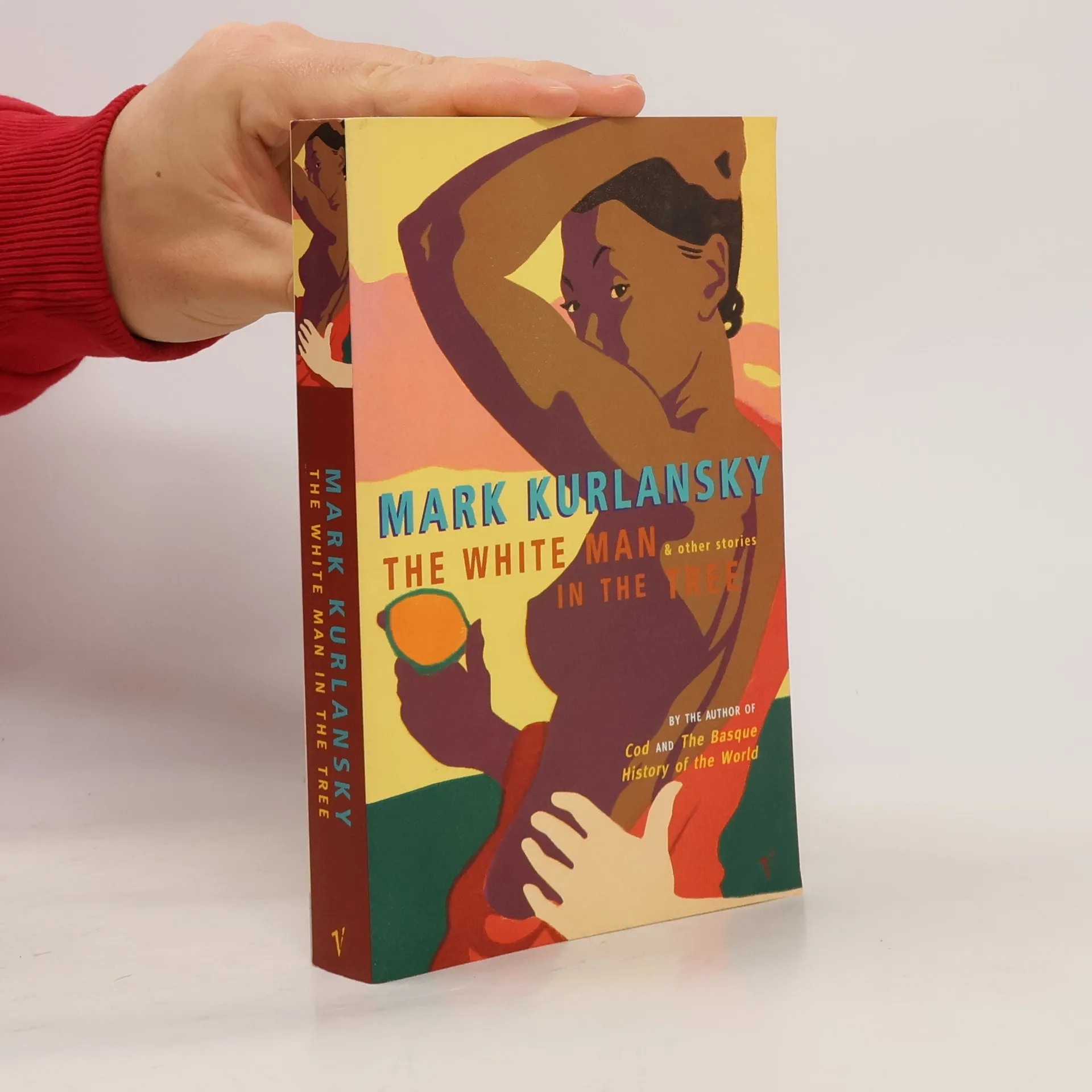
The White man in the Tree is a comedy of cultural misunderstanding set in the Caribbean, New York and Paris, a novella and eight stories about people who, because of their differences - between men and women, blacks and whites, Jews and Christians, rich and poor - misjudge each other. Celebrated for his non-fiction, Mark Kurlansky is equally at home with fiction- he has an ability to unmask our foibles and write about love with great wit and humour.Whether it is a sophisticated European filmmaker, an ambitious young black Haitian woman, a promising politician obsessed with women's feet, or a fish-out-of-water rabbi in search of a kosher chicken in Curacao, each of Kurlansky's characters engages us with impulses and interactions that are by turns comic, insightful and poignant. The White Man in the Tree is an affectionate portrait of a unique society, where Europe, America, Africa and Asia meet Latin America. Filled with surprises and delight as Kurlansky approaches each scene from a new and unexpected angle, The White Man in the Tree is a tender, wholly original and thoroughly entertaining fiction debut.
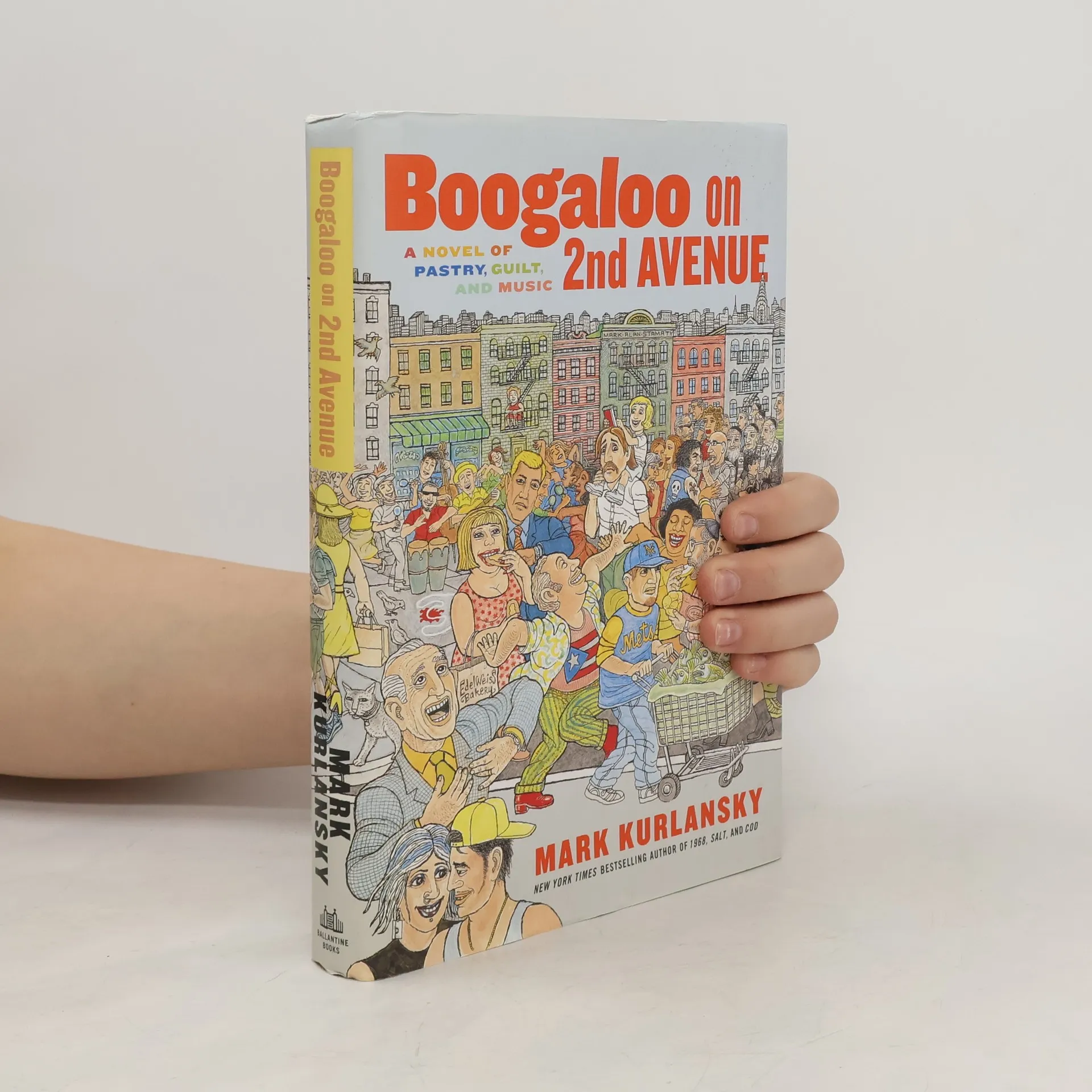
Captures the lives of the inhabitants of a tight-knit, ethnically diverse neighborhood on the Lower East Side of New York, including Nathan, a claustrophobic married man falling for Karoline, a German pastry maker.
From the New York Times-bestselling author of Cod and Salt, a delectable look at the cultural, historical, and gastronomical layers of one of the world's most beloved culinary staples--featuring original illustrations and recipes from around the world.
Lonely Planet: A Moveable Feast
Life-Changing Food Adventures Around the World
- 288 pages
- 11 hours of reading
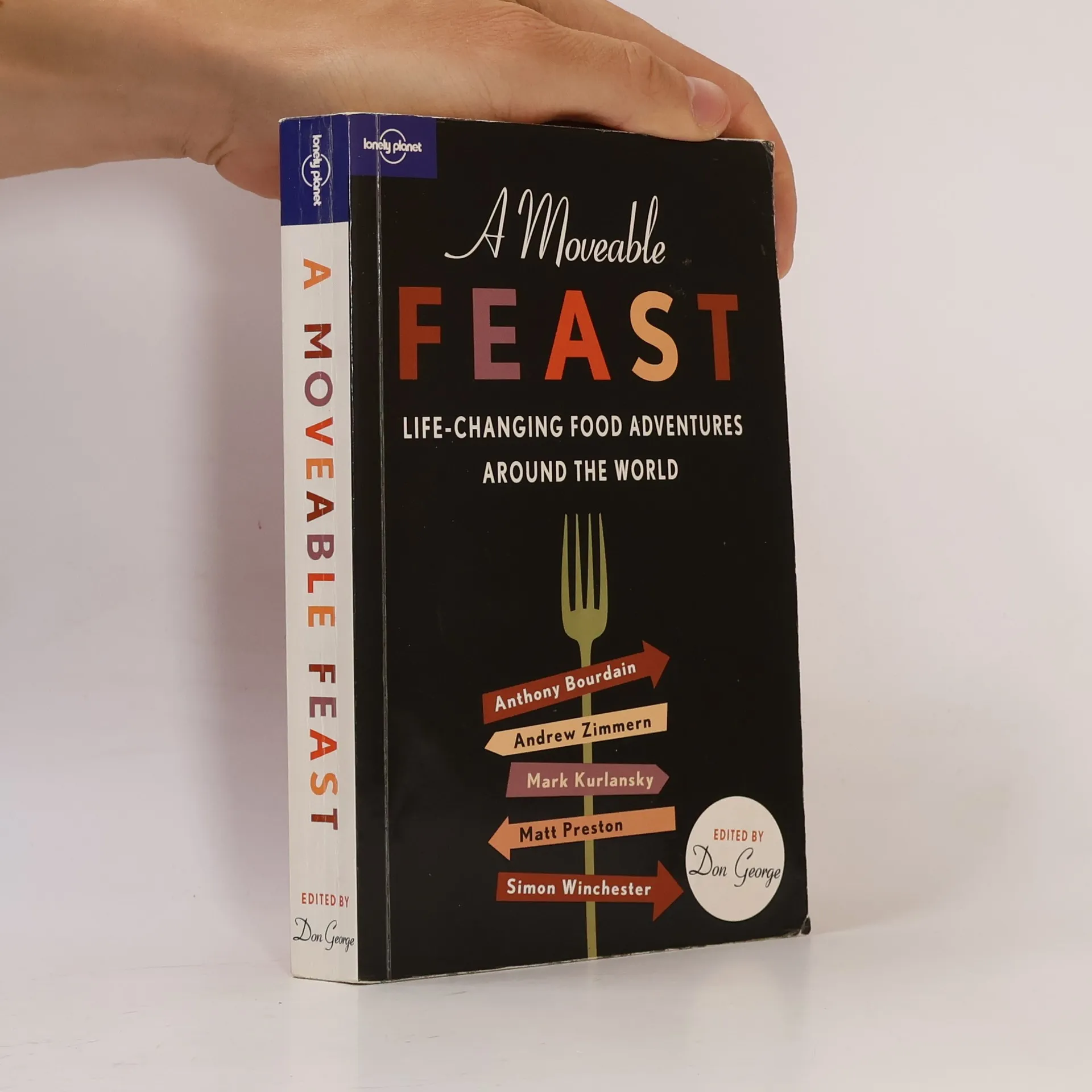
From bat on the island of Fais to chicken on a Russian train to barbecue in the American heartland, from mutton in Mongolia to couscous in Morocco to tacos in Tijuana - on the road, food nourishes us not only physically, but intellectually, emotionally, and spiritually too. It can be a gift that enables a traveler to survive, a doorway into the heart of a tribe, or a thread that weaves an indelible tie; it can be awful or ambrosial - and sometimes both at the same time. Celebrate the riches and revelations of food with this 38-course feast of true tales set around the world.
L'Avana. Un delirio subtropicale
- 288 pages
- 11 hours of reading
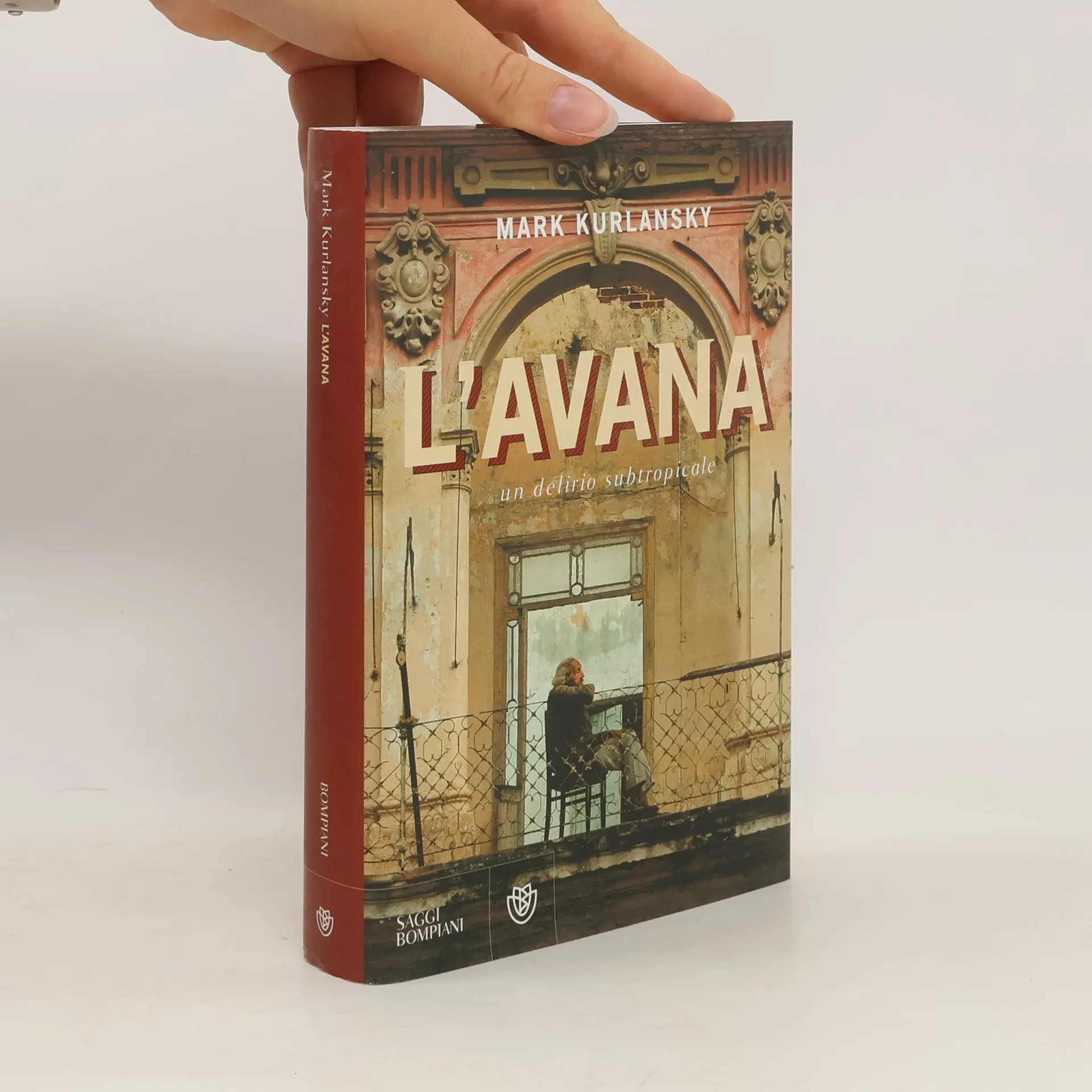
L'Avana è una città di caldo tropicale, di sudore, di bellezza sgangherata e di ritmo. Un ritmo personalissimo, che Mark Kurlansky conosce alla perfezione, avendola frequentata fin dagli anni Ottanta, quando era corrispondente dai Caraibi per il «Chicago Tribune». Parte storia culturale, parte diario di viaggio, parte biografia, «L'Avana» celebra la storia, la letteratura, la politica, la musica, l'architettura, la cucina e le passioni sportive della città e dei suoi abitanti. I capitoli si leggono come una serie di variopinte cartoline illustrate, schizzate dalle pennellate esperte di un pittore impressionista.
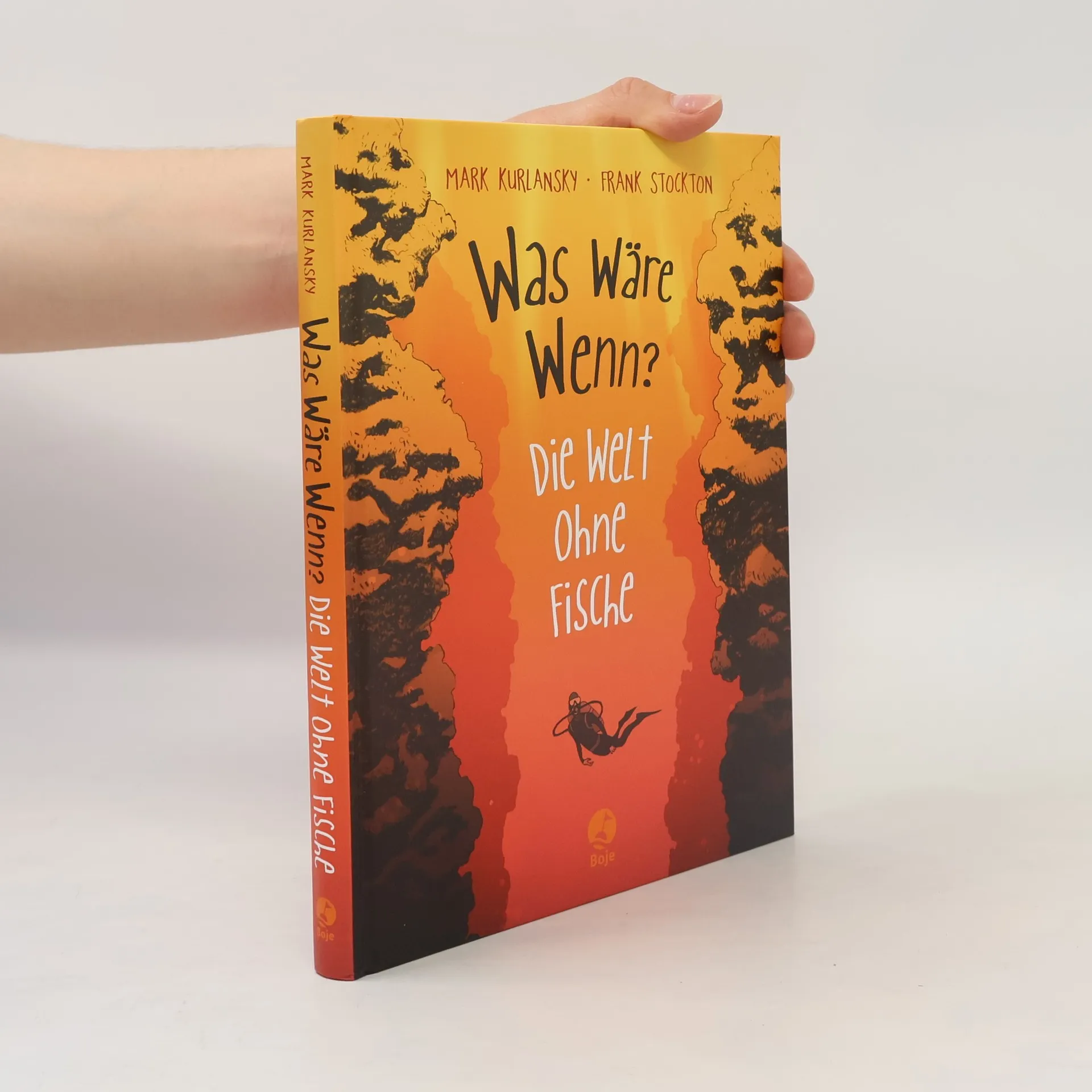
Wie könnte eine Welt aussehen, in der Fische durch Überfischung, Umweltverschmutzung und globale Erwärmung ausgerottet wurden? Welche Auswirkungen hätte das für andere Lebewesen? Dieses Buch versucht Antworten zu finden. Es beschreibt, was eine Welt ohne Fische nicht nur für unsere Auswahl an der Kühltheke, sondern auch für viele weitere Spezies in der Nahrungskette bedeuten würde - vom Plankton bis zur Möwe, von der Qualle bis zur Schildkröte. Ein spannendes Sachbuch über die tierische Artenvielfalt unter Wasser und an Land - mit vielen Tipps, wie wir alle selbst aktiv werden können für den Schutz der Fische.
»… definitiv eines der wichtigsten philosophischen Bücher überhaupt …«
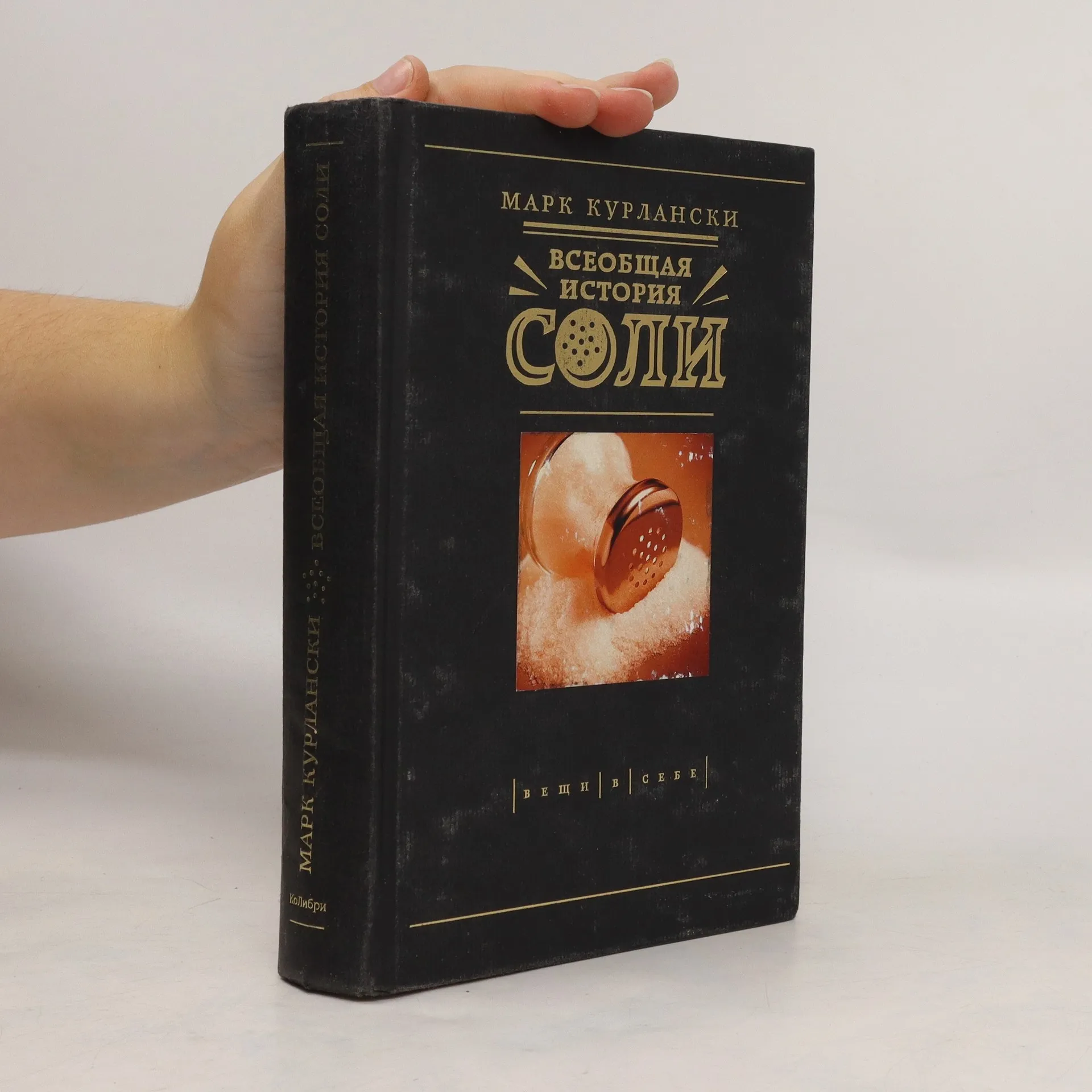
Принцесса из французской сказки сказала отцу: "Я люблю тебя, как соль". Король разгневался и изгнал дочь из королевства. И лишь потом, оставшись без соли, сумел осознать ее истинную ценность, а заодно и глубину дочерней любви. "Соль" американского писателя Марка Курлански - это книга о веществе, заурядность которого заставляет нас забыть, что без него невозможна сама наша жизнь. Соль так доступна и так дешево стоит, что мало кто помнит, сколь вожделенной она была еще совсем недавно - до начала XX века. Загадочным соленым кристаллам с глубокой древности приписывались самые удивительные свойства: во многих культурах соль играла важнейшую магическую роль или служила валютой, на соли приносили клятву на верность, из-за нее воевали. Подавать эту драгоценную и загадочную субстанцию к столу считалось жестом экстравагантного расточительства, а соляной налог служил для подданных мерилом справедливости монарха. Оказывается, установить подлинную стоимость соли - одной из самых доступных вещей на Земле - нелегко и сейчас. Тем более что действительные свойства хлорида натрия и в самом деле почти волшебны.
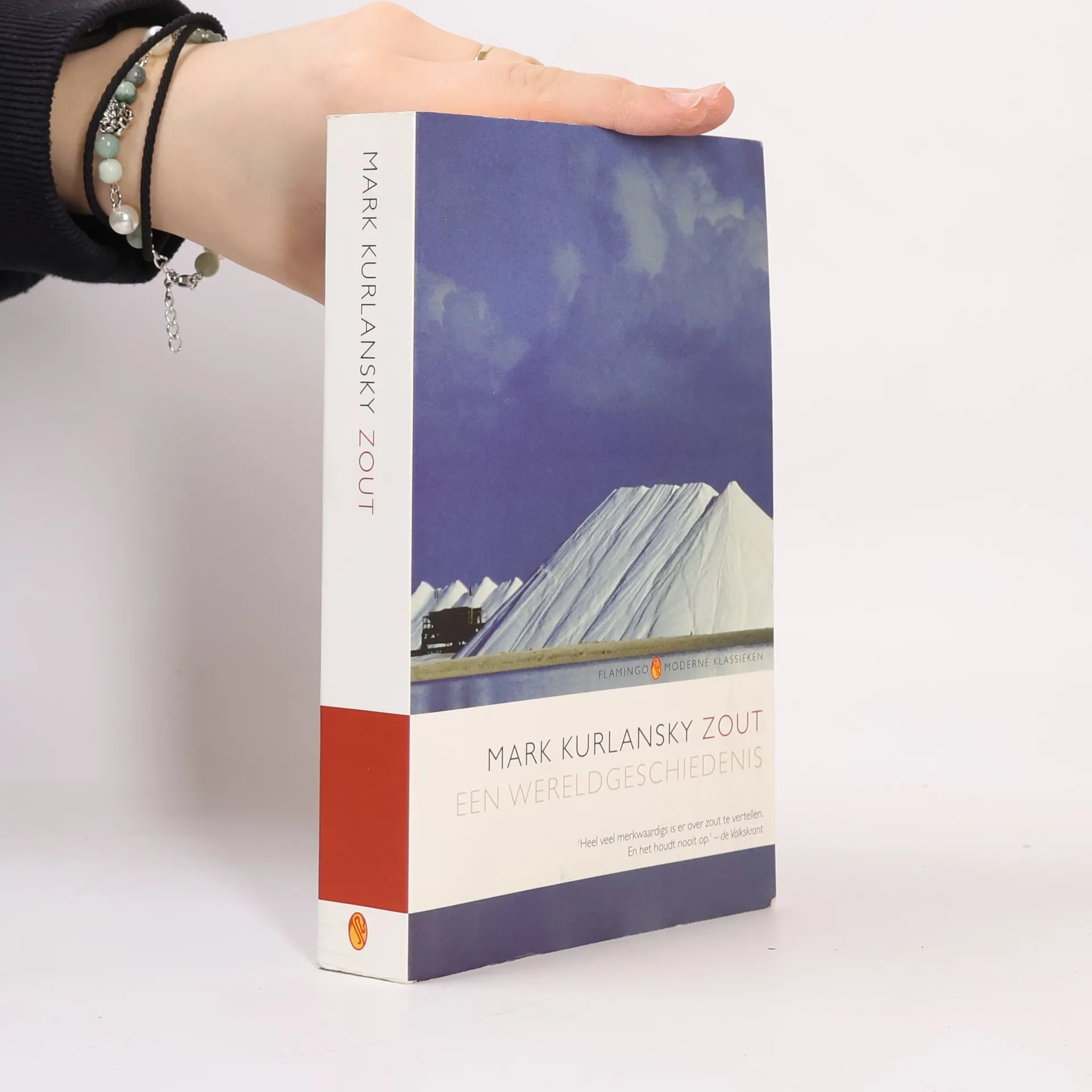
Homerus noemde zout een goddelijke substantie. Plato beschreef zout als bijzonder dierbaar voor de goden. Zout heeft onze beschaving gevormd, en Mark Kurlansky legt in dit boek een verrassend aspect van de geschiedenis van de mensheid bloot. Zout- een wereldgeschiedenis is een boek vol verhalen uit alle tijden en alle windstreken. Een New York Times-bestseller, vertaald in vele landen.
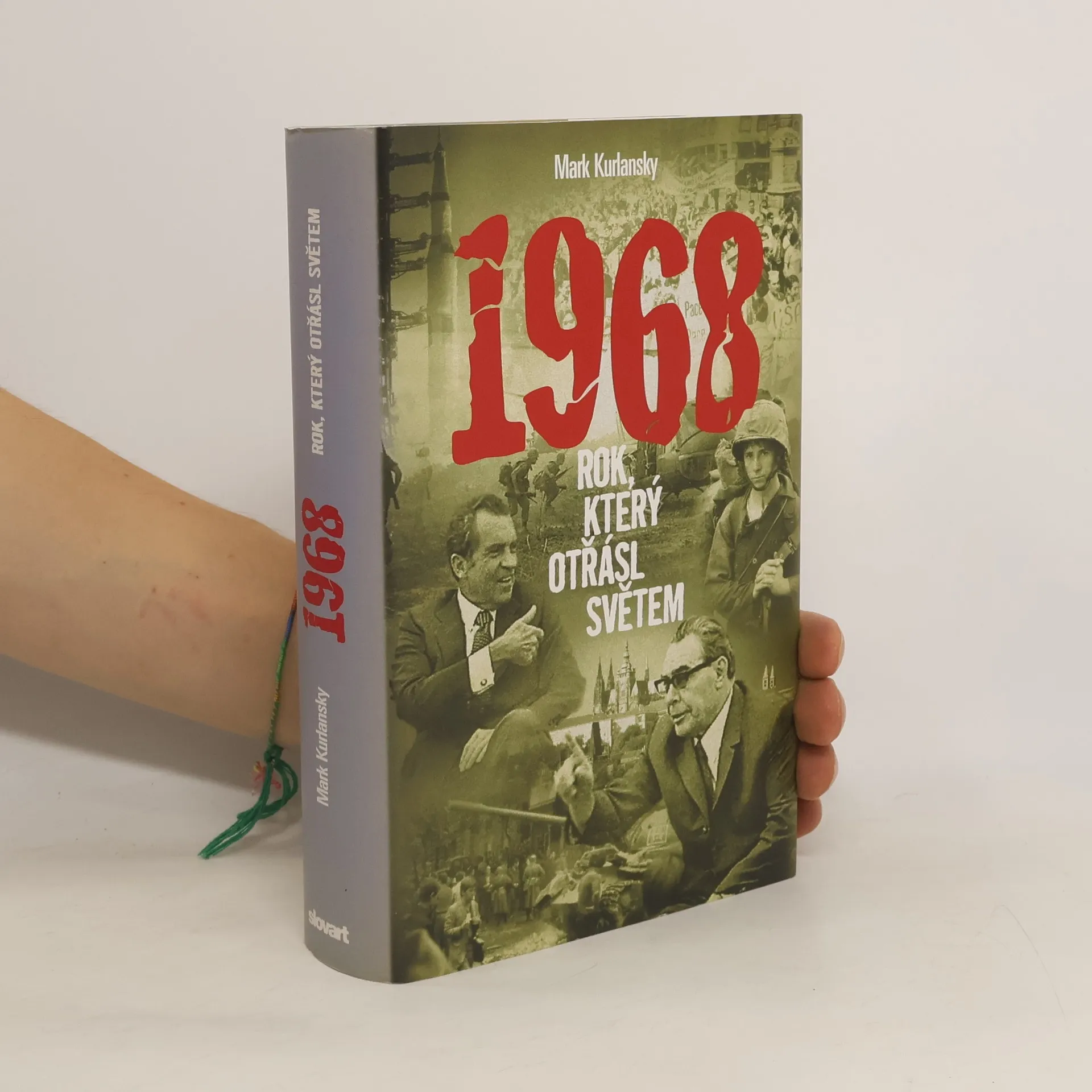
Přehled nejvýznamnějších událostí roku 1968, jež výrazným způsobem ovlivnily světové dění. Rok 1968 nebyl jen rokem československého obrodného procesu násilně ukončeného invazí armád pěti zemí Varšavské smlouvy 21. srpna, ale i dalších významných okamžiků: válka ve Vietnamu, 19. letní olympijské hry v Mexiku, studentské demonstrace v západní Evropě či listopadové prezidentské volby v USA. Publikace se snaží podávat informace v širších souvislostech. Neobsahuje jen politické události, ale i dění v oblasti sportu, kultury apod. Součástí knihy je rovněž poznámkový aparát, rejstřík a přehled použité literatury.
Dielo Marka Kurlanskeho prináša pohľad na jeden z najnepokojnejších povojnových rokov 20. storočia. V USA sa naplno prebúdza hnutie za ľudské práva a spolu s protivojnovým hnutím sa vydáva pochodovať do ulíc. Vo Vietname prudko eskaluje nechcená vojna. Navyše prichádzajú nové technológie schopné lepšie zaznamenať hrôzy krvavého konfliktu. Študentské protesty po celom svete žiadajú väčšie práva v skostnatených akademických inštitúciách. V našom geografickom priestore vrcholí Pražská jar, aby ju následne potlačili vojská Varšavskej zmluvy. V Mexiku sa konajú kontroverzné a veľmi spolitizované olympijské hry. V tomto roku okrem iného zavraždia senátora Roberta Kennedyho a reverenda Martina Luthera Kinga. Kurlansky sa venuje rôznym témam od politiky, ekonomiky cez kultúru po média. Výsledkom je obsažný a pútavý obraz o transformácii celosvetovej spoločnosti v roku 1968.