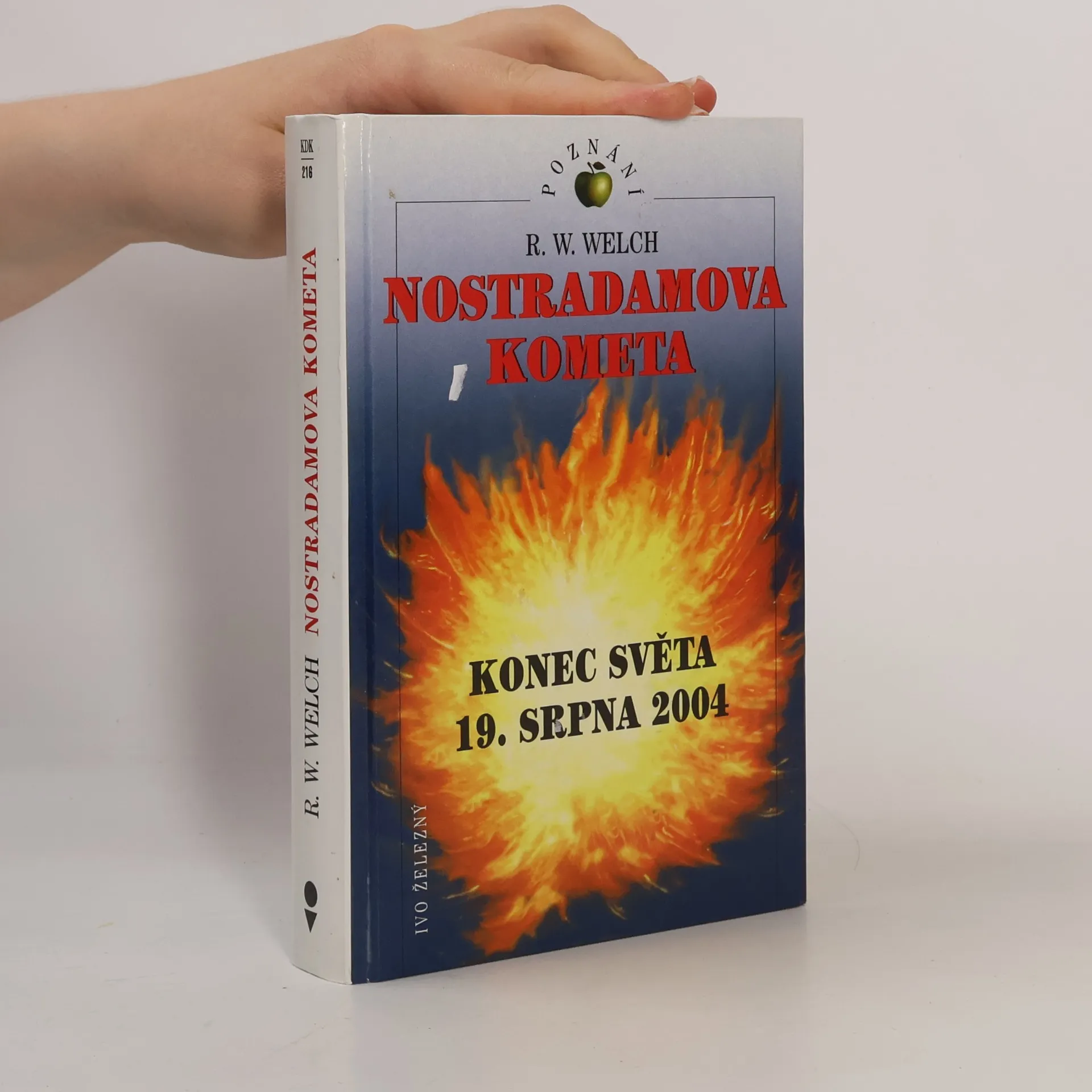
Nostradamova kometa : konec světa 19. srpna 2004
- 356 pages
- 13 hours of reading


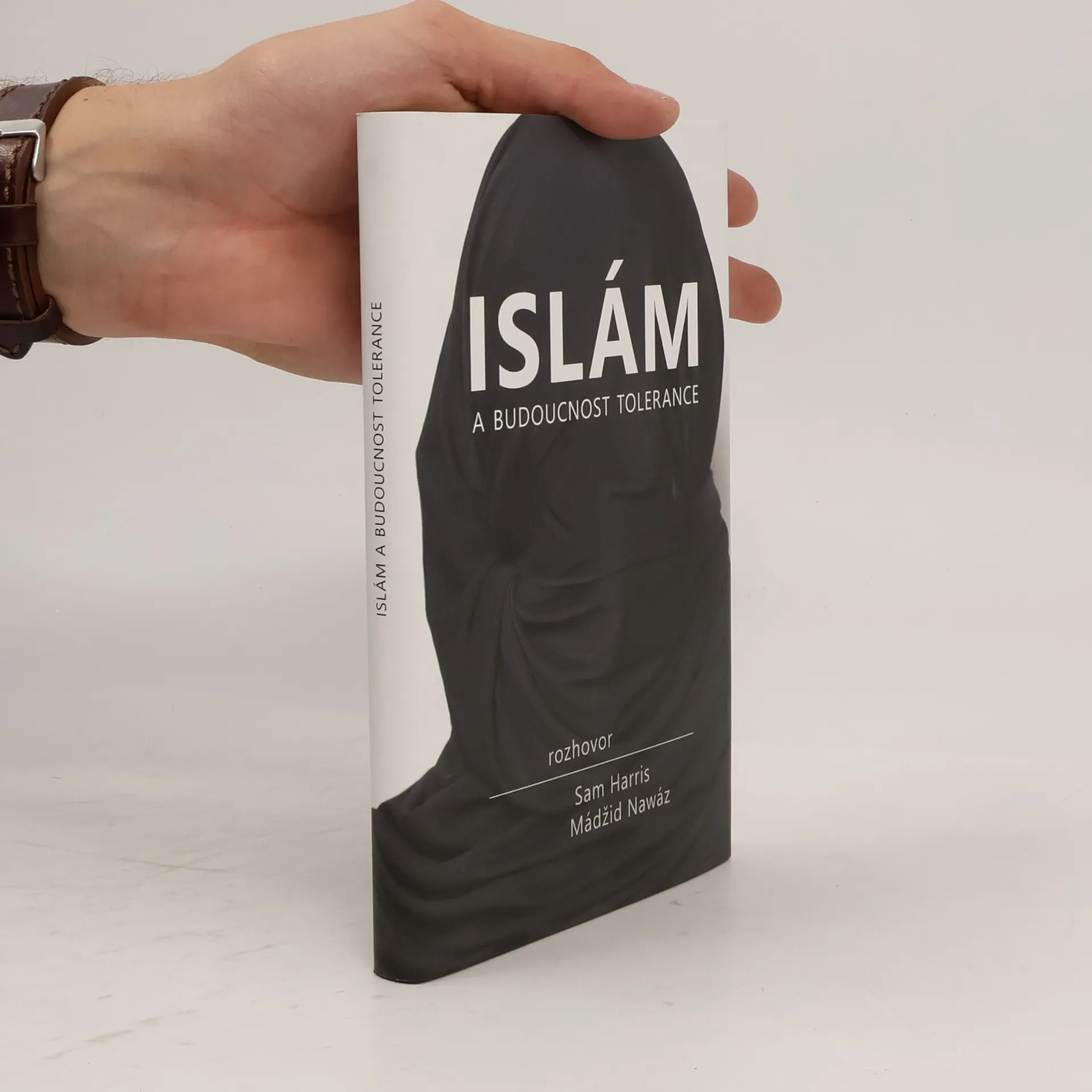
Jsou radikální muslimové opravdu v menšině? Jak malá je tato menšina? Zastává umírněná většina liberální hodnoty? Kdo je vlastně onen často vzývaný „umírněný“ muslim? A je islám mírumilovné náboženství, které bylo „uneseno“ teroristy? Na tyto a další otázky se snaží najít odpovědi americký spisovatel a neurovědec Sam Harris a egyptský liberální politik a muslim Maajid Nawaz.
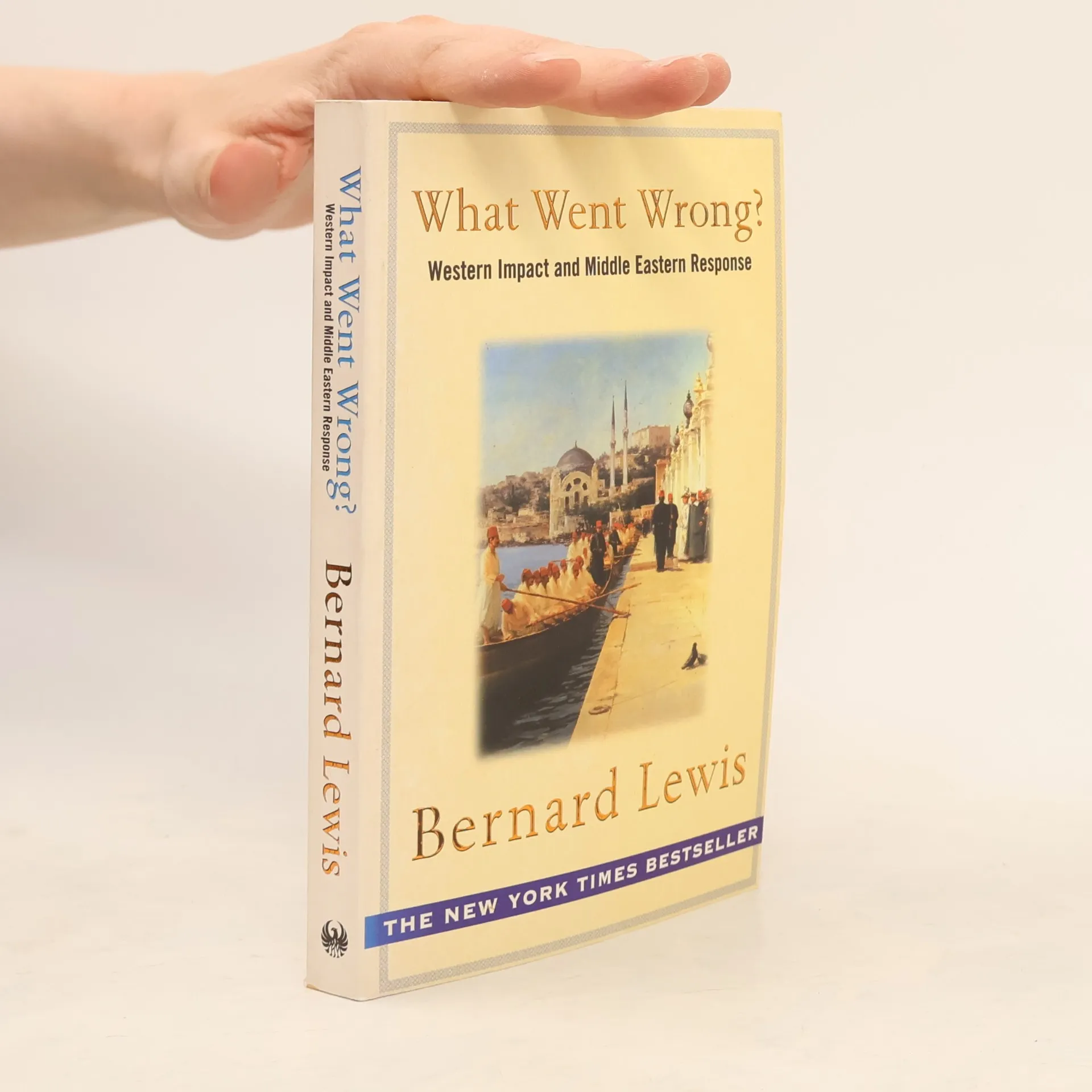
For centuries, the Islamic world was a leader in military, economic, artistic, and scientific achievements, viewing Christian Europe as a distant land of barbarism. However, a dramatic shift occurred as the West began to dominate in warfare, trade, and various aspects of life. In this thought-provoking volume, Bernard Lewis explores the Islamic world's troubled response to this transformation, seeking to understand how it was overshadowed and increasingly dominated by the West. He provides a compelling portrait of a culture grappling with change, focusing on how the Middle East sought to comprehend European advancements in weaponry, military strategy, commerce, governance, education, and culture. Lewis highlights the stark contrasts between Western and Middle Eastern societies from the 18th to the 20th centuries, offering insightful comparisons on topics such as Christianity versus Islam, the arts, women's roles, secularism, and societal structures. Recognized as a leading authority on Islamic history and culture, Lewis delivers an incisive examination of the historical dynamics between the Middle East and Europe, shedding light on a complex and pivotal relationship.