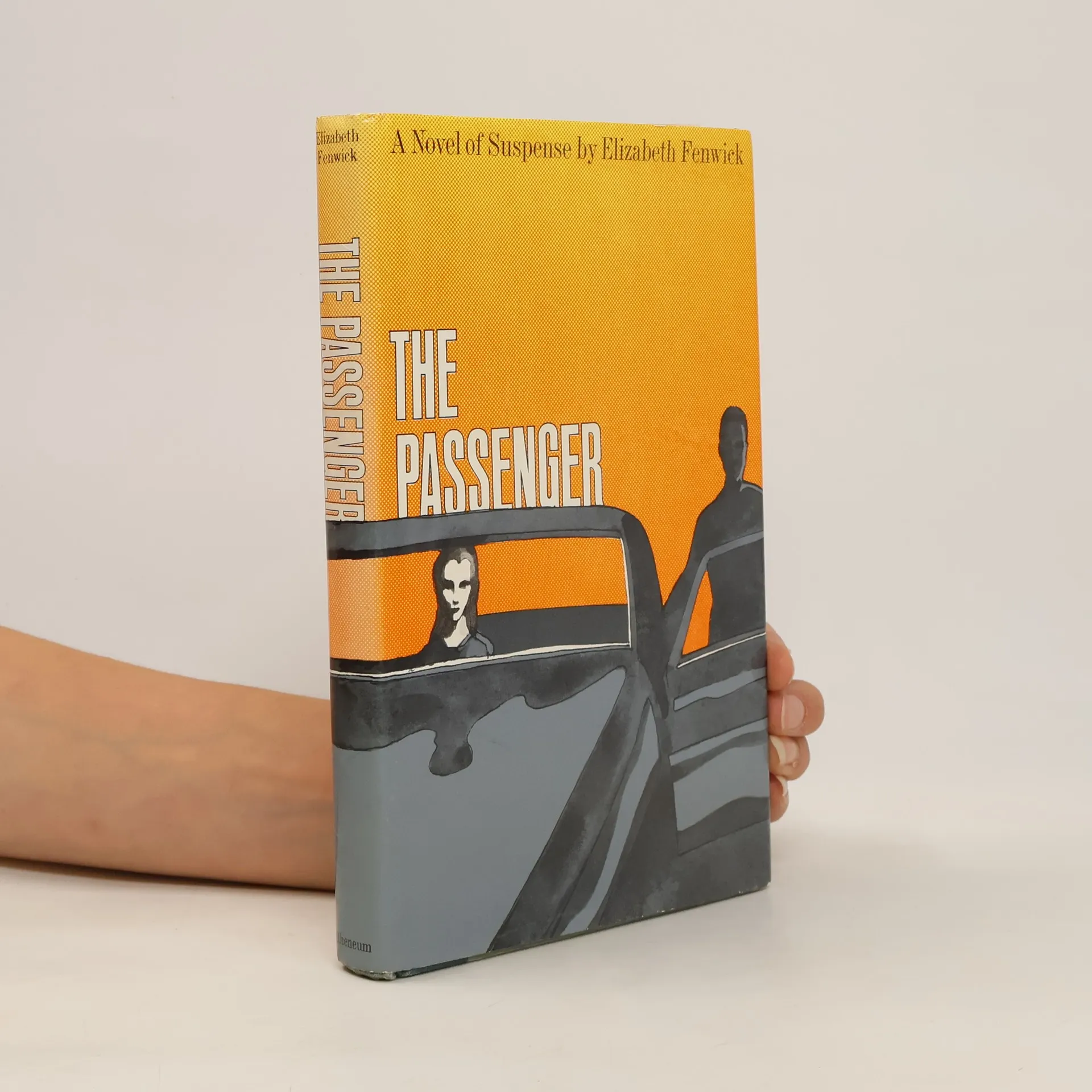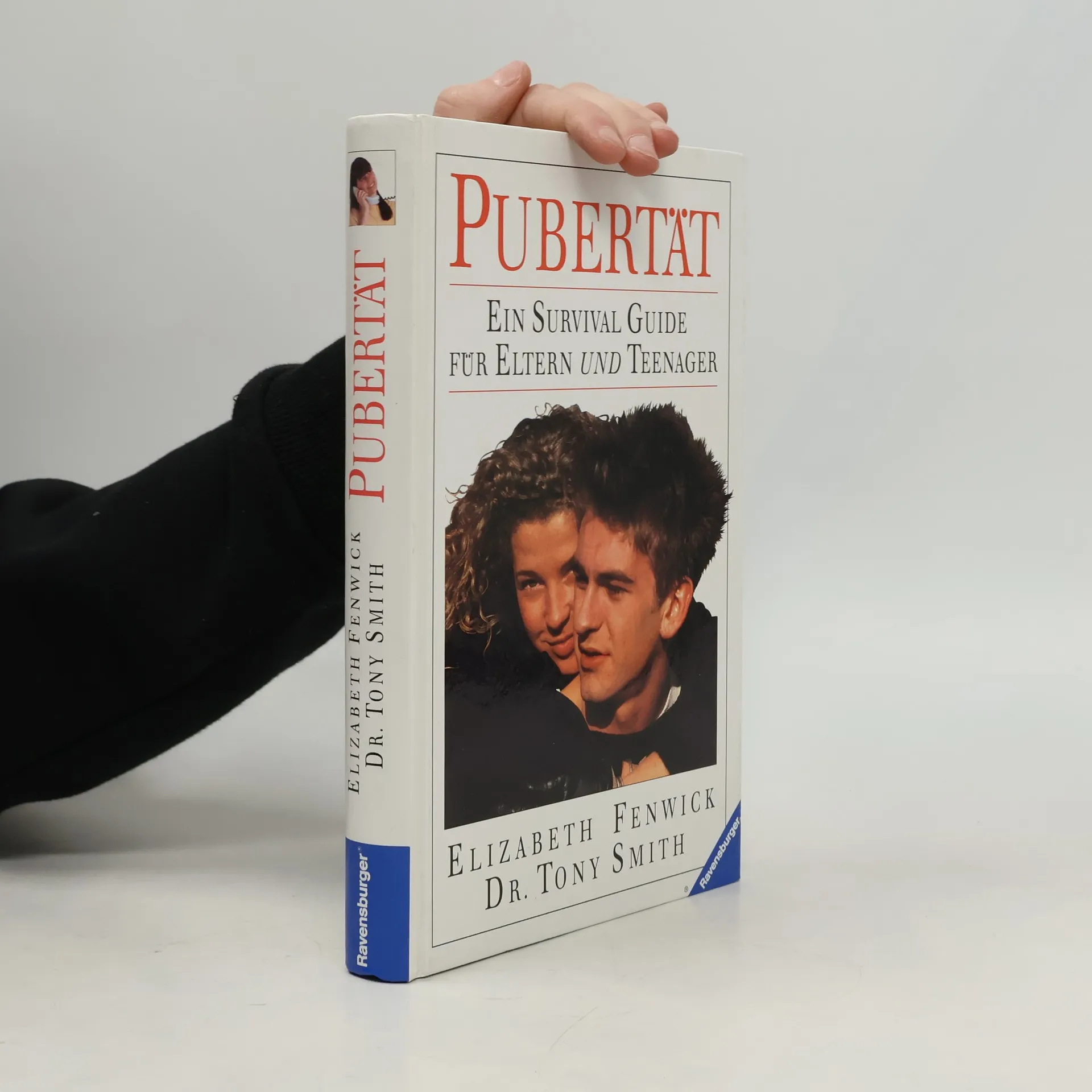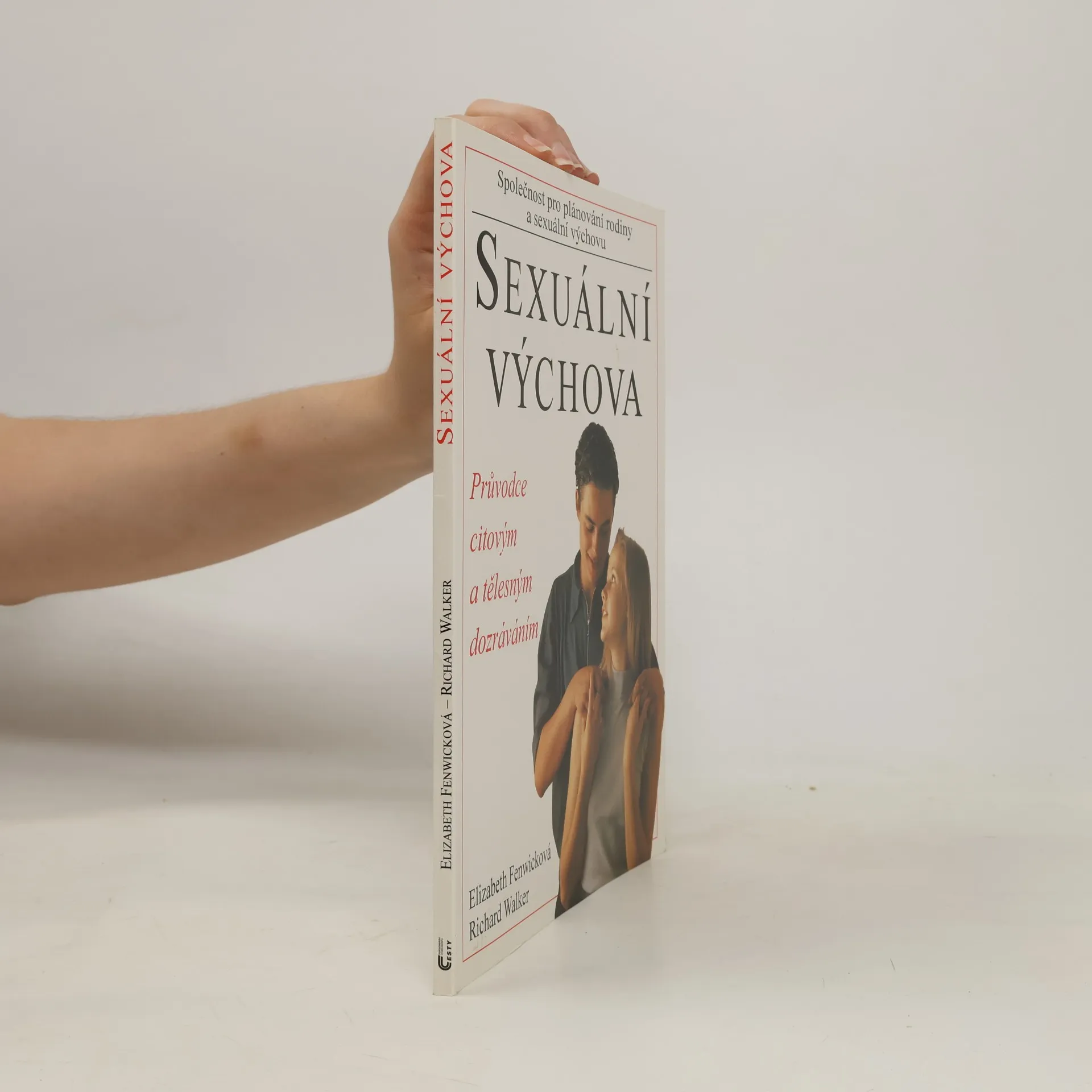

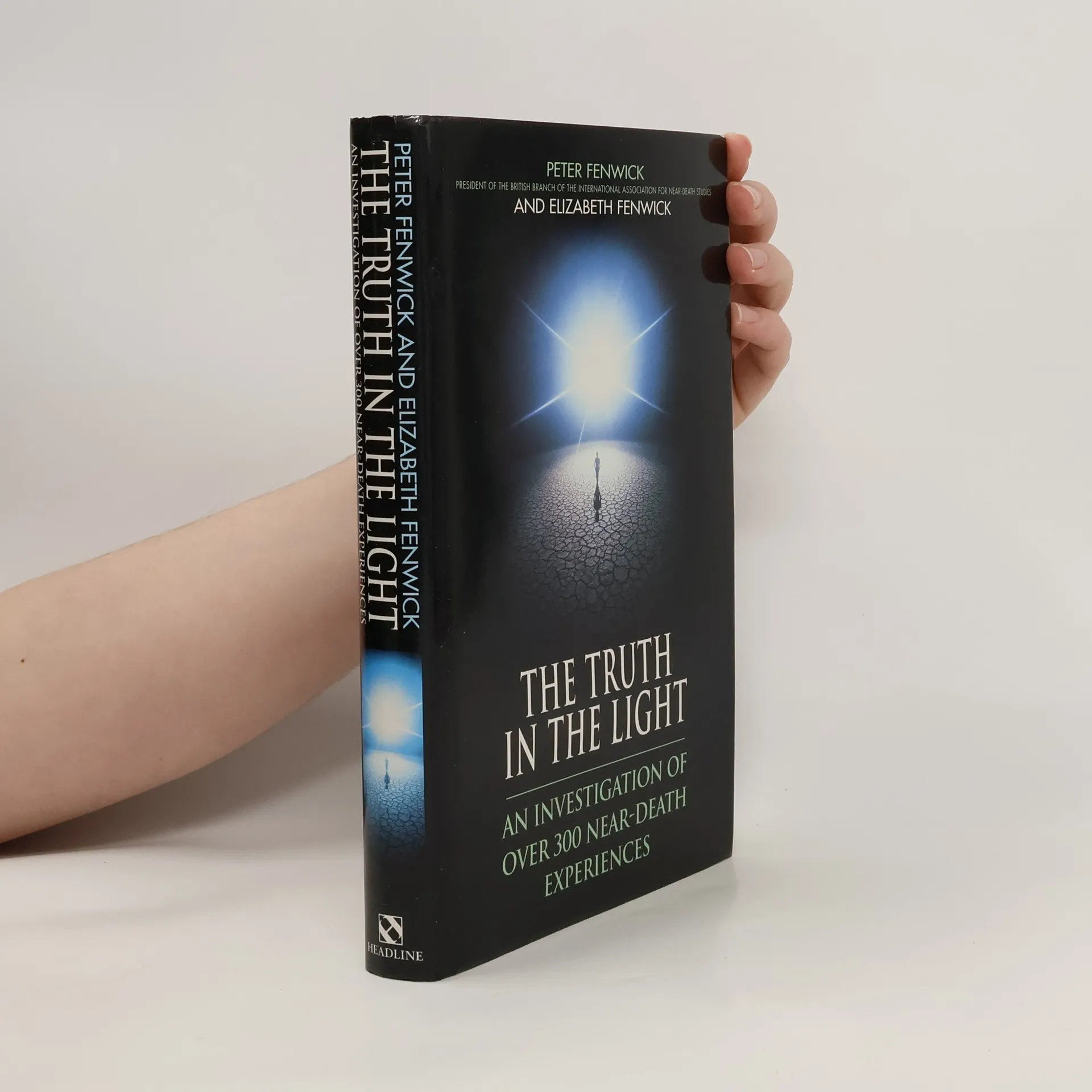
In this book which contains many first hand accounts, Fenwick analyses over 300 near-death experiences.
Elizabeth Fenwick Books


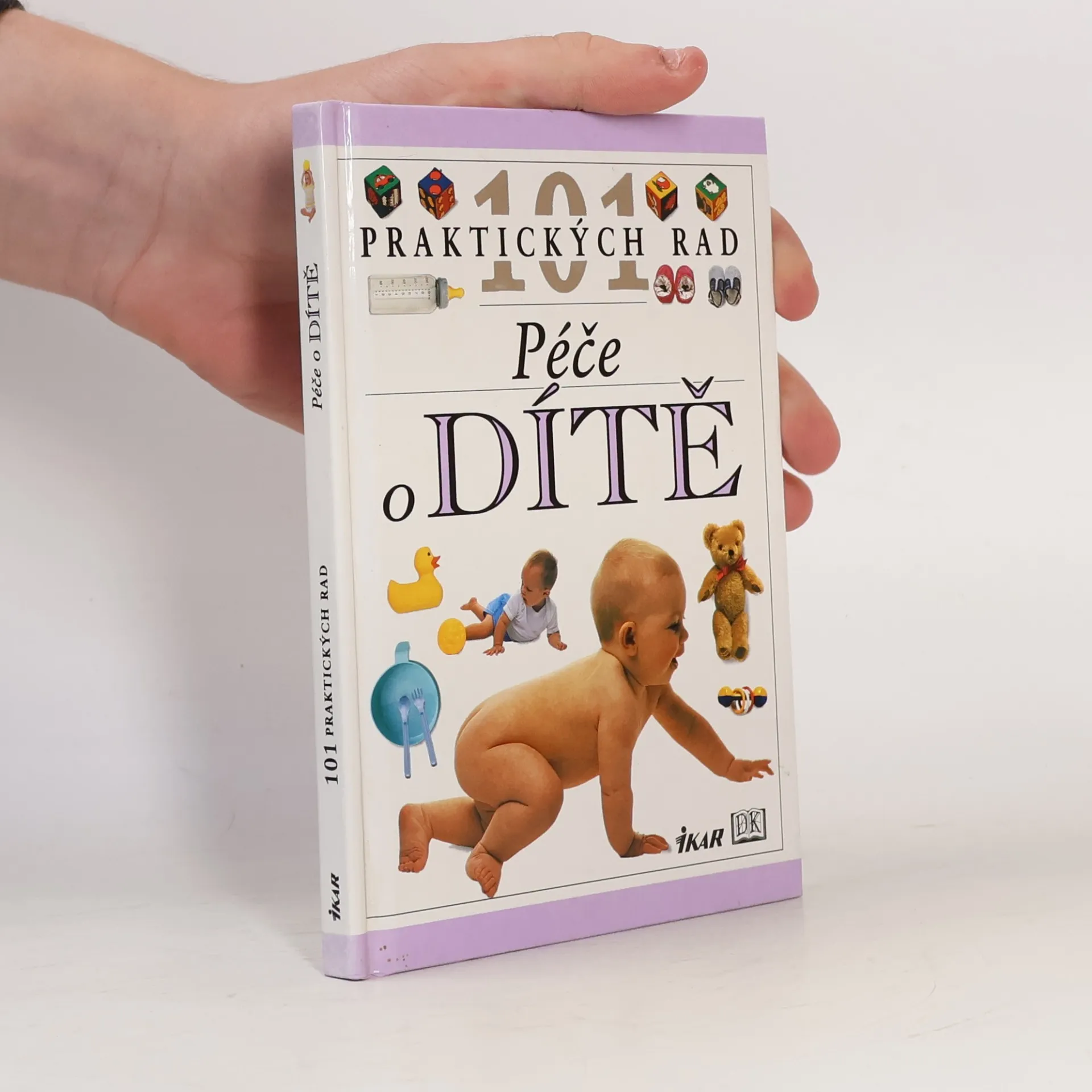
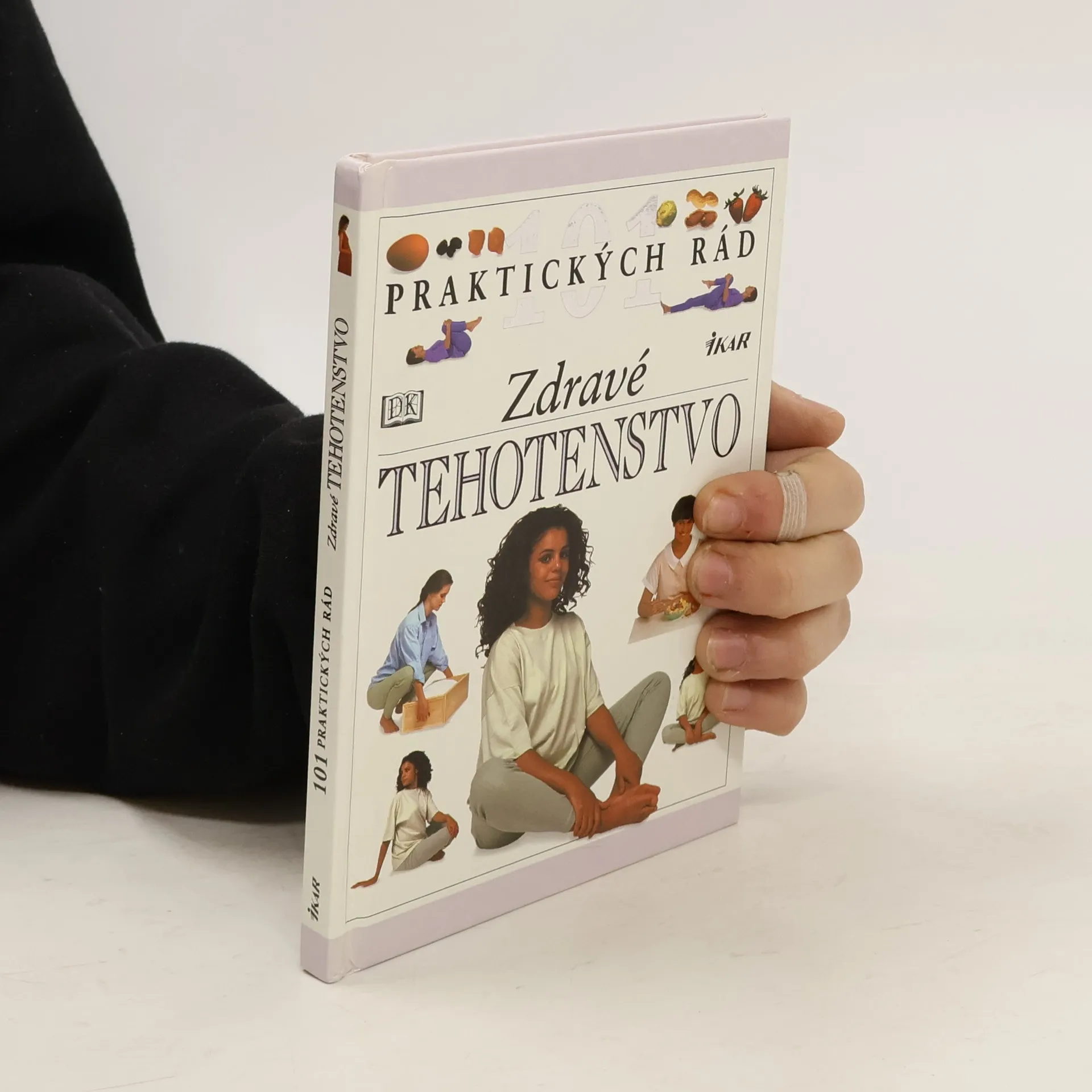
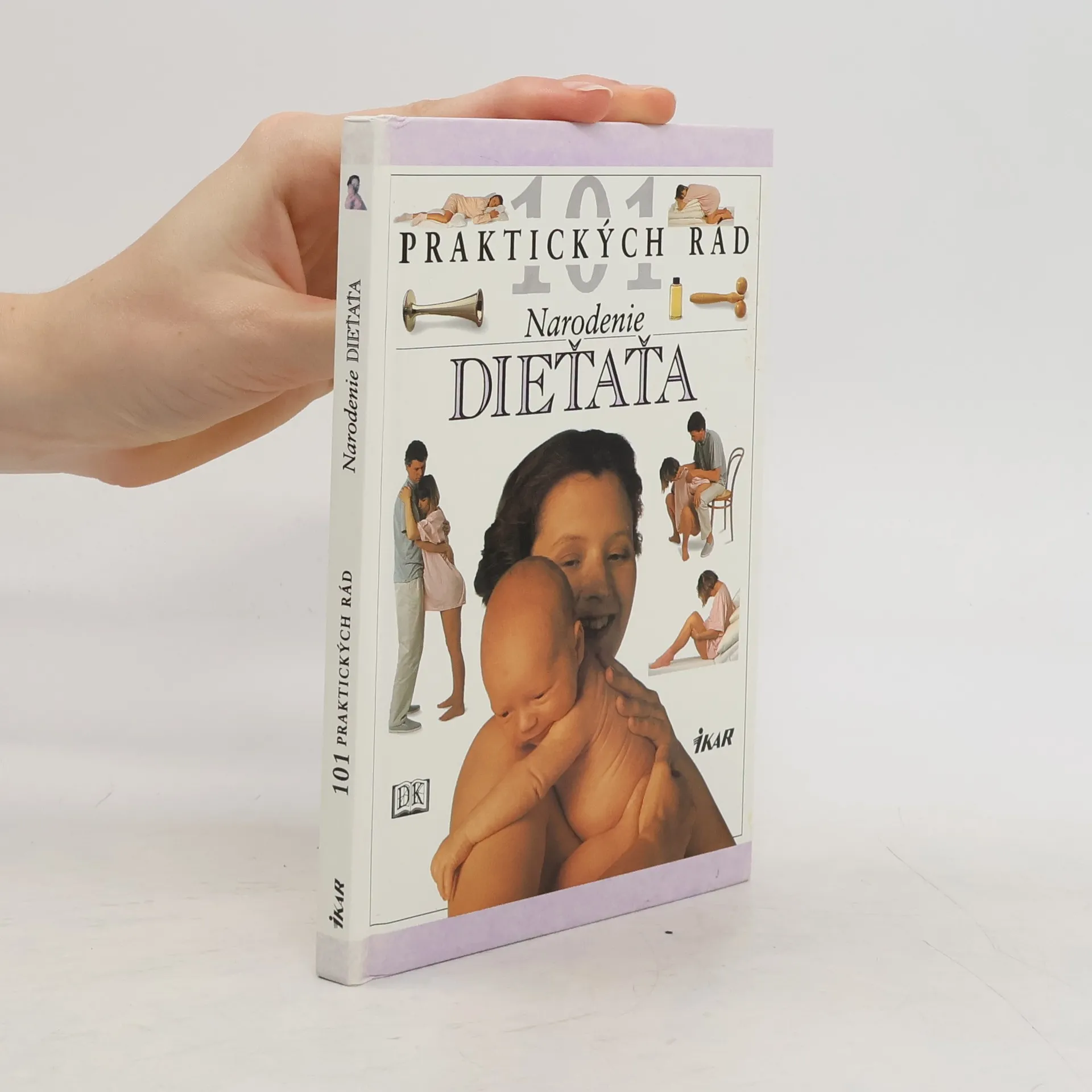
101 Essential tips. Healthy Pregnancy
- 72 pages
- 3 hours of reading
Core information on a variety of subjects is reduced to the 101 most crucial facts you must know. The pocket-size paperback format makes it ideal for quick reference. Hundreds of crisp, full-color photographs are combined with thoroughly researched text in these handy books.
Poor Harriet / The Silent Cousin
- 226 pages
- 8 hours of reading
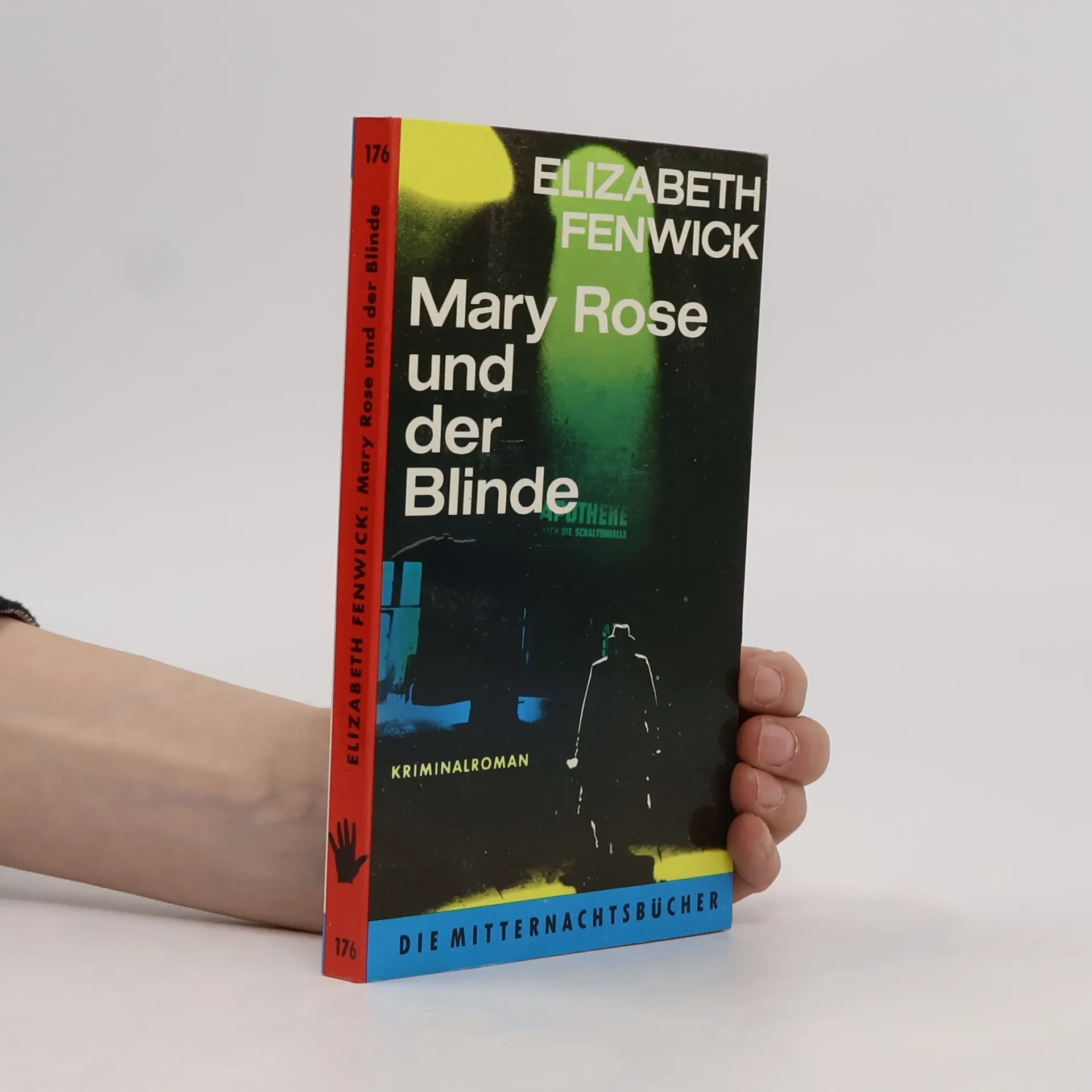
Set against the backdrop of social and economic struggles, the story follows Harriet, a young woman grappling with poverty and the harsh realities of life. As she navigates her challenging circumstances, Harriet's resilience and determination shine through, revealing her quest for dignity and a better future. The narrative delves into themes of hardship, hope, and the impact of societal expectations on individual dreams, offering a poignant exploration of what it means to overcome adversity.
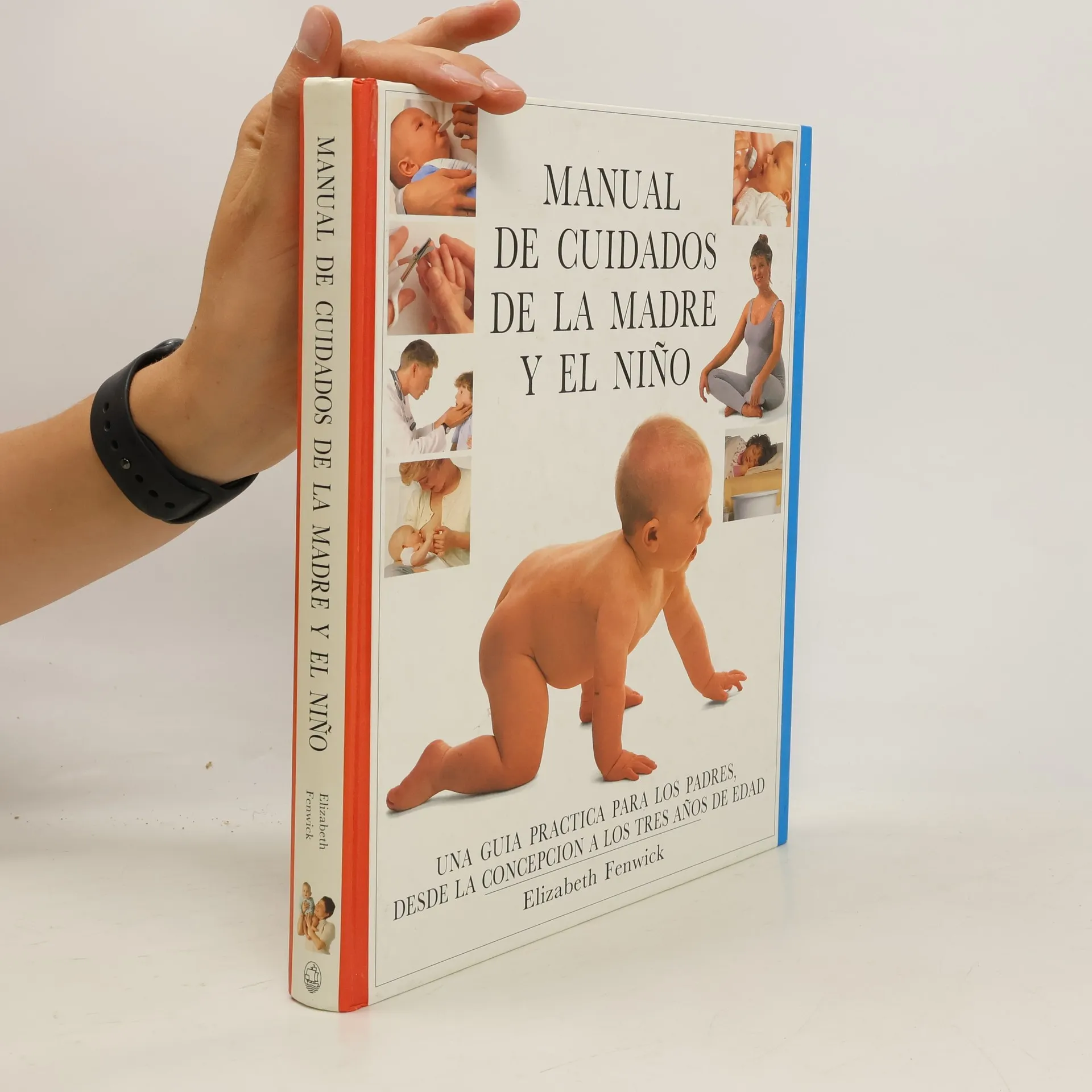
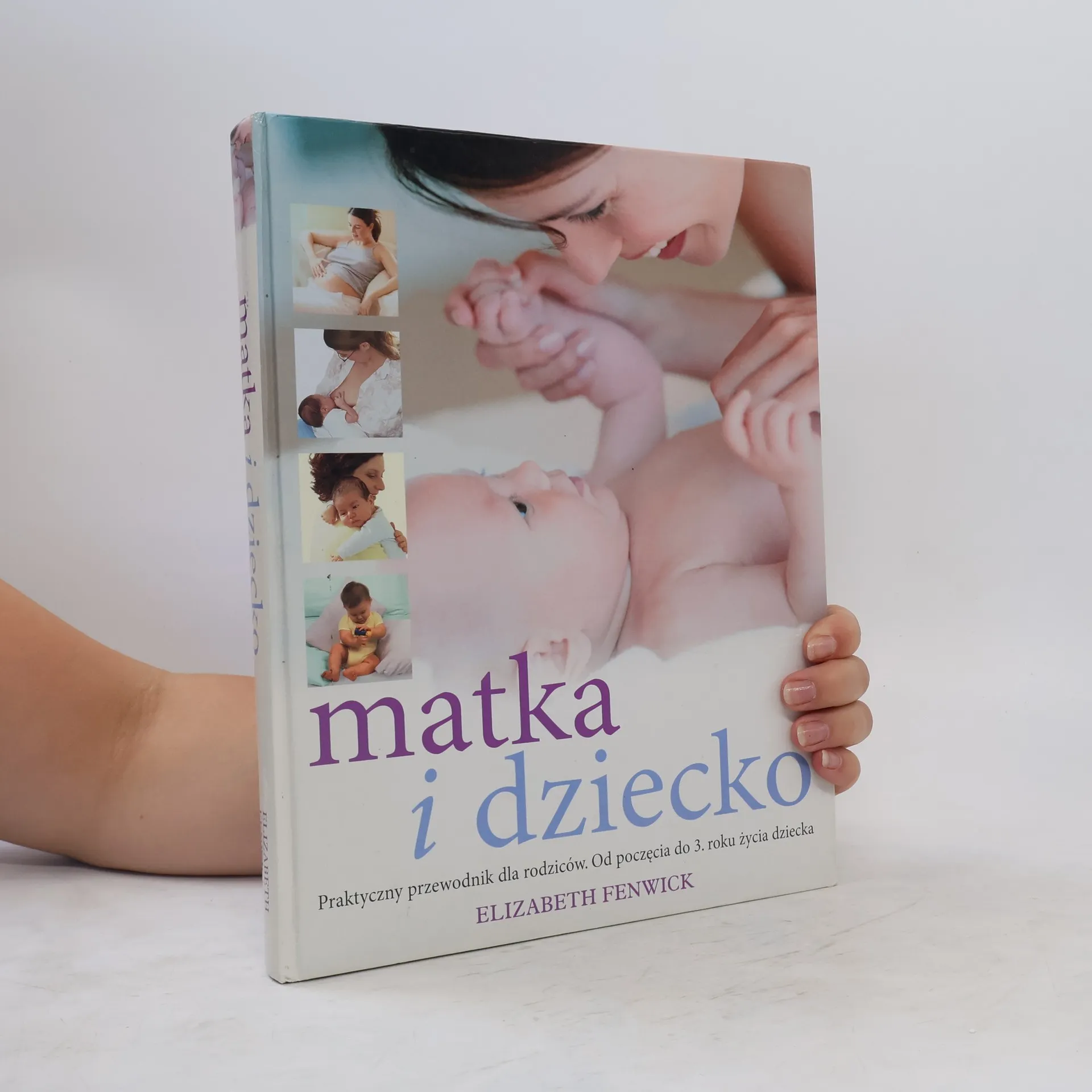
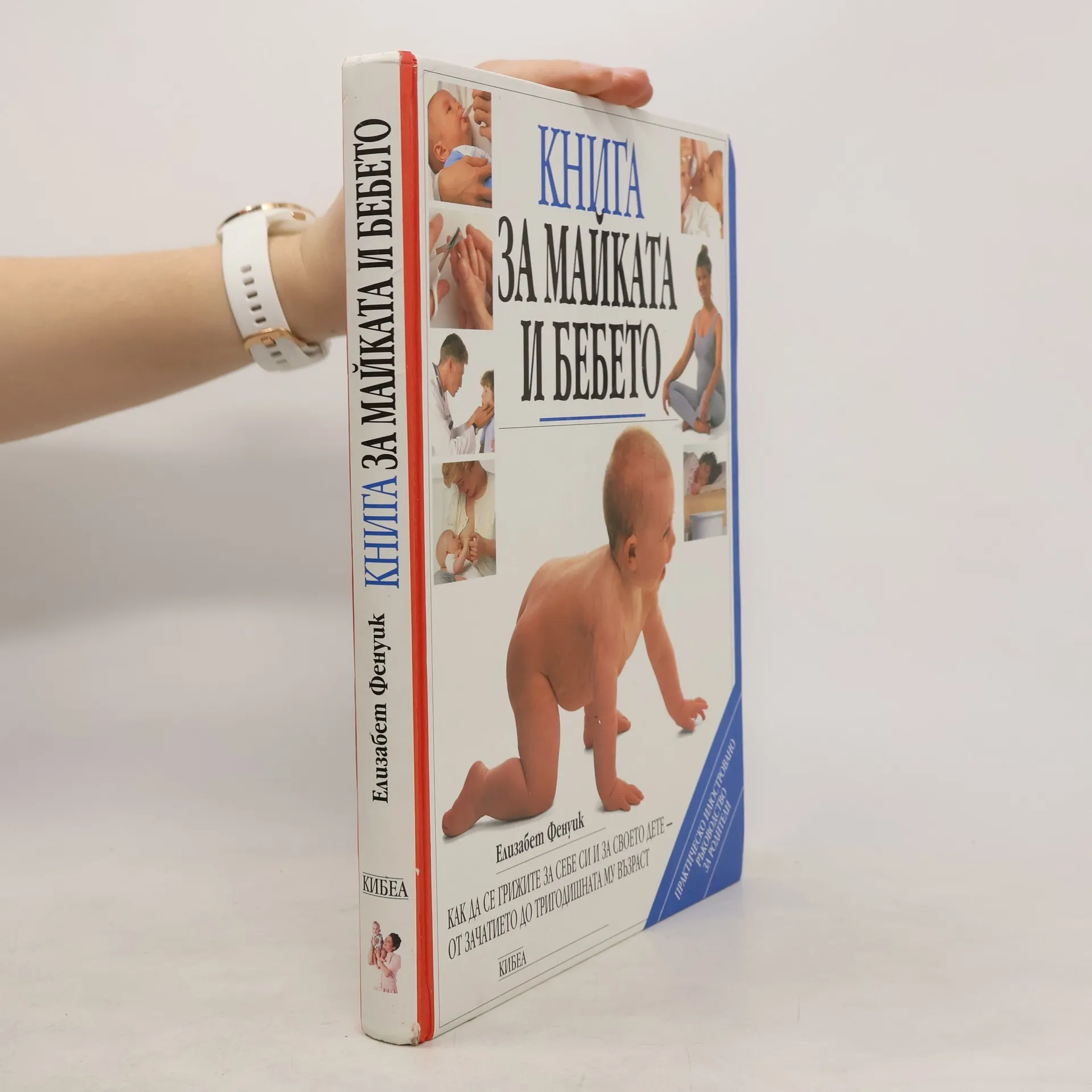
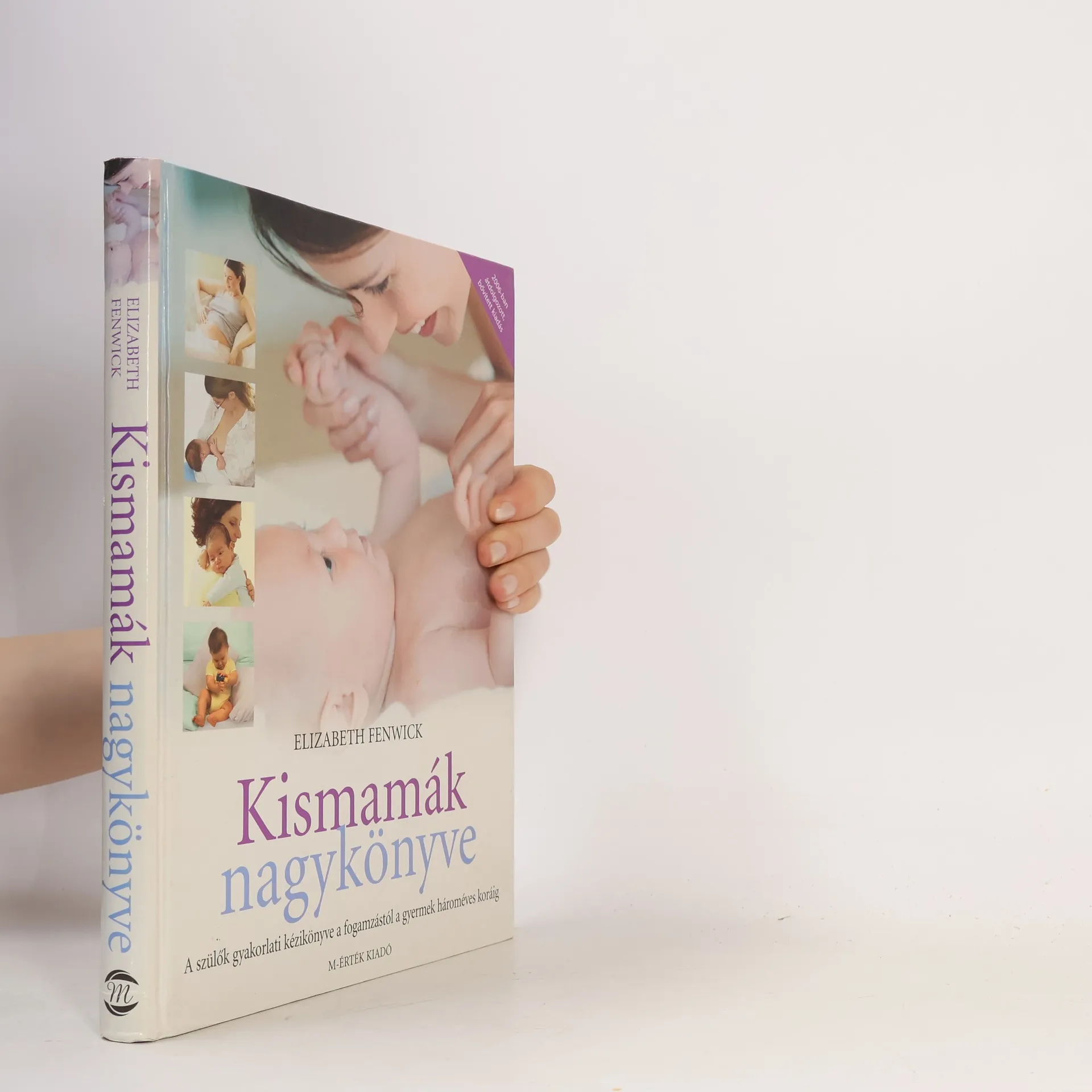
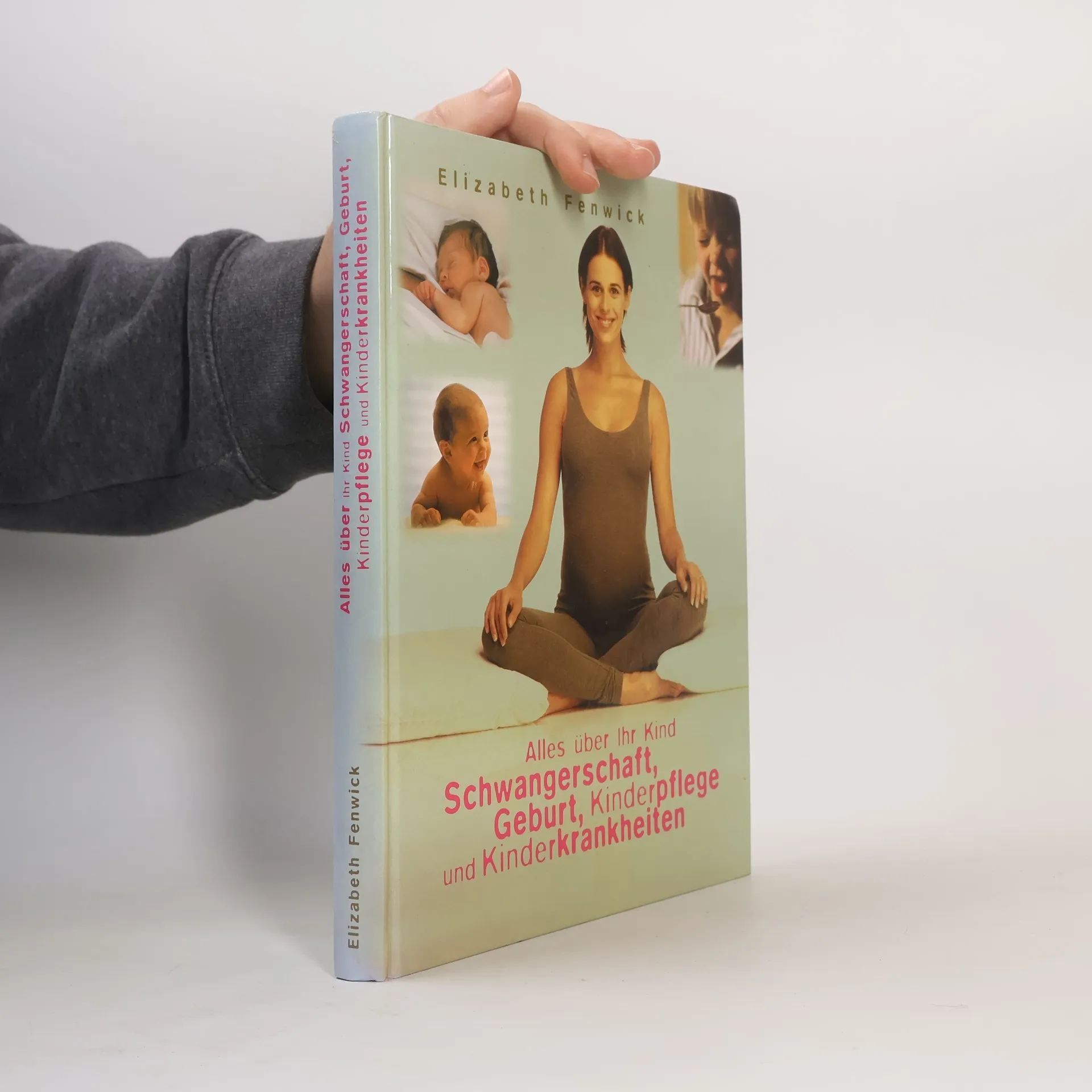
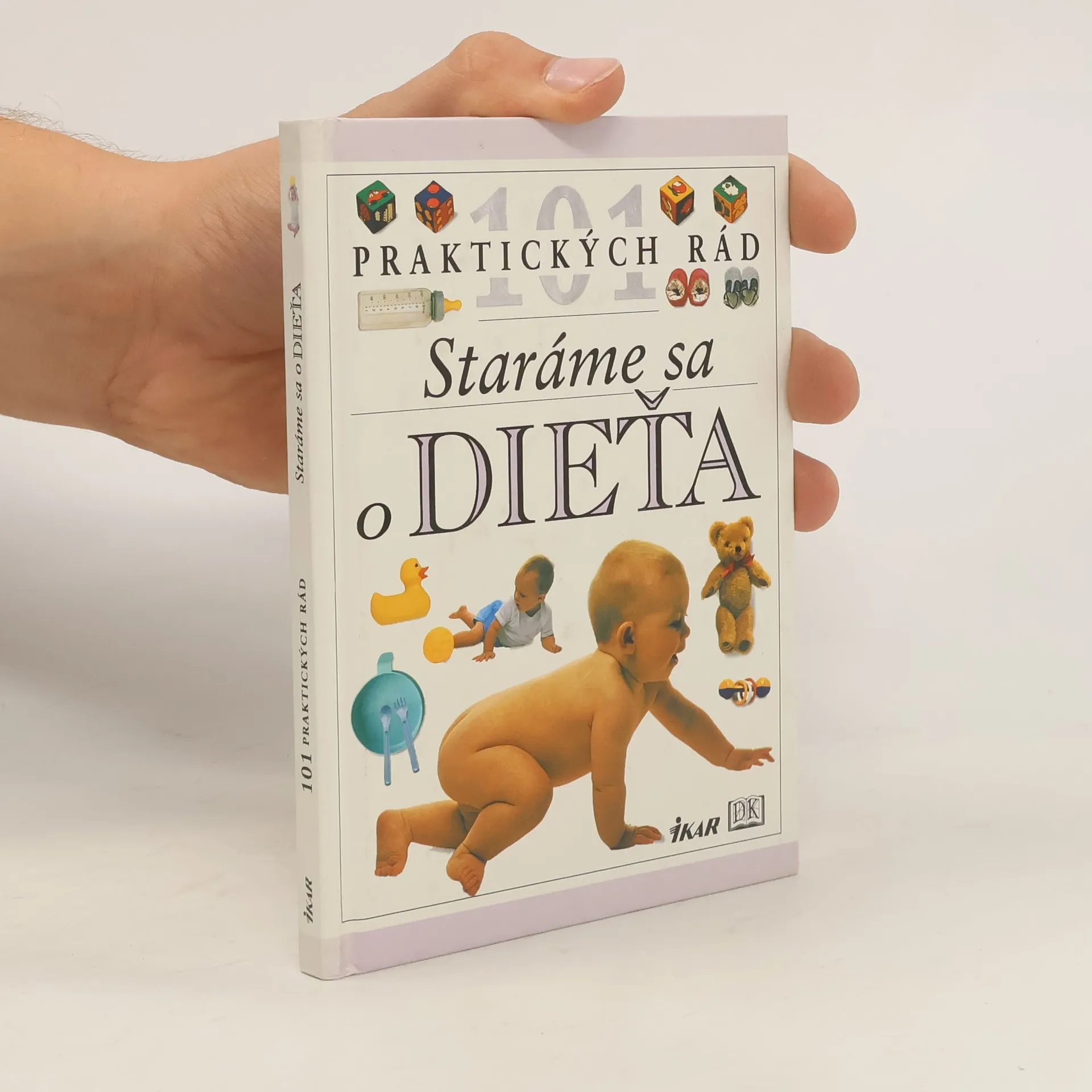
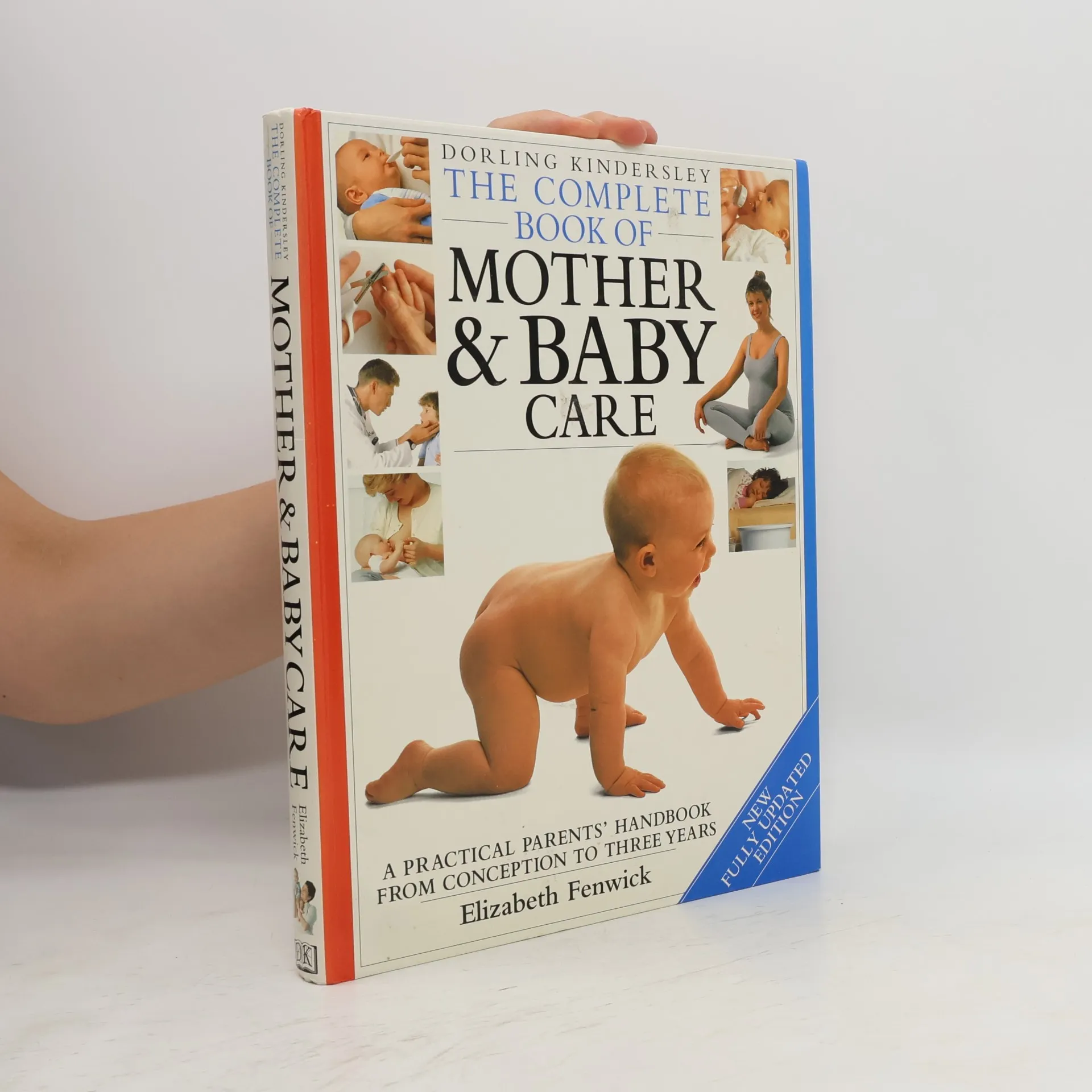
Fully revised and updated edition of the classic bestselling baby and childcare manual The Complete Book of Mother and Babycare was the first baby book to provide illustrated step-by-step instructions on how to care for your baby. Now it is fully revised and updated to include the latest in babycare guidelines and recommendations - from sleeping advice to postnatal recovery. Packed with new, fresh photography and essential advice, tips and suggestions, this guides you through every stage of your pregnancy and beyond, up to the first three years of your baby's life. Clear, step-by-step photographs illustrate everything from postnatal checks to breastfeeding and nappy-changing. Plus, this will provide you with everything you need to recognize and treat common childhood illnesses and ailments. This is a classic must-have babycare manual.
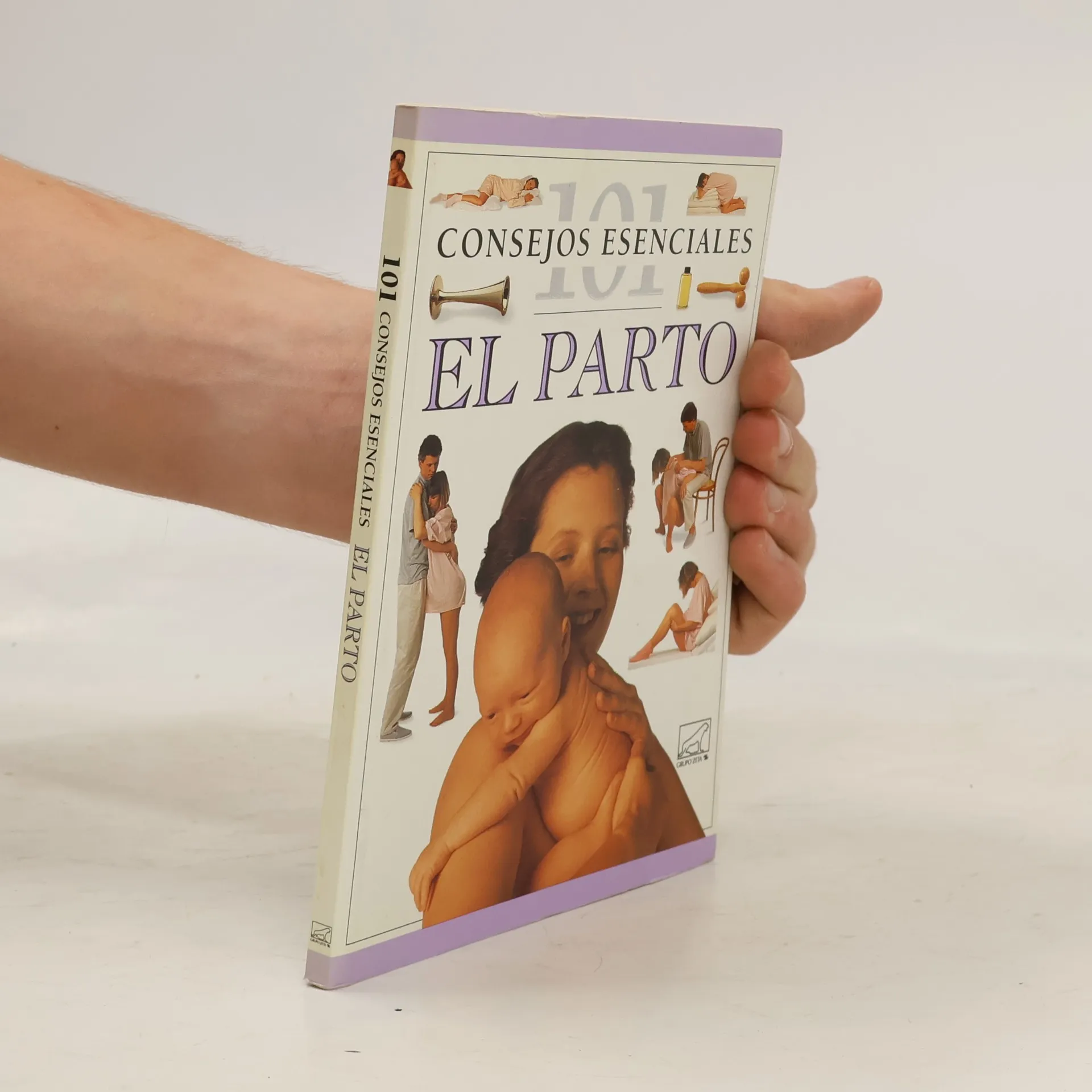
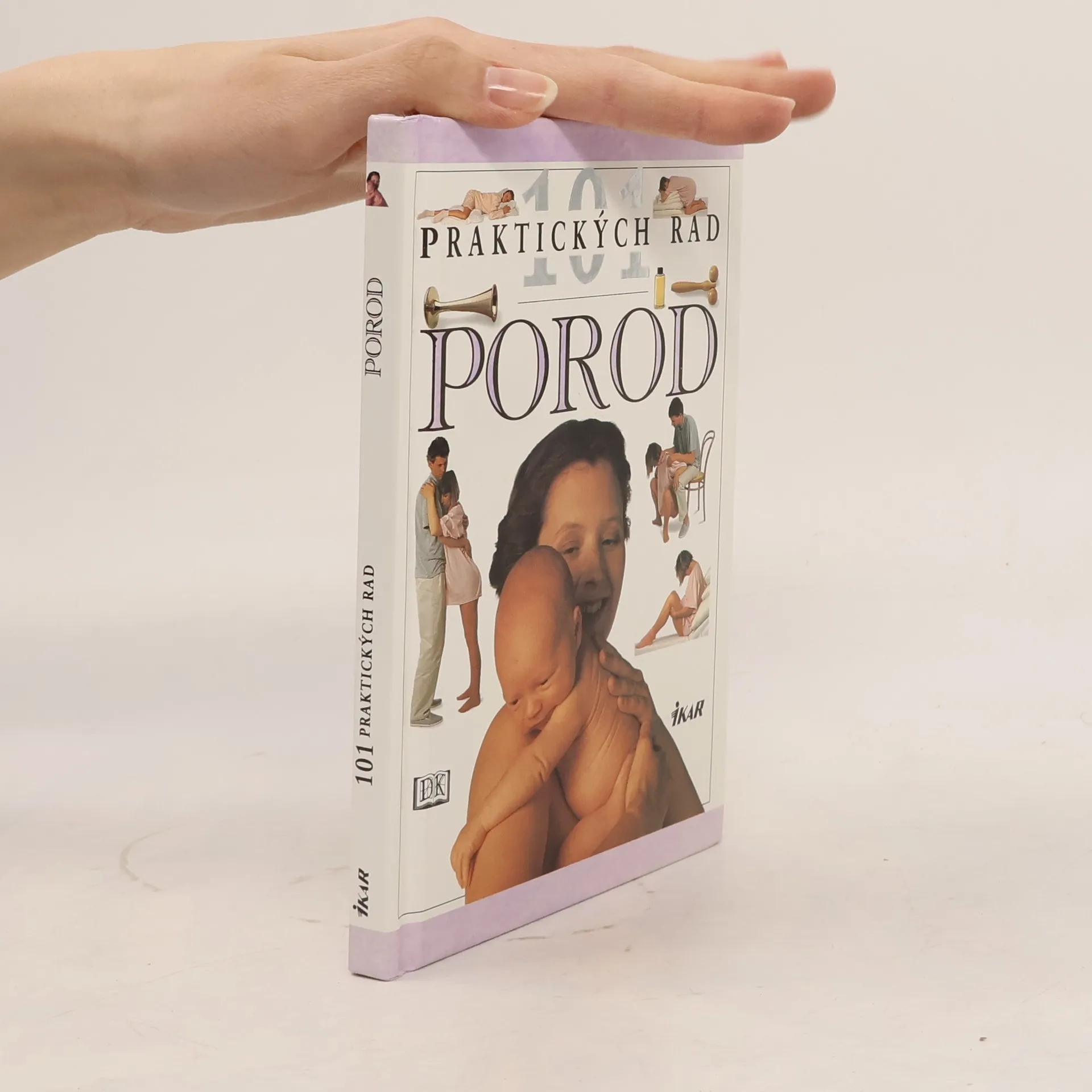
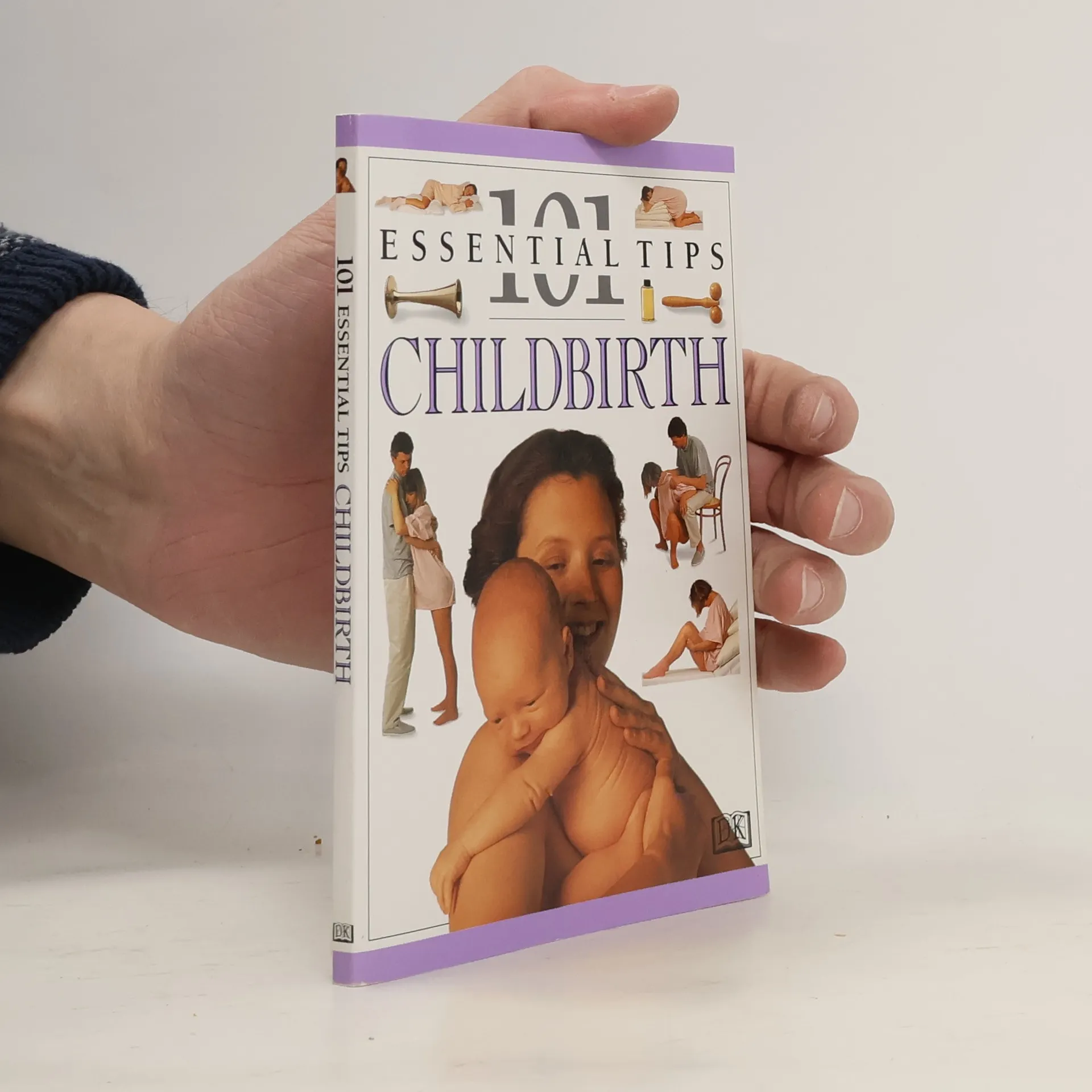
Childbirth
- 72 pages
- 3 hours of reading
Core information on a variety of subjects is reduced to the 101 most crucial facts you must know. The pocket-size paperback format makes it ideal for quick reference. Hundreds of crisp, full-color photographs are combined with thoroughly researched text in these handy books.
The Make-Believe Man / A Friend of Mary Rose
- 228 pages
- 8 hours of reading
Reflections on family life in twentieth-century London are at the heart of this collection, penned by Elizabeth Fenwick, spouse and collaborator of neuropsychologist Peter Fenwick. The essays, originally featured in "World Medicine," offer a unique blend of personal anecdotes and insights, set against the backdrop of a groundbreaking magazine known for its irreverent take on medical politics during the 1970s. Fenwick's writing captures the nuances of domestic life while engaging with broader societal themes.
Disturbance on Berry Hill / A Night Run
- 238 pages
- 9 hours of reading
Set against the backdrop of a quaint town, the story revolves around a mysterious disturbance that disrupts the peace of Berry Hill. As residents grapple with strange occurrences, a group of unlikely heroes emerges to uncover the truth behind the unsettling events. Themes of friendship, courage, and the struggle between good and evil are woven throughout, making for an engaging narrative that explores how a community can come together in times of crisis. The blend of suspense and heartwarming moments creates a compelling read.
The Art of Dying
- 251 pages
- 9 hours of reading
The Art of Dying is a contemporary exploration of achieving a good death, inspired by the medieval Ars Moriendi. Peter Fenwick, a distinguished neuropsychiatrist and expert in brain disorders, focuses on end-of-life phenomena, including near-death experiences and deathbed visions. His research extends to the insights of hospice and palliative care workers and the families of the dying. Fenwick posits that consciousness may exist independently of the brain, a theory that has sparked debate within the scientific community. He argues that our cultural attitudes towards death, often rooted in fear and avoidance, hinder our ability to embrace it as a significant and sacred aspect of life. The book aims to shift perspectives in Western society, encouraging a more open engagement with death. It examines how various cultures, such as the Tibetan "death system" and the teachings of Swedenborg, approach the dying process, juxtaposing these views with contemporary scientific findings. Fenwick also highlights the experiences of healthcare professionals who seek a deeper understanding of the dying process and the need for training to help patients navigate their final moments. By addressing common barriers to a good death—such as unresolved emotions and unfinished business—this work serves as a valuable resource for coming to terms with death and fostering a more compassionate approach to the end of life.